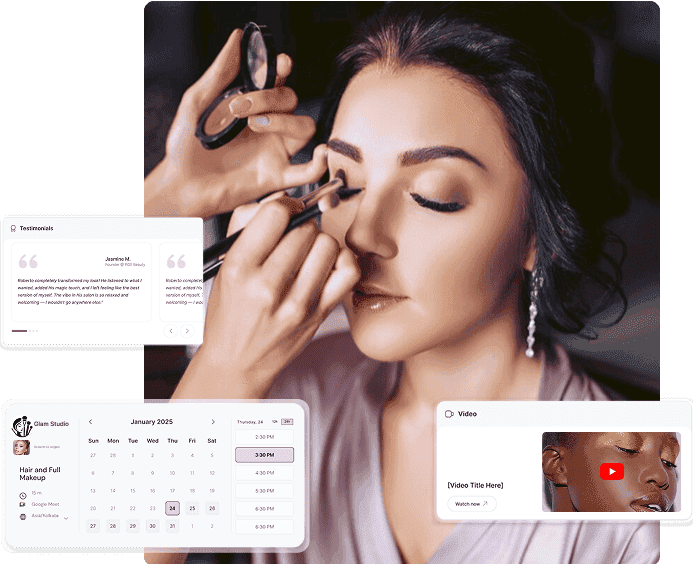
The most powerful Library Booking system

Try now

Go live in two minutes

Rated 4.9 out of 5
Marketing Hero Banner

What features does Lunacal Library scheduling software have?

Instantly reserve reading rooms, workshops, or librarian time

Whether booking a study room or a one-on-one session with a research librarian, instant confirmations prevent overlapping schedules and wasted time for both staff and visitors.
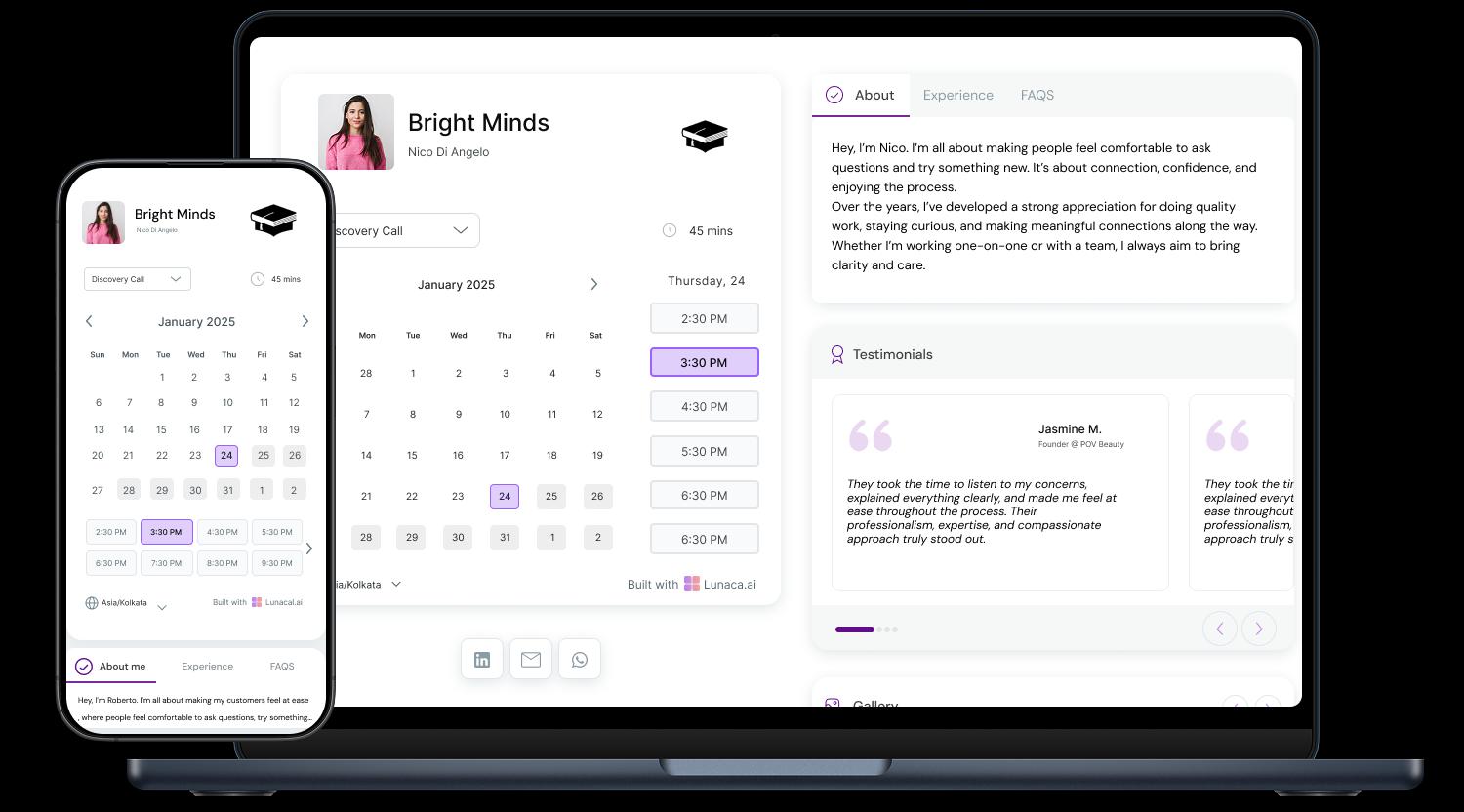
Library Appointment Booking App

Highlight community programs, events, and reading initiatives

Featuring photos from book clubs, kids' reading hours, or author sessions builds community connection. Your library’s values and culture come through, especially when your booking page reflects this online.
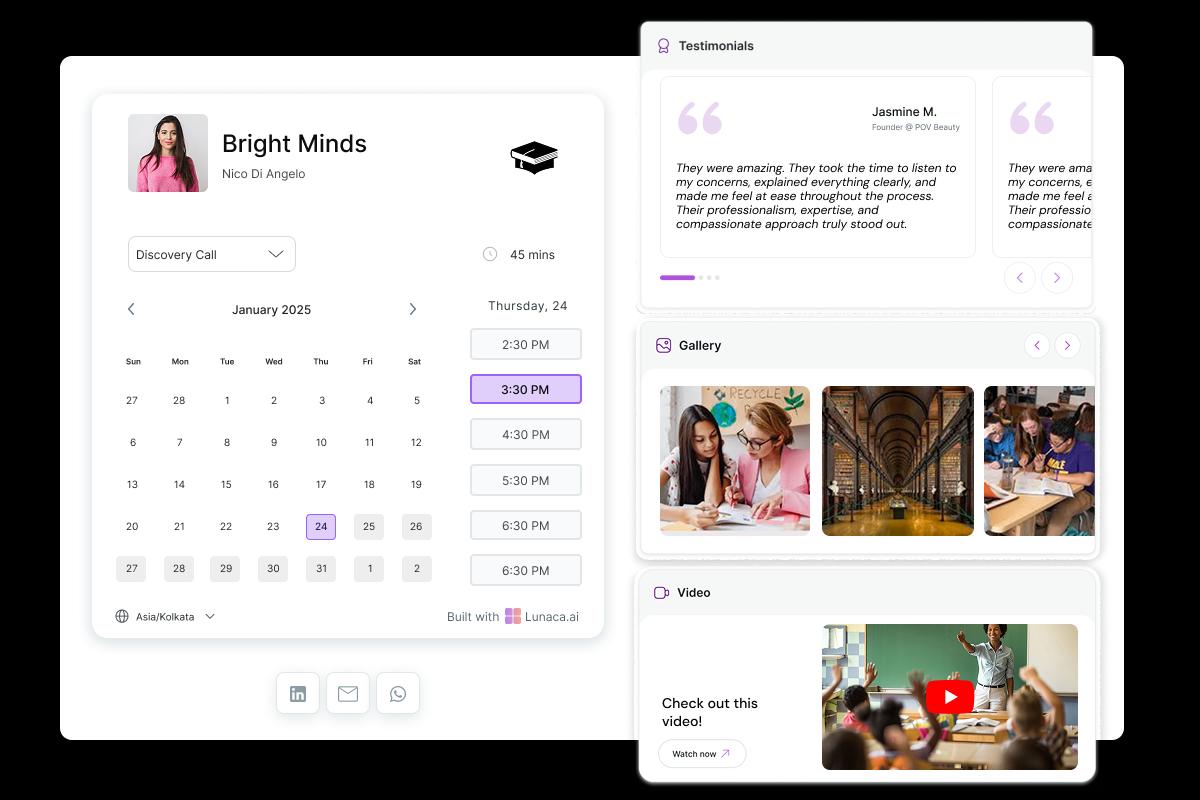
Library Scheduling Page

Collect purpose, materials needed, or age group beforehand

Knowing if someone is booking space for exam prep, tutoring, or a children's workshop helps staff plan. It ensures the right space, materials, and support are ready in advance.
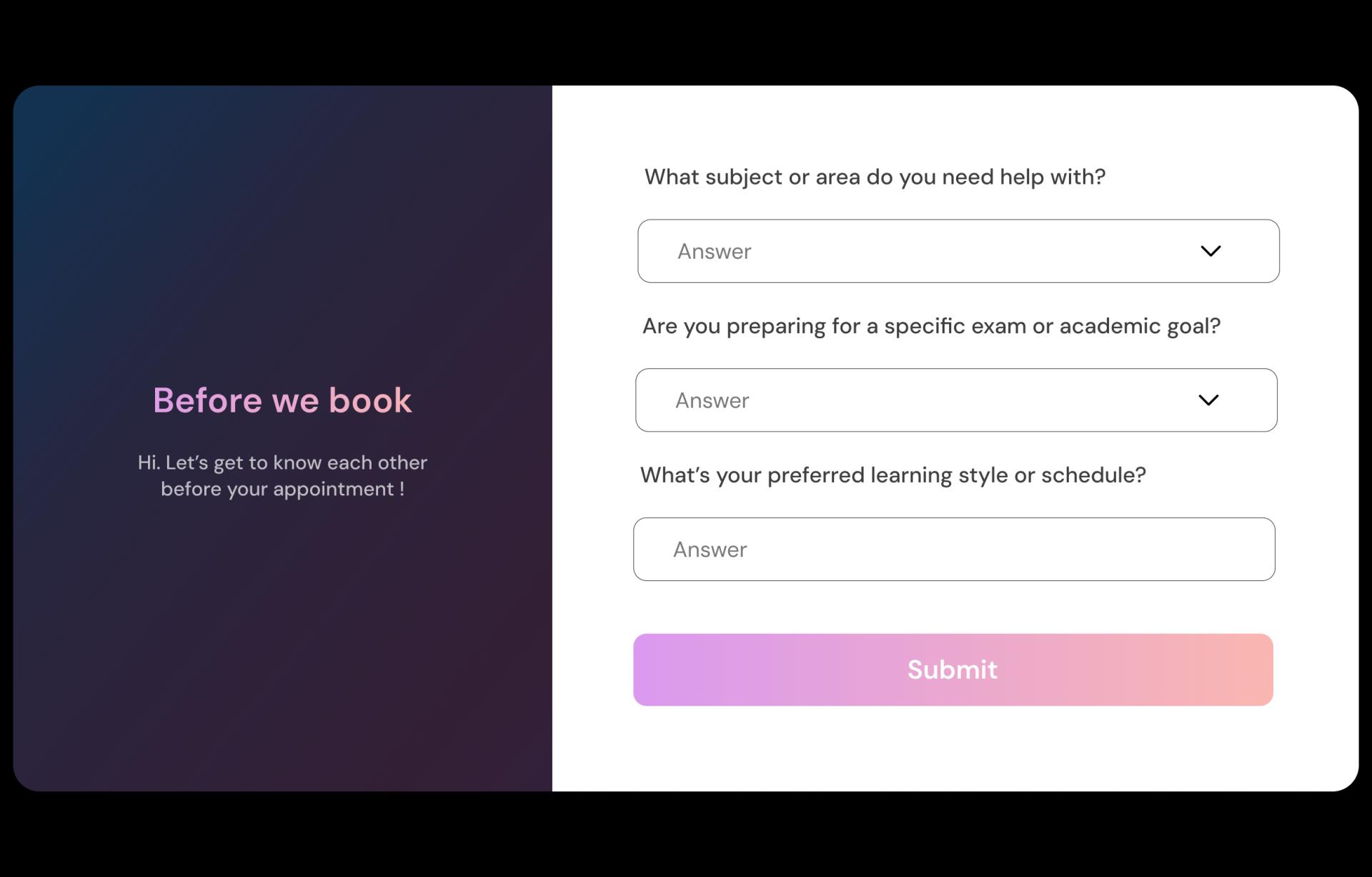
Library Booking Questions

Send automatic reminders and follow-ups for events

Visitors often forget about bookings, especially for free events. Reminders reduce no-shows, and post-event feedback helps improve the programming or identify overlooked needs.
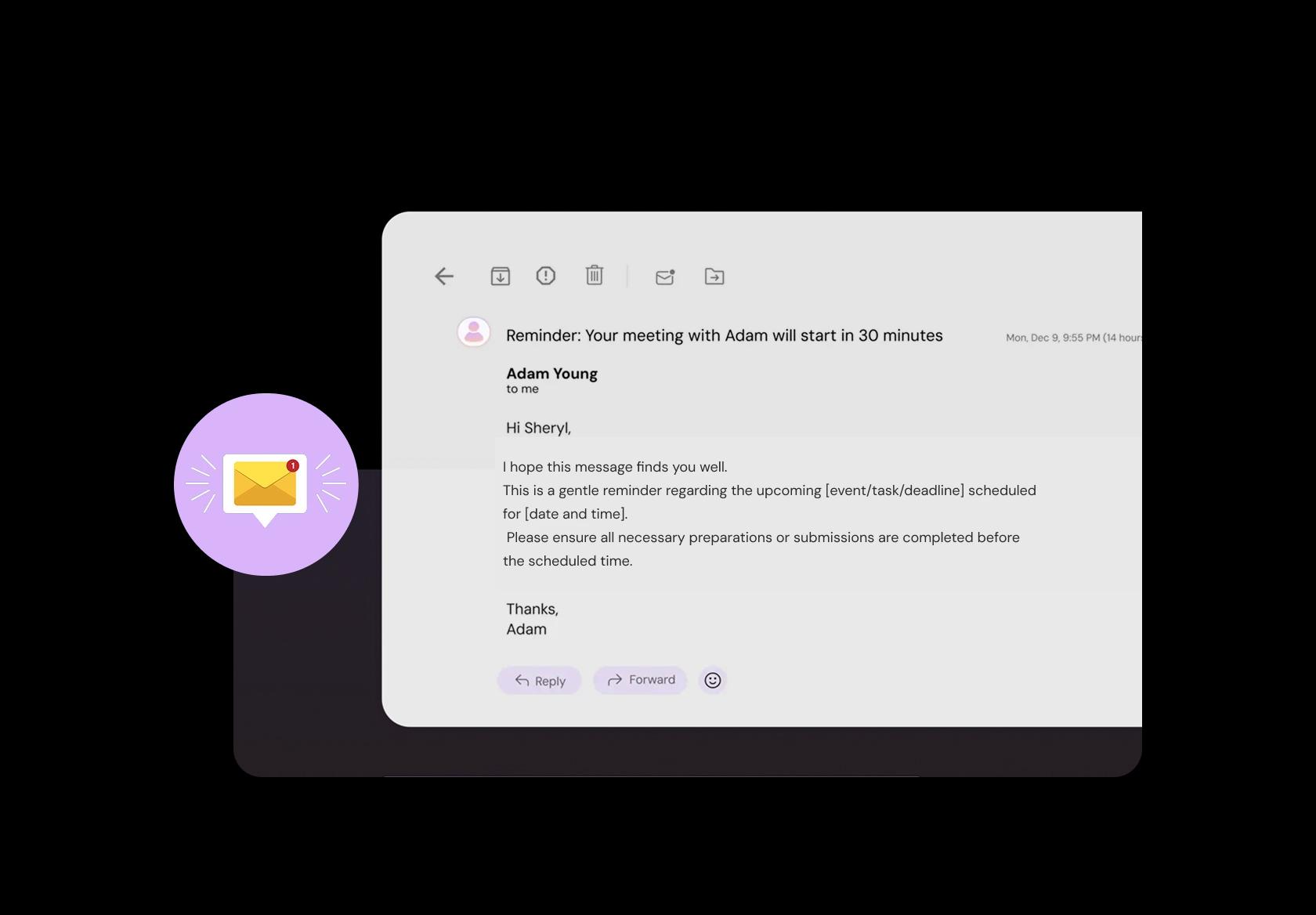
Library Meeting Reminders

Accept payments for workshops or special events

While most services are free, some events like writing workshops or coding classes may have a small fee. Collecting payments online avoids handling cash and keeps the registration process smooth.
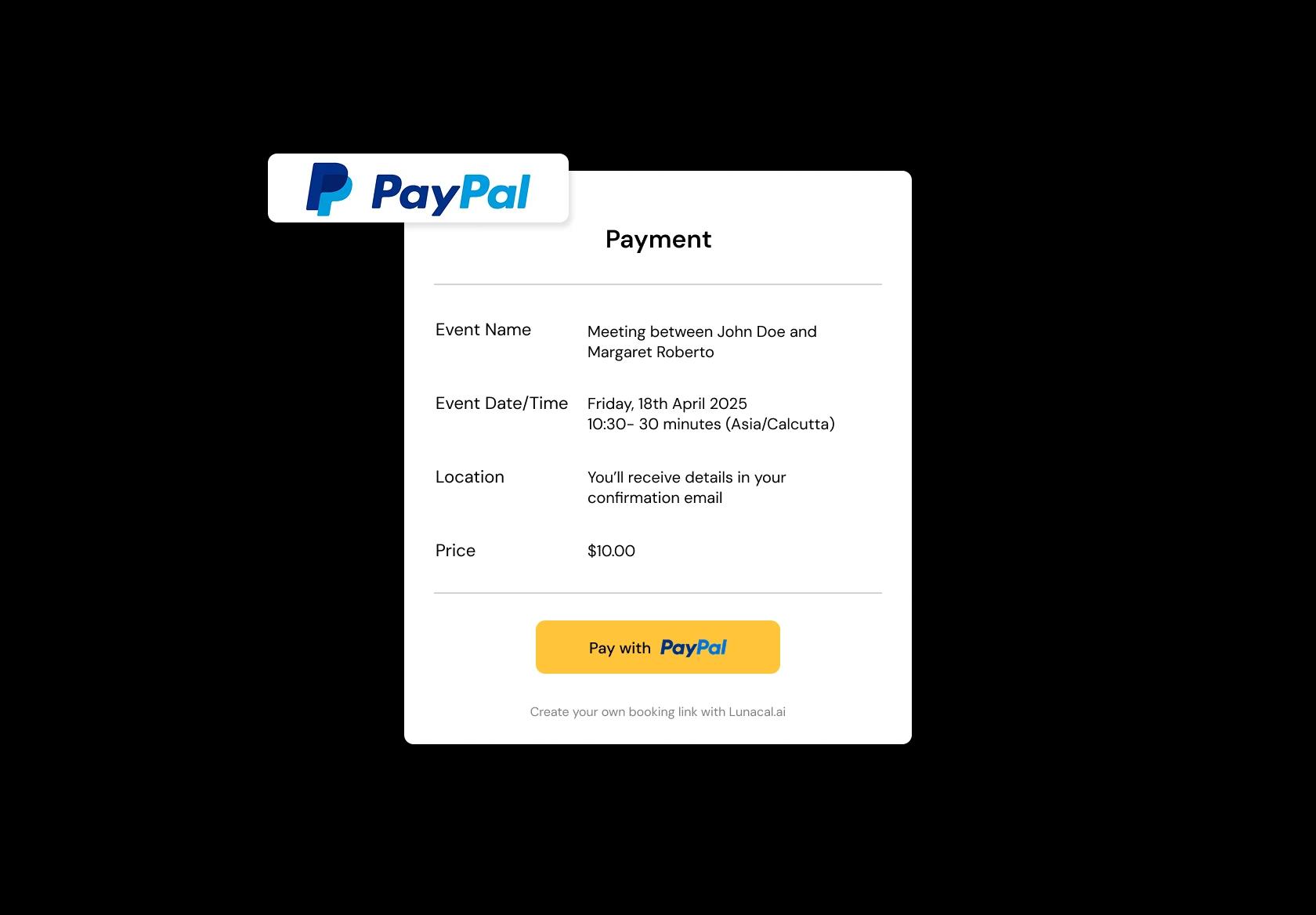
Library Online Payments

Manage room reservations across branches or floors

Coordinating events or study spaces across multiple locations becomes seamless with a centralized calendar. Staff can see what's booked, by whom, and for how long—at a glance.
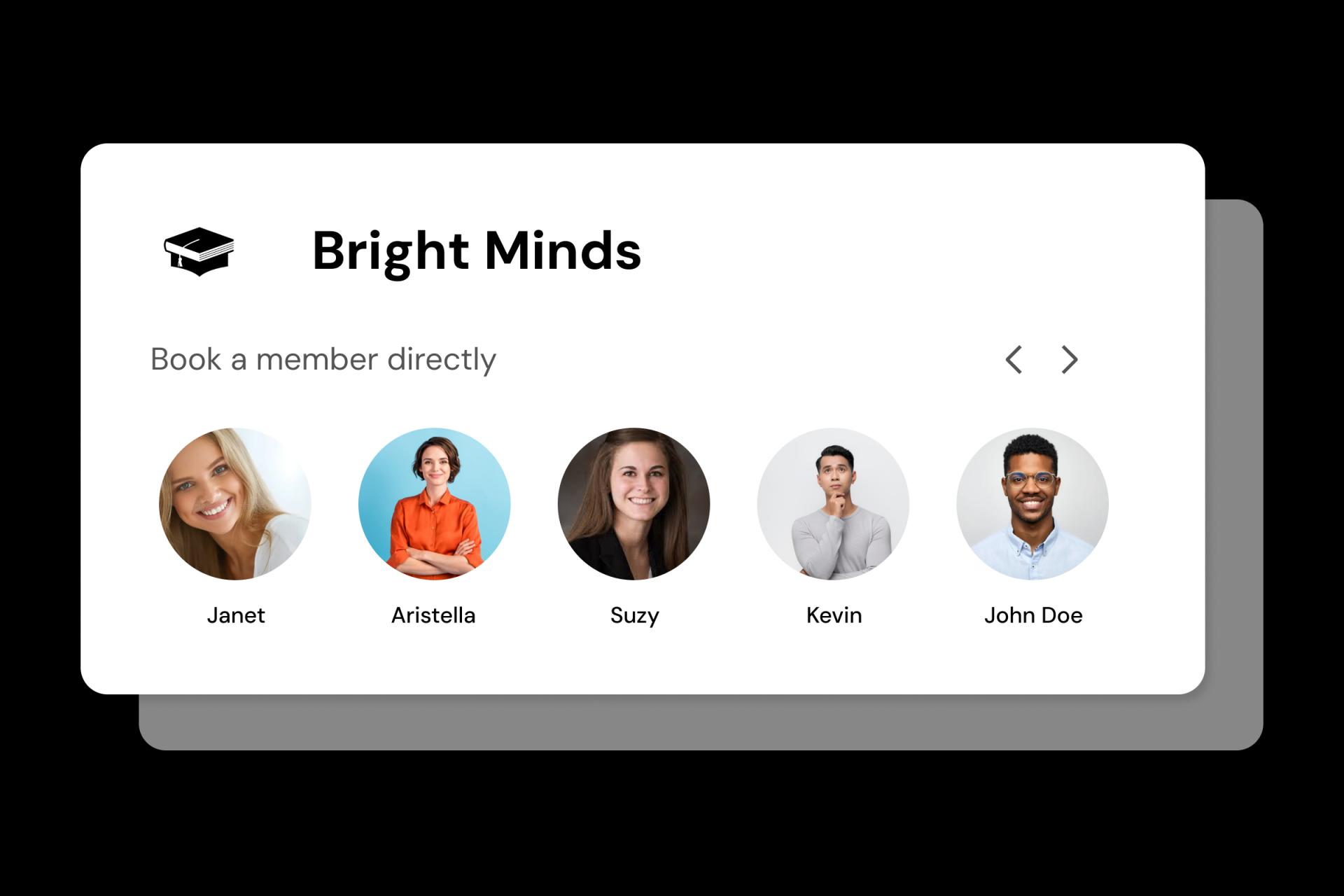
Library Multi Location Booking

Set up varied sessions with distinct configurations

Quiet reading sessions, tech tutorials, exam prep hours—they all require different spaces, times, and materials. The flexibility of a good scheduling system handles this without friction.
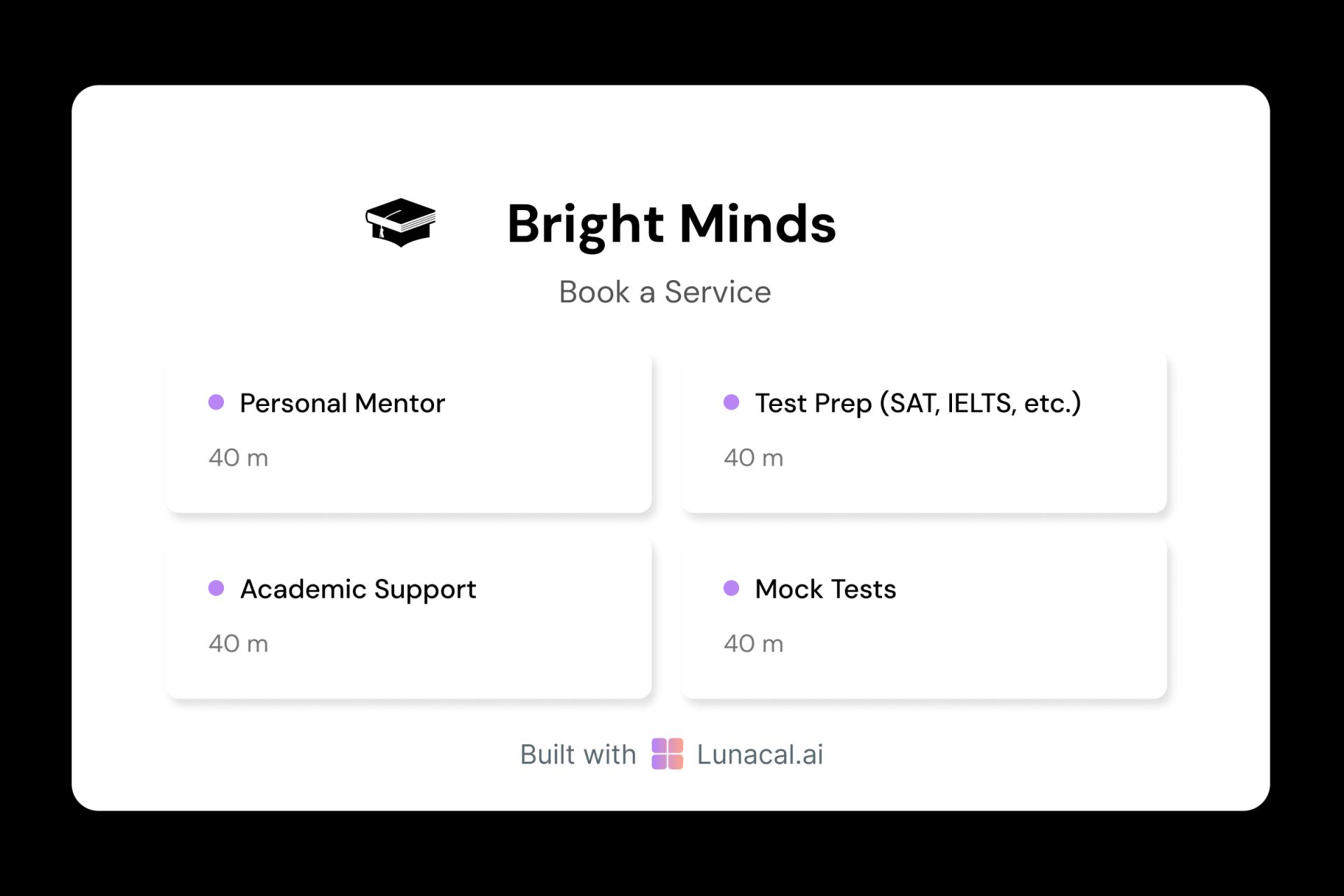
Library Multiples Services Booking

Distribute event staffing and assistance evenly

When patrons request librarian assistance, the system can automatically rotate duties. That way, no single team member gets overwhelmed, and response times stay consistent.
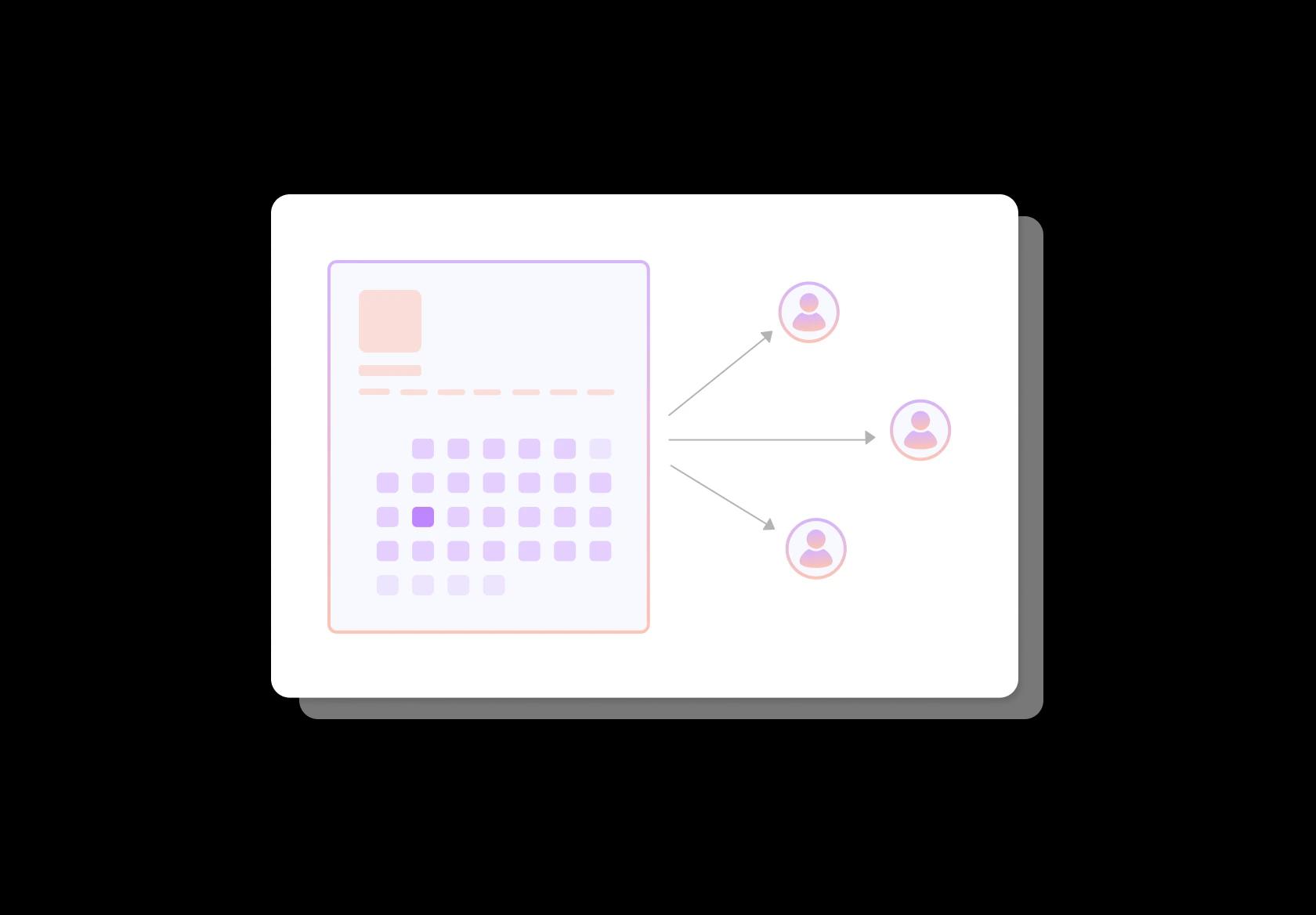
Library Round Robin Scheduling

Show librarian specialties and past sessions

Some visitors need help with genealogy, others with academic research. Individual profiles help patrons choose who to book with based on the librarian’s focus areas and experience.
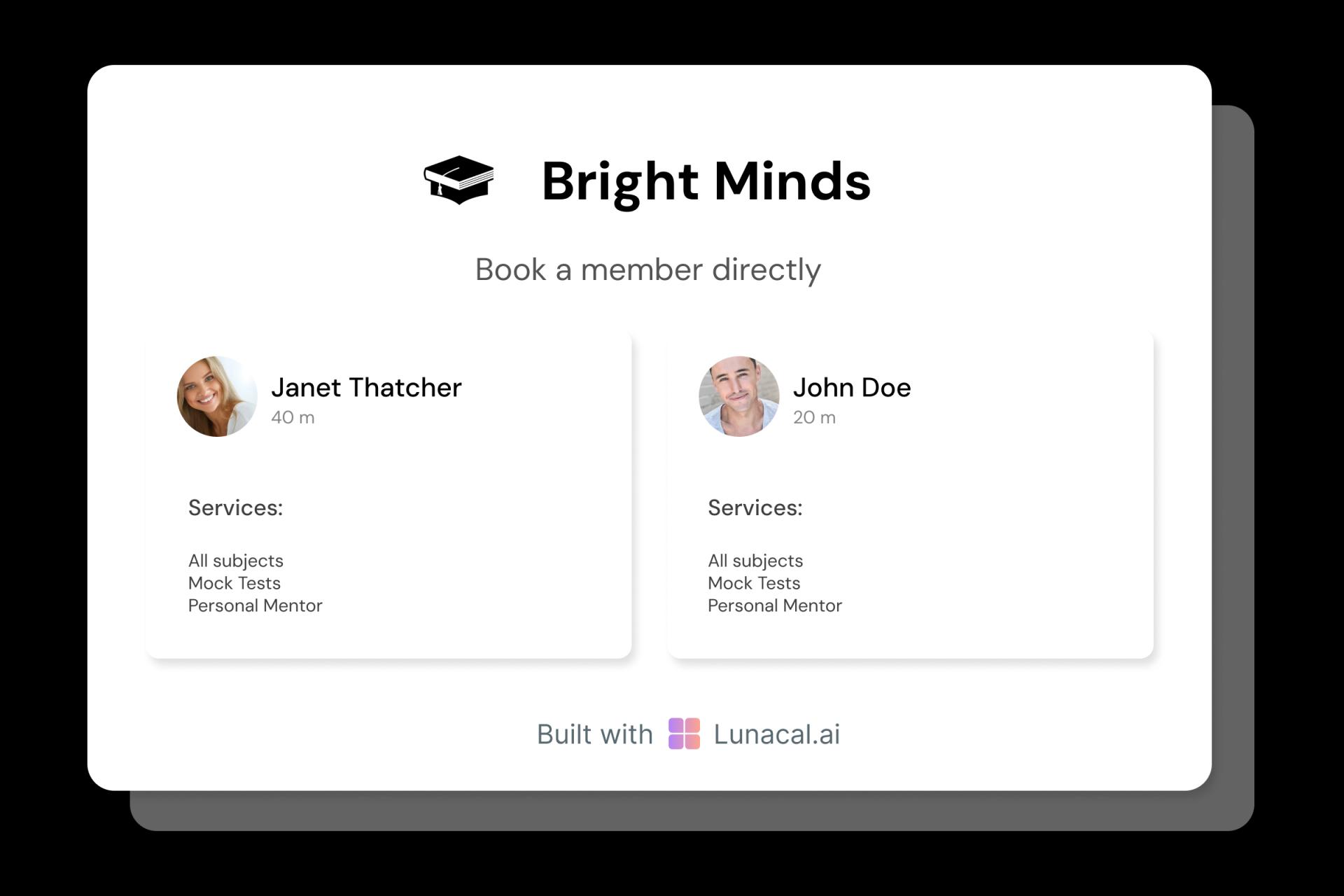
Library Team Profiles

Adjust timings during exams, holidays, or slow seasons

Whether extending hours during finals or trimming them in summer, the ability to instantly update availability keeps operations clear and avoids scheduling confusion.
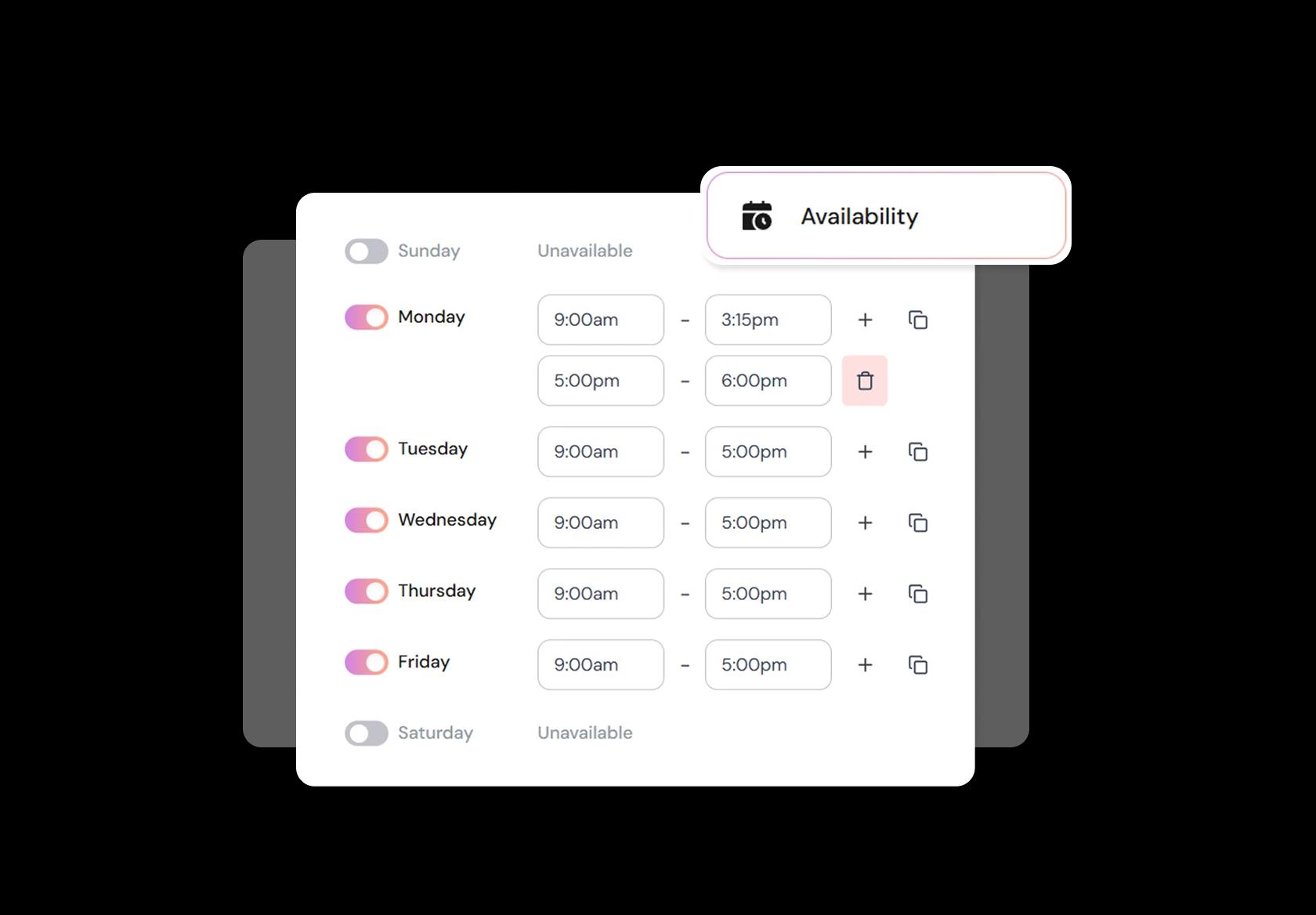
Library Custom Calendar Availability

Add booking links to catalogs, newsletters, or digital kiosks

Whether a patron is browsing the library’s website or using a self-checkout screen, embedding booking links ensures they can reserve space or sessions right where they are
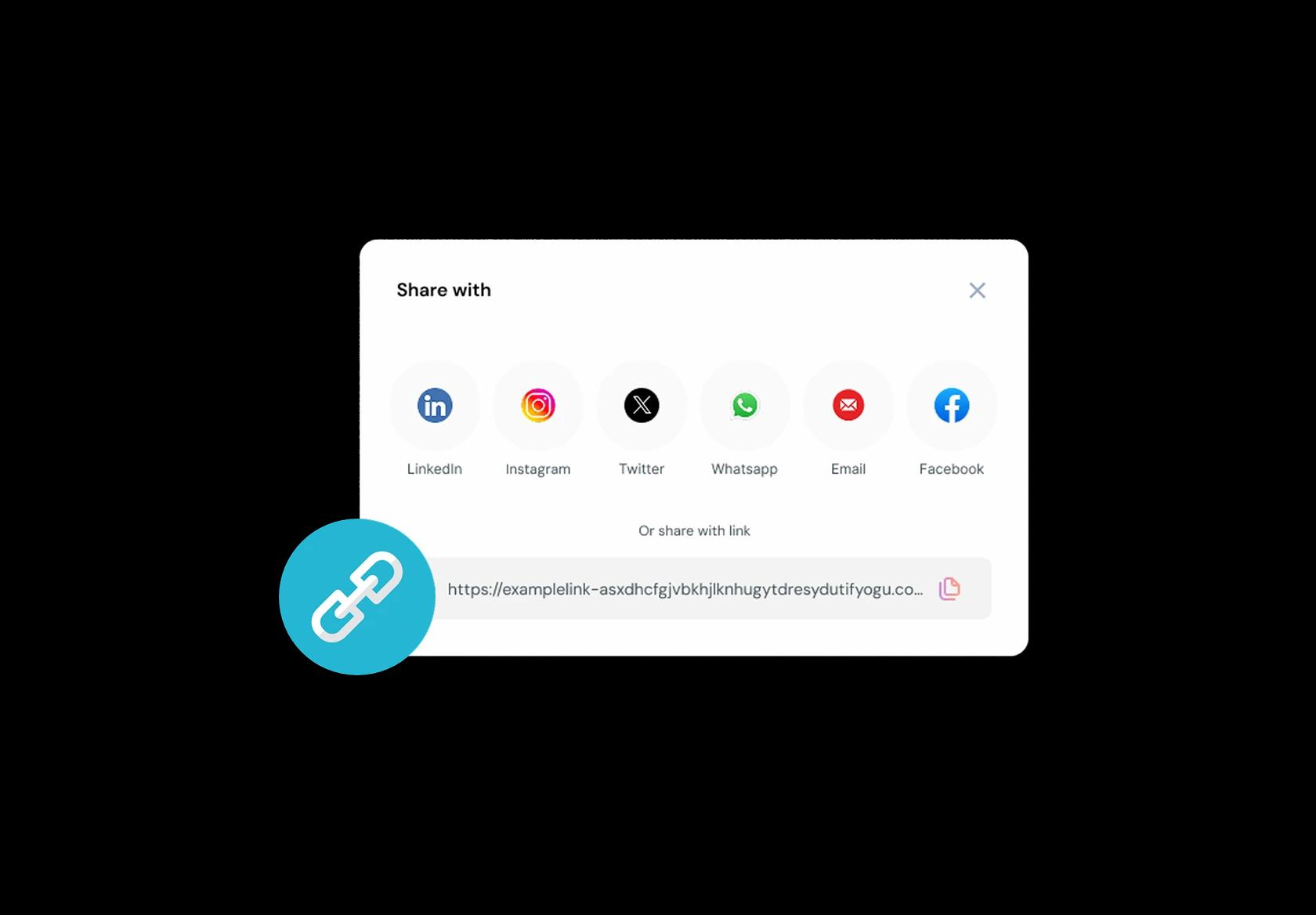
Library Meeting Booking Link

Easy Setup. On-Call Help When You Need It

Switch from old clunky Library Booking system

5-minute setup

Book With Confidence

No technical skills required

Stress-free experience

Call + Email support

Flexible contact options

No commission, No license fees.

Just simple, fair pricing

monthly
Yearly
(save upto 20%)

Standard

$9/month
For professionals.

  • Unlimited events
  • Paypal and Zapier integration
  • Priority Support

Teams

$15/month
For growing businesses.

  • All standard features
  • Teams scheduling page
  • Round robin scheduling
  • Collective scheduling

Enterprise

$25/month
For large companies.

  • All teams features
  • Account manager
  • Custom integrations
  • Phone Support
  • Personalised onboarding & Training

How to select a good Library scheduling software?

Automated Reminders
The Library scheduling app automatically sends reminders to patrons about upcoming study room reservations, research consultations, or workshop sessions. These alerts help librarians maintain smooth daily operations and ensure visitors arrive prepared, improving resource utilization and time management across all library services.
Booking Links
With the Library booking software, librarians can share secure booking links for reading rooms, equipment use, or archival access. Patrons simply click, select time slots, and confirm — eliminating back-and-forth communication. It’s a streamlined way to manage reservations while keeping the process transparent and efficient.
Workflows
Workflows in the Library scheduling tool simplify complex communication needs. Librarians can send automated emails before a research consultation, follow-up notes after a workshop, or reminders to return borrowed materials. The system keeps engagement consistent without manual effort, ensuring every interaction feels organized and professional.
Buffers
Buffers allow staff to manage time between bookings, avoiding rushed handovers. Whether preparing for the next visitor or resetting a study space, this feature keeps schedules realistic and stress-free. It’s particularly useful in libraries with continuous foot traffic and limited private rooms.
Calendar Sync
Librarians can sync their calendars across Google, Outlook, and Apple systems to maintain real-time availability. This prevents overlapping reservations and ensures accurate scheduling for events, research sessions, and internal meetings. The integration keeps everyone aligned, even when multiple departments share spaces.
Website Embed
Embedding the Library booking system directly on your website allows patrons to schedule appointments without leaving the page. It’s ideal for reserving study rooms, registering for events, or booking librarian consultations. The seamless integration enhances user experience and reduces administrative workload.
Embed social content
Libraries can embed feeds from social platforms like Facebook or LinkedIn to display upcoming events, book releases, or educational programs. This keeps patrons informed and engaged while browsing the booking page, blending scheduling convenience with community storytelling.
Team Scheduling
Team scheduling ensures efficient allocation of librarian consultations, workshops, or orientation sessions. The system intelligently matches patrons with available staff, reducing conflicts and downtime. It’s a practical tool for institutions with specialized departments or rotating shifts.
Group Bookings
When hosting reading clubs, training events, or student group sessions, group bookings make coordination easy. Patrons can register multiple attendees under one reservation, and staff can manage attendance seamlessly. It keeps event planning organized and participation clear.
Images and Videos
Adding images or videos to your booking page helps patrons understand what to expect. Show reading areas, archives, or digital labs before they book. This transparency improves user confidence and helps librarians reduce repetitive inquiries about facilities and setups.
Notice Period
Libraries can define how far in advance patrons must book rooms or equipment. This ensures staff have adequate time to prepare materials or configure spaces. The policy helps balance spontaneous visits with structured scheduling, maintaining operational control.
Manual Booking Approval
Manual approval gives librarians control over high-demand or restricted resources. Staff can verify eligibility, confirm document needs, or adjust times before finalizing. It’s a safeguard that keeps scheduling fair and prevents misuse of limited facilities.
Round Robin Allocation
The round robin feature automatically assigns bookings to available librarians, ensuring equal workload distribution. It’s ideal for managing recurring inquiries or large volumes of research appointments. The system keeps scheduling balanced and transparent across the team.
Booking questions
Customizable pre-booking questions allow librarians to collect essential information — like research topics, resource needs, or accessibility requirements. This helps tailor support and saves time during the actual session. It’s a simple but powerful way to prepare efficiently.
Collective scheduling
For collaborative research or departmental meetings, collective scheduling identifies shared availability among librarians. Patrons can book time when everyone needed is free, simplifying coordination for multi-person sessions. It’s especially valuable for academic collaborations.
Custom availability
Custom availability lets librarians adjust working hours for workshops, maintenance days, or public holidays. The flexibility ensures accurate representation of open times and prevents accidental bookings when services are limited. It keeps scheduling reliable and up to date.
Multi-Location & Multi-Service
Libraries with multiple branches or service categories can easily manage bookings in one system. Whether it’s a central archive or a community reading room, this feature keeps everything organized. It’s particularly useful for institutions offering diverse programs and spaces.
Custom Domain
Using a custom domain makes the Library scheduling app feel fully integrated with your institution’s identity. Patrons trust the familiar branding and navigate effortlessly. It’s a subtle but effective way to reinforce professionalism and enhance user confidence.
Paid Bookings
Libraries offering premium workshops or archival research services can accept payments directly through the system. Stripe and PayPal integrations ensure secure transactions. The feature supports flexible pricing while maintaining transparency for patrons and staff alike.
Coupons & Discounts
Libraries can create promotional codes for educational events, student workshops, or seasonal memberships. These discounts encourage participation and help manage attendance during quieter periods. It’s a smart way to engage the community without manual tracking.
Landing Page
The landing page serves as the public face of your online Library booking system. Patrons can view FAQs, staff profiles, and event details before reserving. It combines information and scheduling in one place, simplifying navigation and improving engagement.
GDPR Compliant
The Library booking software is fully GDPR compliant, ensuring that personal details and booking histories remain secure. It gives both patrons and staff peace of mind when handling sensitive information, especially in academic and public institutions.
Languages
With support for multiple languages, the Library scheduling tool ensures accessibility for international students and visitors. It’s a practical feature for libraries in multicultural communities, helping everyone interact with the system comfortably and confidently.
Integrations
Integrations enable seamless data flow between the Library scheduling app and existing catalog or CRM tools. Whether linking with a membership database or event management platform, it keeps operations unified and reduces repetitive data entry for staff.

What are the latest updates in Library scheduling space?

There’s a quiet shift happening in libraries — not in what’s on the shelves, but how people access time, space, and staff. Booking a study room or meeting a research librarian used to mean long waits, handwritten slips, or outdated intranet systems. Now? More libraries are adopting flexible, user-friendly library booking software that mirrors what you'd see at a co-working space or clinic. One surprising change? Personalization. 61% of libraries using customizable library appointment booking tools now let users see staff bios, available slots, and even relevant expertise before selecting who to book with. That’s not just practical — it makes the whole system feel human. And yes, reminders matter. According to Lunacal’s 2025 Scheduling Experience Report, adding SMS or email nudges cut no-shows by 35%. For libraries juggling limited resources, that’s a big win. There’s also a growing preference for library scheduling platforms that can blend room reservations and event signups into a single interface. Fewer silos, fewer frustrated patrons. One counterintuitive trend? Libraries that ditched over-polished designs in favor of minimal, content-first layouts saw more engagement. Turns out, looking less like a startup and more like a library builds trust 📚 What’s missing in some setups is deeper integration with community events. That’s where hybrid models like this Workshop events Booking system have been influencing newer rollouts. Another smart move some education-focused libraries are making? Taking cues from systems like this University Booking system — especially when it comes to managing bookings across departments and public-private collaborations. Bottom line: Libraries aren't just upgrading tech — they're redefining what access looks like. Quietly, methodically, and with more intention than many realize.

What are the commonly asked questions about Library booking tool?

That depends on how your library runs day to day. If you’re managing study rooms, staff shifts, and special events like author talks, a scheduling tool saves you hours. But if you’re a small local branch with a single librarian and walk-ins only, a paper log might still work fine. I’ve seen smaller setups thrive without digital tools, though once bookings exceed twenty a week, automated reminders and online payments start paying off quickly.

Make sure it handles recurring bookings, staff rotas, and cancellations smoothly. Integration with your calendar and payment options helps too. I always test how it deals with no-shows and refunds before committing.

Yes, a few solid free ones exist. Google Calendar with appointment slots is simple yet reliable. SimplyBook.me and Setmore also have free tiers that suit smaller libraries needing basic room or event scheduling without heavy customization.

The latest Library Technology Report (2024) noted a shift toward hybrid scheduling, where walk-ins and online bookings coexist. Many systems now include QR-based check-ins and flexible staff dashboards. Automation for reminders has improved too, reducing no-shows by nearly 30 percent. I’m seeing more libraries link scheduling with membership databases for smoother renewals and better patron experience.

Honestly, there’s no one-size-fits-all. Lunacal, SimplyBook.me, and Appointy are all strong contenders, each with their own quirks. Lunacal integrates nicely with multi-branch setups, while SimplyBook.me offers great flexibility for small teams. I’ve used all three at different times, and what’s best really depends on your daily workflow and staff comfort.

The biggest advantage is time saved—no more phone calls for every slot. It keeps your calendar tidy and avoids double-booking. Downsides? Setup can take a while, and older patrons may prefer calling in. Still, once reminders and deposits kick in, no-shows drop sharply.

It’s software that manages Library booking and appointment scheduling for rooms, study areas, or events. Patrons can book online, staff can track availability, and everyone sees updates in real time. It’s much cleaner than juggling paper logs or sticky notes.

From my experience, Lunacal, Appointy, and SimplyBook.me stand out. Lunacal handles complex staff rotas and multiple branches well, while Appointy is great for public libraries with heavy footfall. SimplyBook.me’s interface is friendly for volunteers and smaller setups. I’ve also seen libraries link Lunacal with their University Booking system to manage student study room reservations more efficiently.

Authored & Reviewed by:

Sarah MitchellEducation Technology Specialist & Former teacher

Sarah Mitchell is an education technology consultant based in Denver, Colorado. After graduating from Colorado State University in 2011 with a degree in Education Management, she worked across various private schools and early childhood education centers before transitioning into EdTech consulting. From 2015 onward, Sarah led projects that helped schools move from paper-based enrollment to fully online calendar scheduling and class booking platforms, cutting administrative load by nearly 45% on average. She believes that modernizing appointment scheduling not only saves time but also strengthens parent trust and student engagement. Sarah lives in Denver with her two rescue dogs and spends weekends hiking Colorado’s many mountain trails.

Experience with Scheduling Tools

BrightwheelCalendly for EducationPicktimeSchoolMintlunacal.ai

Pranshu KacholiaFounder, lunacal.ai calendar scheduling software

Pranshu Kacholia is the founder of Lunacal.ai, a next-generation calendar scheduling platform built to turn passive booking pages into active brand experiences. He has in-depth expertise of building appointment booking tools and implementing them across industries. Before founding Lunacal, Pranshu served as the Head of Marketing at Happay (India’s largest T&E platform) and ClickPost (Asia’s second-largest logistics intelligence platform). His work at Happay contributed to the company’s expansion into enterprise markets, while at ClickPost, he played a key role in positioning the brand as a category leader across India and Southeast Asia.

Experience with Scheduling Tools

Lunacal.aiCalendlyAcuity SchedulingSquare AppointmentsSetmoreDoodleBooksyMindbodyFreshaSimplyBook.meHoneyBook