Plumbing Scheduling Software
Repair scheduling with emergency reschedules, address capture, travel buffers, online payments, SMS updates, & job assignment across crews.
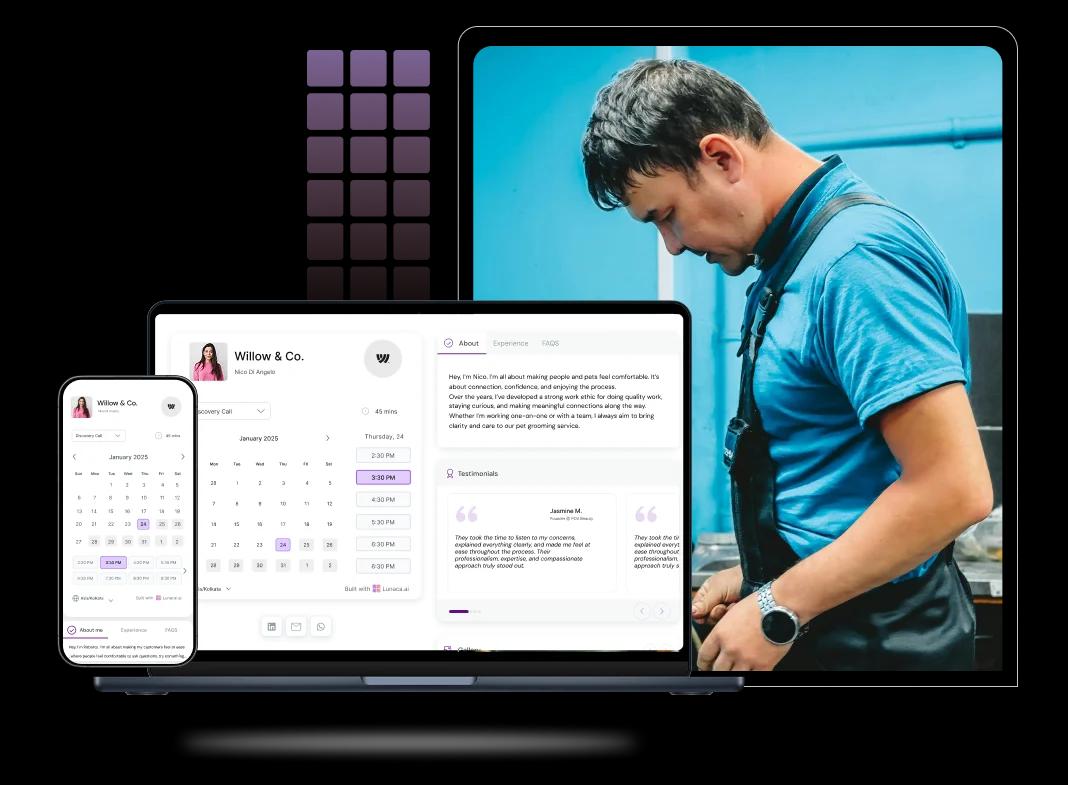
Booking features for urgent calls and estimates
Let customers book plumbing jobs without phone tag
Most plumbing calls happen when people are stressed, often after hours. Plumbing appointment booking should let them pick a time, choose “emergency” when needed, and get an instant confirmation so you don’t lose the job to the next plumber who replies faster.
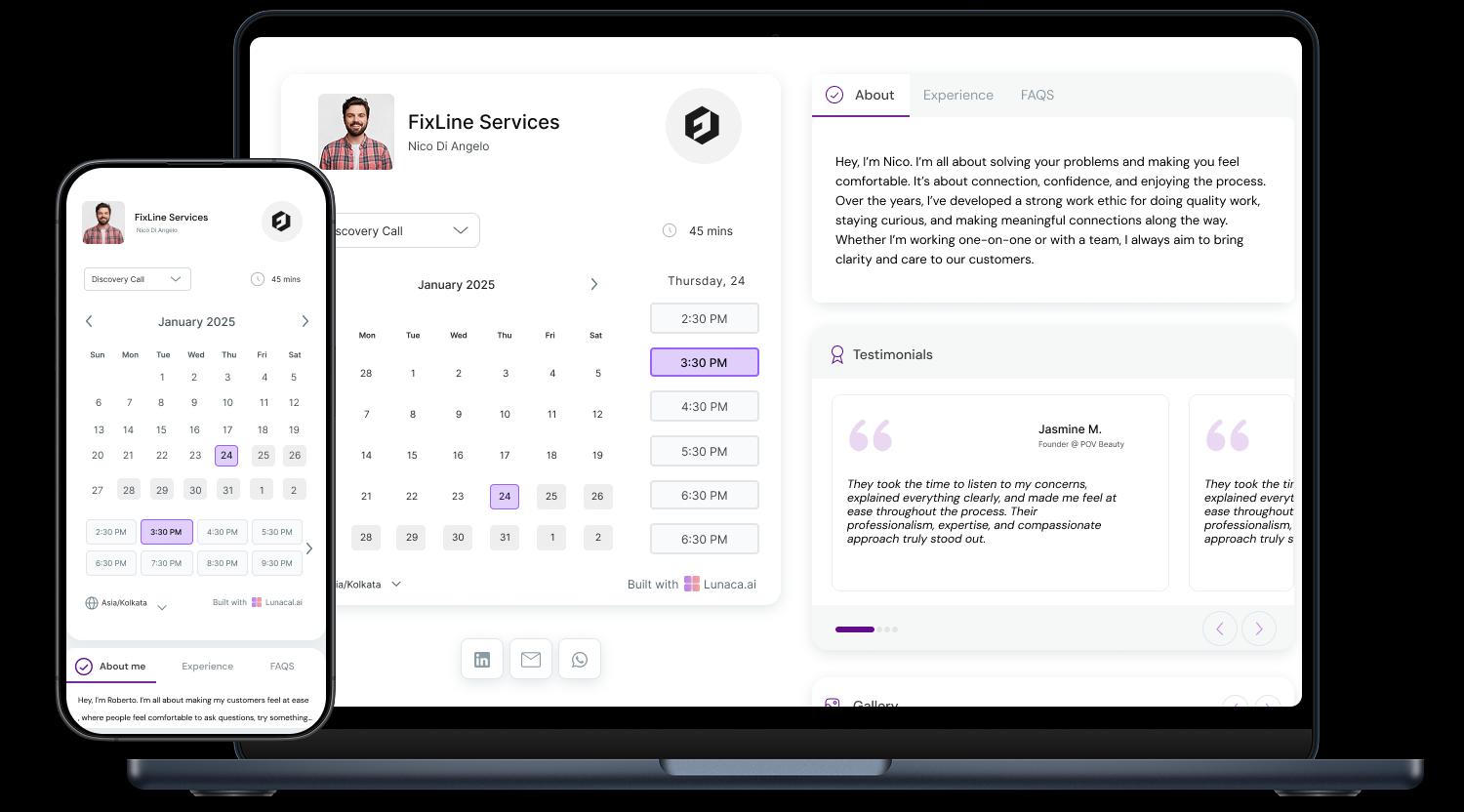
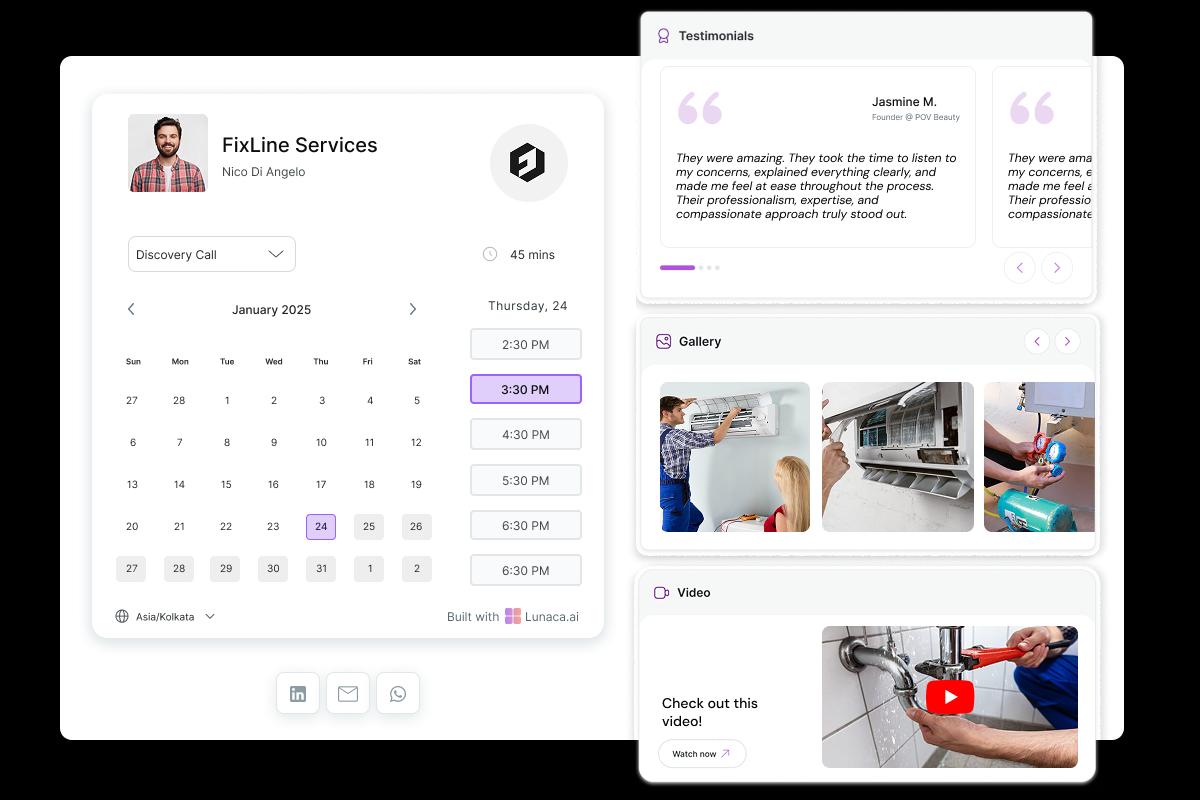
Show services, response times, and guarantees clearly
A plumbing booking page should answer the trust questions upfront: what you fix (leaks, clogs, heaters), whether you do same-day or emergency plumbing, service areas, and what’s included in a call-out. If customers can’t tell what you do in 10 seconds, they keep scrolling.
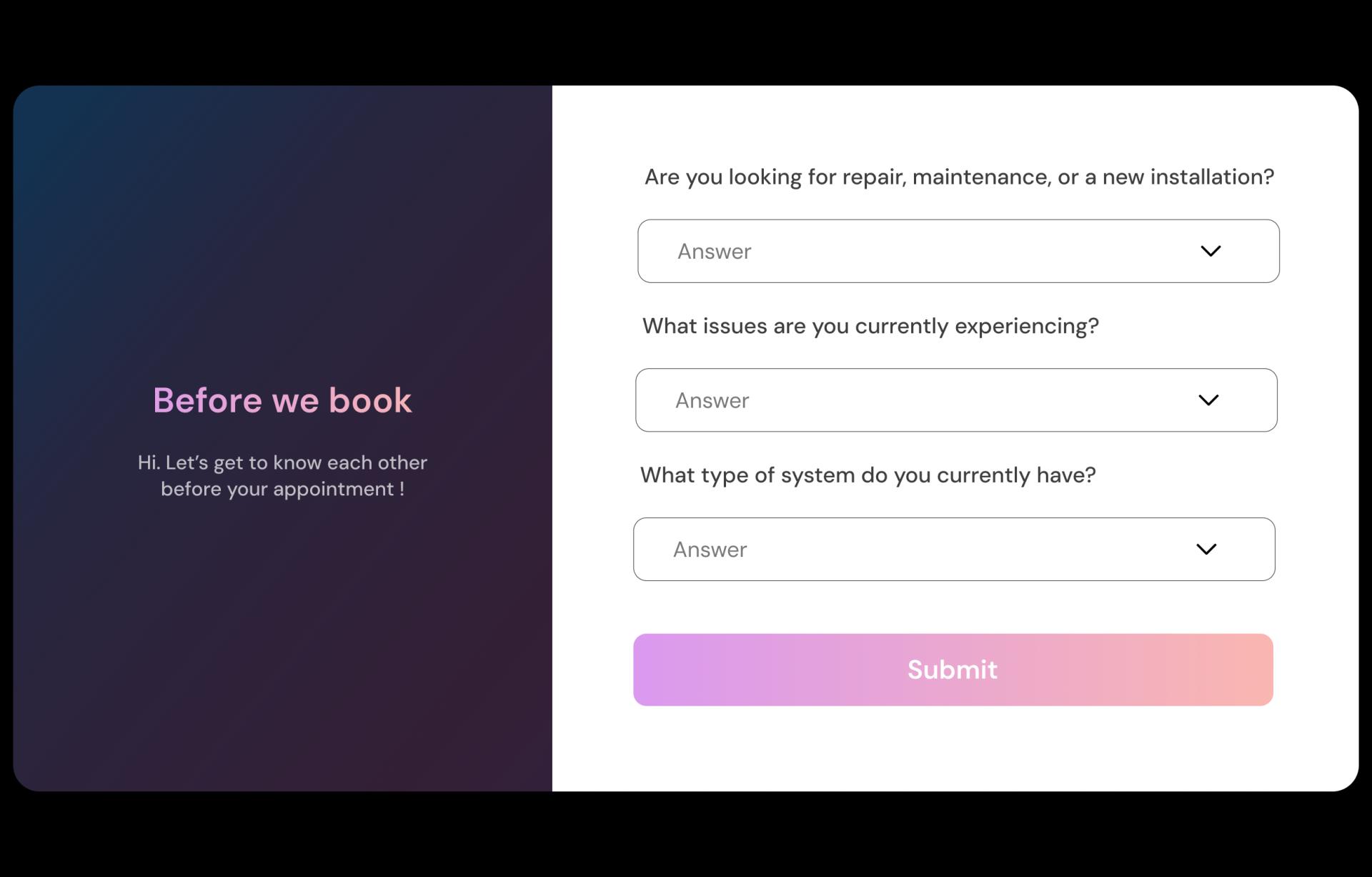
Collect the job details needed to quote and arrive prepared
Ask what’s wrong (clogged drain, no hot water, leaking pipe), where it is (kitchen sink, main line, bathroom), and urgency (active leak vs slow drip). Add a photo upload for under-sink cabinets or the water heater label. This reduces repeat visits and “I need to run to the store first” delays.
Reduce no-shows with arrival windows and prep notes
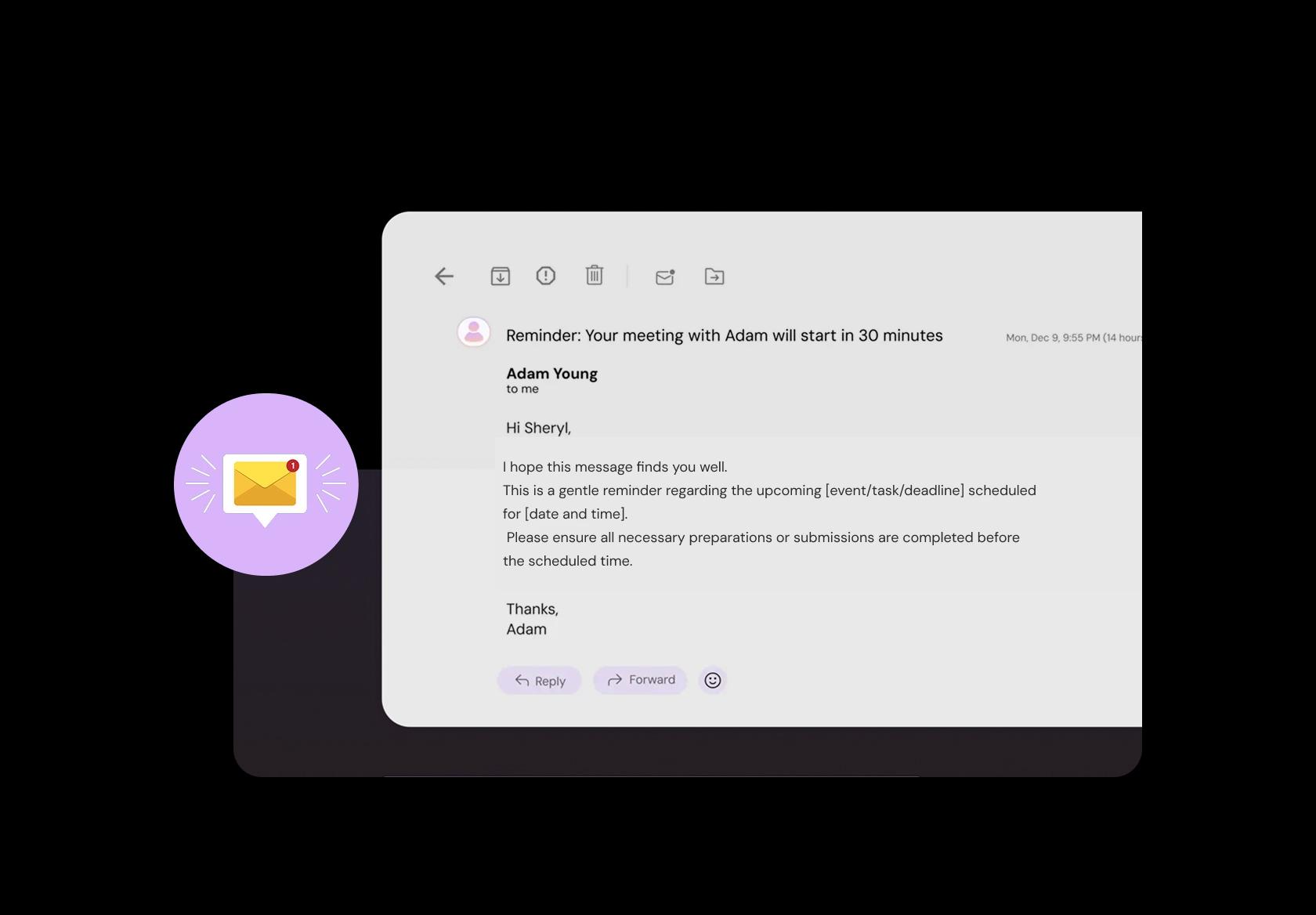
Reminders should include an arrival window, not a vague time, because jobs run over. Add quick prep instructions: clear the area under the sink, keep pets away, share gate codes, and confirm parking. For emergencies, send a “plumber en route” message so customers don’t call three times.
Take a call-out fee or deposit to stop time-wasters
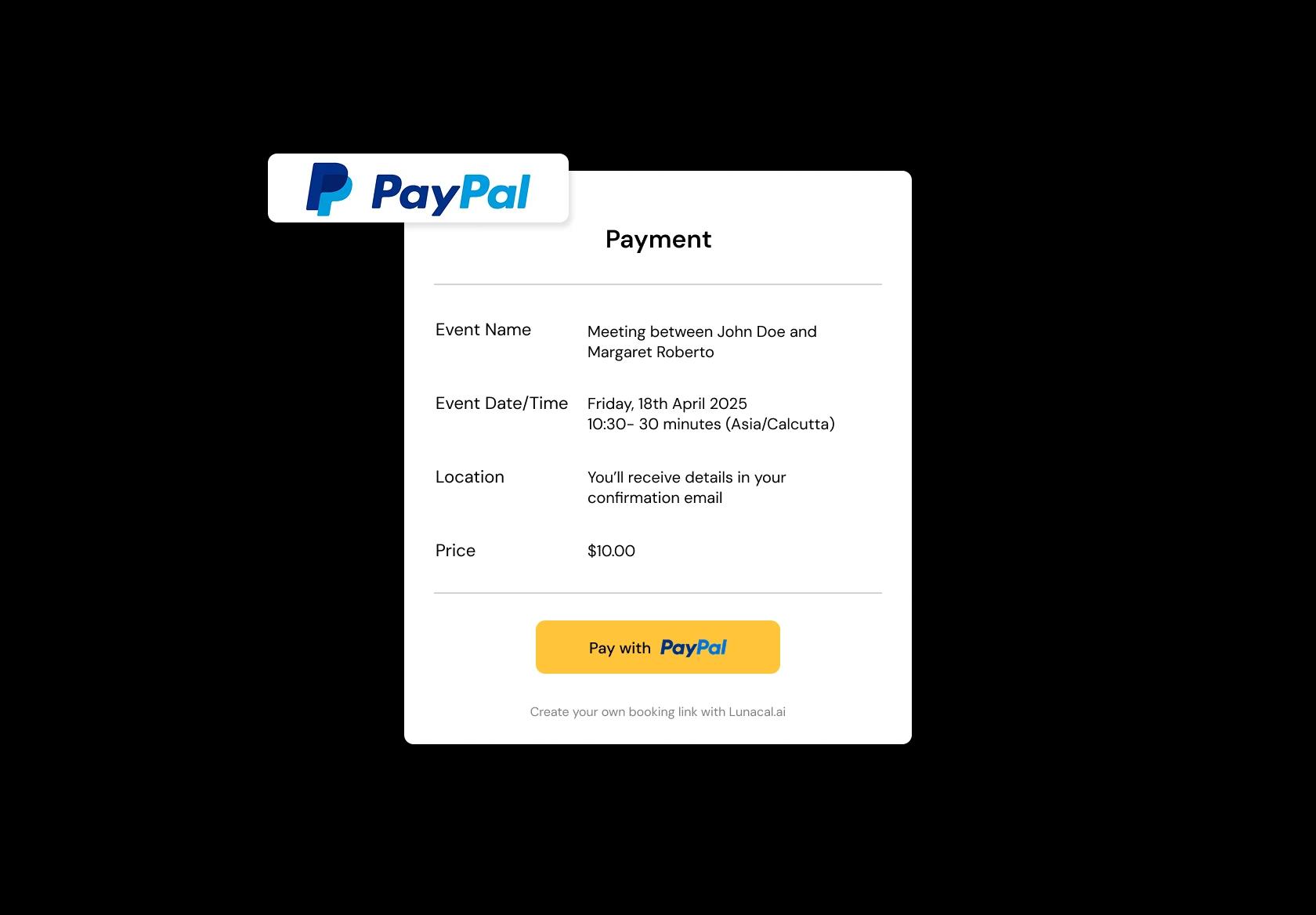
Plumbing scheduling software should support call-out fees, deposits, and full payment depending on the job type. It’s especially useful for weekend slots and emergency plumbing, where cancellations hurt. The confirmation should clearly state what the fee covers and how reschedules work.
Schedule by service area to cut travel and dead time
If you cover multiple neighborhoods or cities, group bookings by zone and dispatch the nearest plumber. Good plumbing job scheduling avoids sending someone across town for a 20-minute fix between two long jobs. Less windshield time means more completed jobs per day.
Define job types with realistic durations and buffers
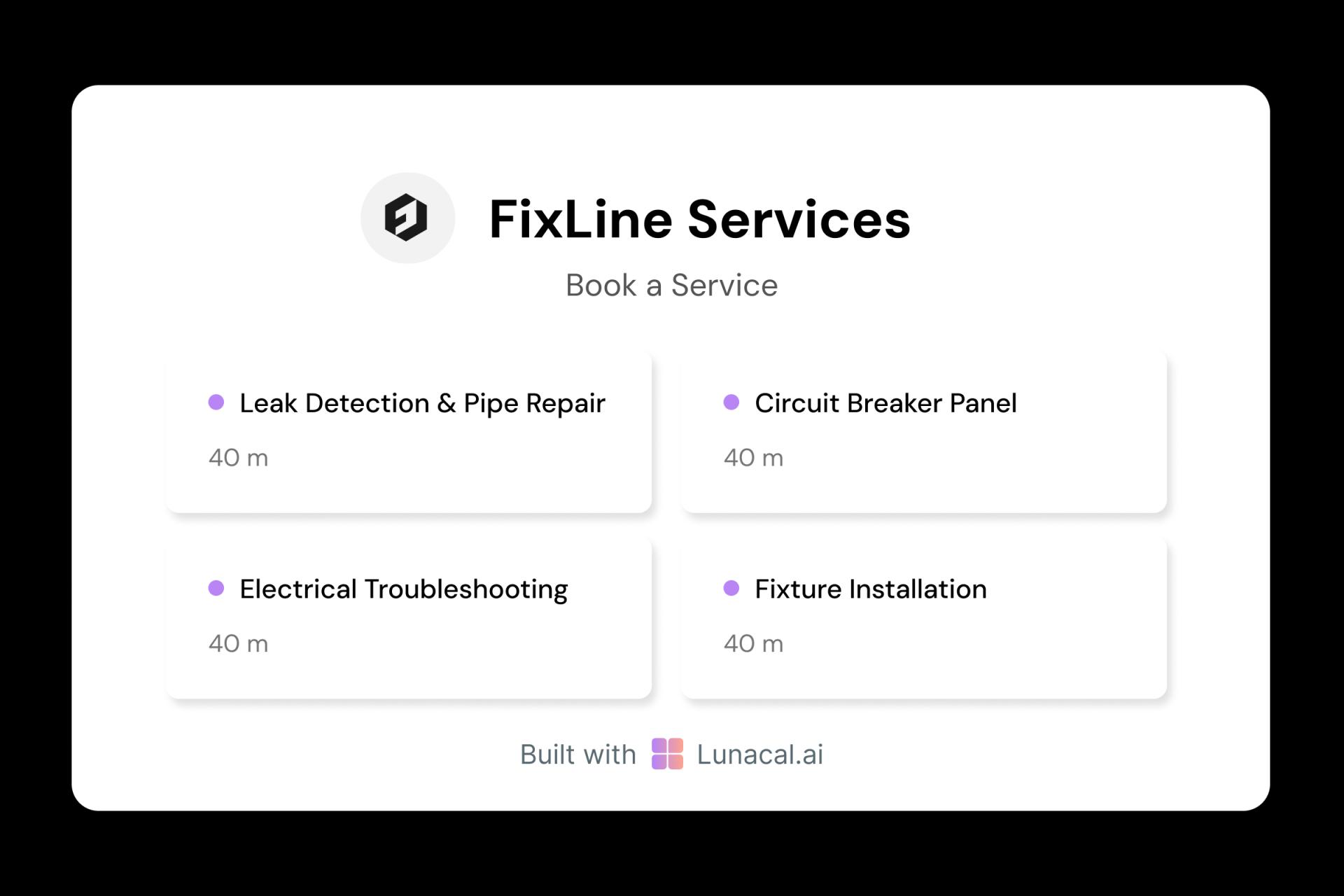
A drain snaking, a toilet install, and a water heater replacement are different beasts. Create service types with default durations, tool requirements, and buffers for cleanup and parts runs. This keeps your plumbing calendar scheduling realistic and prevents overbooking.
Auto-assign jobs across plumbers based on availability
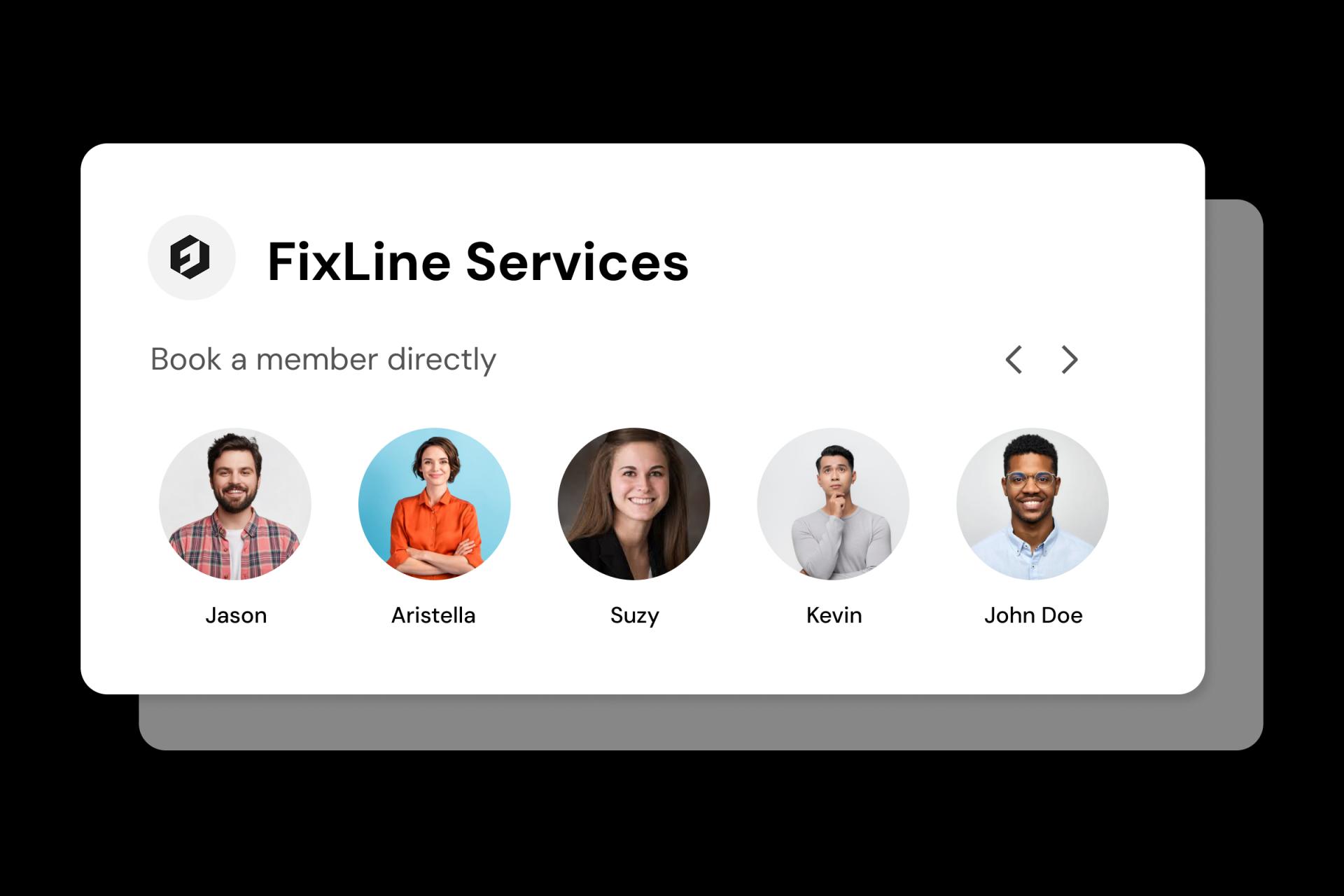
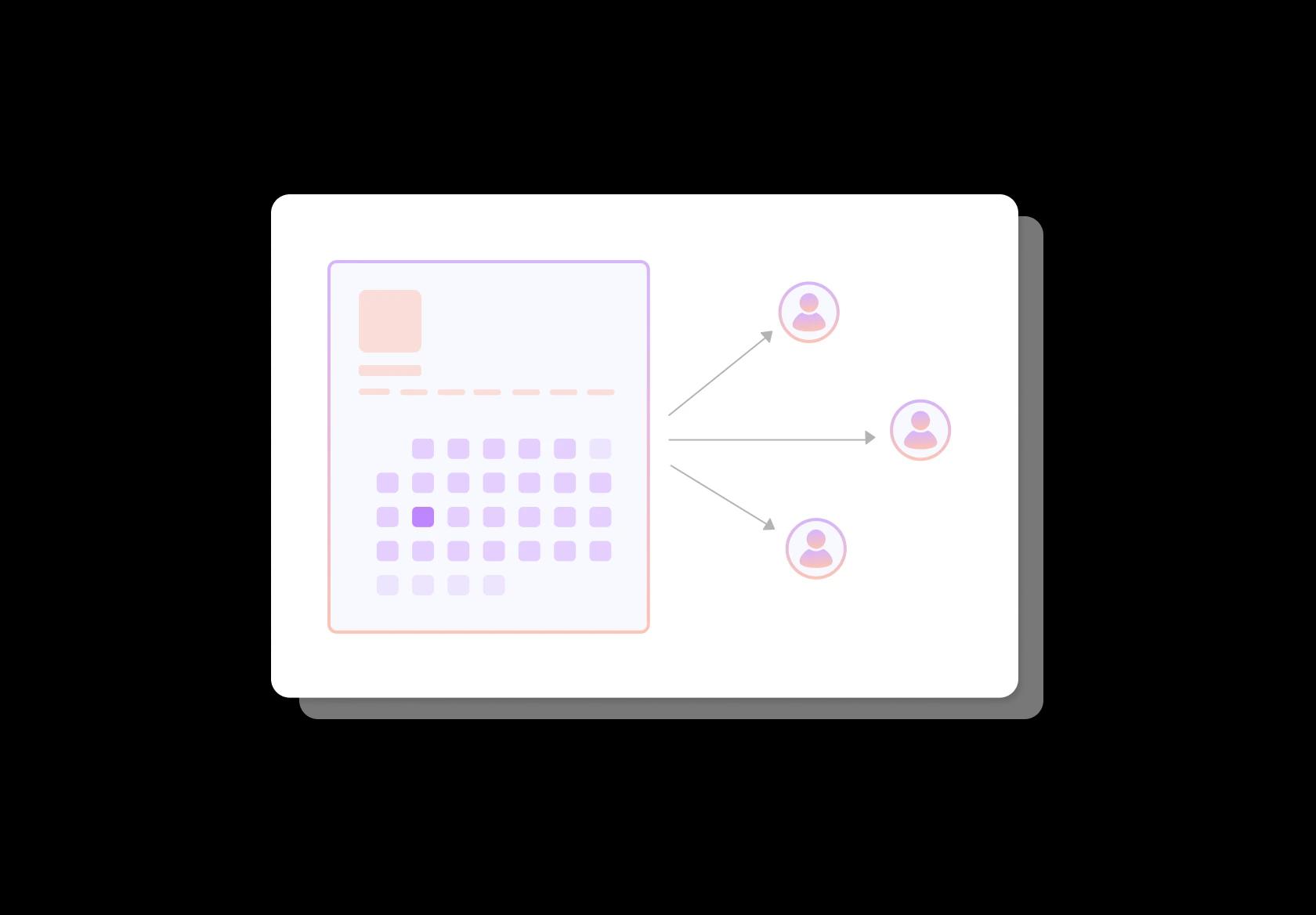
Round-robin is useful, but plumbing dispatch should also consider skills and licenses (gas work, heater installs) and who is in which zone today. The goal is simple: the right plumber gets the job fast, without you manually coordinating every booking.
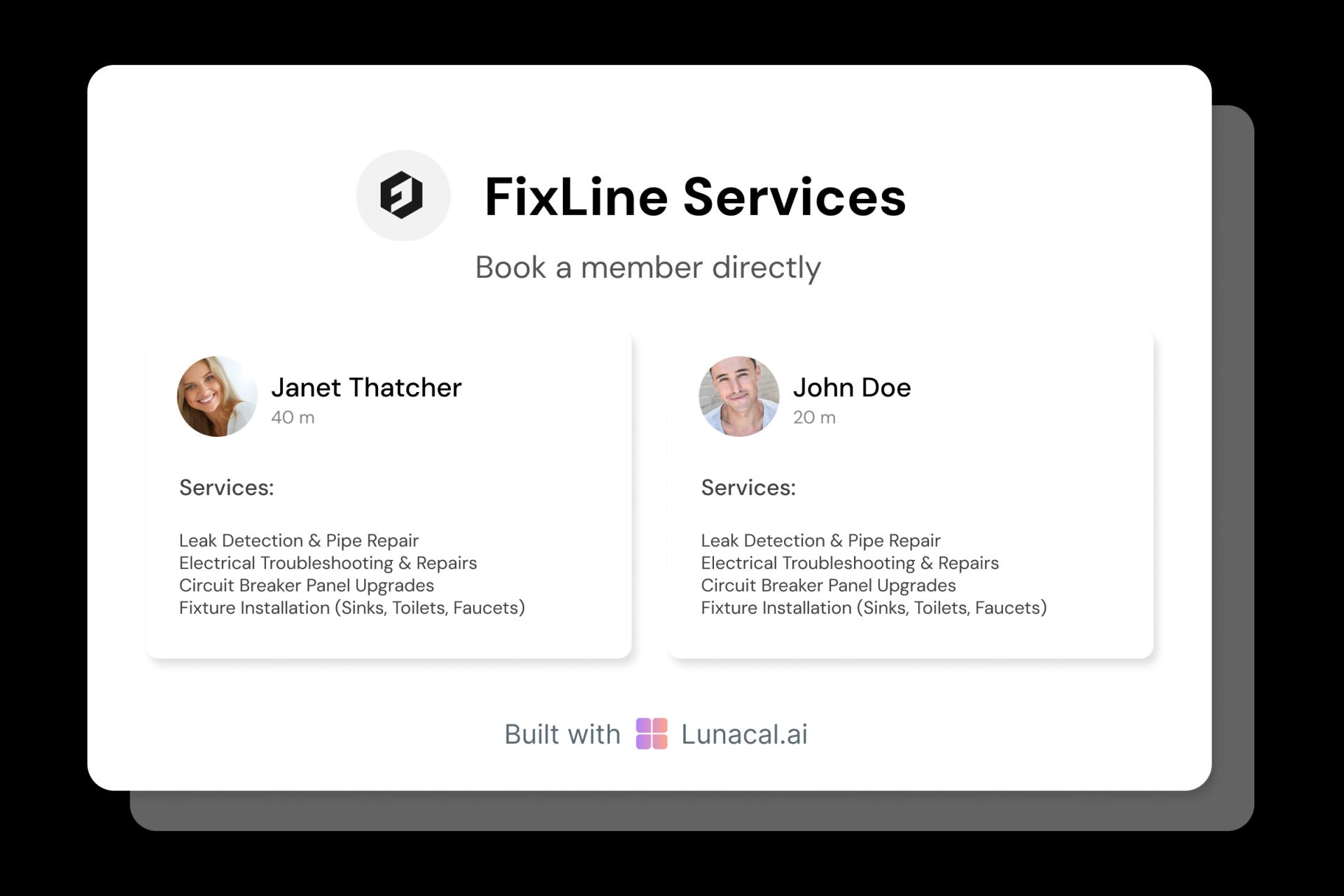
Build trust with name, photo, license, and job focus
People are letting someone into their home. A technician profile should show who’s arriving, what they’re qualified for, and what to expect at the door. Even a short “licensed plumber, 8 years, specializes in leak detection” reduces friction and cancellations.
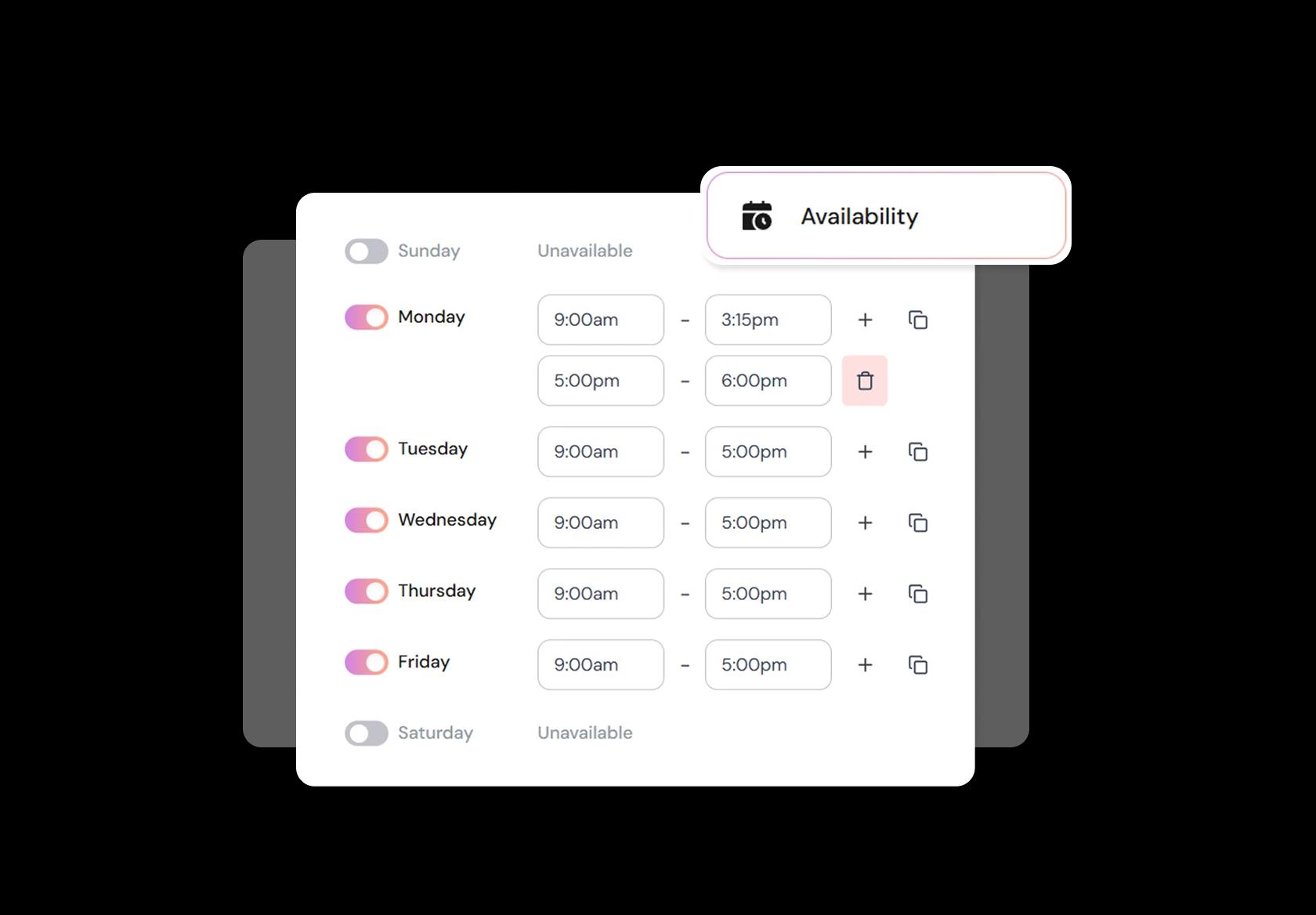
Stay flexible for emergency jobs and parts delays
Plumbing days aren’t predictable. You should be able to open emergency slots, block time for supply runs, and add buffers when you’re handling messy jobs. Strong appointment scheduling for plumbers makes these changes without breaking the rest of your day.
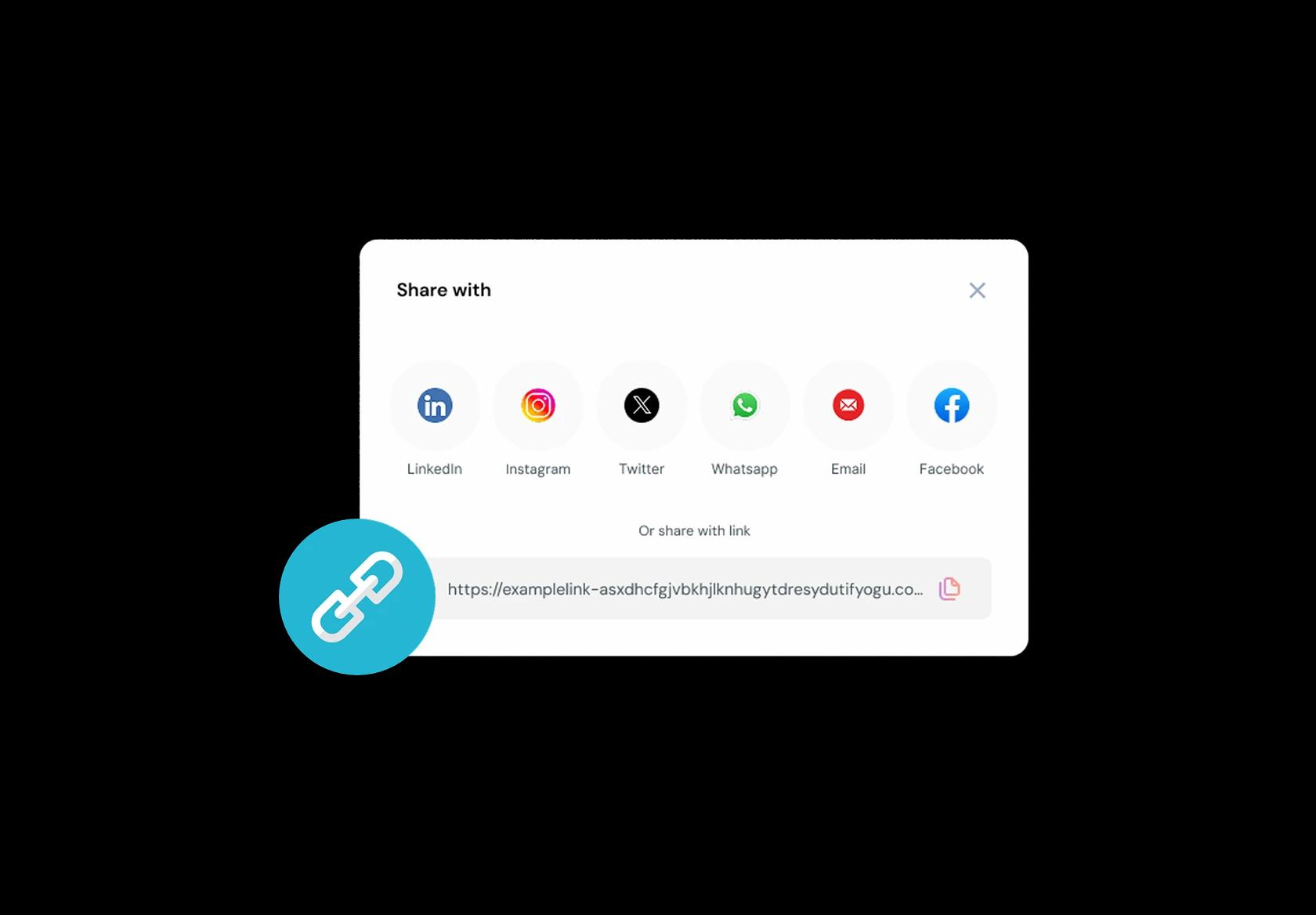
Put your booking link where customers already find you
Add the booking link to your Google Business Profile, website, invoices, and even a QR code on the van. When someone searches “plumber near me” or sees your truck, they should be able to book a slot in one step, not wait on hold.
No commission, No license fees.
Just simple, fair pricing
(save upto 20%)
Standard
- Unlimited Calendars & Services
- Connect Online Meeting Tool
- Payments via Stripe, PayPal
- Text / Email Reminders
- Customize your booking page
Teams
- All Standard Features
- Teams Scheduling
- Multi-session Packages
- Round-robin Scheduling
- Webhooks
Enterprise
- AI Voice Agent
- Account Manager
- Complete Branding
- MCP Server (Beta)
- SSO
Related scheduling apps

Plumbing Appointment Booking Playbook
This playbook is about one thing: turning plumbing scheduling from “random calls and chaos” into a predictable, dispatchable calendar.
Plumbing is not like a haircut. Jobs vary wildly, emergencies show up uninvited, and travel time is real. So your plumbing scheduling software has to capture the right info up front, schedule in sane time windows, and route work to the right tech.
1) Start with a service list that matches how plumbing work is actually sold
Most plumbing booking systems fail because the service menu is either too vague (“Plumbing”) or too granular (50 tiny services nobody understands). Build a menu that helps the customer pick the right bucket without guessing.
- Use “problem-first” categories: leak, blocked drain, toilet issue, water heater, low pressure, smell, installation, inspection.
- Create two levels: Diagnosis / Call-out (unknown issue) and Known job (customer knows what they want installed/replaced).
- Add a simple “Emergency / Not emergency” choice, but don’t let emergencies book into normal slots automatically.
2) Make the booking form do the triage a dispatcher would do
Your form should reduce back-and-forth. The goal is to collect enough detail to estimate duration, parts risk, and whether this needs a specialist.
- Issue details: “What’s happening?” + “When did it start?” + “Is water currently running/leaking?”
- Location + access: apartment vs house, floor number, parking constraints, gate codes, “can we shut off the main?”
- Photos/video: optional upload for leaks, under-sink setups, water heater label plate, visible pipe damage.
- Safety flags: suspected gas smell, electrical near water, sewage backup (these change urgency and prep).
- Job type: repair vs replacement vs install, and whether parts were already purchased.
3) Stop booking exact times for field work; use arrival windows
Exact appointment times look nice on a calendar, but plumbing is a field operation. One stuck valve can blow up your whole day. Arrival windows create trust without lying.
- Offer time windows like 9–11, 11–1, 2–4, 4–6 instead of “10:30 AM sharp.”
- Keep a built-in buffer between windows for travel, parking, and job overrun.
- If you do same-day service, cap same-day slots to what your team can realistically reach.
4) Duration rules: use “visit types,” not one fixed meeting length
Plumbing scheduling software works best when you define a few visit types that match reality, then route jobs into them.
- Quick fix (30–60 min): minor leaks, toilet fill valve, basic clog.
- Standard repair (60–120 min): drain line work, trap replacement, fixture replacement.
- Install/replace (120–240 min): water heater, pump, major fixture installs.
- Diagnosis/call-out (45–90 min): “not sure what’s wrong” jobs that need inspection first.
5) Dispatch rules: book the right plumber, not just “a slot”
Customers don’t care about your internal schedule. They care that the right person shows up with the right tools. Your booking rules should reflect that.
- Match jobs to skills: gas-related work, water heaters, jetting, commercial sites, high-rise access.
- Use service zones so you’re not crisscrossing the city all day.
- Limit overbooking by tech capacity: one tech should not be “available” for two distant jobs in the same window.
6) Emergency handling: separate the emergency queue from the normal calendar
If your system treats emergencies like normal bookings, you’ll either disappoint emergency customers or destroy the rest of the day.
- Create an Emergency Request flow that collects details and triggers a fast confirmation (“We’re reviewing and will call/text in X minutes”).
- Keep a small “floating capacity” block each day for true urgencies.
- Define what counts as emergency (active leak, no water, sewage backup) so clients don’t self-label everything as urgent.
7) Confirmations and reminders: reduce no-shows without annoying people
Plumbing no-shows are expensive because you lose travel time and a window you can’t refill. Keep messages short, practical, and location-focused.
- Instant confirmation: service type, arrival window, address, and what to prepare (clear under-sink area, shut-off access).
- Day-before reminder: confirm access details, parking, gate codes, and a contact number that will be reachable.
- Pre-arrival message: “Technician is on the way” with a short ETA range.
8) Quote-first vs diagnose-first: make the commercial model explicit
Globally, plumbing businesses run one of two models. Your booking page should make yours clear so clients don’t feel surprised.
- Diagnose-first: charge a call-out/diagnosis fee, then provide options and pricing after inspection.
- Fixed-price menu: offer fixed pricing for common jobs (unclog, replace faucet) and quote the rest.
- Put the policy on the booking step, not after the tech arrives.
9) Payment and paperwork: remove friction, not trust
Payments aren’t just about collecting money. They’re about reducing end-of-job awkwardness and getting the next job scheduled sooner.
- Offer card payment links for invoices (especially useful when the person paying is not at the site).
- Use deposits only for large installs or reserved long windows, not for every small repair.
- Capture billing details separately when needed (commercial sites often require PO/invoice info).
10) Follow-up: turn a one-time job into repeat work
Plumbing is recurring: maintenance, descaling, inspections, seasonal checks. Your scheduling flow should support that relationship.
- After-job message: what was fixed, what to watch for, and how to reach you if it returns.
- Offer a simple rebook link for “same issue again” so repeat calls don’t start from scratch.
- Ask for a review only after you confirm the job is resolved (reduces angry review risk).
Copy-paste snippets for your plumbing booking page
- Arrival window note: “We schedule arrival windows because job times vary. We’ll message you when your plumber is on the way.”
- Access prep note: “Please ensure access to the affected area and the main shut-off. If there are gate codes or parking rules, add them in the notes.”
- Diagnosis fee note: “For unknown issues, we start with a diagnosis visit and share repair options after inspection.”
- Emergency routing note: “If water is actively leaking, sewage is backing up, or you smell gas, mark it as urgent so we can respond faster.”
Authored & Reviewed by:
Pranshu Kacholia is the founder of Lunacal.ai, a calendar scheduling and appointment booking system. He works directly with businesses of all sizes to improve booking outcomes - reducing no-shows, cutting back-and-forth, and making scheduling more reliable and efficient. His day-to-day includes reviewing real scheduling setups and edge cases: complex availability and buffers, time zones, routing, cancellation/rescheduling rules, paid meetings and deposits, reminder workflows, and integrations with calendars and meeting tools. He regularly shares appointment scheduling best practices through interviews and community conversations (see this interview and this discussion) and also writes about calendar scheduling (read the article on Medium). He has first-hand experience of using 40+ scheduling tools such as calendly, acuity scheduling, vagaro, fresha, tidycal, square, setmore etc. and understands product nuances deeply.
Lunacal.aiCalendlyAcuity SchedulingSquare AppointmentsSetmoreDoodleBooksyMindbodyFreshaSimplyBook.meHoneyBook


