Scheduling Software For Law Firms
Intake-led booking with matter routing, conflict-check questions, secure file uploads, buffer rules, paid consults, & automated reminders.
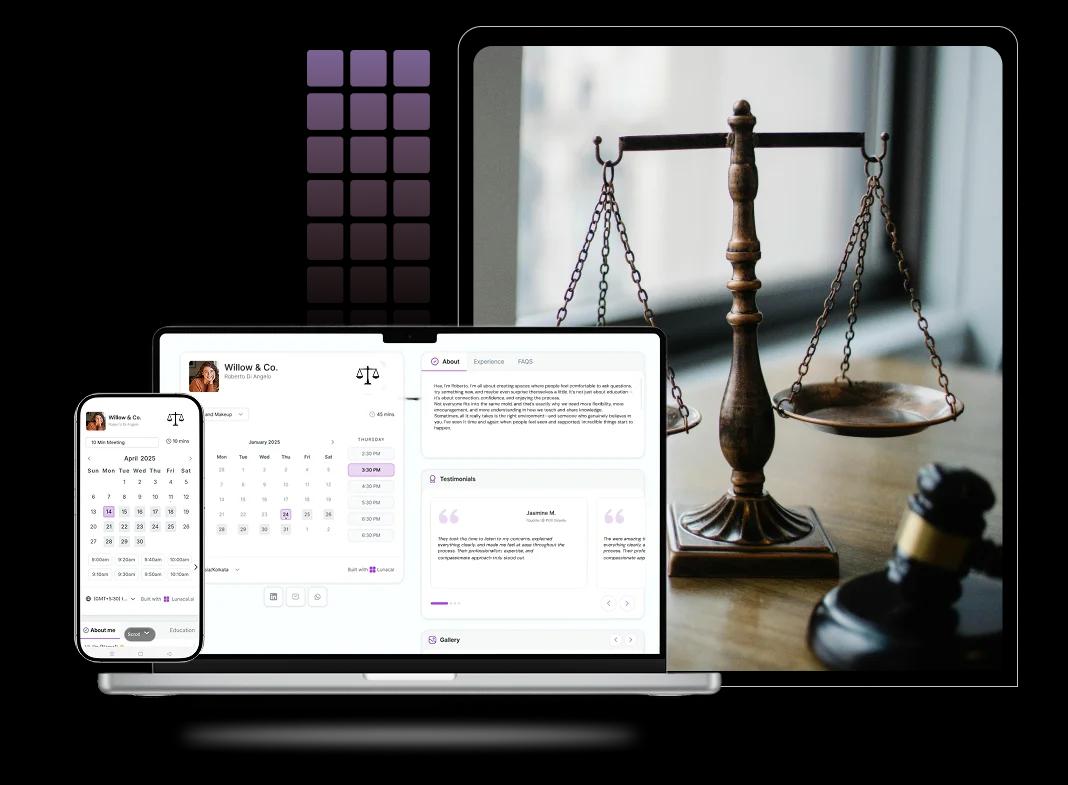
Key Features Legal Service Firms Need
Clients book legal consultations without back-and-forth
Legal matters often come with urgency. A good legal appointment scheduling flow confirms the time instantly, shows the correct time zone, and sends a calendar invite. That one step cuts the “3 emails later” chaos and makes your availability feel reliable from the first click.
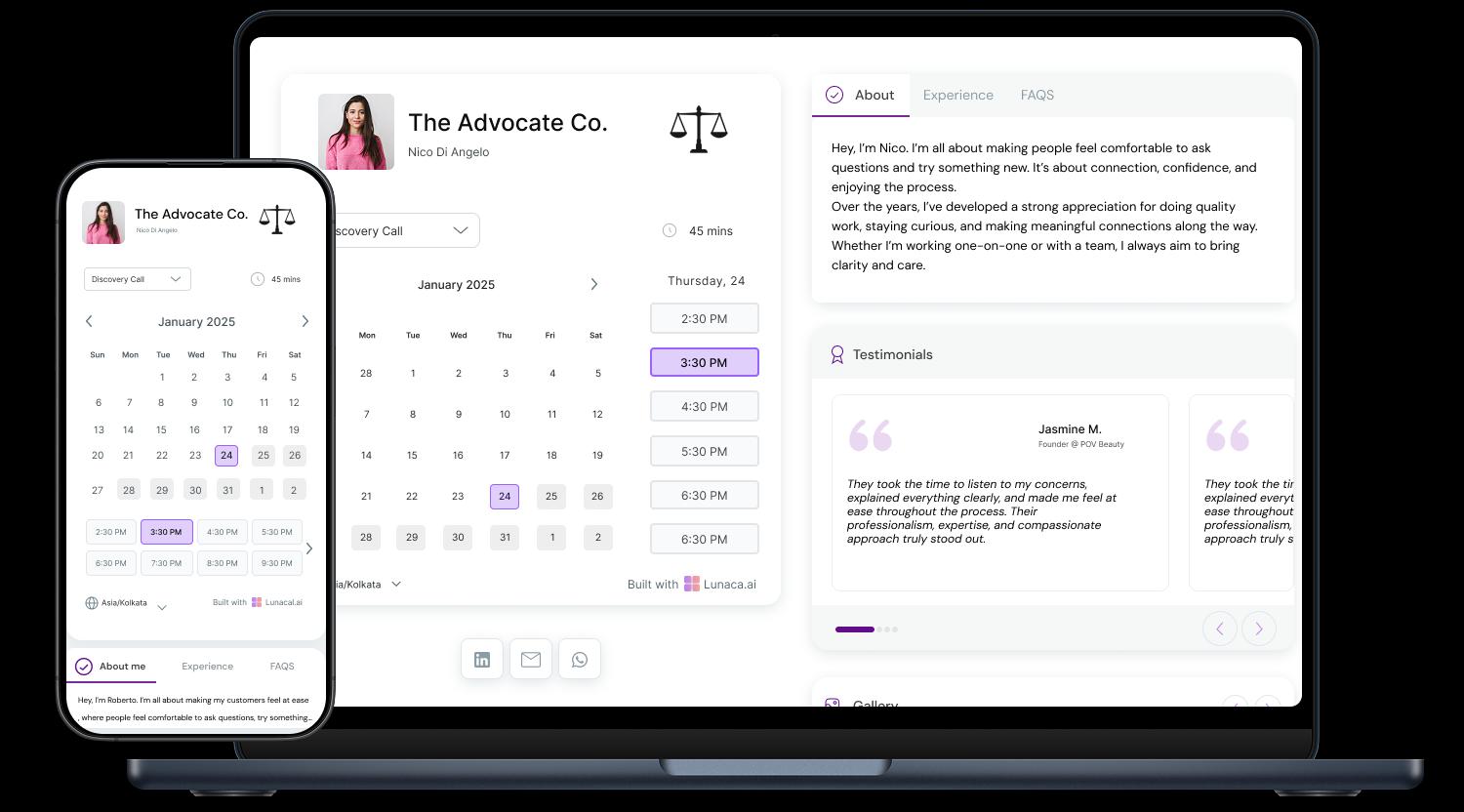
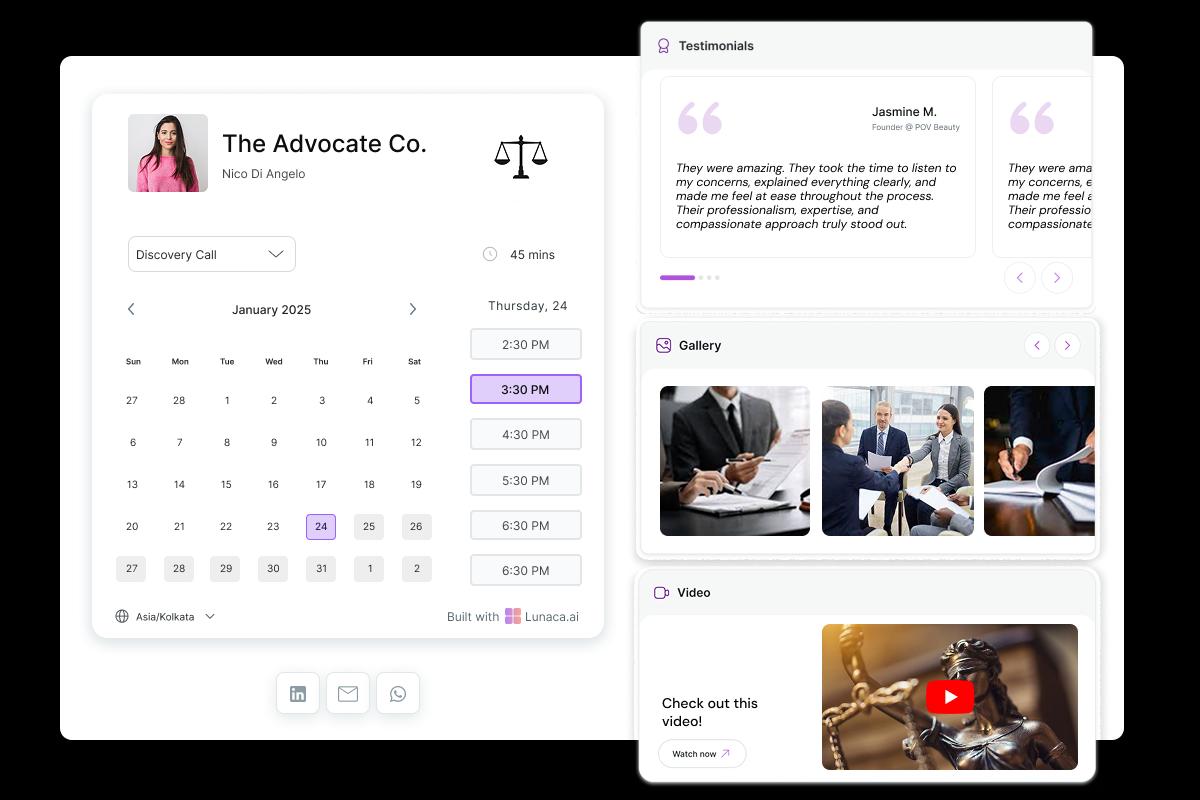
Show practice areas, credibility, and what happens next
Most clients are nervous and don’t know what to expect. Use the booking page to list practice areas (family, immigration, real estate, corporate), add a few testimonials, and set expectations like “consultation is informational and not legal advice.” It builds trust without turning the page into a brochure.
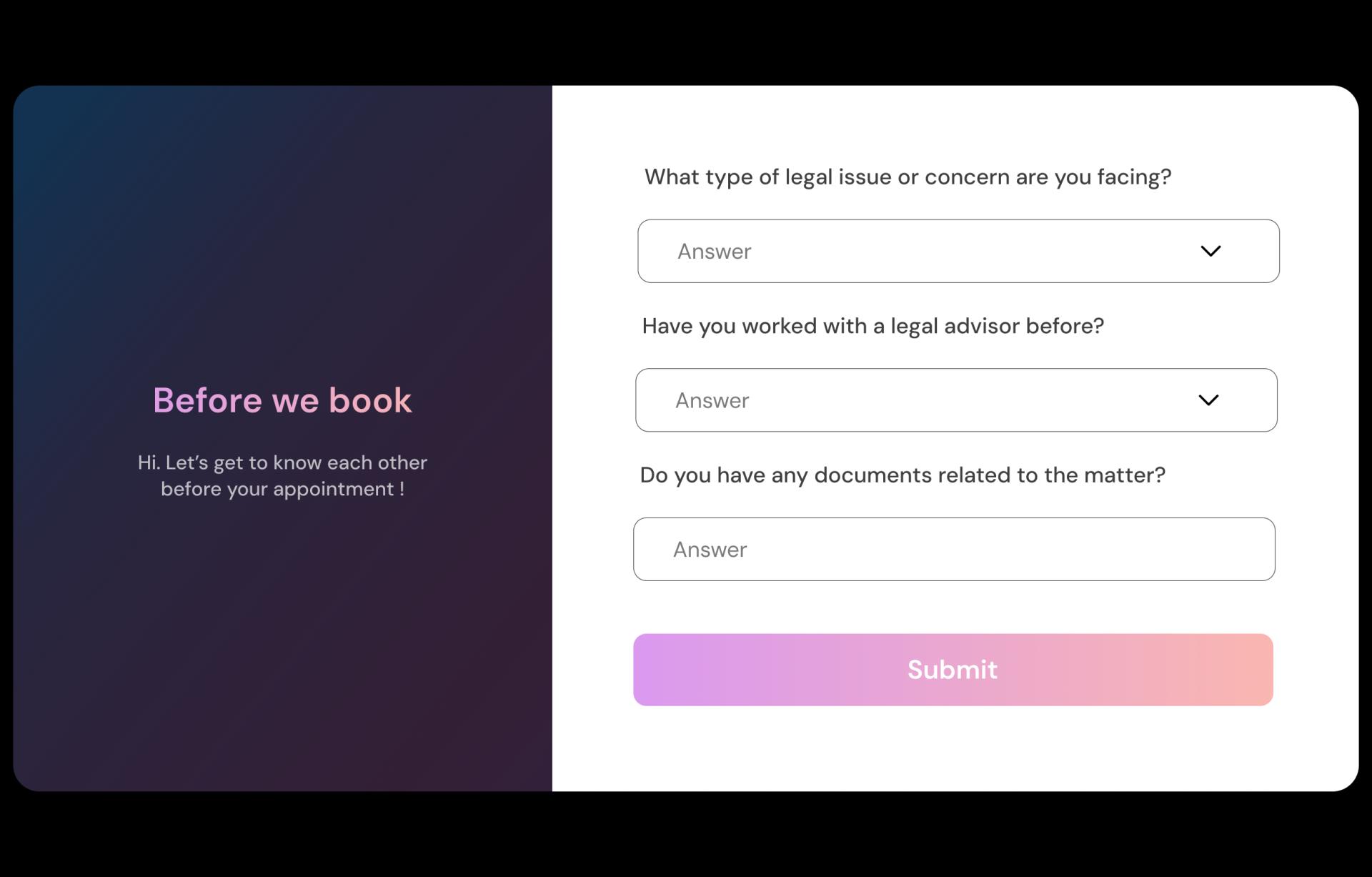
Collect case context so the consult starts on minute one
Intake is where law firms lose billable time. Ask for a short summary, location/jurisdiction, deadlines, preferred contact method, and key documents (notice, contract, FIR, lease, etc.). You walk into the consultation prepared, and clients feel heard because you’re not starting from zero.
Reduce no-shows with clear instructions and confirmation
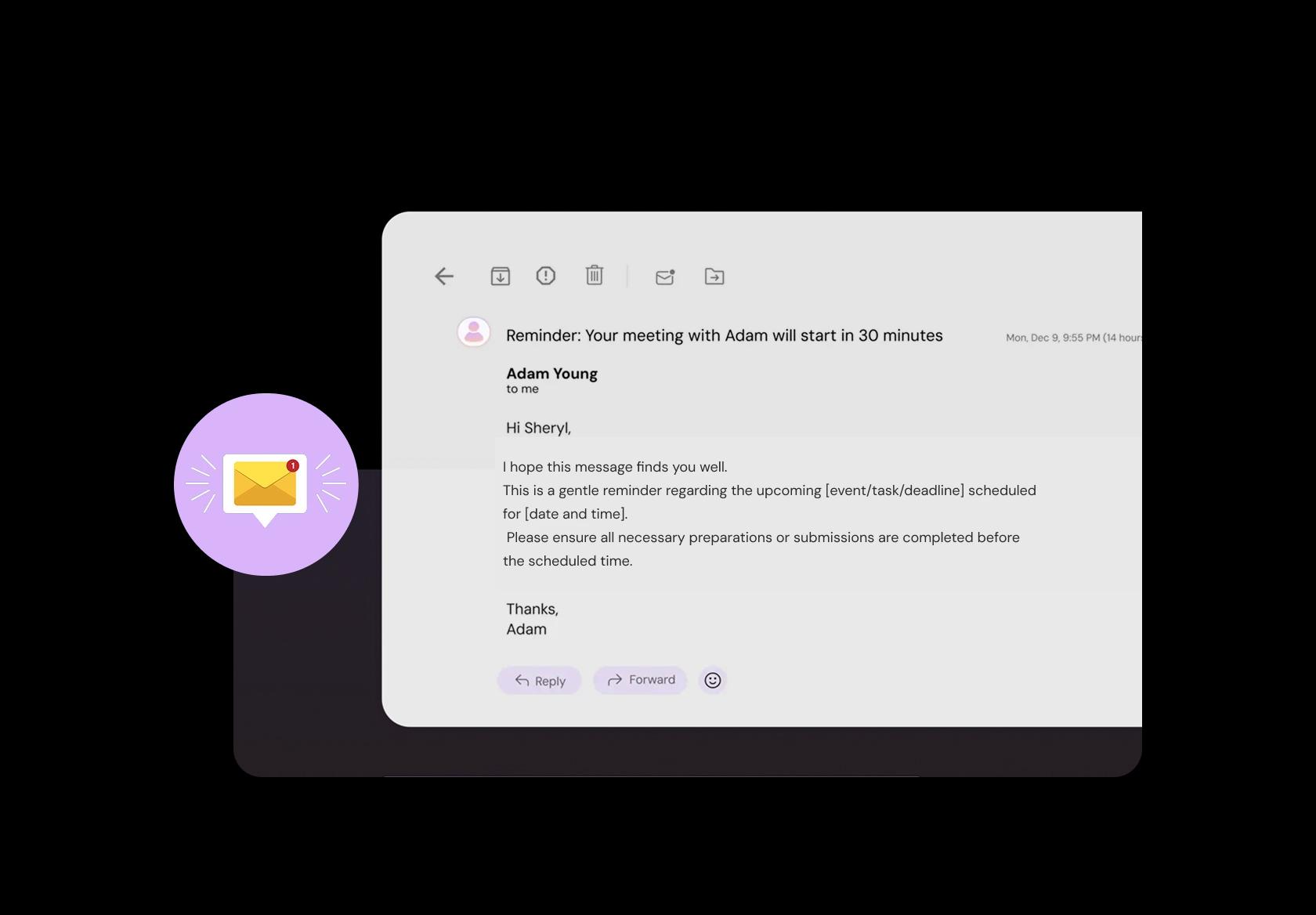
No-shows happen when clients are stressed or confused. Send reminders that include the address or video link, what to bring, and a one-click confirm or reschedule option. After the consult, send a short follow-up: next steps, documents needed, and how fees or retainer work. It prevents misunderstandings before they spiral.
Charge consult fees or collect retainers before the meeting
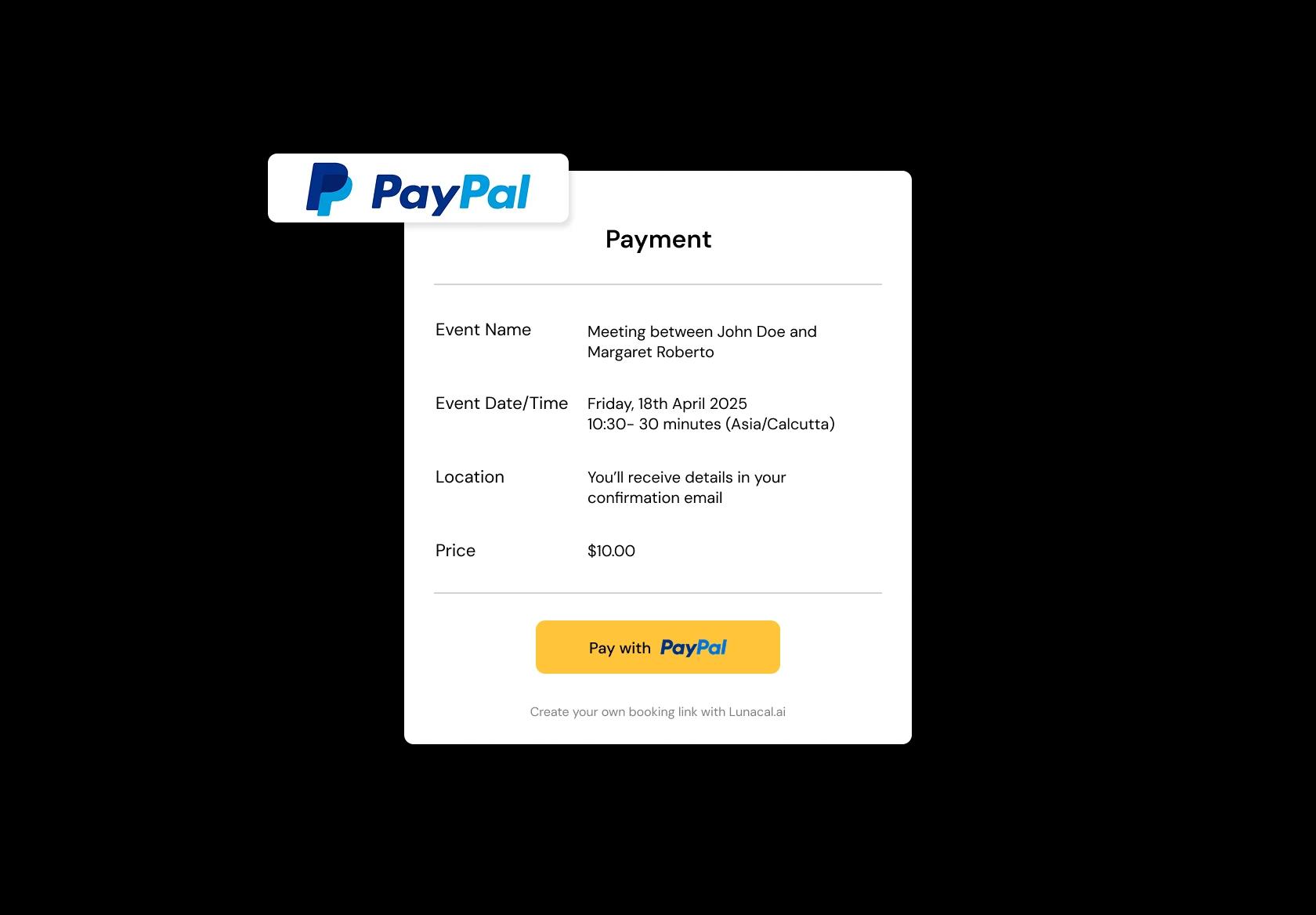
If you charge for consultations, take payment during booking so the appointment is real. If you take retainers, collect an initial amount or deposit with a clear note about what it covers. This reduces last-minute cancellations and stops your team from chasing payments over calls and texts.
Manage multiple offices, lawyers, and departments cleanly
Multi-office law firm scheduling gets messy fast. Set different locations for each office, add travel buffers for court visits, and keep departmental calendars separate (intake vs associates vs partners). Admins can see the full picture without manually cross-checking five calendars every time a hearing moves.
Different consult types with different lengths and rules
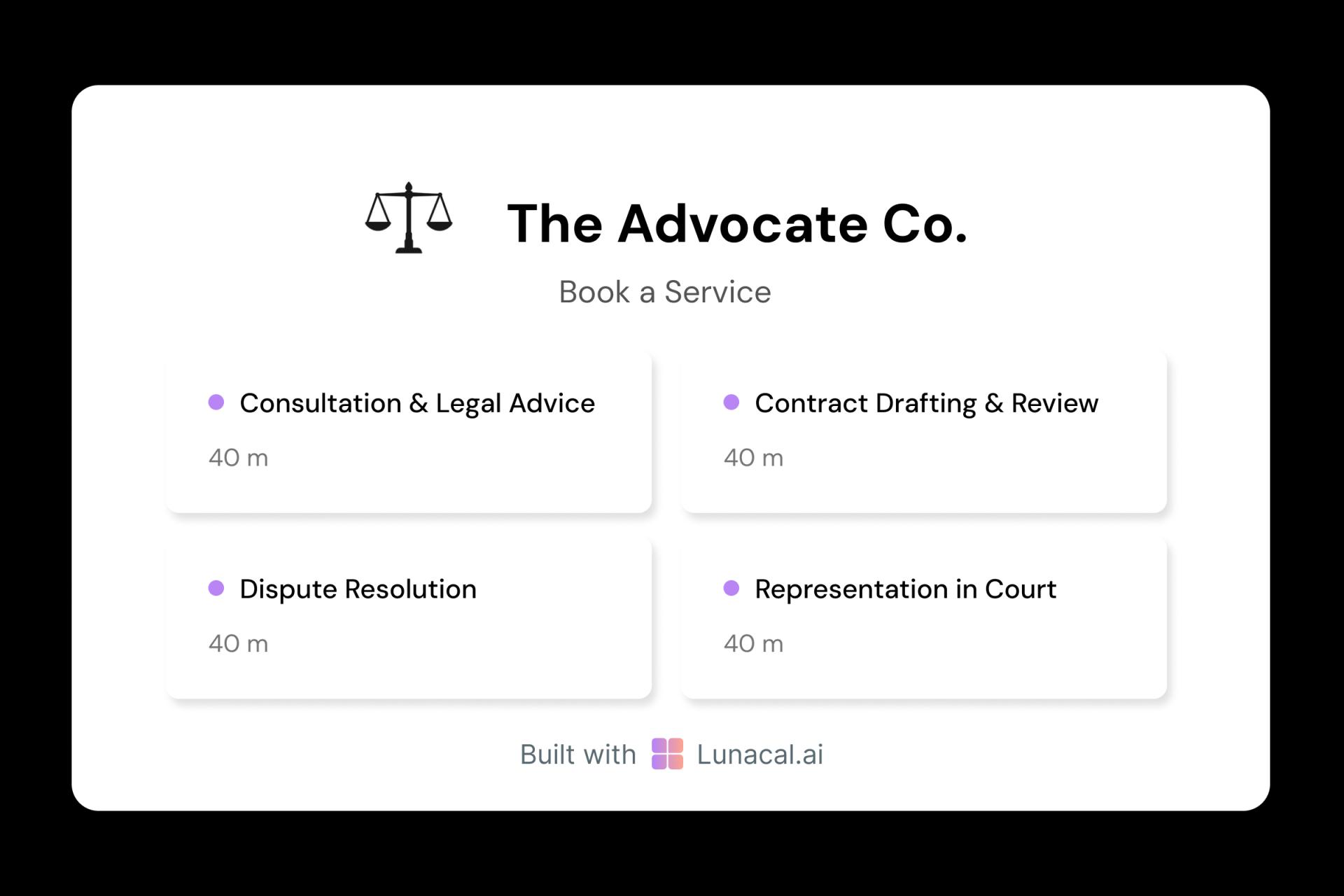
A 15-minute “do I have a case?” call is not the same as a 90-minute estate planning session. Create separate services by case type, duration, and urgency. Add buffers for note-taking, conflicts checks, and document review so your day doesn’t turn into back-to-back fires.
Route new inquiries to the next available staff member
For new leads, round-robin booking assigns consults to whoever is next in line, based on availability. That keeps intake balanced and response times fast. It’s especially useful when one partner is in court and another has gaps you can fill.
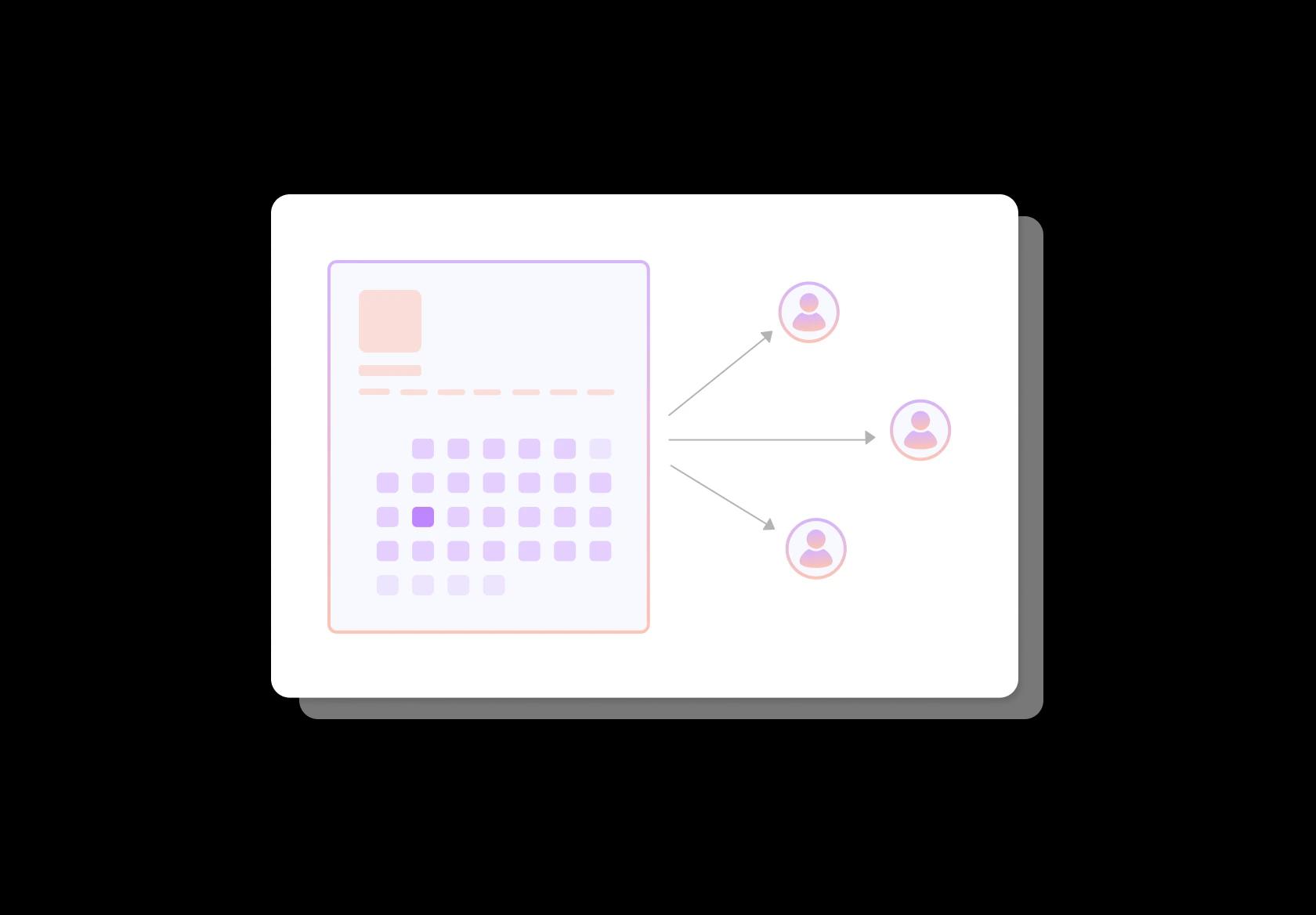
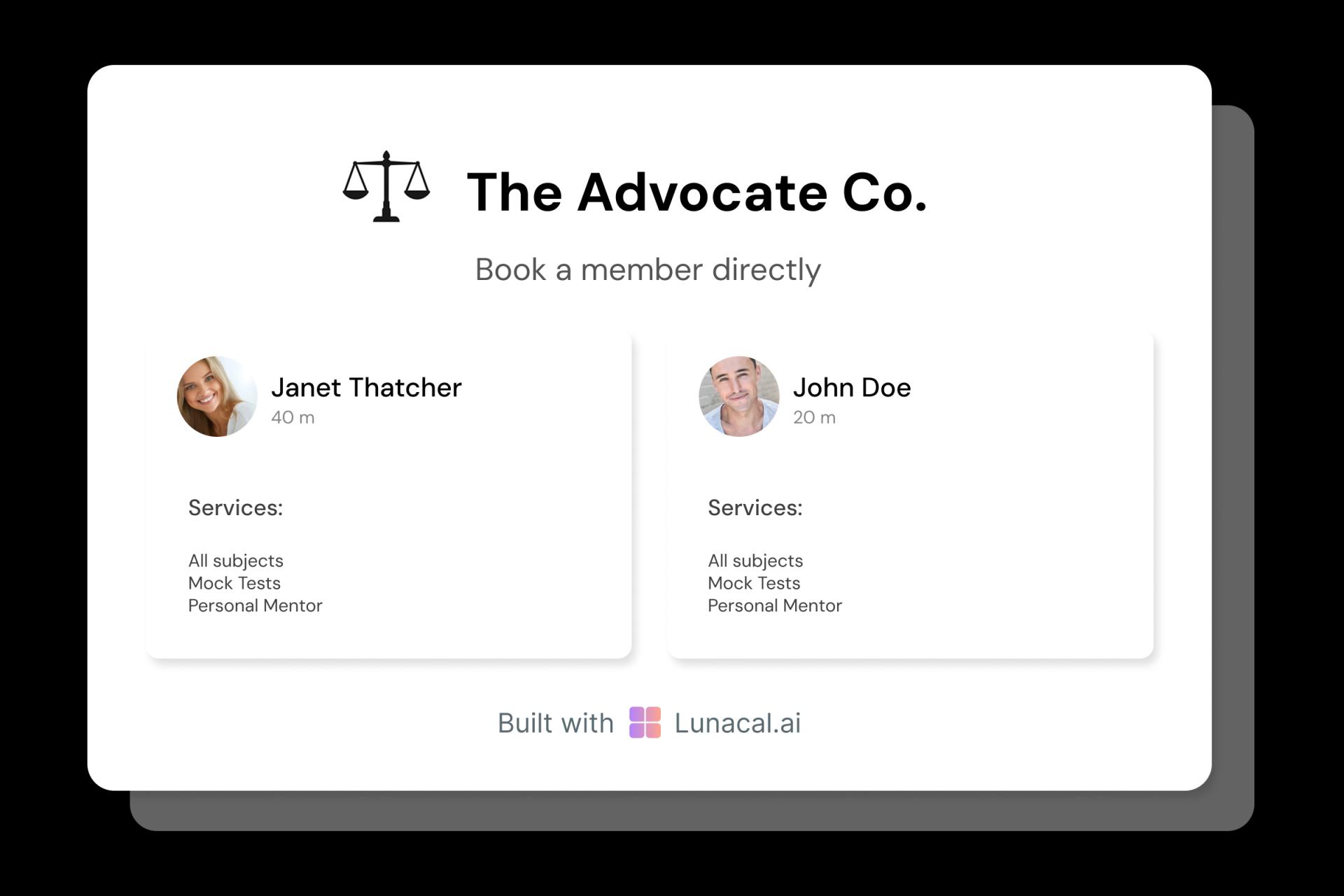
Let clients choose the right attorney with fewer mismatches
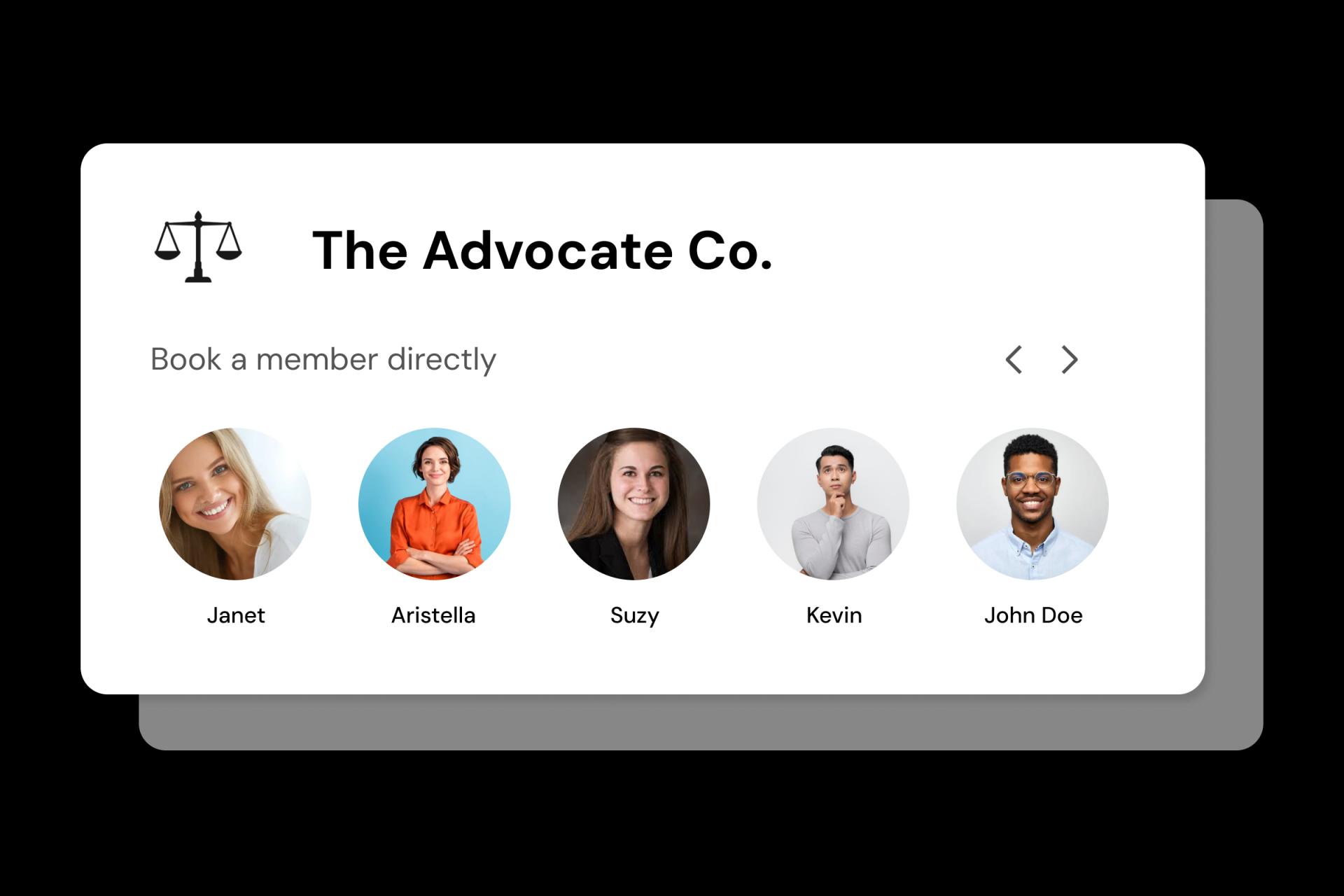
Clients want confidence in who they’re meeting. Show each attorney’s practice focus, years of experience, languages spoken, typical case types, and the kind of clients they work with. Better matching leads to better consultations, fewer “wrong person” calls, and smoother handoffs inside the firm.
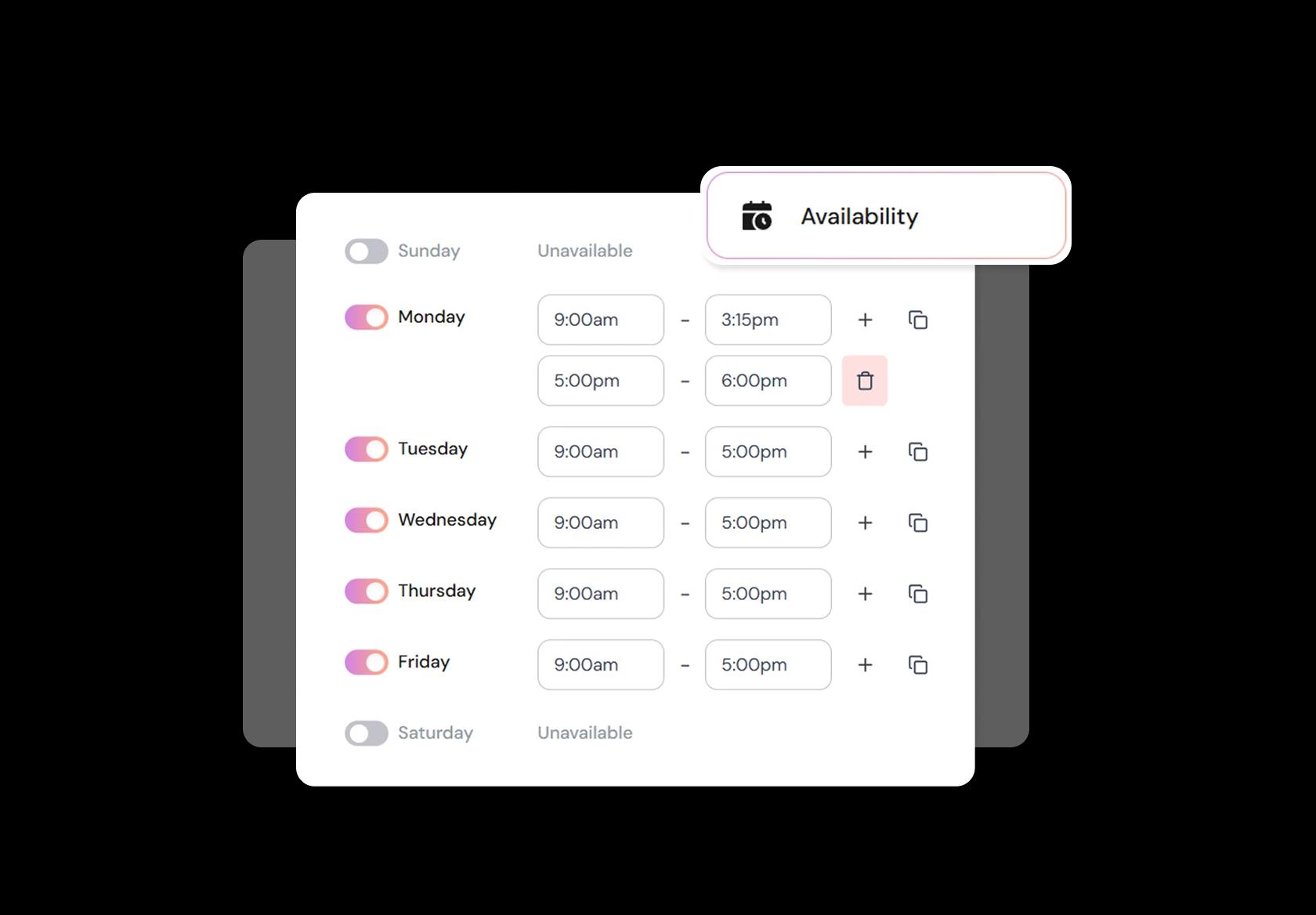
Adjust quickly for hearings, deadlines, and court travel
Legal schedules change without warning. Hearings shift, filings get urgent, and travel eats hours. Custom availability lets you block court dates, set minimum notice, and add buffers so a “quick consult” doesn’t land right before you’re due in court.
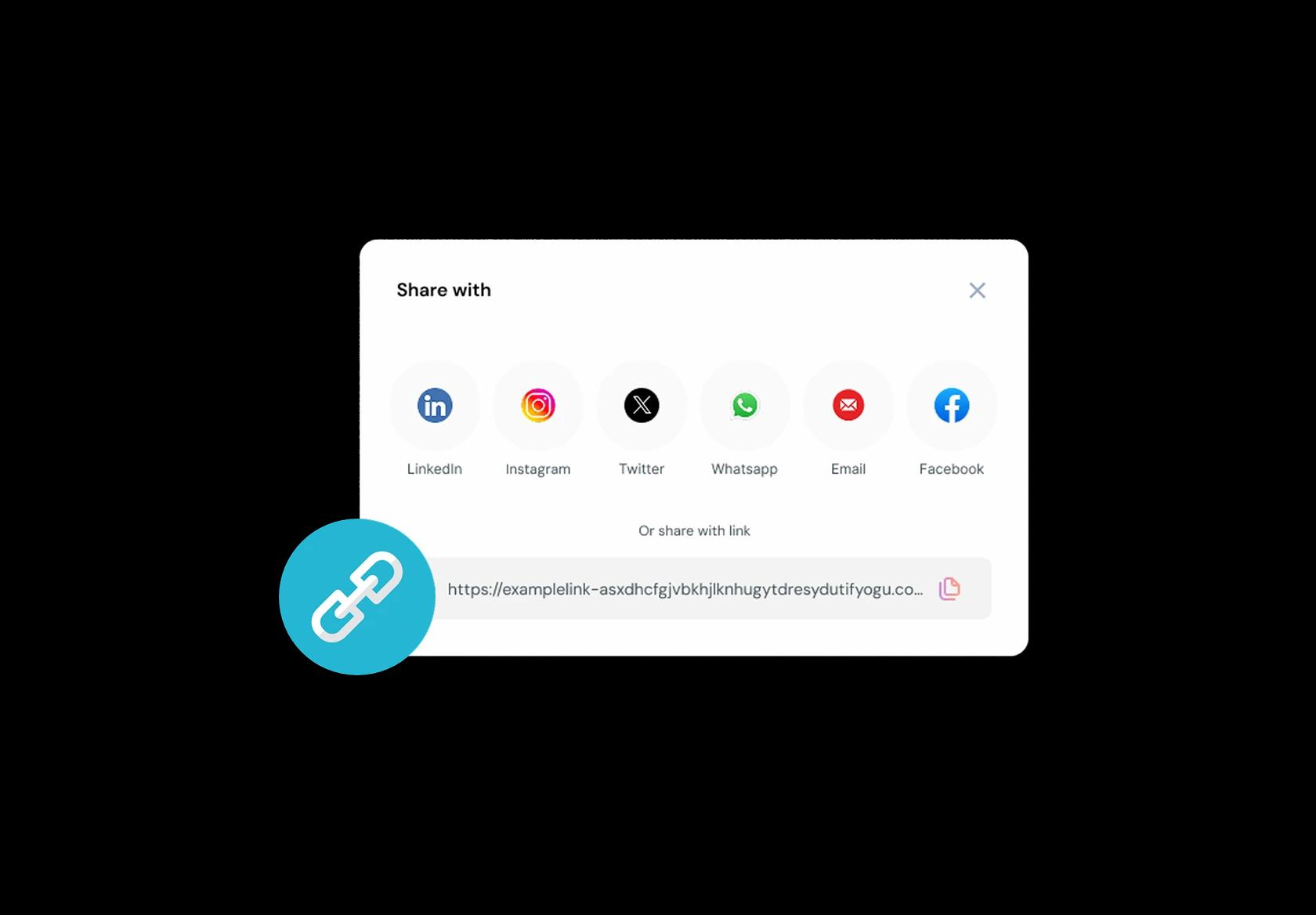
One booking link for website, email, referrals, and ads
Make it easy for people to book the moment they decide. Put the same attorney consultation booking link in your email signature, website contact page, Google Business Profile, referral emails, and LinkedIn. Fewer steps means fewer drop-offs, especially for clients comparing multiple firms.
No commission, No license fees.
Just simple, fair pricing
(save upto 20%)
Standard
- Unlimited Calendars & Services
- Connect Online Meeting Tool
- Payments via Stripe, PayPal
- Text / Email Reminders
- Customize your booking page
Teams
- All Standard Features
- Teams Scheduling
- Multi-session Packages
- Round-robin Scheduling
- Webhooks
Enterprise
- AI Voice Agent
- Account Manager
- Complete Branding
- MCP Server (Beta)
- SSO




Law Firm Scheduling Playbook
Law firm scheduling software is only “good” if it protects billable time, prevents the wrong clients from reaching attorneys, and keeps sensitive details out of the calendar title.
Start with meeting types, not “one booking link”
Law firms run different conversations with different rules. Your scheduling setup should reflect that from the first click.
- Separate links for: new client consult, existing client call, opposing counsel call, court prep, internal case review, intake-only screening.
- Different durations and buffers by type. A quick update call is not a strategy session.
- Different availability windows for partners, associates, and paralegals to stop partners getting dragged into admin calls.
Intake questions that save you from bad-fit calls
Your form should collect only what you need to route correctly, without turning into a legal questionnaire.
- Practice area and urgency: “Employment”, “Family”, “Corporate”, “Immigration”, plus “Is there a deadline in the next 14 days?”
- Jurisdiction basics: country and state or province, and where the matter is happening.
- Representation status: “Are you already represented by a lawyer on this issue?”
- Role clarity: “Are you the person involved, or calling on behalf of someone else?”
- Safe description prompt: “In one sentence, what is this about? Please avoid confidential details at this stage.”
Build conflict-check flow into scheduling
Conflict checks are not optional, and they shouldn’t happen after an attorney has already spent time on a call.
- Collect names needed for a conflict scan: legal name, company name if relevant, and the other party’s name if applicable.
- Route “pending conflict check” bookings to an intake owner or paralegal first, not directly to a lawyer’s calendar.
- Use a status step: booked → conflict check → confirmed. If you can’t do that in-product, do it operationally via a short internal checklist.
Protect billable time with buffers, limits, and routing
A law firm calendar collapses when calls stack too tightly or the wrong people get direct access.
- Buffers before and after consults for notes, document review, and follow-up emails.
- Daily caps for new consults so a busy day doesn’t erase delivery work.
- Round robin only for the right scenario. For most firms, routing by practice area and jurisdiction beats “whoever is free”.
- Time zone handling for cross-border clients. Always show the client’s time zone and your firm’s time zone clearly.
Keep calendars clean and confidentiality-safe
Calendars leak information. The playbook is to assume calendar titles get seen by the wrong eyes.
- Use neutral event titles like “Client Call” or “Consultation” instead of “Divorce from John” or “Termination dispute”.
- Put sensitive notes in a secure internal system, not in calendar descriptions.
- Set expectations on email and SMS: reminders should never contain confidential matter details.
- Choose video links intentionally. If the meeting is sensitive, include a secure link and a simple joining instruction, nothing more.
Payments and engagement, without awkwardness
Scheduling should reduce back-and-forth, not create billing disputes.
- Clarify what the booking is: “paid consultation”, “free screening”, or “existing client follow-up”.
- If you charge for consults, collect payment at booking or require a deposit to reduce no-shows.
- If you require an engagement letter before advice is given, state it plainly on the booking page.
- Add a checkbox acknowledgement: “I understand this booking does not create an attorney-client relationship until confirmed by the firm.”
Reminders, reschedules, and no-show control
Most no-shows are preventable if rescheduling is easier than ghosting.
- Send an instant confirmation with date, time, time zone, and how to reschedule.
- Send one reminder the day before and one a few hours before for new client consults.
- Make rescheduling self-serve within rules, but lock it close to the meeting if you need stability.
- Include a short “what to prepare” note: documents to bring, ID requirements if applicable, and where to send files securely.
Copy-paste snippets for your booking page
These small lines reduce misunderstandings and protect your time.
- Confidentiality: “Please do not include sensitive facts in this form. We’ll collect details securely after the initial scheduling step.”
- Conflict check: “Your booking may be confirmed after a conflict check. We’ll notify you if we cannot proceed.”
- Scope: “This meeting is for an initial discussion. Legal advice may require a signed engagement agreement.”
- Late arrival: “If you arrive late, we may shorten or reschedule to respect other clients’ time.”
Authored & Reviewed by:
Pranshu Kacholia is the founder of Lunacal.ai, a calendar scheduling and appointment booking system. He works directly with businesses of all sizes to improve booking outcomes - reducing no-shows, cutting back-and-forth, and making scheduling more reliable and efficient. His day-to-day includes reviewing real scheduling setups and edge cases: complex availability and buffers, time zones, routing, cancellation/rescheduling rules, paid meetings and deposits, reminder workflows, and integrations with calendars and meeting tools. He regularly shares appointment scheduling best practices through interviews and community conversations (see this interview and this discussion) and also writes about calendar scheduling (read the article on Medium). He has first-hand experience of using 40+ scheduling tools such as calendly, acuity scheduling, vagaro, fresha, tidycal, square, setmore etc. and understands product nuances deeply.
Lunacal.aiCalendlyAcuity SchedulingSquare AppointmentsSetmoreDoodleBooksyMindbodyFreshaSimplyBook.meHoneyBook


