Attorney Scheduling Software
Case-routing scheduling with intake + conflict checks, secure meeting links, buffer rules, reschedule controls, reminders, & team calendars.
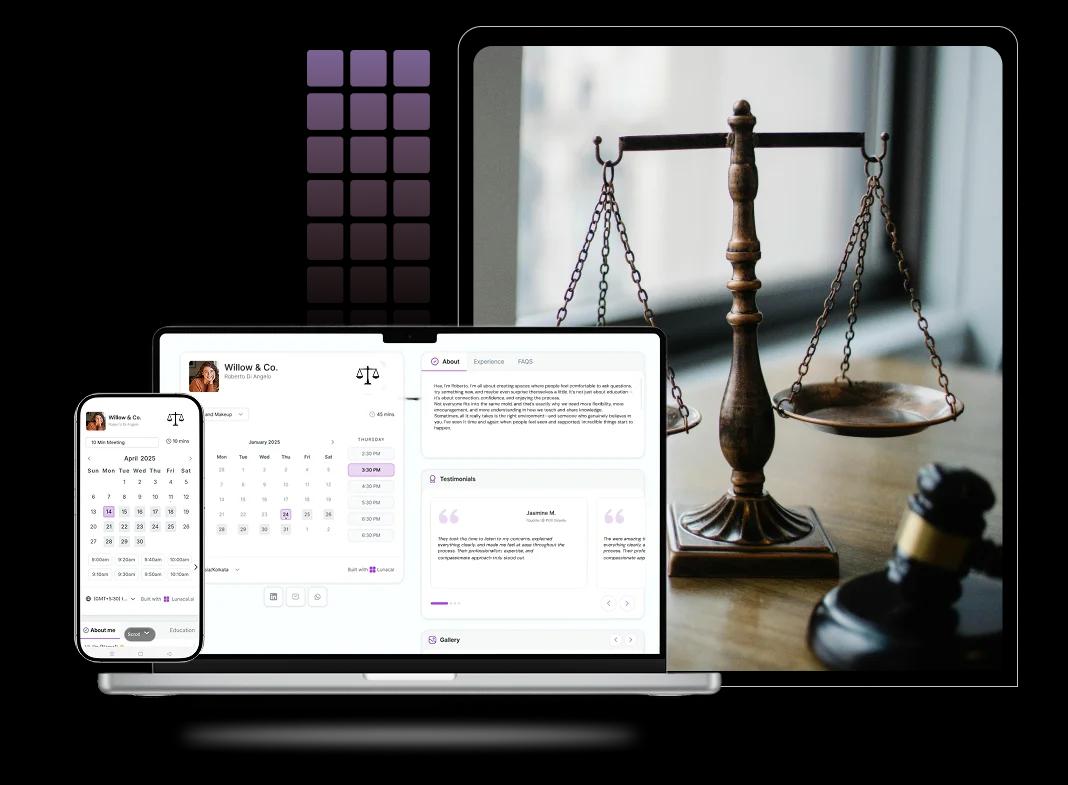
Booking features for intakes, consults, and updates
Clients book legal consultations instantly, even after hours
Let someone book the moment they decide they need help. A lot of clients search “lawyer near me” at 11 p.m. after a notice, arrest, separation, or HR email. Good law firm appointment scheduling software shows only bookable slots (based on your rules), confirms the meeting, and captures the basics so you don’t lose the lead overnight.
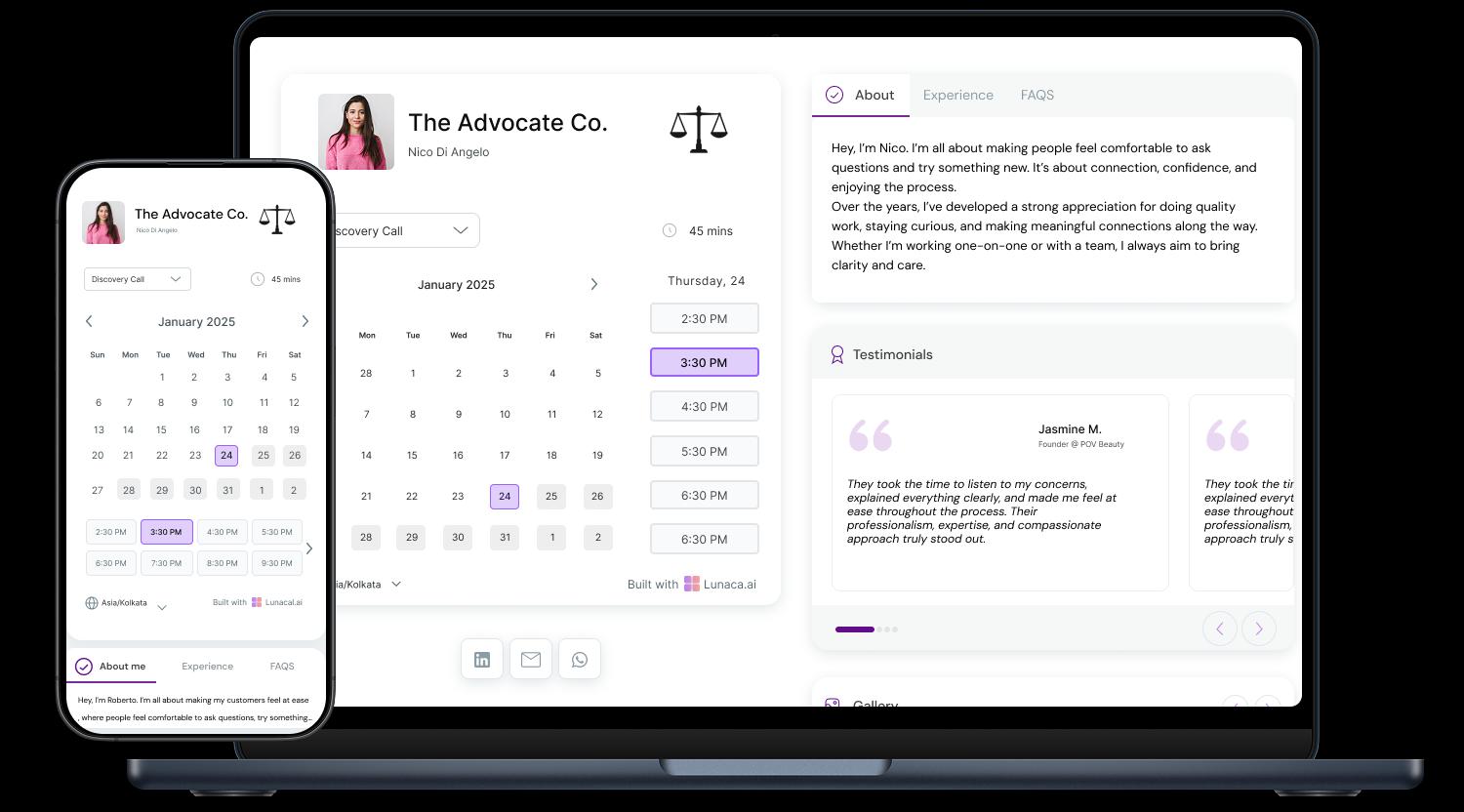
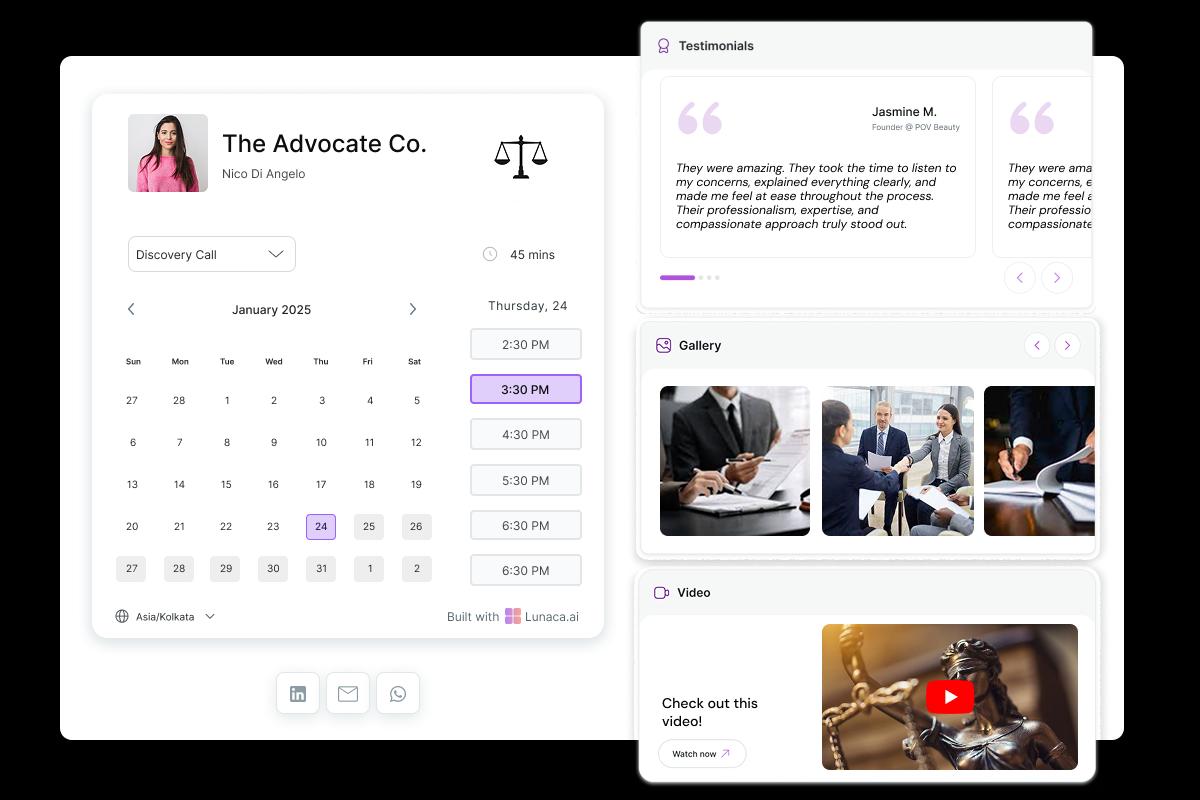
Show practice areas, typical matters, and what clients can expect
Use the booking page to pre-answer the “are you the right lawyer?” question. List practice areas (immigration, family, employment, corporate, criminal defense) and the types of matters you take, in plain language. Add clear expectations: jurisdiction you serve, consultation format, what you’ll cover, and what you won’t. This builds trust without sounding like an ad.
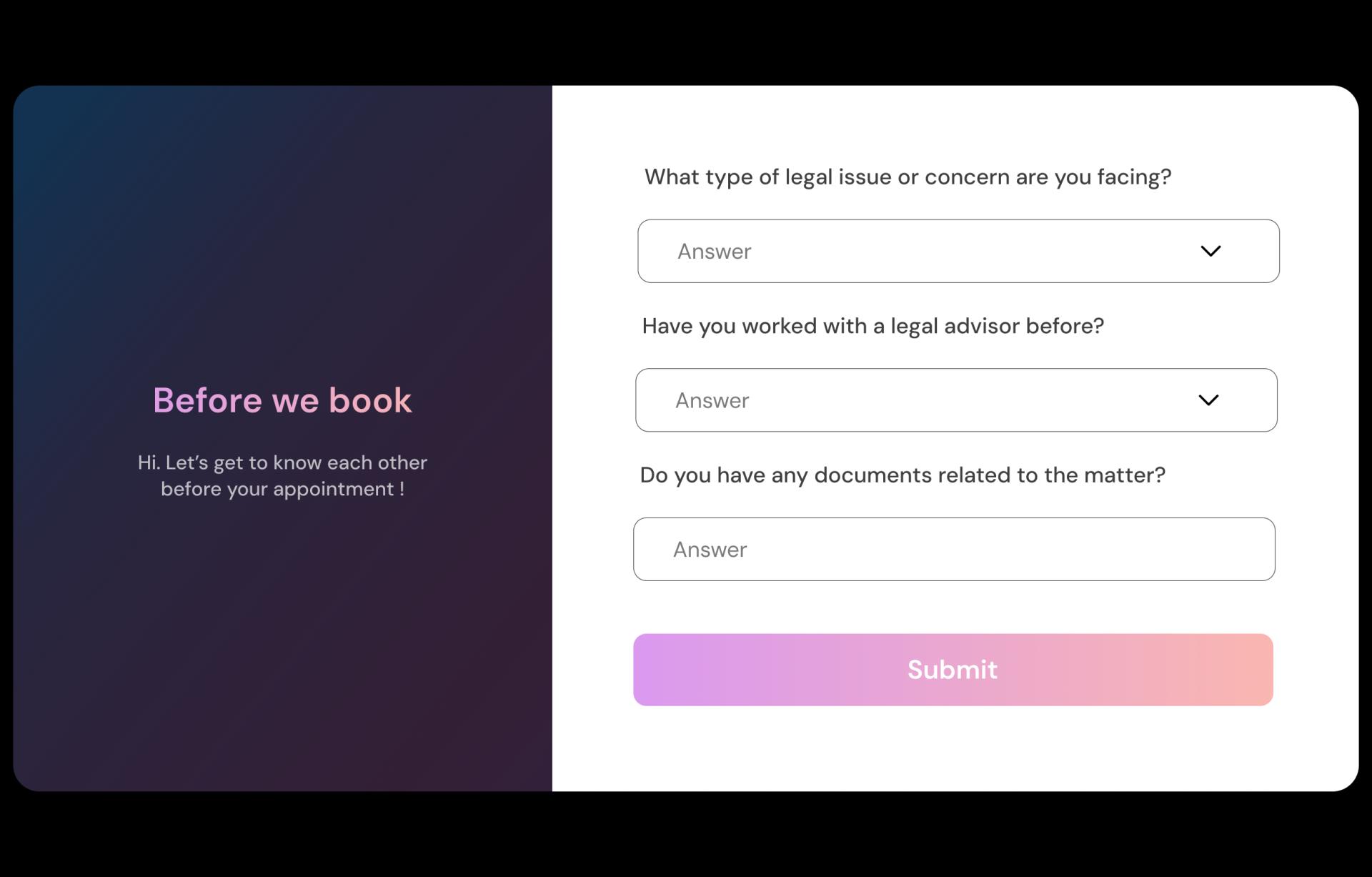
Collect facts for conflict checks and urgency triage
The intake form should save the first 10 minutes of every consult. Ask for matter type, jurisdiction, deadline date (hearing/filing/visa expiry), opposing party name (for conflicts), and a 2–3 line summary. Optional but useful: case number, court/agency name, preferred language, and how they found you. You show up prepared, and your lawyer appointment booking stays compliant and efficient.
Reduce no-shows and ensure clients arrive prepared
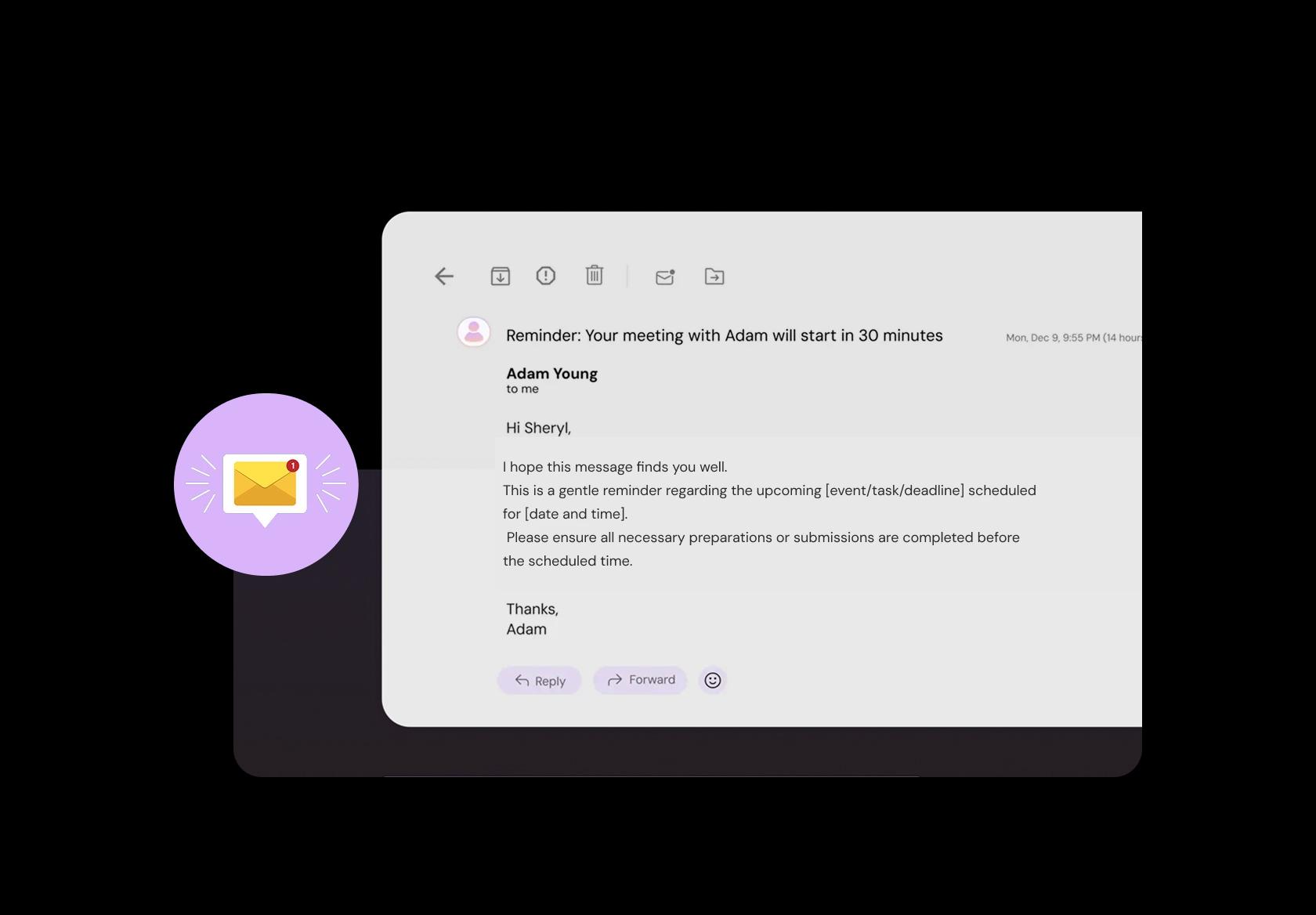
Legal clients forget details because they’re stressed, not careless. Send reminders 24 hours and 1 hour before with the meeting link, office address, parking/building instructions, and a short “bring this” checklist: ID, key documents, notices, contracts, prior orders, reference numbers. Add a reschedule link with your policy so your calendar doesn’t develop random holes.
Take consult fees or retainers securely, upfront
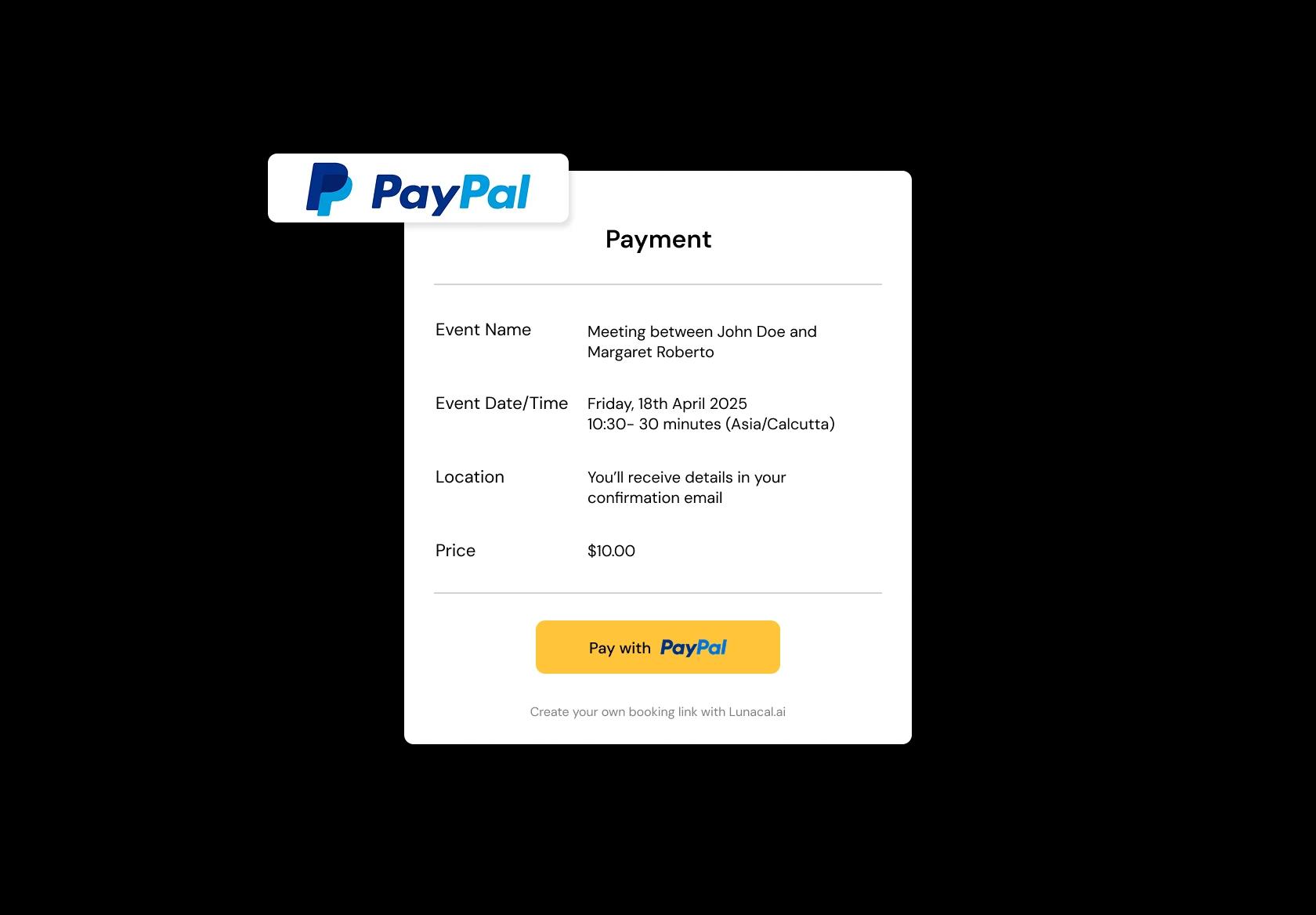
Protect your time and set a professional tone early. If you charge for consultations, collect the fee during booking and issue an invoice/receipt (VAT/GST if relevant). If you take retainers, clearly label what it is (retainer vs consult fee) and note that representation begins only after an engagement letter is signed. This avoids awkward money conversations mid-call.
Coordinate offices, courts, and time zones cleanly
Law schedules aren’t “one location, one calendar.” You might have court appearances, client meetings at multiple offices, and remote consults across time zones. Centralized calendars let you block court days, travel time, and admin days, while keeping consult availability accurate. This is where lawyer scheduling software earns its keep when hearings get moved at short notice.
Separate consults, reviews, filings, and follow-ups
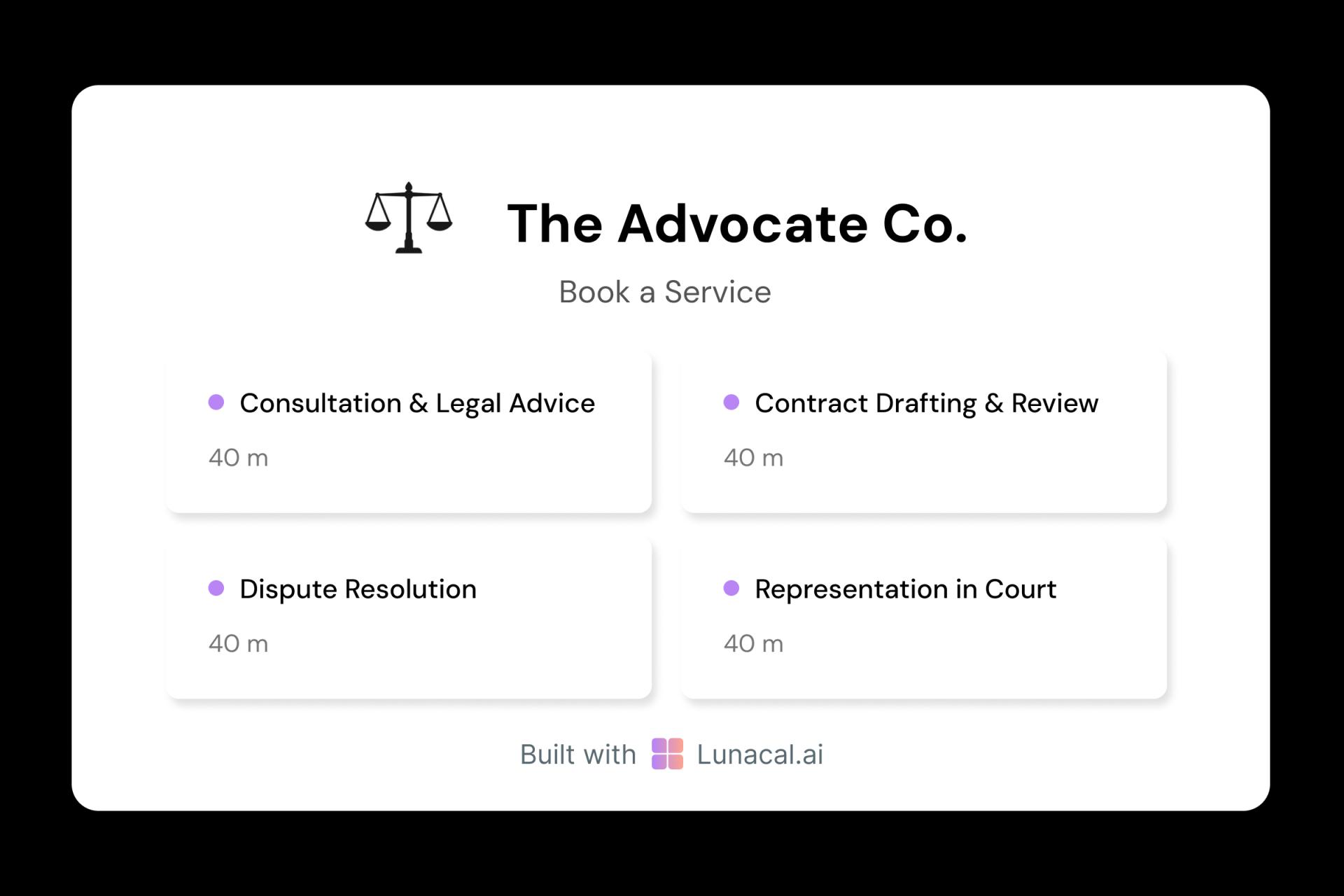
Different legal work needs different rules. A 30-minute paid consult, a 60-minute strategy session, a document review, and a filing-prep call shouldn’t share the same duration or buffer. Set each service with its own length, intake questions, payment requirement, and prep notes so a “quick contract review” doesn’t eat the time meant for a custody consult.
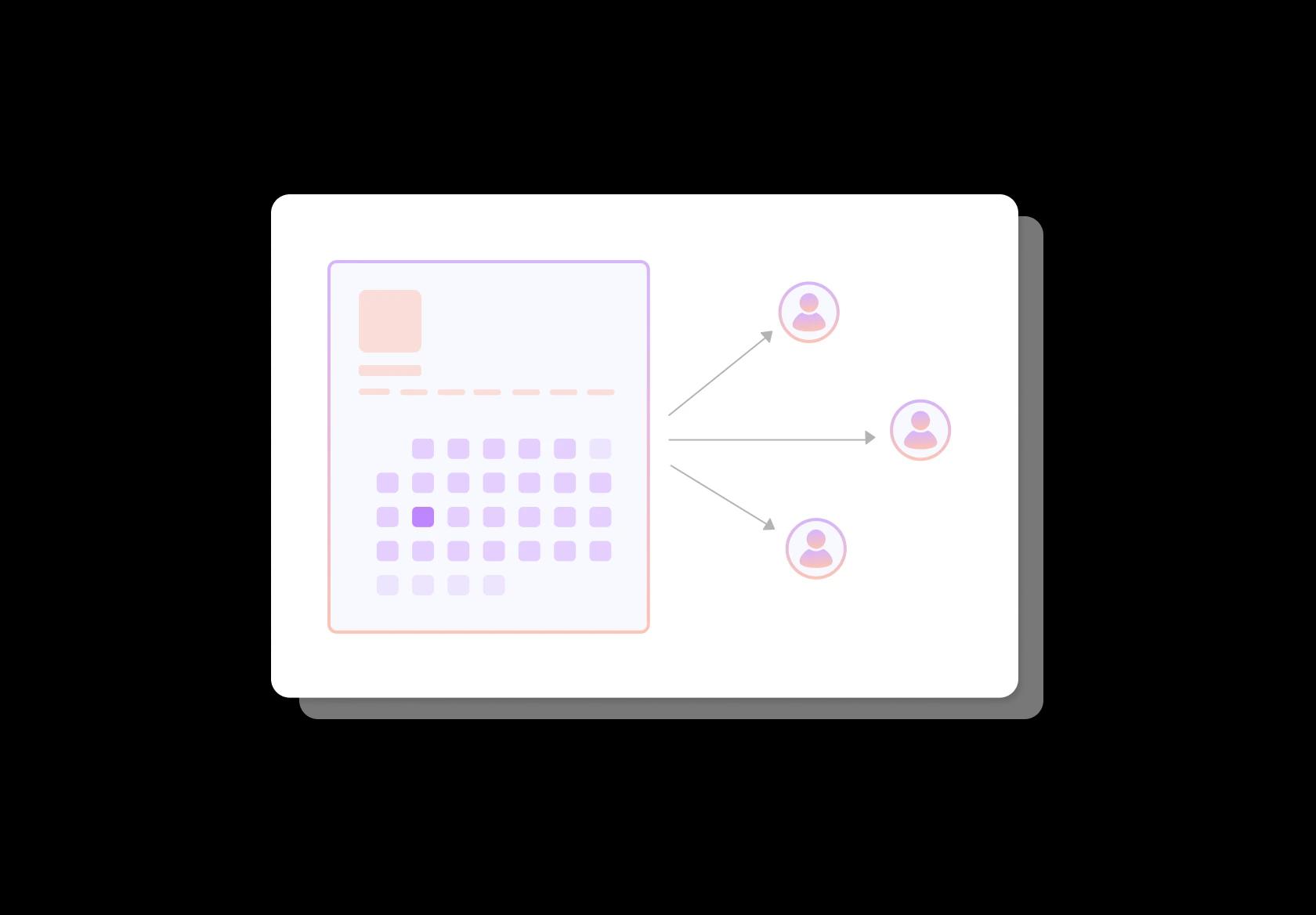
Route leads to the right attorney, not just “anyone”
Round-robin only works in law if it matches expertise. First route by practice area and jurisdiction (immigration vs employment, local court vs federal). Then distribute evenly among available associates/partners. This reduces response time, avoids mis-triage, and stops the “wrong lawyer took the call, now we need another call” problem.
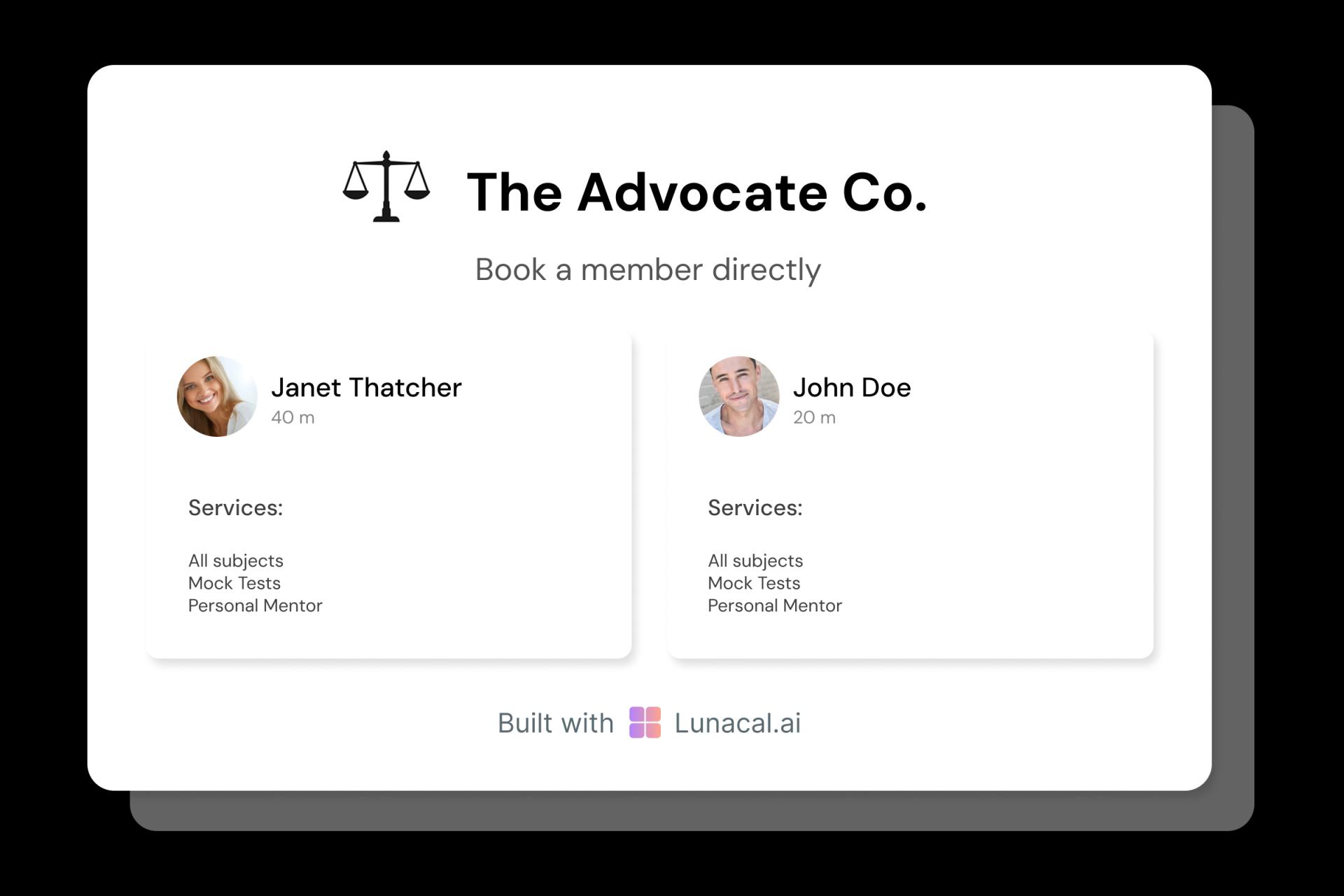
Show credentials, jurisdictions, languages, and focus
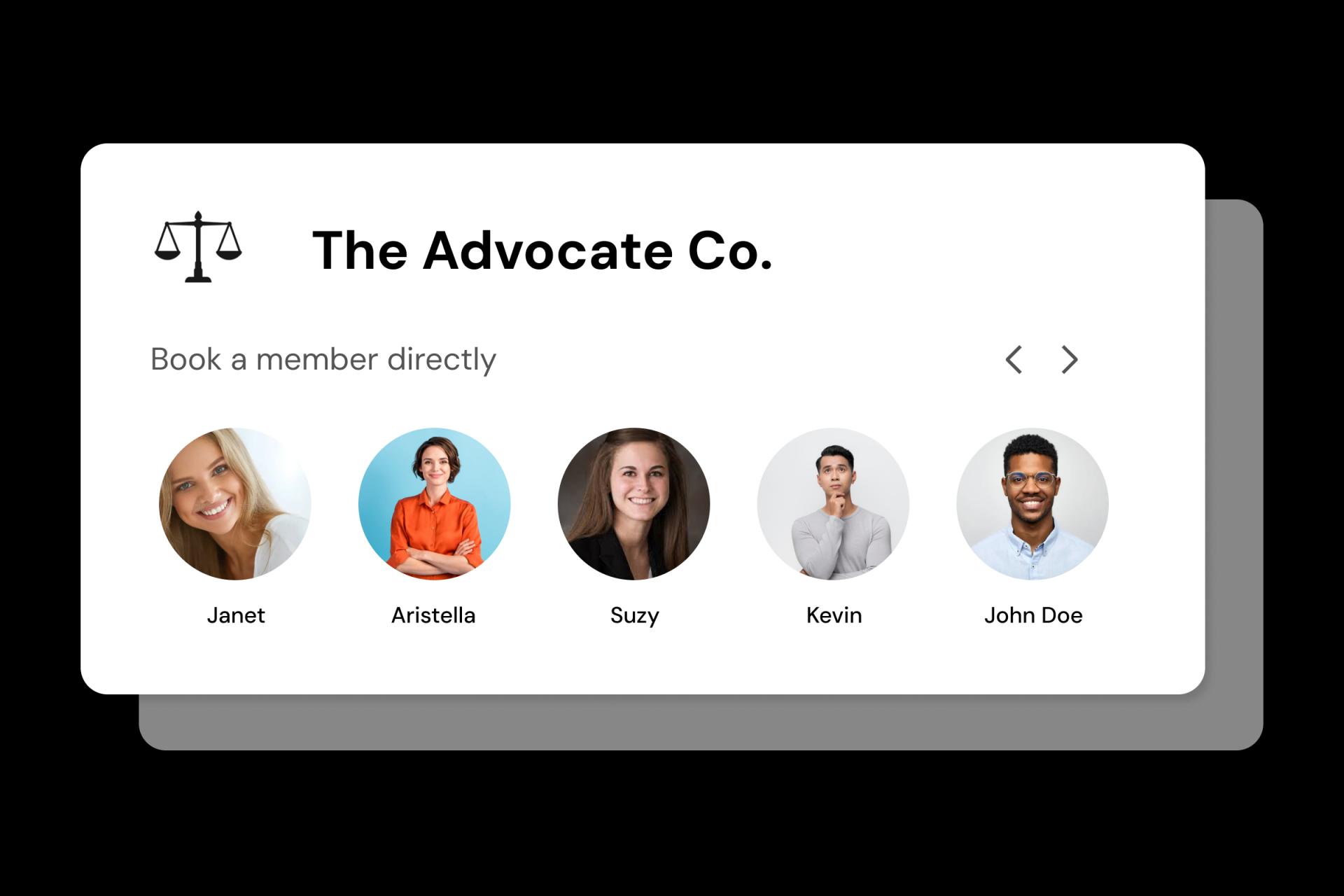
Clients choose people, not just firms. Add short profiles for each attorney/solicitor/advocate: bar admission(s), jurisdictions served, languages, typical client types, and a few matter examples (not outcomes). If you offer “any available,” keep that option, but let clients self-select when it matters, like sensitive family matters or high-stakes disputes.
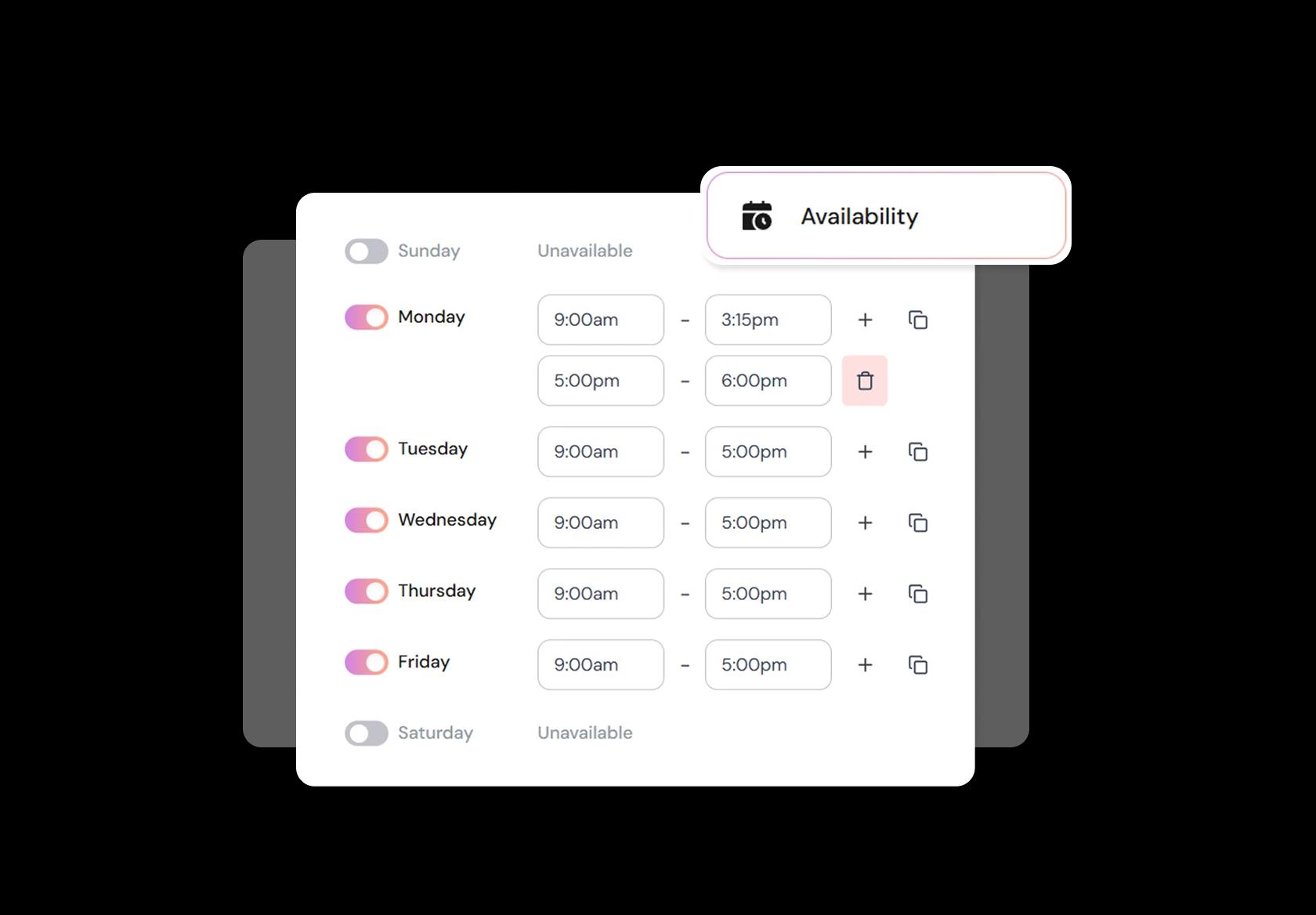
Block trials, filings, court, and deep work time
Court and deadlines dictate your calendar, not the other way around. Set rules for minimum notice, same-day cutoffs, buffers, and “urgent consult” slots. When a trial week lands or a filing deadline hits, you should be able to block time in seconds without breaking your entire availability. This keeps your schedule realistic and protects focused work.
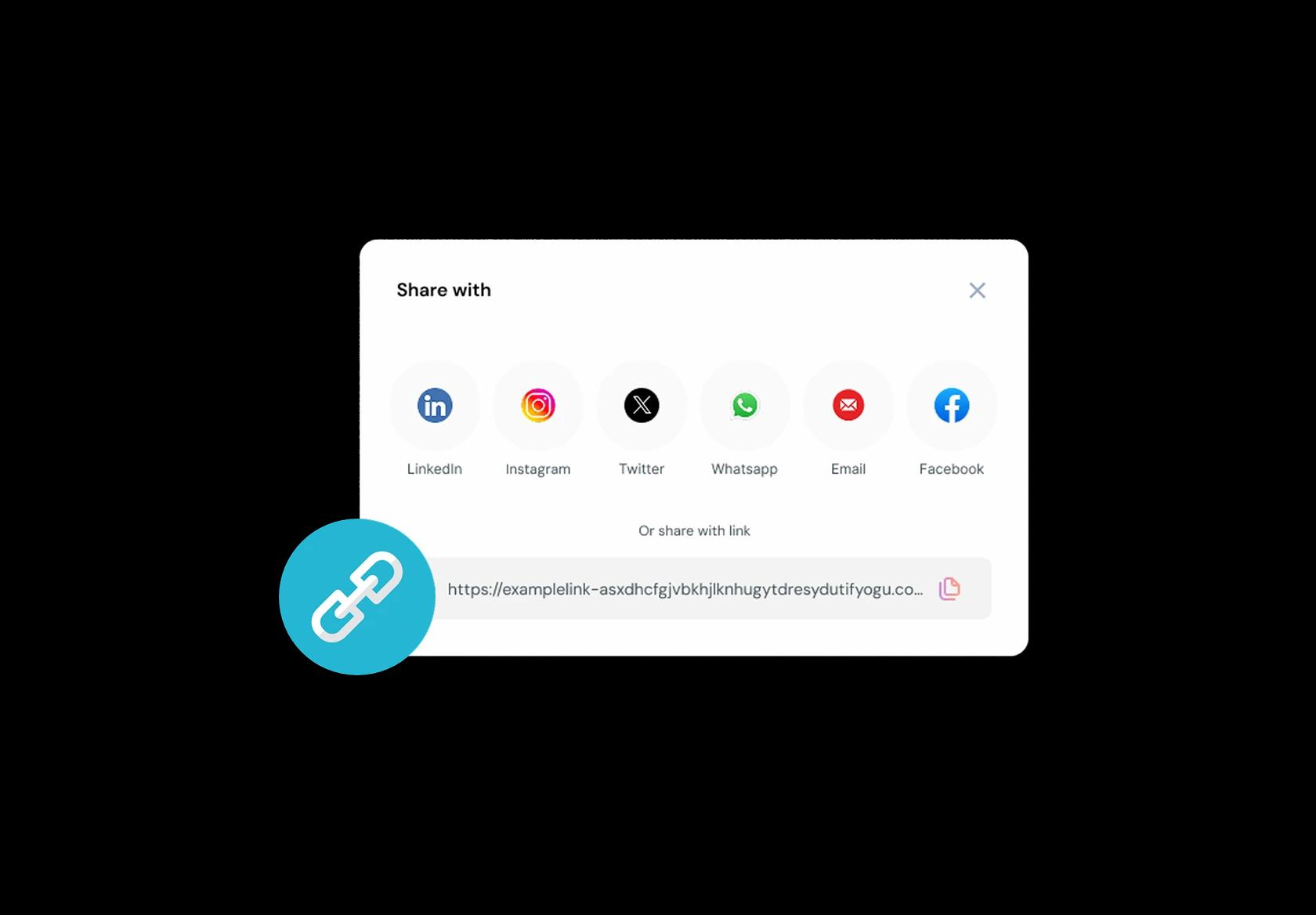
Add booking to website, emails, directories, and profiles
Make the next step obvious wherever people find you. Put the legal consultation booking link on your website, Google Business Profile, email signature, and directory listings (Avvo or local equivalents). Use one consistent page so clients always see the same services, fee policy, jurisdiction coverage, and available times—no back-and-forth, no confusion.
No commission, No license fees.
Just simple, fair pricing
(save upto 20%)
Standard
- Unlimited Calendars & Services
- Connect Online Meeting Tool
- Payments via Stripe, PayPal
- Text / Email Reminders
- Customize your booking page
Teams
- All Standard Features
- Teams Scheduling
- Multi-session Packages
- Round-robin Scheduling
- Webhooks
Enterprise
- AI Voice Agent
- Account Manager
- Complete Branding
- MCP Server (Beta)
- SSO




Attorney Scheduling Playbook
Attorney scheduling software should do one job: get the right client to the right lawyer, with the right context, without creating confidentiality or billing mess.
1) Define your “real” appointment types (so your calendar stops lying)
Most law firm calendars break because every booking is treated like the same 30-minute call. Start by separating appointments by purpose and effort.
- New client consultation: longer slot, stricter buffers, clearer cancellation policy.
- Existing client check-in: shorter slot, less intake, easier reschedule.
- Document review or strategy session: longer slot, file upload required, higher prep time.
2) Collect intake that prevents “we need to reschedule” calls
Your booking form should answer what you’d otherwise ask in three emails, without asking for sensitive details you don’t need.
- Practice area and goal: immigration, family, corporate, employment, criminal, civil litigation, real estate.
- Jurisdiction and location: city, state/province, country, and where the matter is filed or will be filed.
- Preferred meeting format: phone, video, in-person.
- Key parties involved (names only, minimal): helpful for early conflict screening, not a final conflicts check.
- Urgency and deadlines: hearing date, notice period, contract deadline, filing deadline.
- Language preference and accessibility needs (global audiences care about this more than most teams expect).
3) Add a conflict-screening step without turning intake into a deposition
You’re not completing a conflicts check at booking, but you can prevent obvious conflicts and wasted calls.
- Ask for full legal names of primary parties and any company names involved.
- Show a short note: “We may decline or reschedule after a conflicts review.”
- If your firm requires it, route bookings to “pending approval” until a staff member confirms.
4) Make availability reflect how law firms actually work
Attorney time is not just meeting time. It includes prep, notes, billing entries, and follow-ups.
- Use buffers: add setup time before consults and wrap-up time after (notes and next steps are the work).
- Prevent back-to-back new consultations, especially if you take paid consults or need document review.
- Time zones: show the client’s local time automatically and include it in confirmations.
- Office hours vs court days: block recurring court windows so you don’t look available when you’re not.
5) Handle payments and policies in a way clients don’t misread
If you charge for consultations or take retainers, the booking flow must be explicit so clients don’t assume “free advice.”
- Label it clearly: consultation fee, refundable deposit (if applicable), or retainer deposit (if appropriate for your jurisdiction and policy).
- Show cancellation terms in plain language: deadline, fees, and how rescheduling works.
- Send receipts and policy text in the confirmation email so it’s documented.
6) Protect confidentiality in confirmations, reminders, and file uploads
Scheduling is often where privacy slips happen. Keep reminders useful but low-detail.
- In SMS reminders, avoid case details. Use neutral language like “Your appointment is scheduled.”
- Use secure file upload requests for documents instead of asking clients to email sensitive PDFs.
- Add a short disclaimer: “Do not share highly sensitive details by text. Use the secure upload link.”
7) Route clients to the right person automatically
Attorney scheduling software is most valuable when it reduces misrouting and handoffs.
- Route by practice area, jurisdiction, language, and meeting type.
- Offer “fastest availability” plus “choose a lawyer” for clients who already know who they want.
- Use round-robin for intake consults, but allow manual overrides for VIP or complex matters.
8) Build a post-booking workflow that reduces no-shows and improves readiness
The best scheduling pages don’t stop at the booking confirmation. They prepare the client.
- Confirmation email: meeting link/location, what to bring, and a simple agenda.
- Reminder cadence: day before + a few hours before for new clients; lighter for existing clients.
- After the meeting: a secure follow-up request for missing documents and a clear next-step summary.
9) Track the metrics that actually change revenue and workload
Skip vanity metrics. Watch what affects utilization, collection, and client experience.
- No-show rate by appointment type (new consults behave differently than existing-client calls).
- Time-to-first-appointment for new clients (speed matters when the situation is urgent).
- Conversion from consult to engagement (and where it drops: fee confusion, conflicts, or poor intake).
Authored & Reviewed by:
Pranshu Kacholia is the founder of Lunacal.ai, a calendar scheduling and appointment booking system. He works directly with businesses of all sizes to improve booking outcomes - reducing no-shows, cutting back-and-forth, and making scheduling more reliable and efficient. His day-to-day includes reviewing real scheduling setups and edge cases: complex availability and buffers, time zones, routing, cancellation/rescheduling rules, paid meetings and deposits, reminder workflows, and integrations with calendars and meeting tools. He regularly shares appointment scheduling best practices through interviews and community conversations (see this interview and this discussion) and also writes about calendar scheduling (read the article on Medium). He has first-hand experience of using 40+ scheduling tools such as calendly, acuity scheduling, vagaro, fresha, tidycal, square, setmore etc. and understands product nuances deeply.
Lunacal.aiCalendlyAcuity SchedulingSquare AppointmentsSetmoreDoodleBooksyMindbodyFreshaSimplyBook.meHoneyBook


