Booking Software for Tattoo Studio and Artists
Made for consults and long sessions with prepay options, artist selection, design brief uploads, long-session blocks, strict cancellation rules, & reminders.
In Depth Comparison: Best Tattoo Studio Booking Systems

Scheduling features for consults, sessions, and deposits
Clients book consults or sessions without back-and-forth
Tattoo scheduling only works if it respects real constraints: consult first, deposit rules, stencil prep, and long sessions. Show only the slots that fit your setup time and breaks. Clients pick a time, confirm, and you get a clean calendar instead of endless DMs.
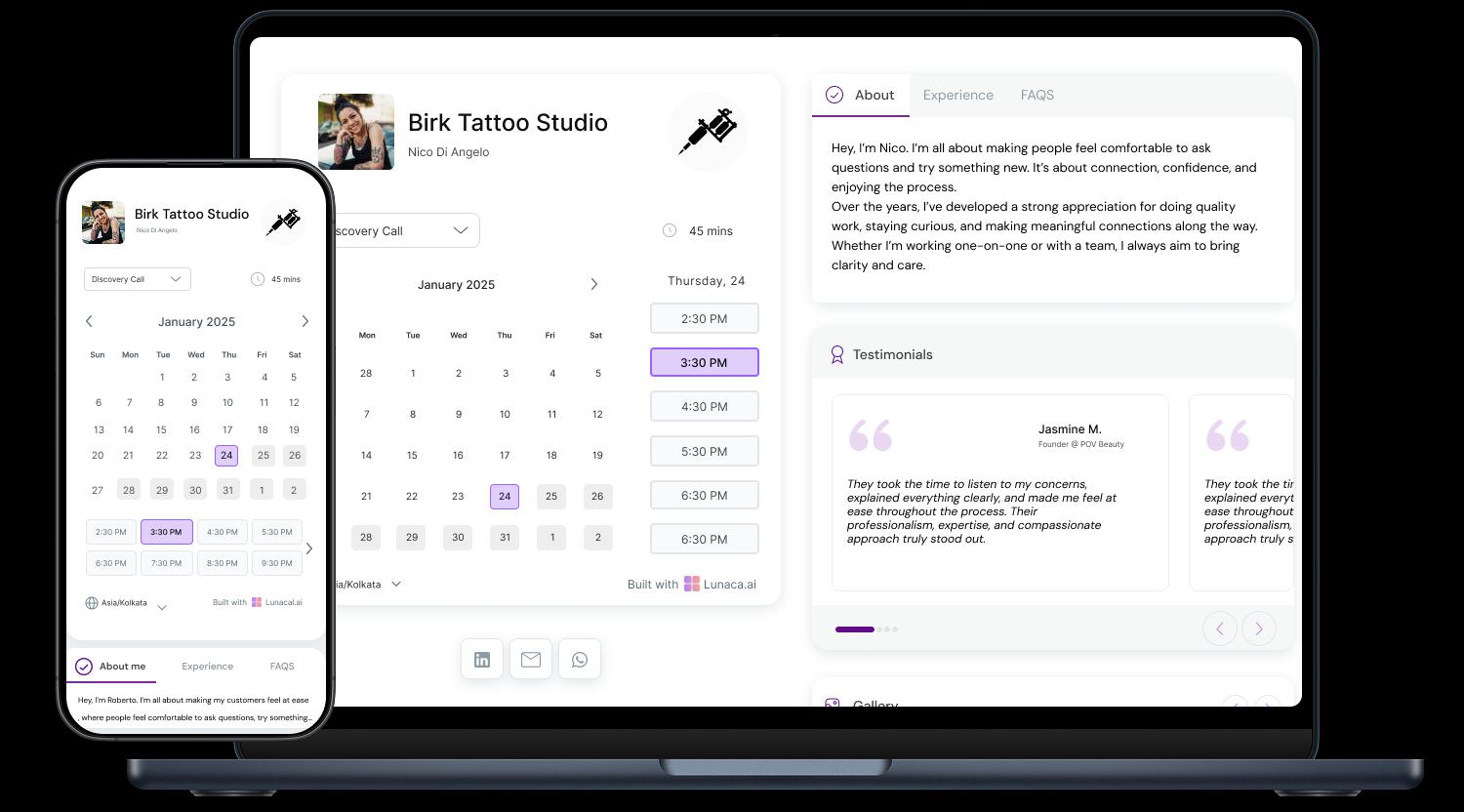
Turn your booking page into a portfolio that converts
People don’t book tattoos from a blank calendar. They book when they trust your work. Add healed photos, fresh vs healed examples, studio hygiene notes, and real client reviews. A strong portfolio on the booking page reduces “just checking prices” leads and increases serious enquiries.
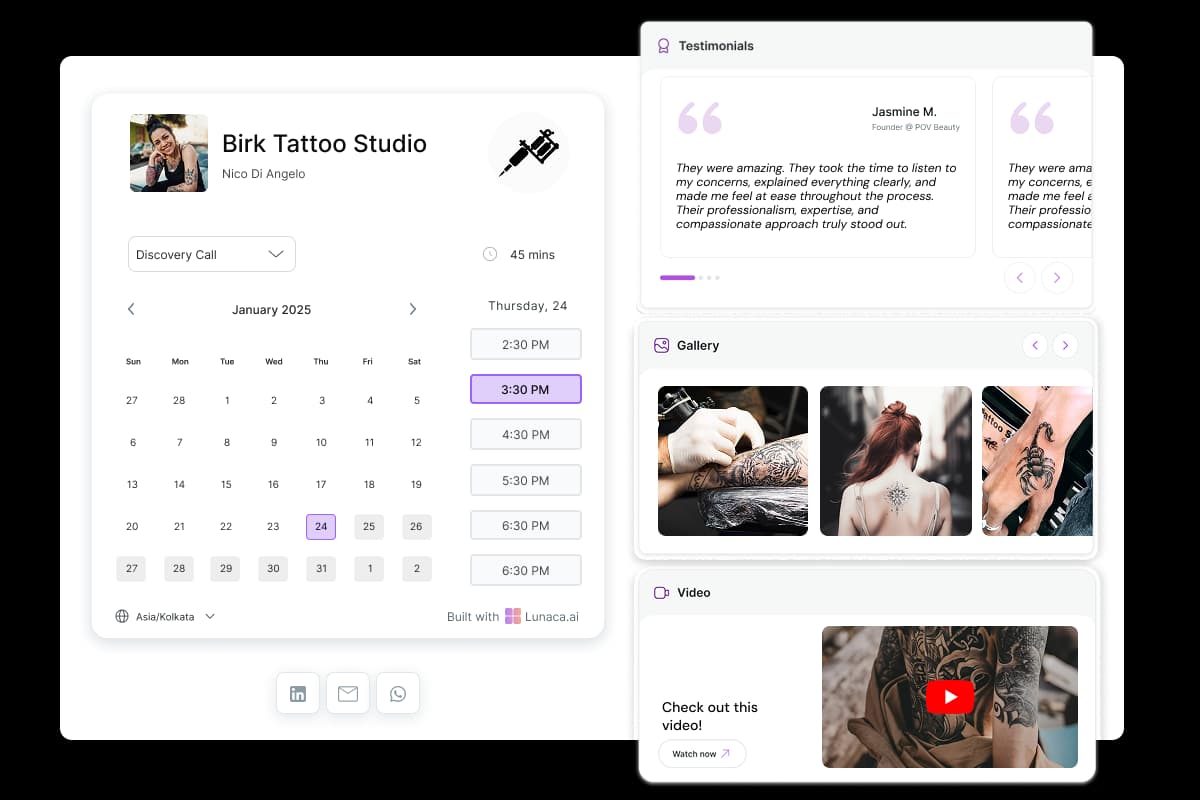
Collect design, placement, and health info before they arrive
Ask what you actually need to know to avoid day-of surprises: style (fine line/traditional/realism), placement, size, reference images, skin sensitivities, medical conditions relevant to tattooing, and whether it’s a cover-up. This helps you estimate time, pick needle groupings, and prep a stencil without last-minute chaos.
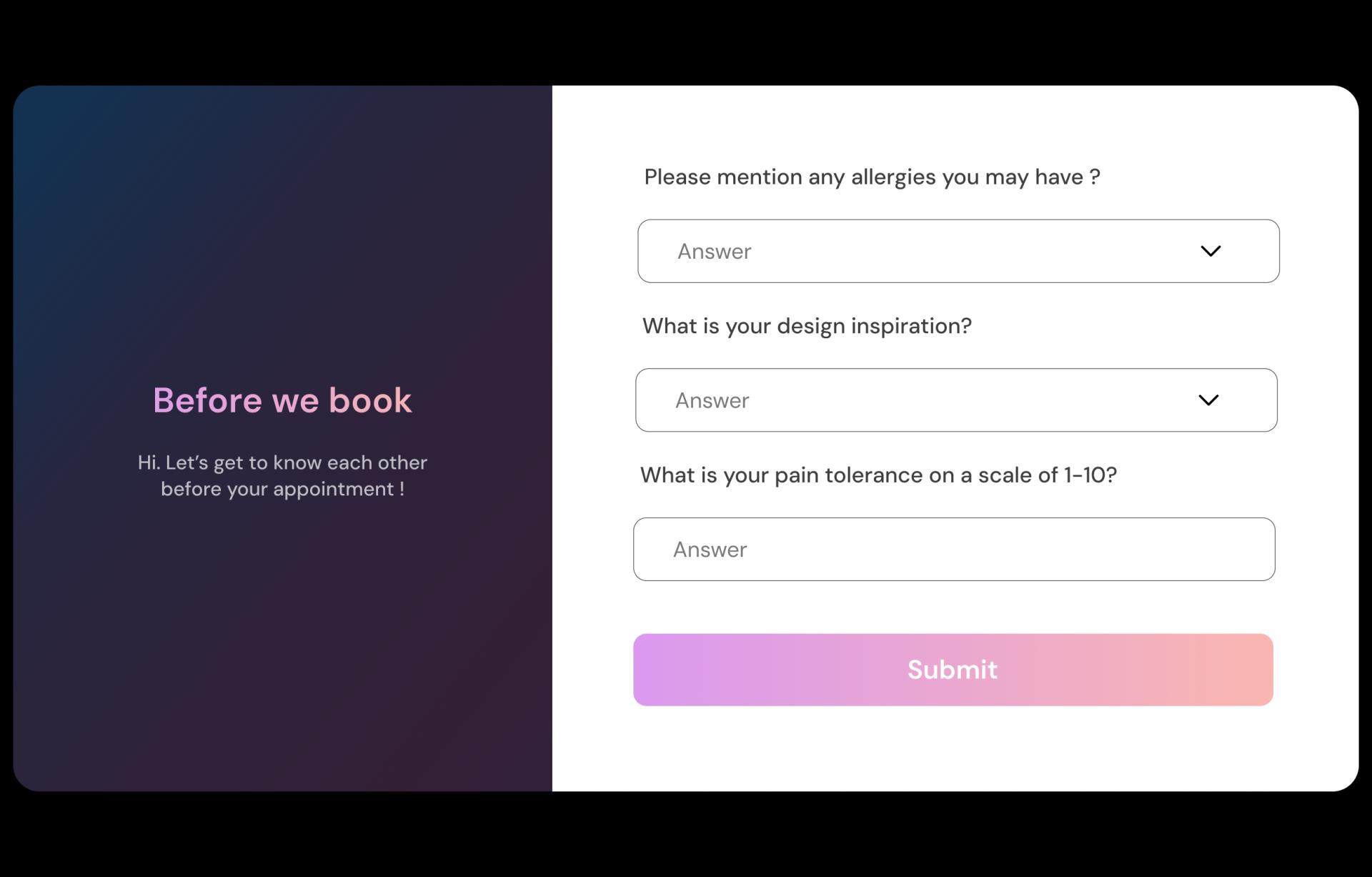
Reduce no-shows and confirm readiness before the appointment
Tattoo appointments get missed for dumb reasons: wrong address, wrong time zone, or clients forgetting after a month-long wait. Send reminders with studio location, ID requirements (if applicable), prep guidance (sleep, food, hydration), and a quick “confirm / reschedule” link. After the session, send aftercare notes and a feedback request to catch issues privately before they hit reviews.
Take deposits upfront to stop flaky bookings
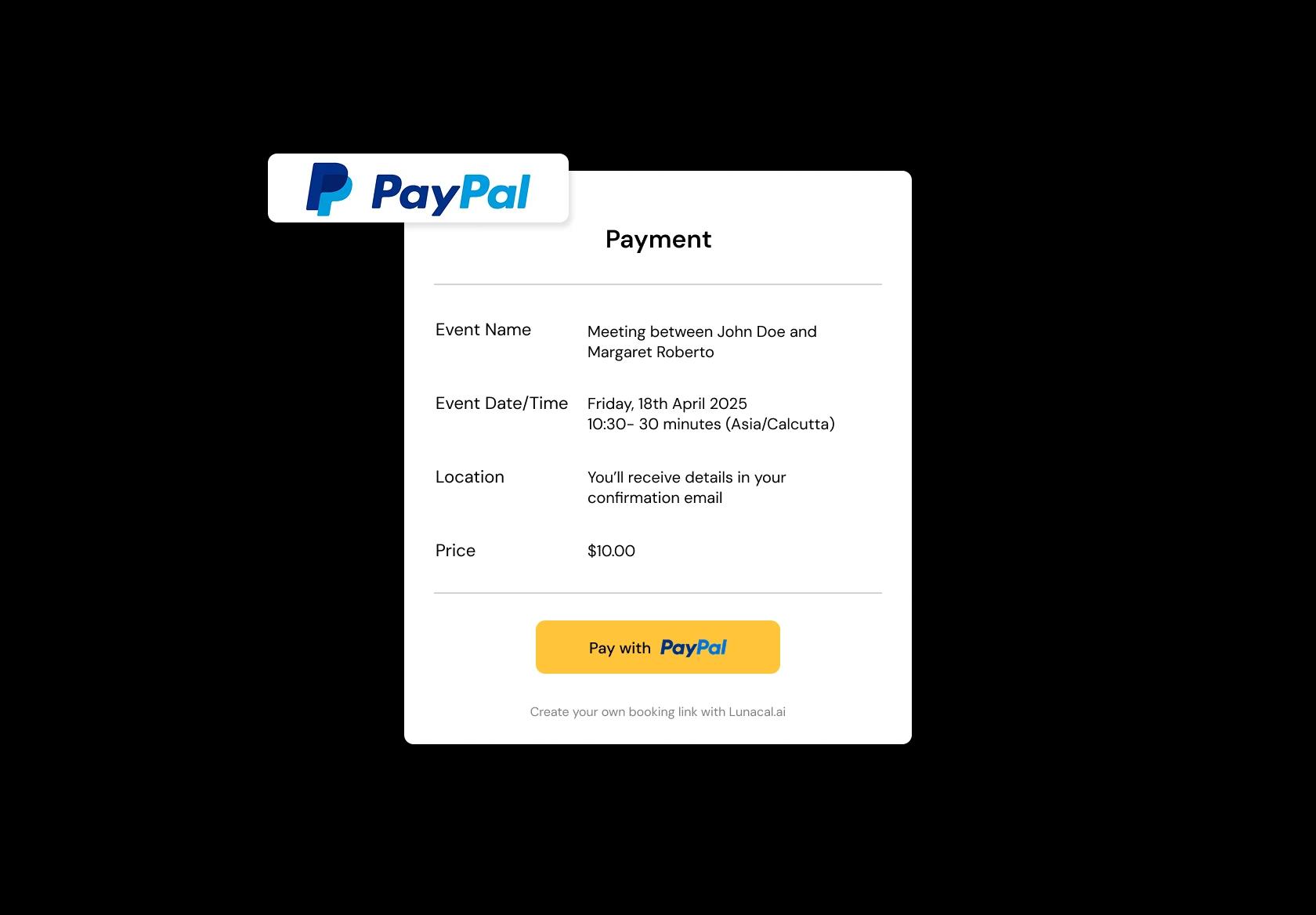
Deposits filter out unserious bookings, especially for weekends and peak seasons. You can take a fixed deposit or percentage, apply it to the final price, and set clear reschedule and cancellation rules. This protects artist time when you’ve already spent effort on consults, drawings, and stencil prep.
Keep multiple studios, rooms, or guest spots organized
If you run more than one location or do guest spots, the biggest risk is double-booking and travel miscalculations. Set locations like “Studio A,” “Studio B,” and “Guest spot,” each with its own hours, buffers, and address notes. Clients book the right place automatically, and your calendar stays sane.
Different booking types with realistic durations and buffers
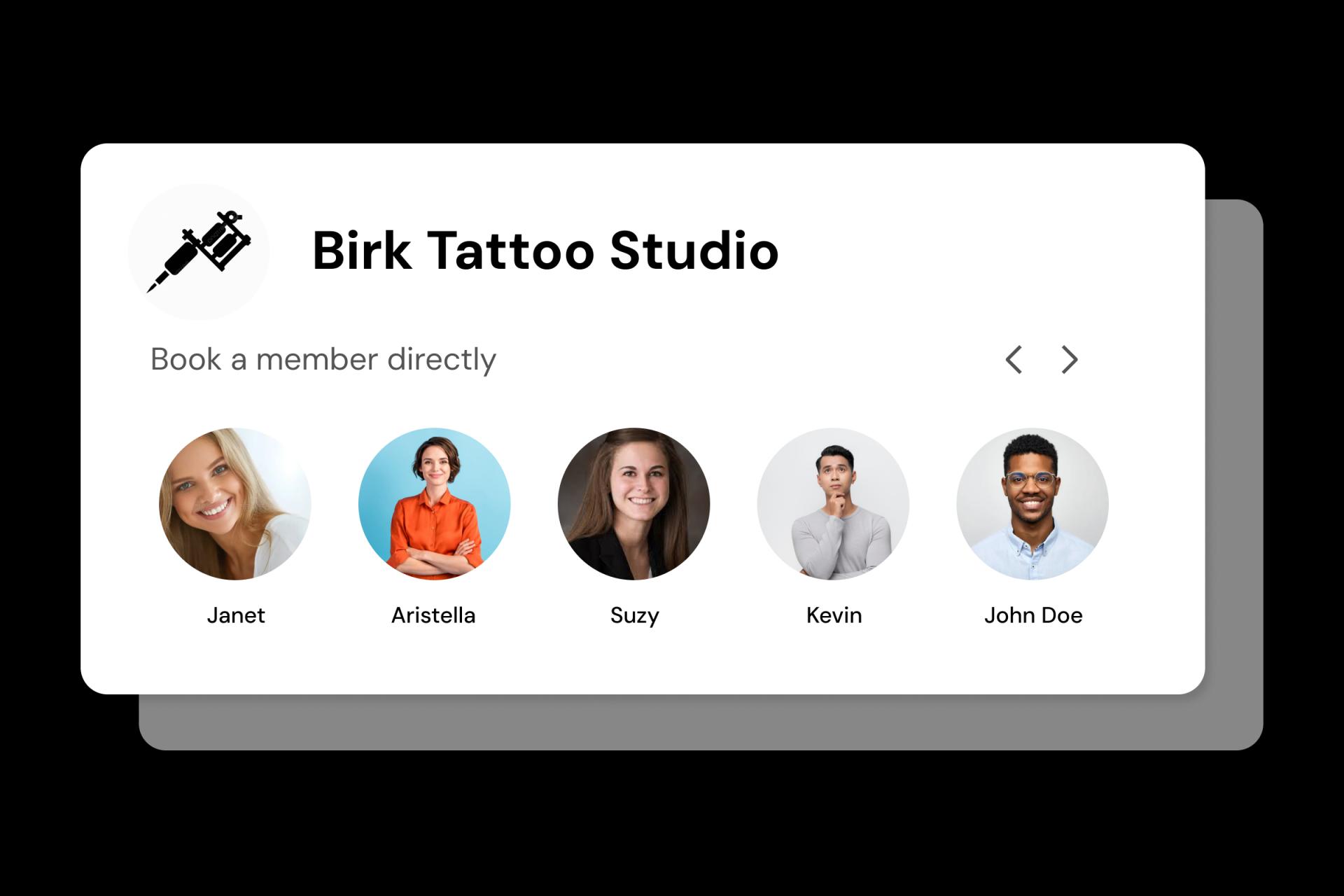
A flash tattoo slot is not a custom sleeve consult. Create separate booking options: consult, small tattoo, half-day session, full-day session, touch-up, and removal consult (if you offer it). Give each one its own duration, prep buffer, and minimum notice so your day doesn’t get chopped into unusable gaps.
Auto-assign new bookings across artists without favoritism
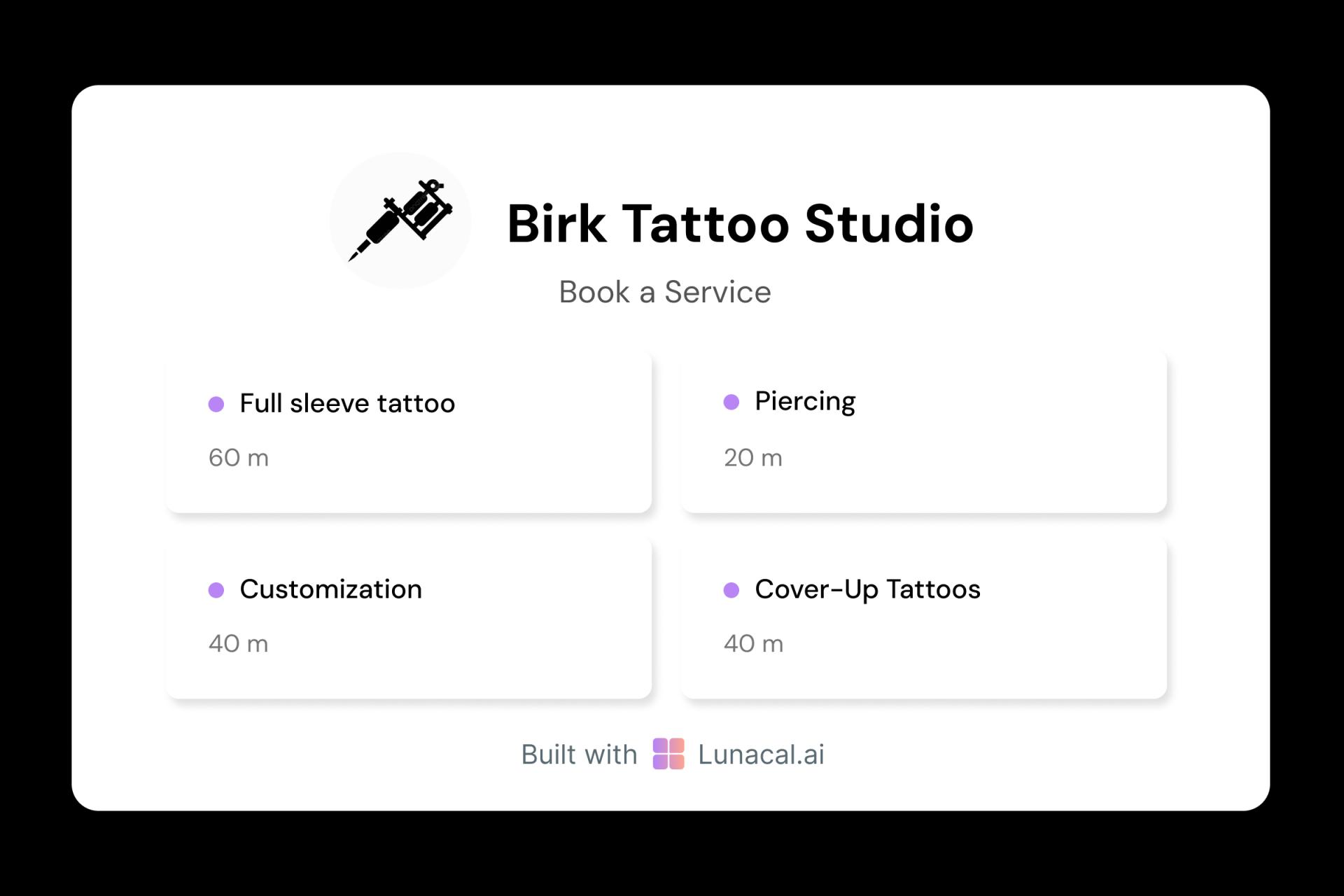
When a studio has multiple artists, the fastest way to lose money is uneven workload. Round-robin can assign the next booking to the next available artist for the chosen service type, while still respecting style fit and working hours. It keeps calendars balanced and reduces burnout during busy weeks.
Let clients choose an artist by style and real work
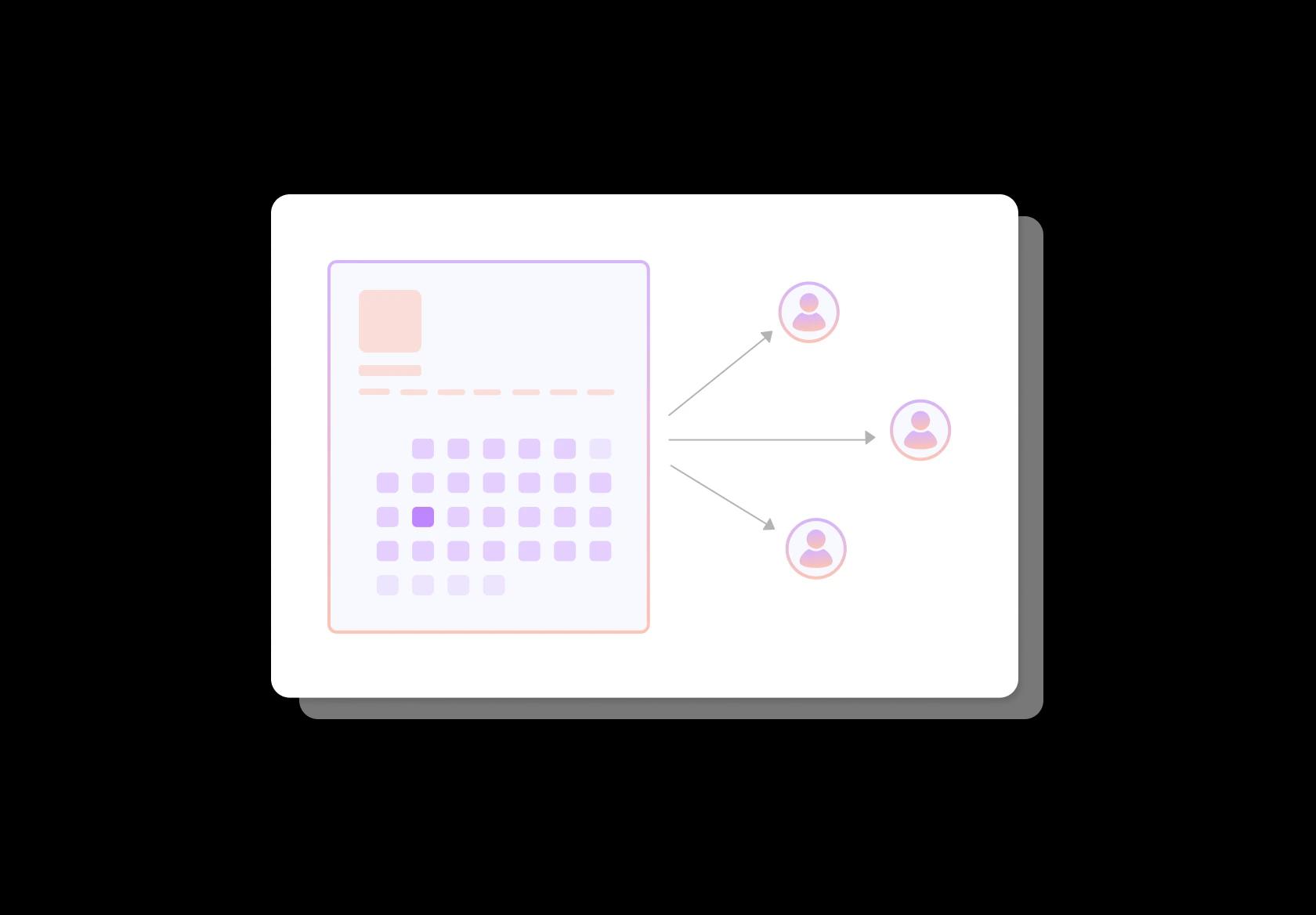
Style matters more in tattooing than almost any other service business. Show each artist’s style tags (realism, neo-trad, Japanese, fine line), healed work, and typical session types. Clients can choose a specific artist or pick “any available,” and bookings match the right person from the start.
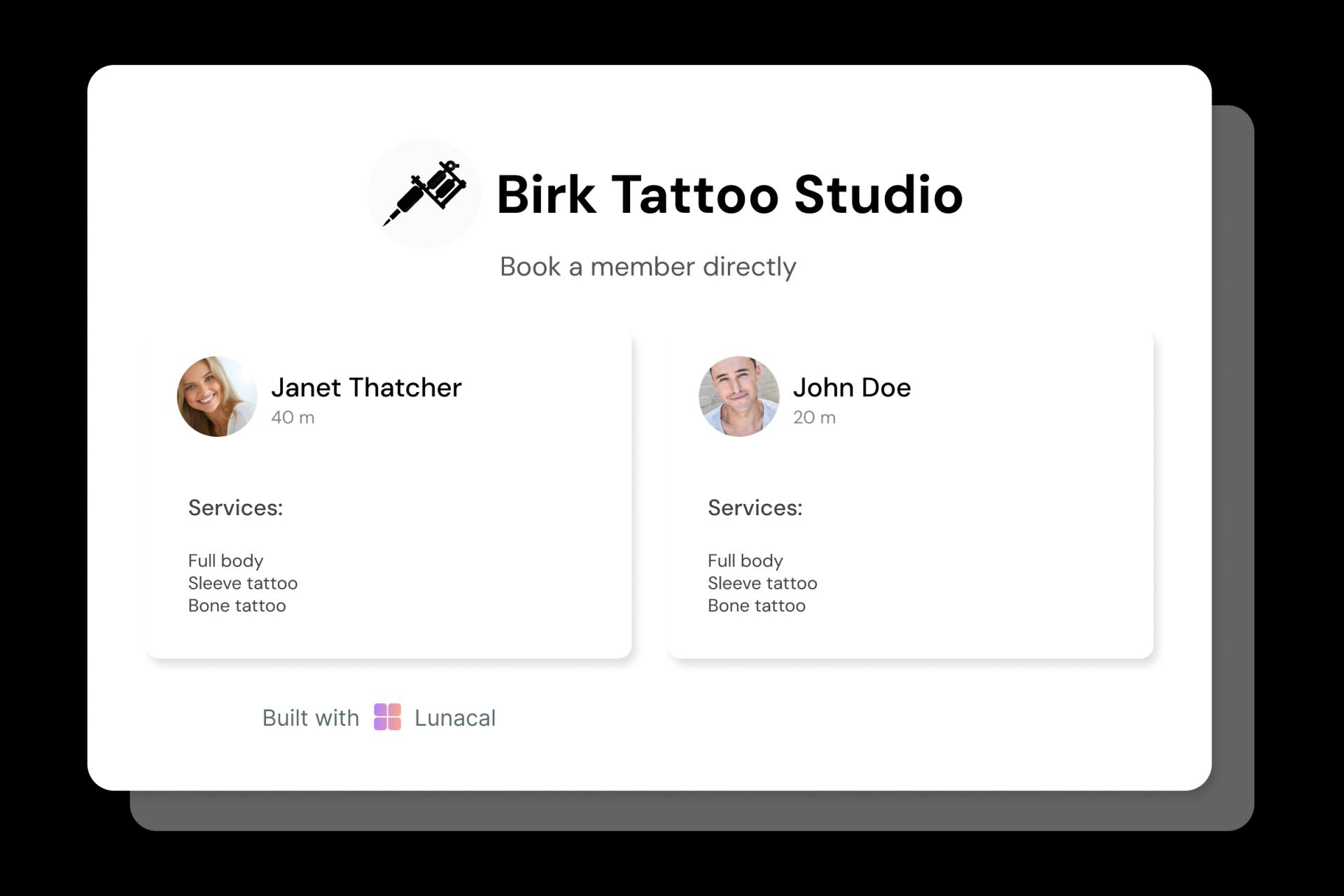
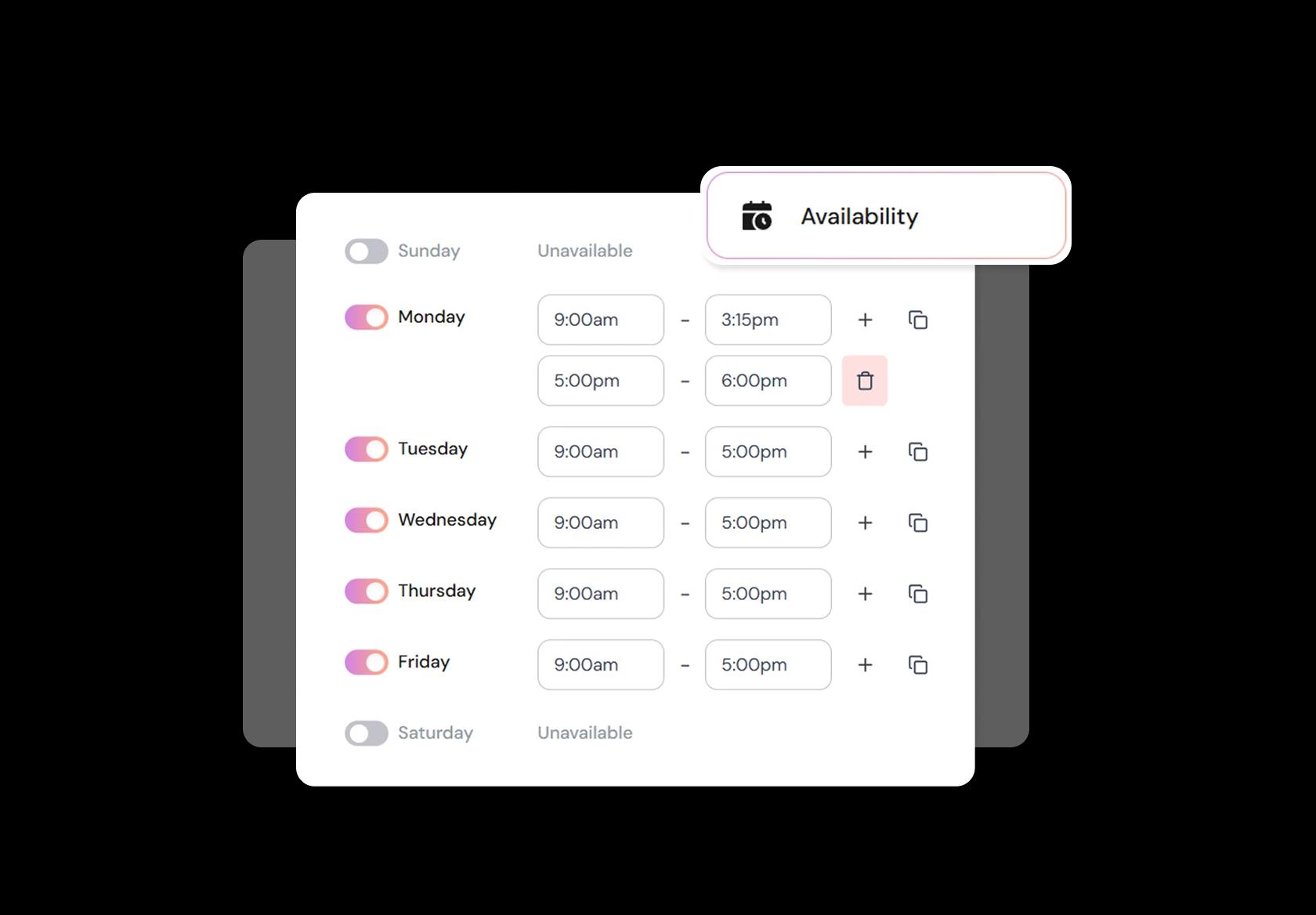
Adjust schedules for conventions, guest spots, and breaks
Tattoo life isn’t a stable 9–5. Artists travel for conventions, do guest days, and block time for drawing. Update availability quickly, add time off, and increase buffers when you’re booked heavy. Clients only see real openings, so you don’t waste time apologizing and rescheduling.
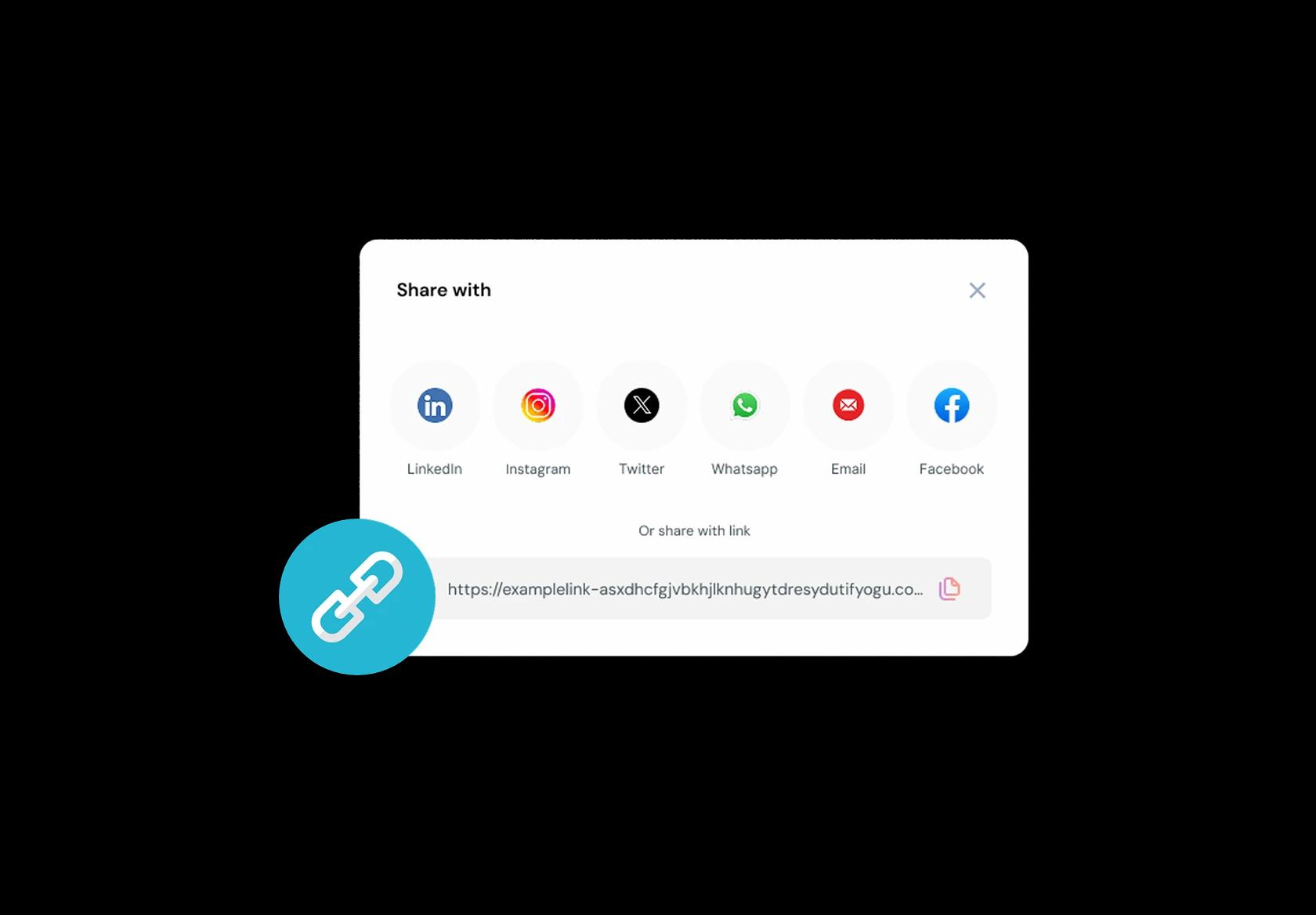
One booking link for Instagram, Google, WhatsApp, and your site
Most studios get discovered on Instagram, TikTok, Google Business Profile, and referrals. A single, consistent booking link turns “love your work” into an actual appointment. Drop it in your bio, DMs, website buttons, and listings so clients always land on the same booking flow.
No commission, No license fees.
Just simple, fair pricing
(save upto 20%)
Standard
- Unlimited Calendars & Services
- Connect Online Meeting Tool
- Payments via Stripe, PayPal
- Text / Email Reminders
- Customize your booking page
Teams
- All Standard Features
- Teams Scheduling
- Multi-session Packages
- Round-robin Scheduling
- Webhooks
Enterprise
- AI Voice Agent
- Account Manager
- Complete Branding
- MCP Server (Beta)
- SSO


Tattoo Appointment Booking Playbook
This playbook helps you set up tattoo studio booking software so clients book the right session, with the right artist, and you stop wasting hours on back-and-forth.
Build a menu that matches how tattoos are actually sold
Your “services” should reflect decision-making, not just time blocks. People book based on idea, size, style, and placement.
- Create booking options like “Consultation”, “Small tattoo”, “Medium session”, “Large session”, and “Touch-up”.
- Add short clarifiers inside the service name: “Small (up to 5cm)”, “Medium (forearm size)”, “Large (multi-hour)”.
- If you do flash days, create a separate “Flash booking” service with fixed durations and limited slots.
Collect the details that prevent wrong bookings
Tattoo appointment booking fails when clients don’t share basics until the last minute. Fix it at booking.
- Required fields: placement, approximate size, color vs blackwork, and preferred style.
- Reference uploads: let clients attach 1–5 images and add a short description of what they like about them.
- Safety notes: allergies, skin conditions on the area, and age confirmation (as applicable in your country).
Use deposits to protect serious calendar time
Deposits aren’t about being harsh. They filter “maybe” clients and protect your longest slots.
- Use deposits for medium/large sessions and prime hours.
- Keep the policy visible during checkout: how much, reschedule window, and what counts as a no-show.
- Offer one “easy exit”: allow rescheduling within the window without losing the deposit.
Route bookings to the right artist automatically
The fastest way to look premium is matching style to artist without manual triage.
- Let clients pick an artist, but also show “Fastest availability” for people who just want it done.
- Tag artists by styles (fine line, realism, traditional, script) and use those tags to route requests.
- For large work, require approval before confirming the slot (so you don’t lock time on bad-fit requests).
Set scheduling rules that stop day-ruining overruns
Tattoo scheduling software should protect focus time, setup time, and breaks.
- Add buffers for stencil prep, station reset, and photos at the end.
- Block “deep work” hours for drawing so you don’t turn into a reactive admin all day.
- If you sell multi-session work, make follow-ups easy to book without reopening the whole intake form.
Automate messages that reduce cancellations and confusion
Great tattoo studio booking software doesn’t just book time. It sets expectations.
- Confirmation: include date, time, artist, deposit receipt, and what to bring.
- Reminders: send one the day before and one a few hours before, with a reschedule link.
- Aftercare: send a short follow-up with aftercare basics and a check-in prompt for reactions or concerns.
Authored & Reviewed by:
Pranshu Kacholia is the founder of Lunacal.ai, a calendar scheduling and appointment booking system. He works directly with businesses of all sizes to improve booking outcomes - reducing no-shows, cutting back-and-forth, and making scheduling more reliable and efficient. His day-to-day includes reviewing real scheduling setups and edge cases: complex availability and buffers, time zones, routing, cancellation/rescheduling rules, paid meetings and deposits, reminder workflows, and integrations with calendars and meeting tools. He regularly shares appointment scheduling best practices through interviews and community conversations (see this interview and this discussion) and also writes about calendar scheduling (read the article on Medium). He has first-hand experience of using 40+ scheduling tools such as calendly, acuity scheduling, vagaro, fresha, tidycal, square, setmore etc. and understands product nuances deeply.
Lunacal.aiCalendlyAcuity SchedulingSquare AppointmentsSetmoreDoodleBooksyMindbodyFreshaSimplyBook.meHoneyBook


