Pilates Booking Software
Pilates scheduling with equipment limits, class capacity, packs, payments, cancellations, reminders, & instructor/room coordination.
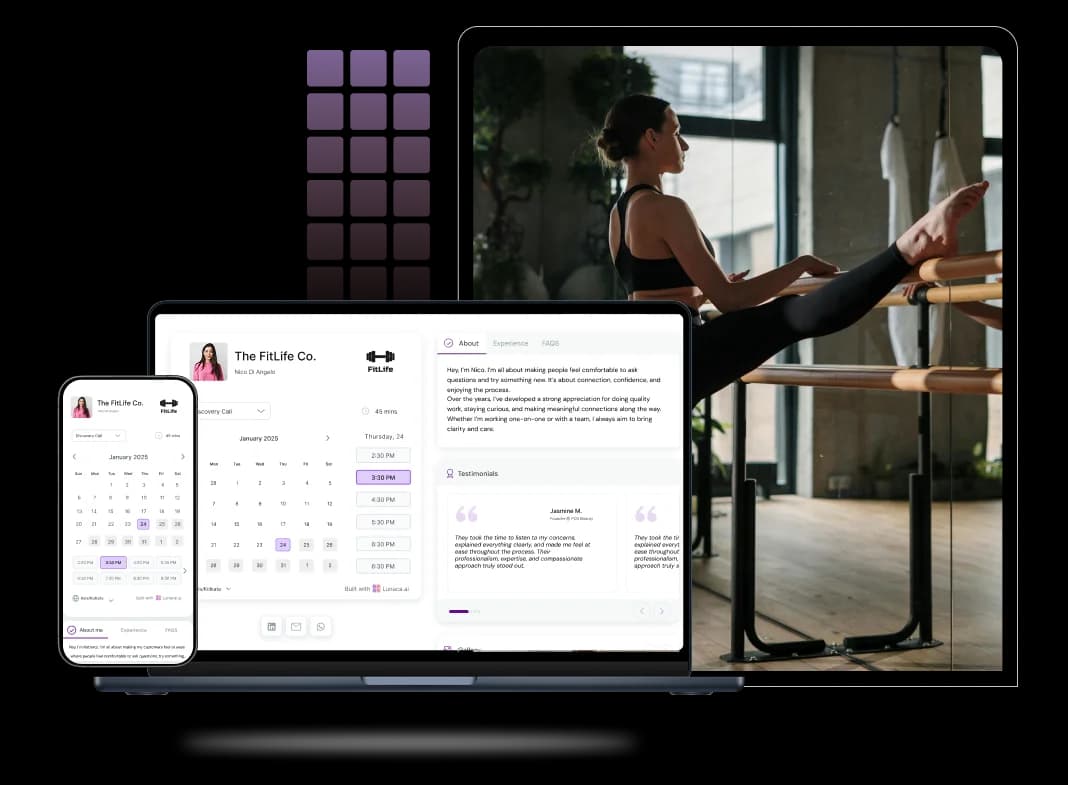
Booking features for reformer sessions and instructors
Let clients book mat or reformer sessions in seconds
Clients should be able to book a class while commuting, between meetings, or after putting kids to bed. A good Pilates booking software shows real availability (capacity, instructor, equipment) and confirms instantly, so your studio fills up without manual follow-ups.
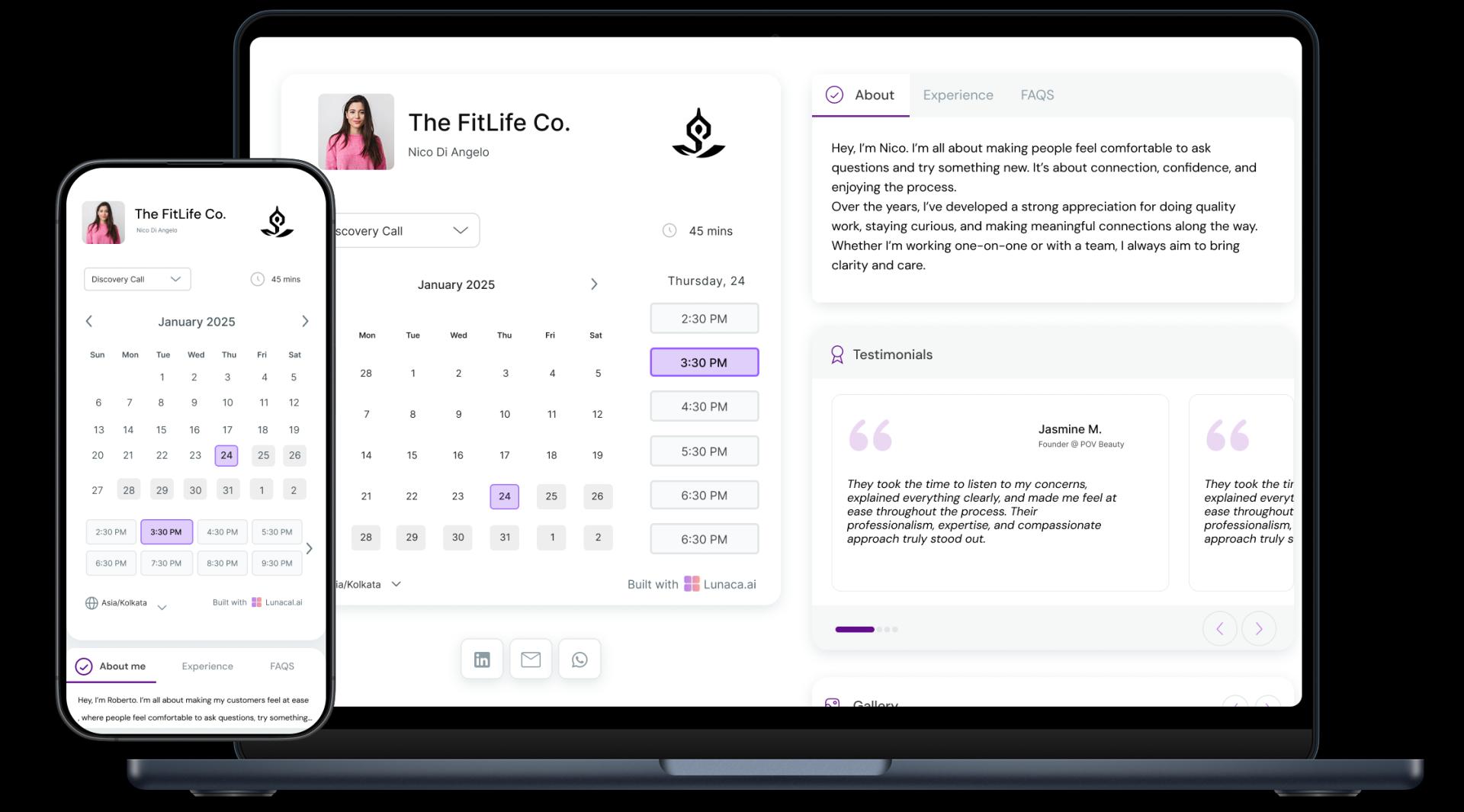
Show your method, levels, and what your studio is known for
Pilates isn’t one thing. Your Pilates scheduling software should let your booking page explain the difference between mat, reformer, tower, and chair, plus who each class is for. Add level guidance (beginner, mixed, advanced) and what people can expect in plain language.
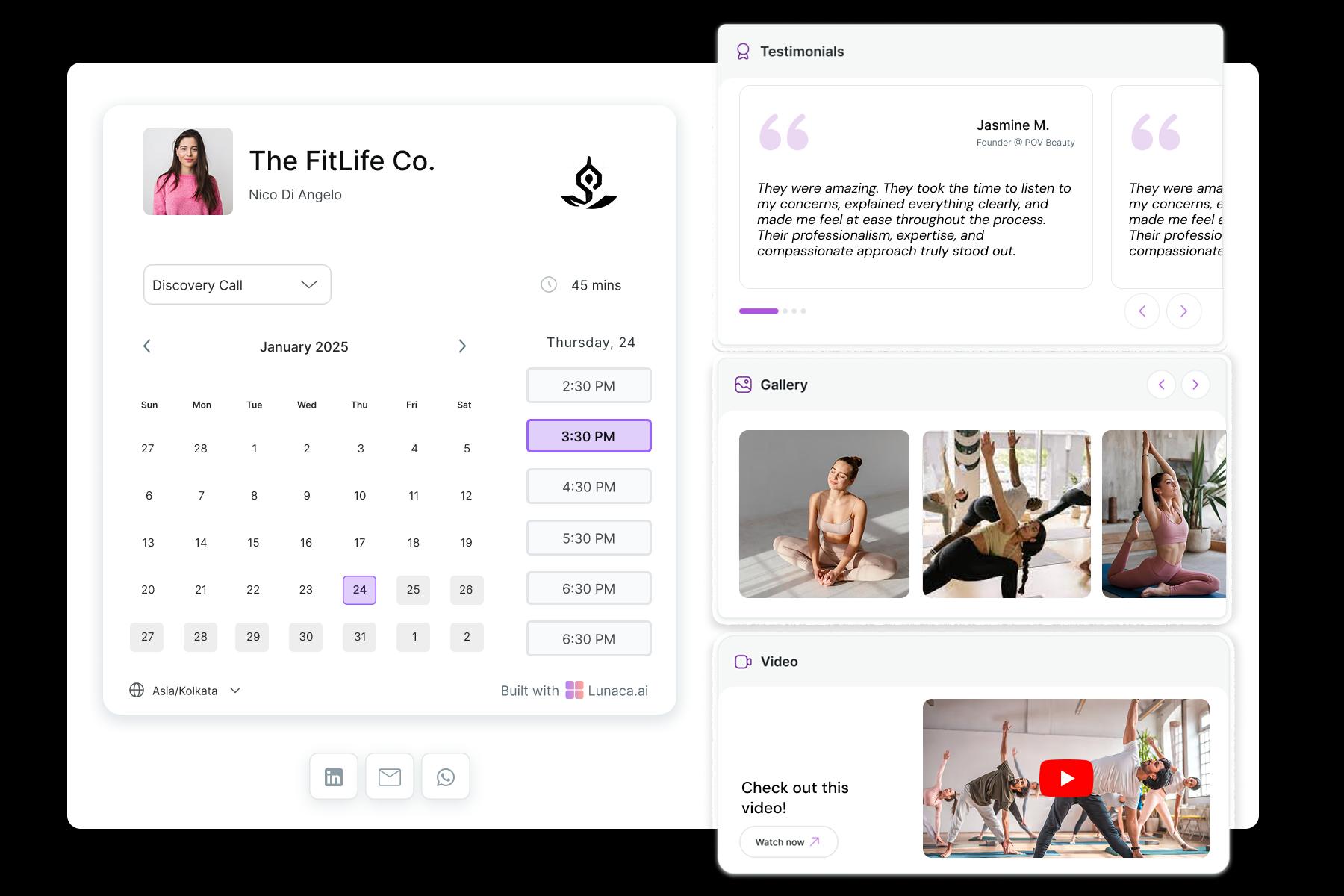
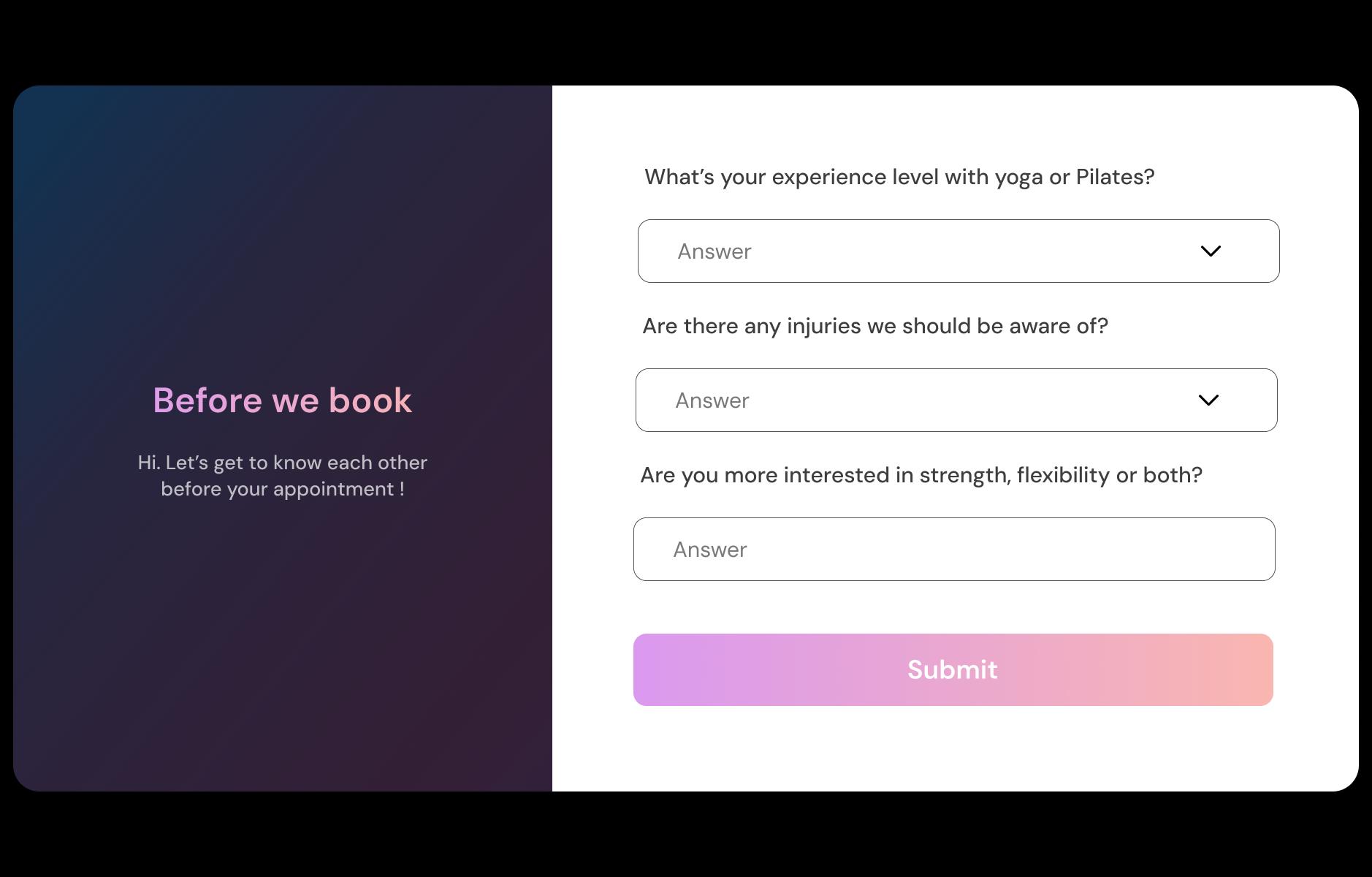
Capture level, injuries, and goals before they arrive
Ask what actually changes how you teach. Keep it simple and respectful. For example: - Experience: new to Pilates, returning, regular - Focus: posture, core strength, rehab-friendly, mobility - Notes: lower back, knees, postnatal, hypermobility This saves time and improves safety without turning it into a medical form.
Reduce no-shows and get clients ready to move
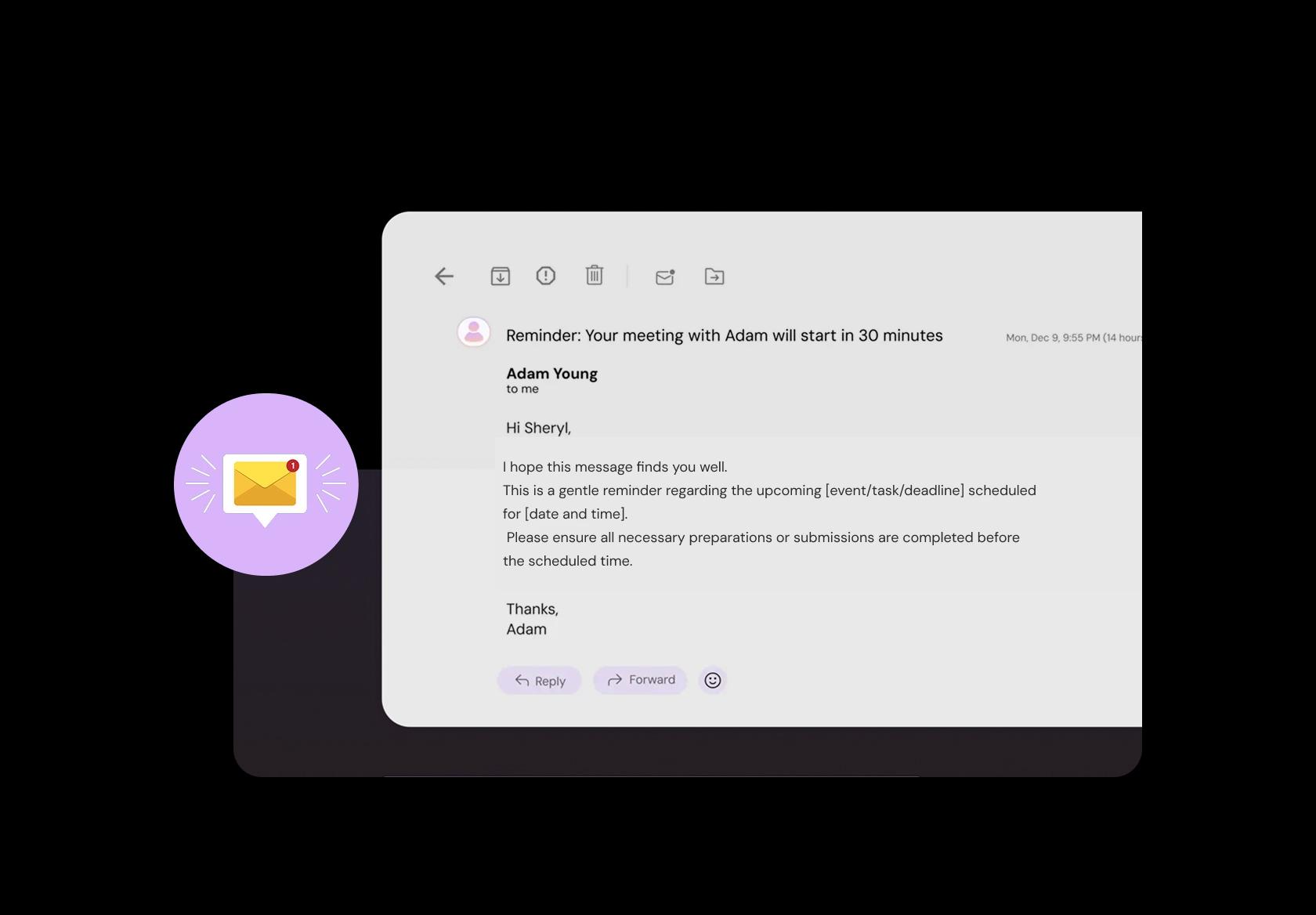
Missed classes ripple through the whole schedule, especially when there’s a waitlist. Reminders should include the practical stuff: start time, exact address or studio entry notes, what to wear, grip socks policy, and “arrive 5–10 minutes early.” Also repeat your late-cancel window so expectations are clear.
Support drop-ins, class packs, memberships, and privates
Studios rarely run on one pricing model. A solid Pilates class booking system lets clients pay for drop-ins, buy class packs, use membership credits, or pay for private sessions without awkward end-of-class payments. Receipts and credit balances should be visible so your front desk stays calm.

Run multiple studios, rooms, or traveling instructor schedules
If you teach across locations, bookings must map to the right place and setup. Use locations like “Studio A Room 1,” “Studio B Reformer Room,” or “On-site (client location).” Add location-specific rules like travel buffers, different capacities, and separate equipment availability so you don’t overbook the same reformers.
Configure mat, reformer, semi-private, and assessment sessions
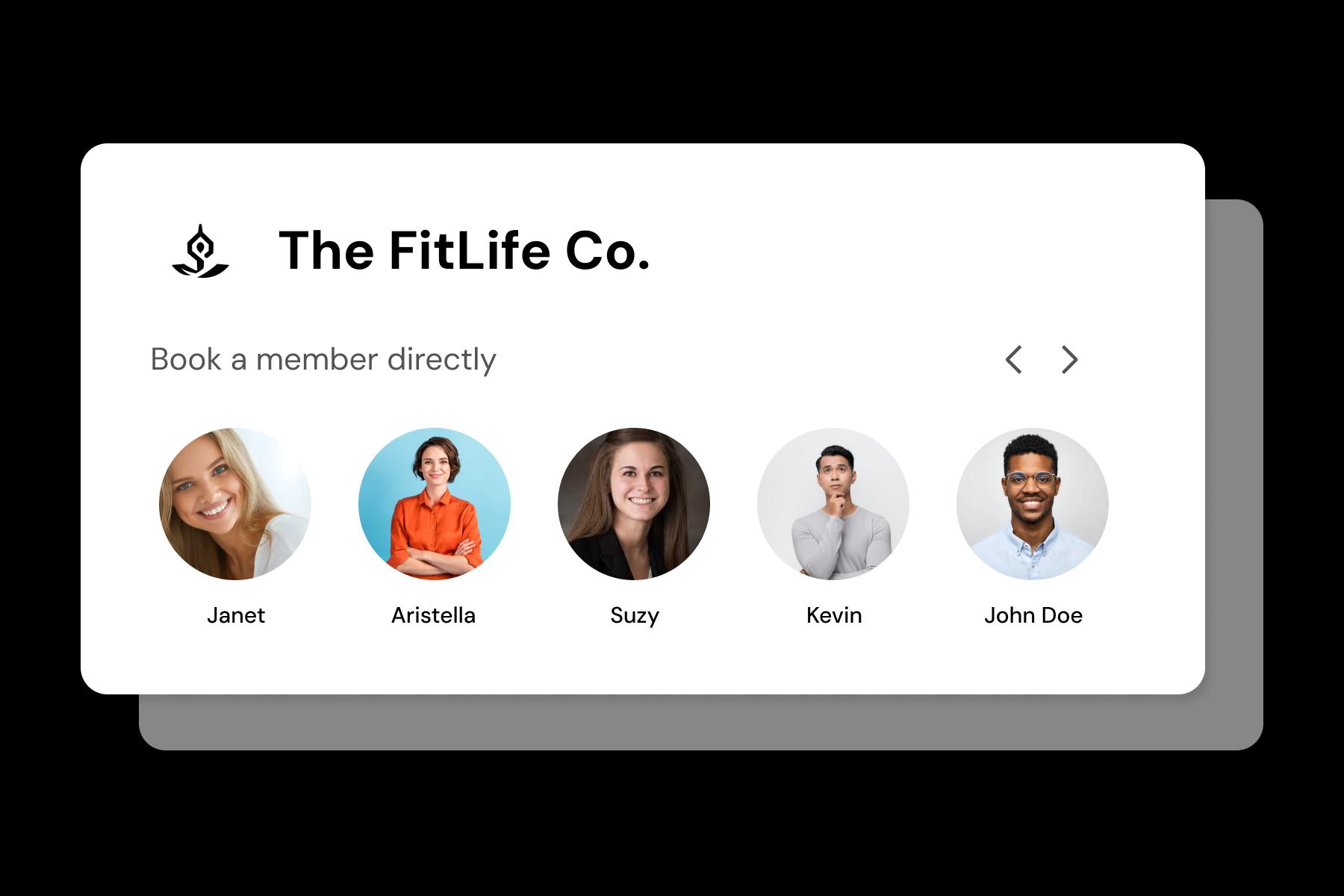
A 55-minute group reformer class is not the same as a 1:1 assessment or semi-private session. Define each service with its own duration, capacity, and prep needs. Include buffers for equipment reset and transitions so your day doesn’t turn into back-to-back chaos.
Balance private sessions across instructors automatically
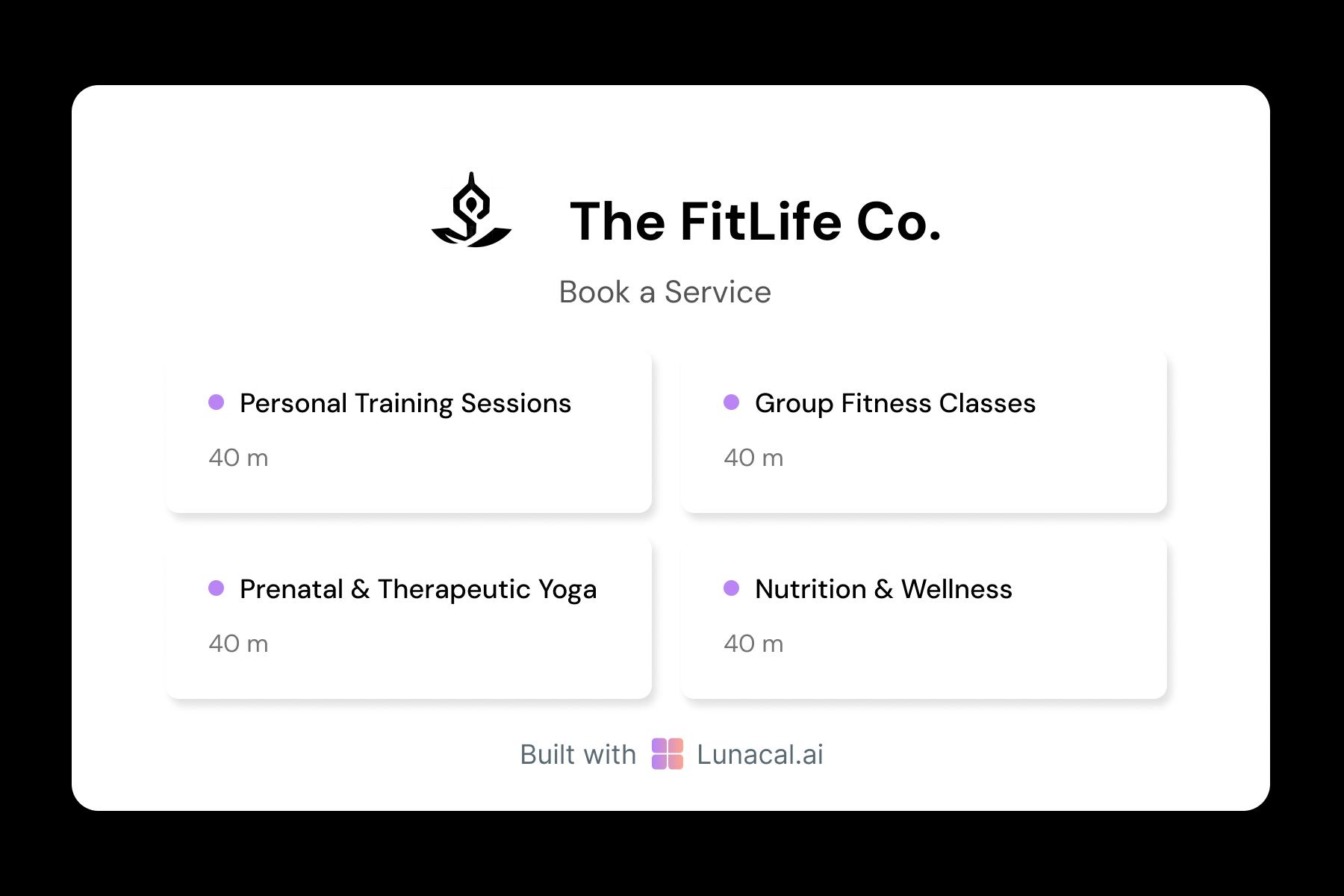
For 1:1s, round-robin is the easiest way to avoid one instructor being overloaded while another has gaps. It works best when tied to instructor-specific availability and skills (reformer, prenatal-friendly, rehab-focused). Clients get faster booking options, and you avoid manual assignment messages.
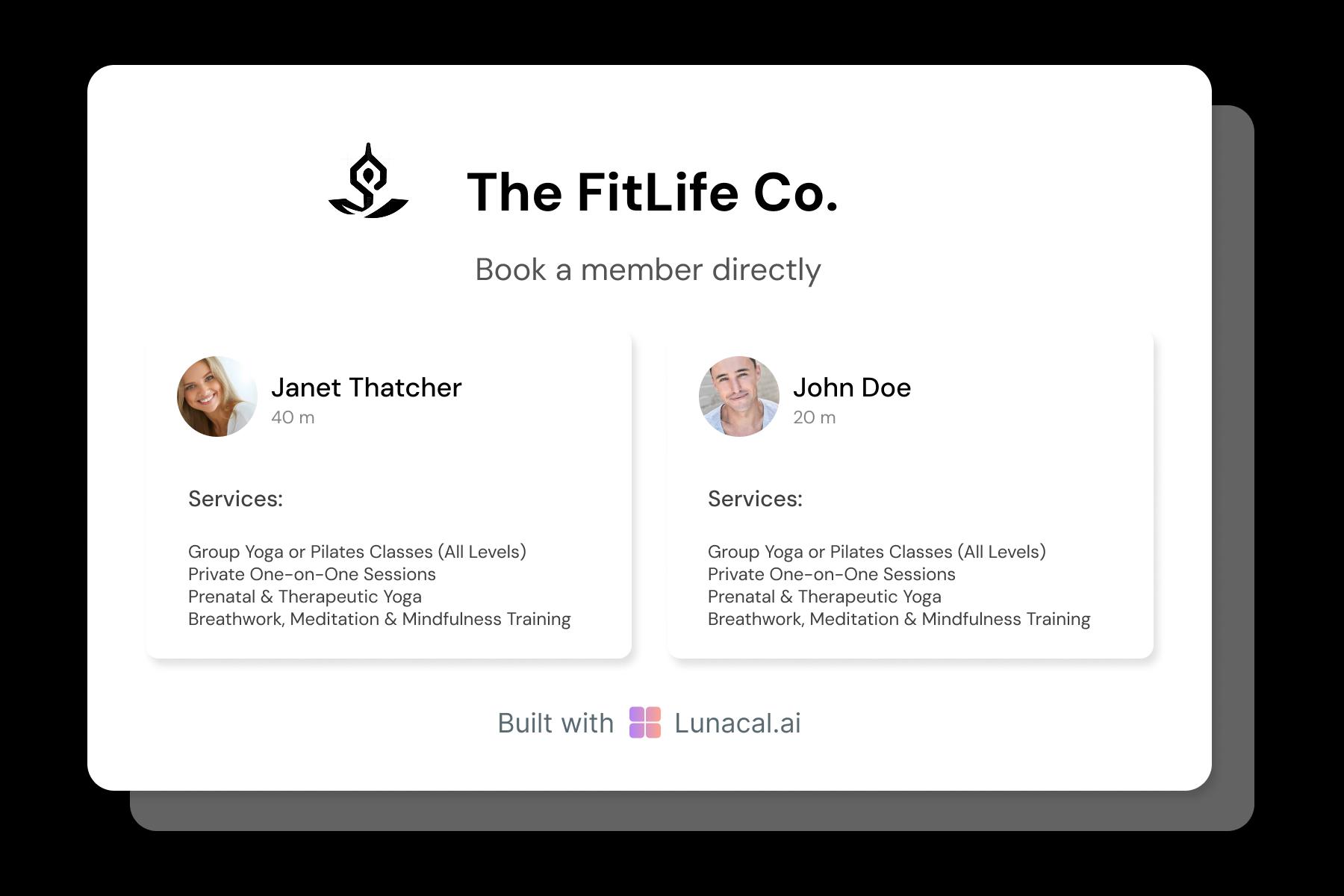
Help clients pick the right teacher for their body
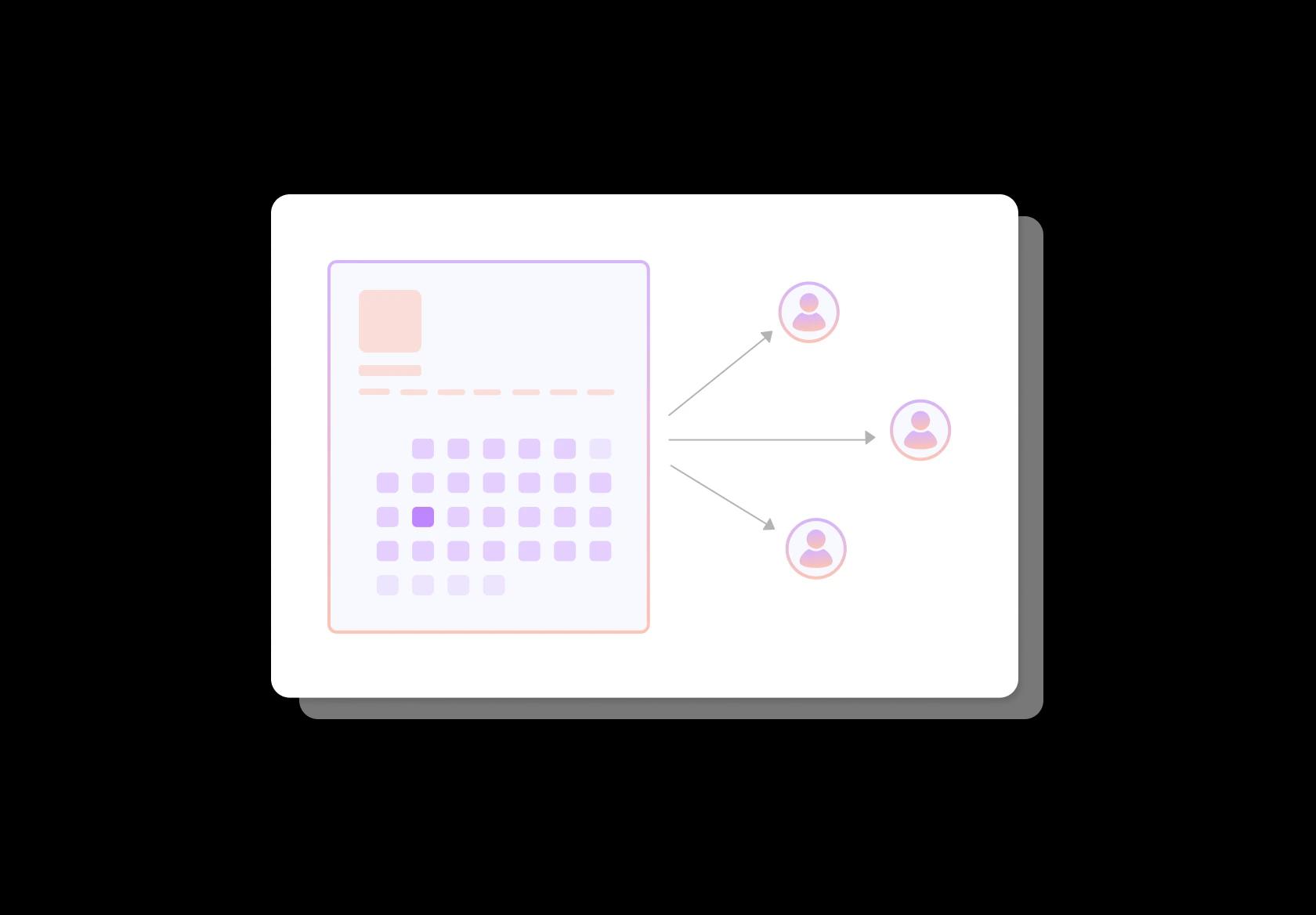
People often book the instructor, not the time slot. Add short bios that mention certifications, teaching style, and focus areas (posture, athletes, beginners, recovery). If you serve a global audience, include languages spoken. This improves fit and reduces first-session anxiety.
Adjust schedules for peak demand and recovery time
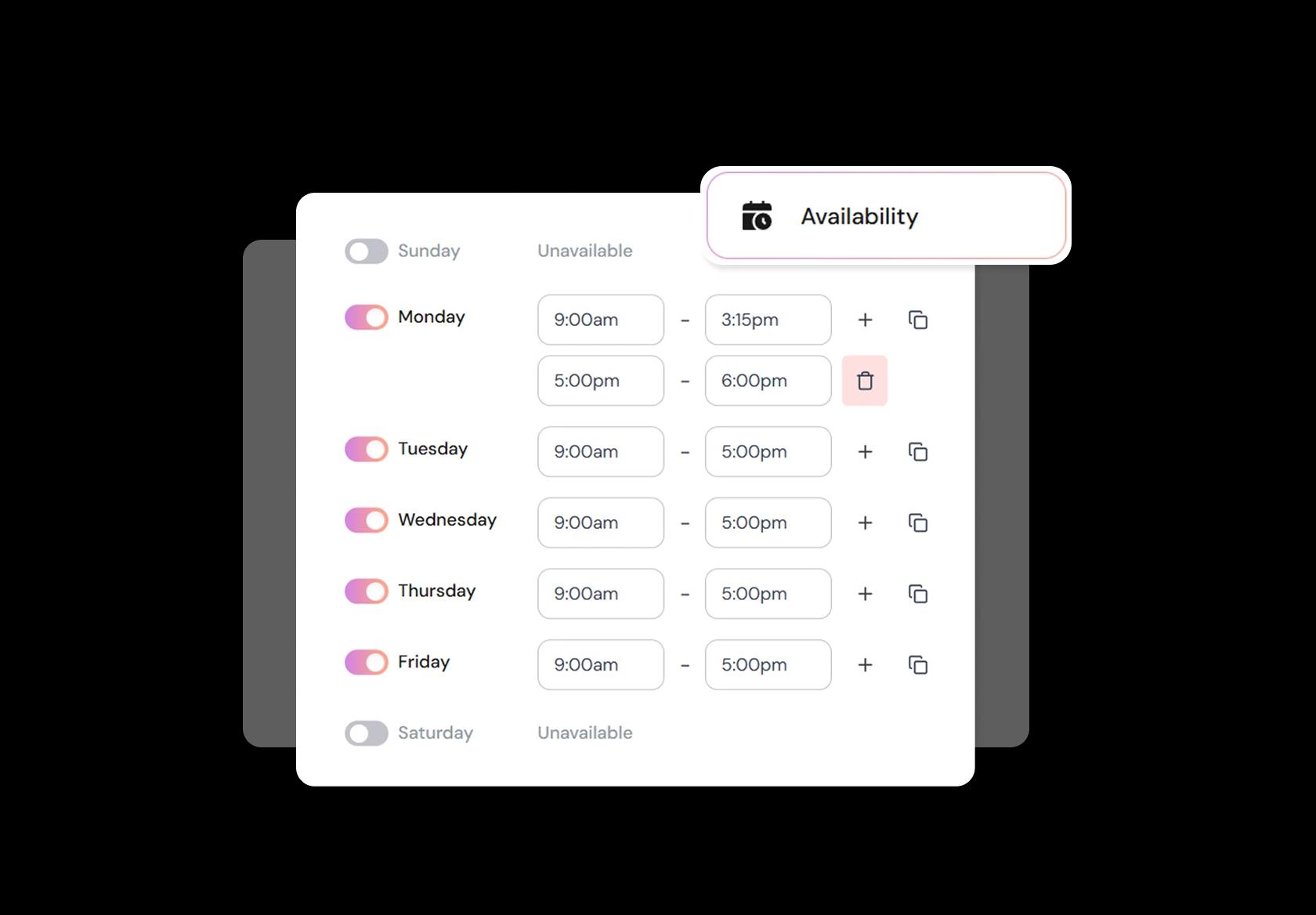
Pilates schedules change weekly: teacher training, injuries, holidays, seasonal spikes, and new class experiments. Good availability tools let you set recurring classes, block time off, add temporary extra sessions, and enforce minimum notice. That means fewer “can you move me?” emails and a more reliable timetable.
One link that turns interest into booked sessions
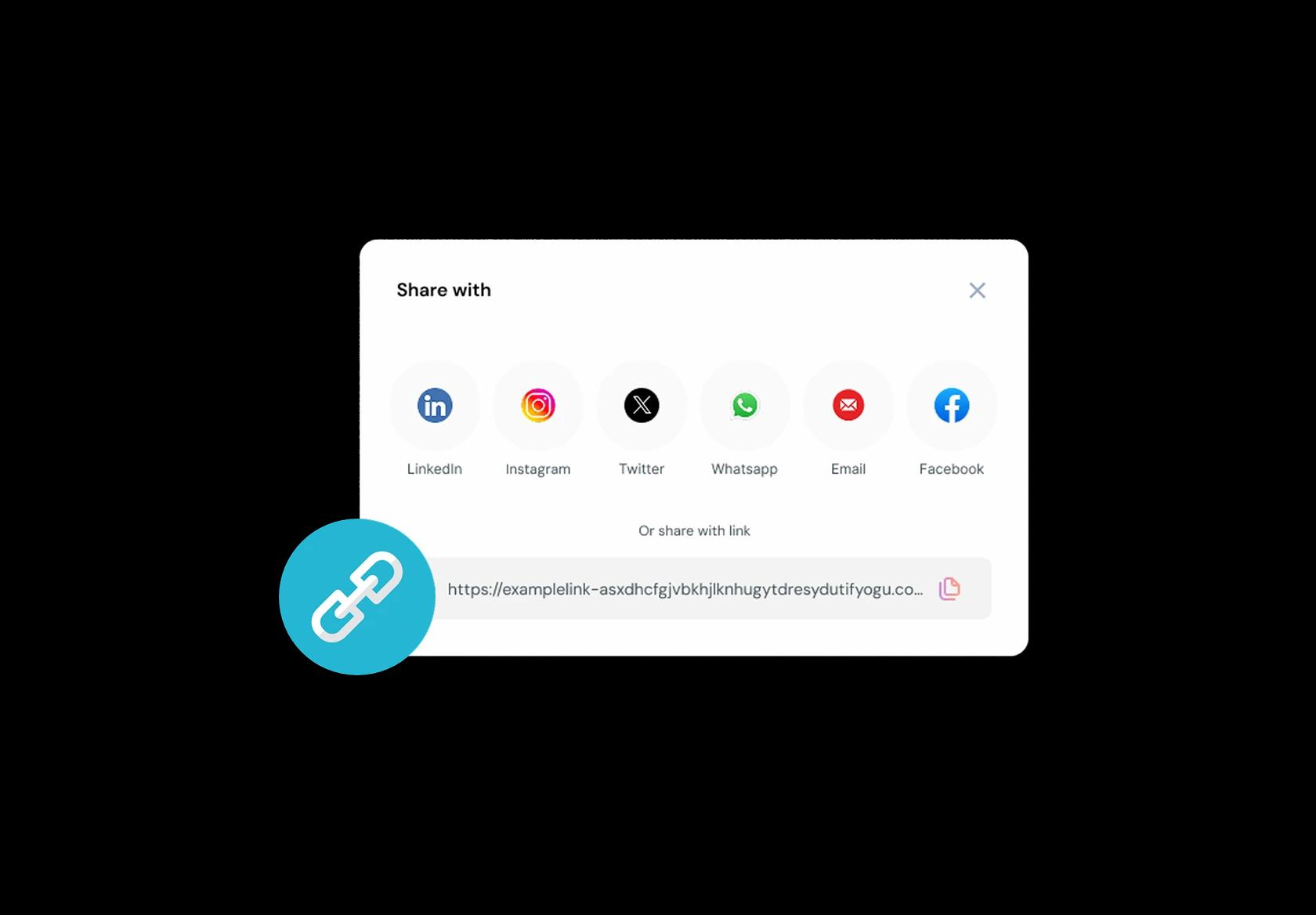
A single Pilates appointment booking link should work wherever clients discover you: Instagram bio, WhatsApp, email signature, Google Business Profile, your website, and QR codes on posters. The link should land them on the right class schedule with clear pricing and next available times. No hunting, no confusion.
No commission, No license fees.
Just simple, fair pricing
(save upto 20%)
Standard
- Unlimited Calendars & Services
- Connect Online Meeting Tool
- Payments via Stripe, PayPal
- Text / Email Reminders
- Customize your booking page
Teams
- All Standard Features
- Teams Scheduling
- Multi-session Packages
- Round-robin Scheduling
- Webhooks
Enterprise
- AI Voice Agent
- Account Manager
- Complete Branding
- MCP Server (Beta)
- SSO




Pilates Booking Software Playbook
A Pilates booking system isn’t just “pick a time.” It’s capacity, equipment, instructor rules, client safety notes, and credits that must add up without manual back-and-forth.
Design your menu like a real Pilates studio sells sessions
Your Pilates scheduling software should mirror how clients actually buy: intros, privates, semi-privates, and equipment-based classes.
- Separate Intro / Foundations from regular classes so new clients don’t book advanced formats too early.
- Split sessions by delivery: Mat, Reformer, Tower, Chair, Barre-Pilates, or “Mixed Equipment” if your studio runs combos.
- Keep clear session types: Private, Semi-private, Group class, and Online (if applicable).
- Use names that travel globally: “Reformer Basics (Beginner)” beats inside-jargon that only locals understand.
Make capacity and equipment rules non-negotiable
This is where generic appointment tools fail. Pilates class booking needs equipment-aware capacity, not just headcount.
- Set capacity by equipment count, not room size. “6 reformers” is the real limit even if the room fits 12 mats.
- Handle mixed formats cleanly: a “Reformer + Mat” class should reserve reformer spots separately from mat spots.
- Block equipment for maintenance or instructor training without deleting classes.
- If you run semi-privates, keep capacity tight and attach it to the right instructor to avoid awkward double-booking.
Build instructor scheduling around transitions, not just time
Pilates sessions have setup, cueing notes, and client transitions that don’t show up on a calendar grid.
- Add buffers for changeovers, especially between reformer sessions where equipment settings vary by client.
- Prevent back-to-back start times that force instructors to rush. Buffers protect quality and reduce late starts.
- Support substitutions: allow an admin to swap instructors without breaking client notifications or attendance lists.
- If instructors teach in multiple locations, make sure your Pilates appointment booking respects external calendar conflicts.
Collect the intake details that actually affect a Pilates session
A Pilates booking system should capture readiness and constraints upfront, so instructors aren’t surprised mid-session.
- Experience level: brand new, returning after a break, intermediate, advanced.
- Goals: rehab, strength, mobility, posture, prenatal/postnatal support, sport conditioning.
- Constraints: injuries, surgeries, pain triggers, pregnancy status, physician guidance if relevant.
- Session preference: slower pace, more cueing, “focus on back/hips/shoulders,” or equipment comfort level.
- Waiver and emergency contact capture (keep it simple, globally understandable language).
Make credits, packs, and memberships behave predictably
Pilates booking software wins when pricing rules map cleanly to session types, without staff having to “fix it later.”
- Create separate credits for Private vs Semi-private vs Group classes if your pricing differs.
- Support class packs with expiry rules that are visible at checkout (avoid surprises and support tickets).
- If you run memberships, define what’s included: weekly classes, monthly credits, rollover rules, and pause policies.
- Handle intro offers safely: limit to new clients and prevent repeat abuse without turning the experience hostile.
Use waitlists and cancellation rules that protect attendance
Pilates studios live and die on filled reformers and predictable attendance. Your Pilates scheduling system should automate the boring enforcement.
- Enable waitlists with clear cutoff times so clients aren’t added 10 minutes before class.
- Auto-promote from the waitlist and require quick confirmation to reduce last-minute empty spots.
- Define late-cancel rules by format: privates often need stricter notice than group mat classes.
- Offer a one-tap reschedule link in confirmations. A reschedule beats a no-show every time.
Send confirmations that reduce “what should I do?” messages
The best Pilates class booking system answers common questions before clients ask them.
- Include arrival guidance: “arrive 10 minutes early,” studio address, parking notes, and what to bring.
- Set expectations: grip socks policy, late-entry rules, and whether phones are allowed in-studio.
- For online sessions, include the class link and a simple checklist (space, mat, band, camera optional).
- Use reminders that match behavior: one the day before and one a few hours before works well for most studios.
Copy-paste policies that look professional and avoid arguments
Clear policies reduce friction and make your Pilates appointment booking feel reliable.
- Late arrival: “If you arrive late, you may not be able to join once class has started, to keep the session safe and uninterrupted.”
- Cancellation window: “Please cancel or reschedule before the cutoff time shown in your booking confirmation to avoid a late-cancel fee.”
- Waitlist: “If a spot opens up, you’ll be notified. Please confirm quickly so we can offer it to the next person.”
- Health note: “If you’re dealing with pain, recent surgery, or pregnancy, please share details in your intake notes so the instructor can adapt the session.”
Track the studio metrics that tell you what to fix next
These are the numbers that help Pilates studio scheduling improve week over week without guessing.
- Fill rate by format: reformer vs mat vs semi-private vs private.
- Waitlist pressure: how often classes hit waitlist and how many convert into attendance.
- Late cancels and no-shows by time slot and instructor (patterns usually show up fast).
- Revenue per hour of equipment time (especially important for reformer-heavy studios).
- Repeat rate from intro session to paid pack or membership.
Authored & Reviewed by:
Pranshu Kacholia is the founder of Lunacal.ai, a calendar scheduling and appointment booking system. He works directly with businesses of all sizes to improve booking outcomes - reducing no-shows, cutting back-and-forth, and making scheduling more reliable and efficient. His day-to-day includes reviewing real scheduling setups and edge cases: complex availability and buffers, time zones, routing, cancellation/rescheduling rules, paid meetings and deposits, reminder workflows, and integrations with calendars and meeting tools. He regularly shares appointment scheduling best practices through interviews and community conversations (see this interview and this discussion) and also writes about calendar scheduling (read the article on Medium). He has first-hand experience of using 40+ scheduling tools such as calendly, acuity scheduling, vagaro, fresha, tidycal, square, setmore etc. and understands product nuances deeply.
Lunacal.aiCalendlyAcuity SchedulingSquare AppointmentsSetmoreDoodleBooksyMindbodyFreshaSimplyBook.meHoneyBook


