Driving School Scheduling Software
Lesson scheduling with instructor + vehicle booking, pickup/drop fields, lesson packs, test slots, cancellations, reminders, & reschedule rules.
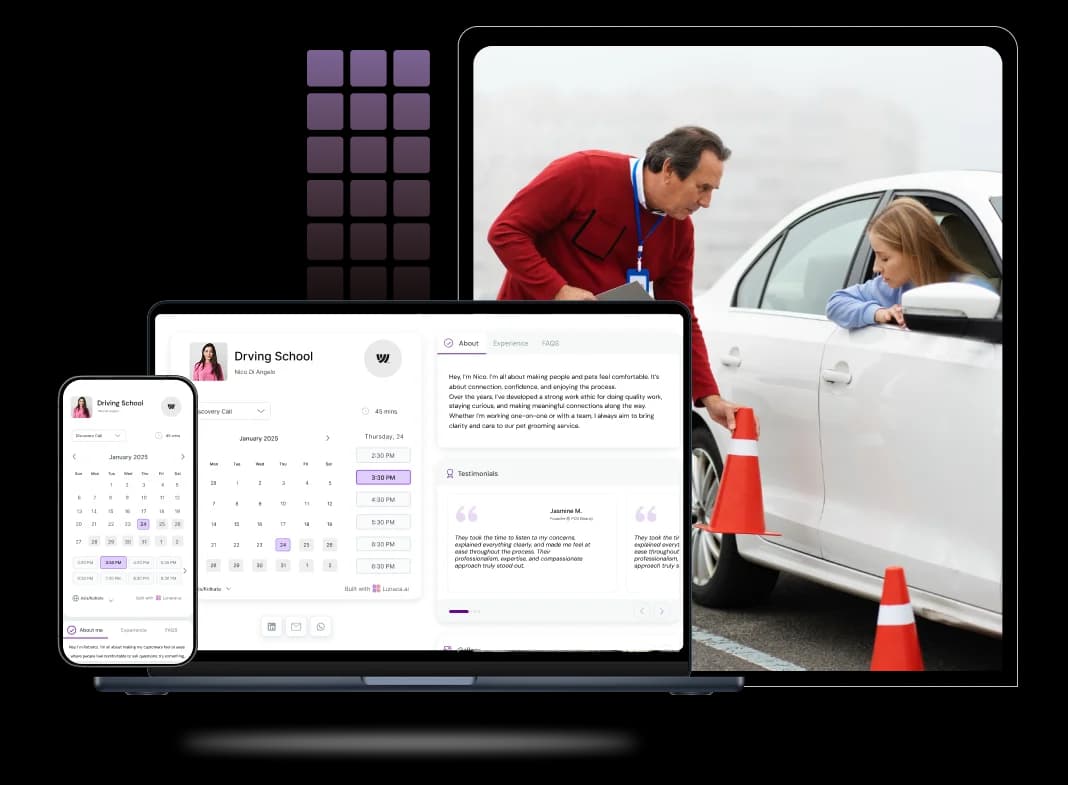
Booking features for lessons, instructors, and retests
Let students book lessons and tests without calling
A lot of students book after work, late at night, or between classes. Driving school booking software should show only real availability, including pickup time, travel gaps, and instructor limits. Students pick a slot, confirm details, and get an instant confirmation instead of phone tag.
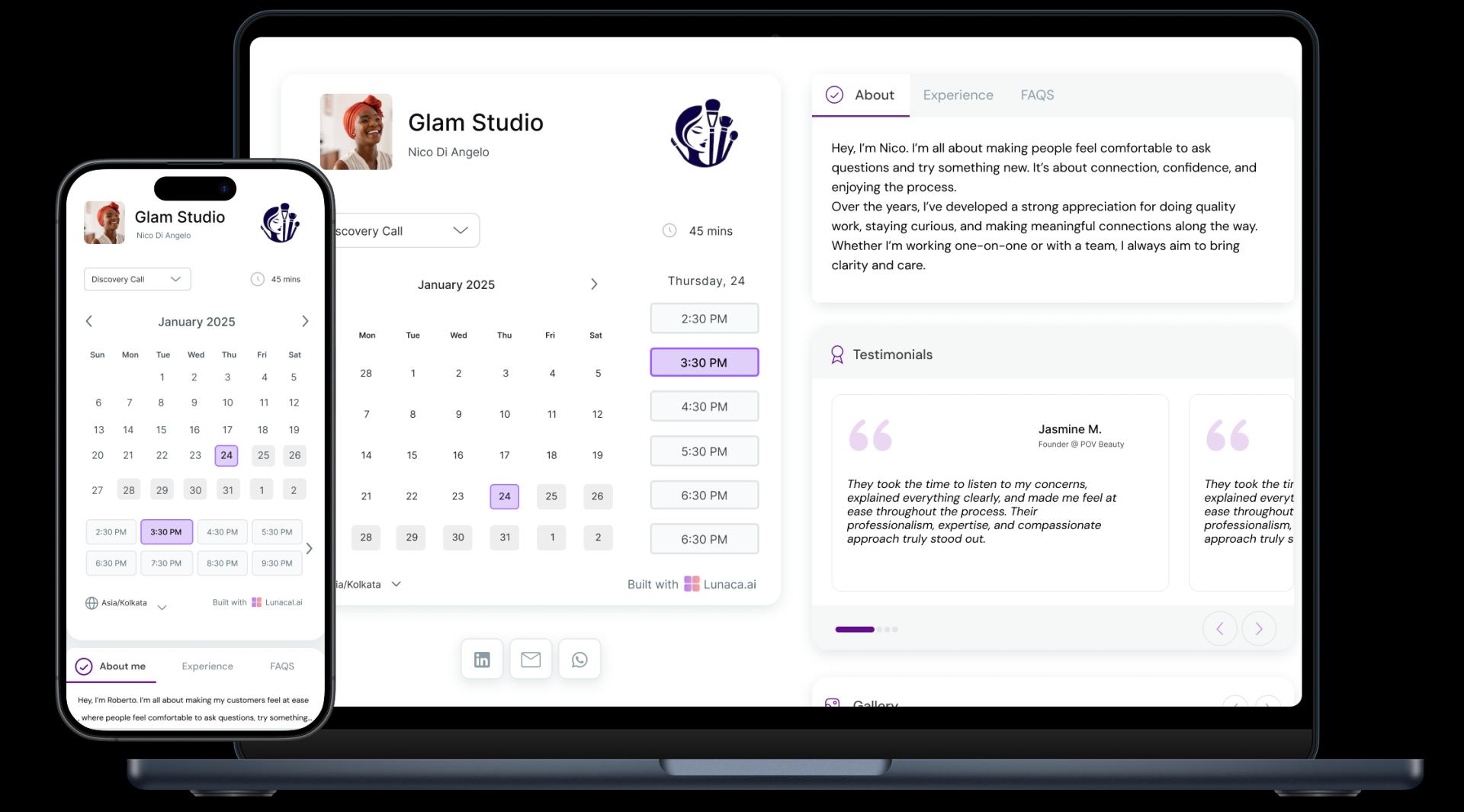
Show packages, instructors, vehicles, and license prep
Most students don’t know what to book: 1 lesson, 10 lessons, or “test-ready” training. Use the booking page to explain options like manual vs automatic, highway lessons, mock tests, and license-test prep. Good driving school scheduling software makes your services feel clear and organized before they even message you.
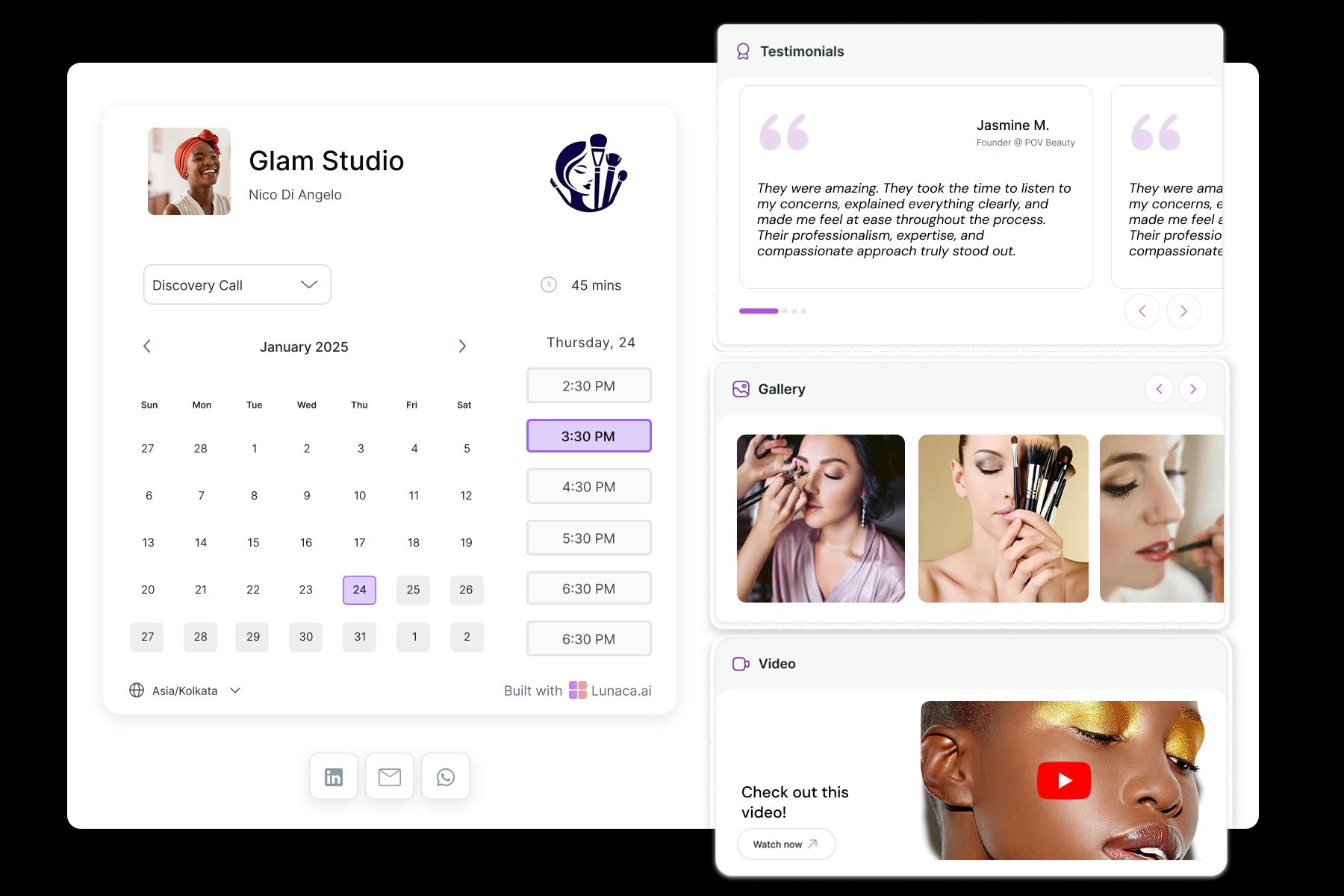
Collect license stage, experience, pickup, and car preference
Ask the stuff that usually shows up in 12 back-and-forth texts: license stage (learner, G2, full), confidence level, past driving hours, preferred transmission, pickup address, and test date. This helps you assign the right instructor and vehicle and prevents day-of confusion at the curb.
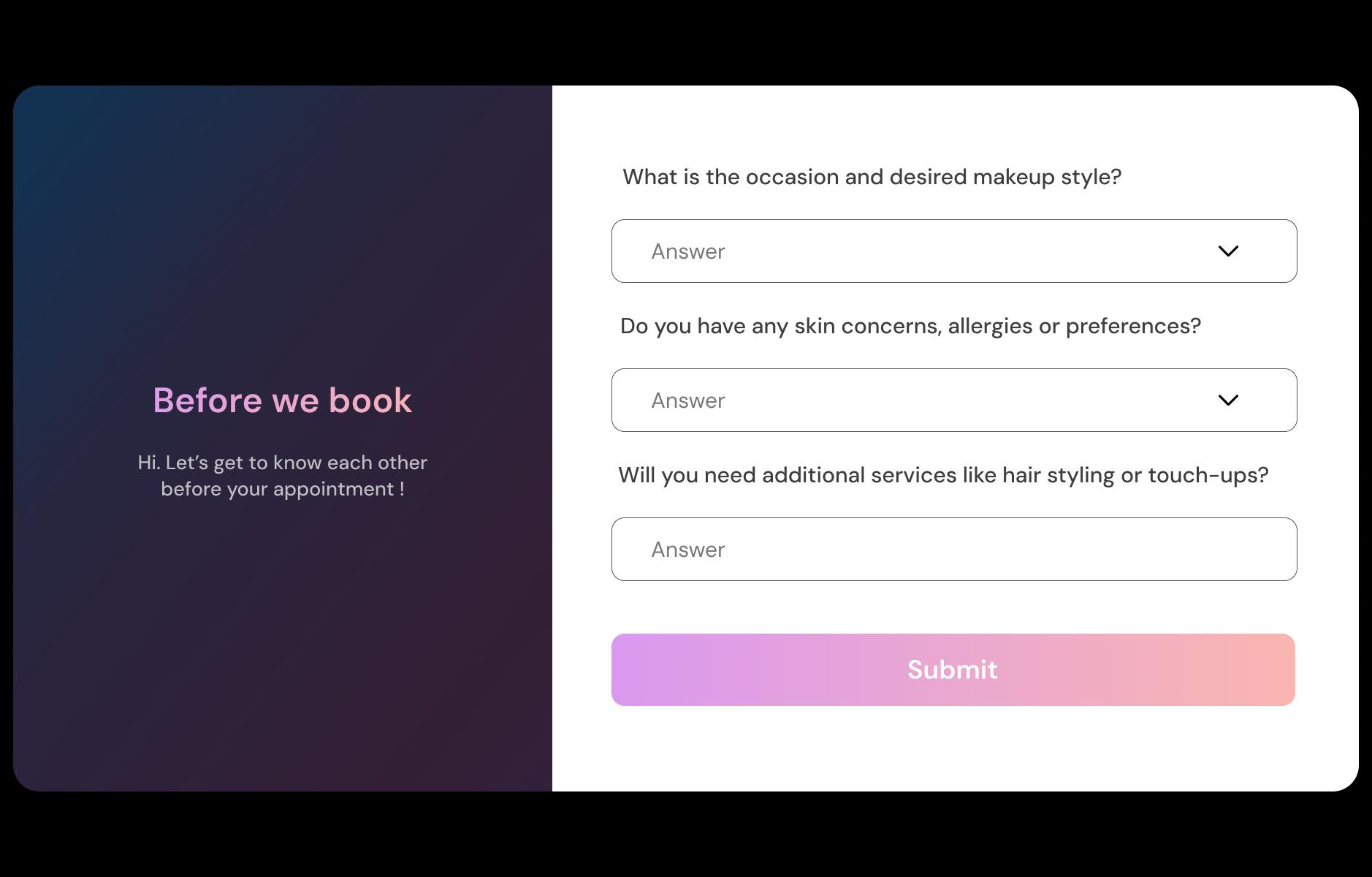
Reduce no-shows with pickup and “what to bring”
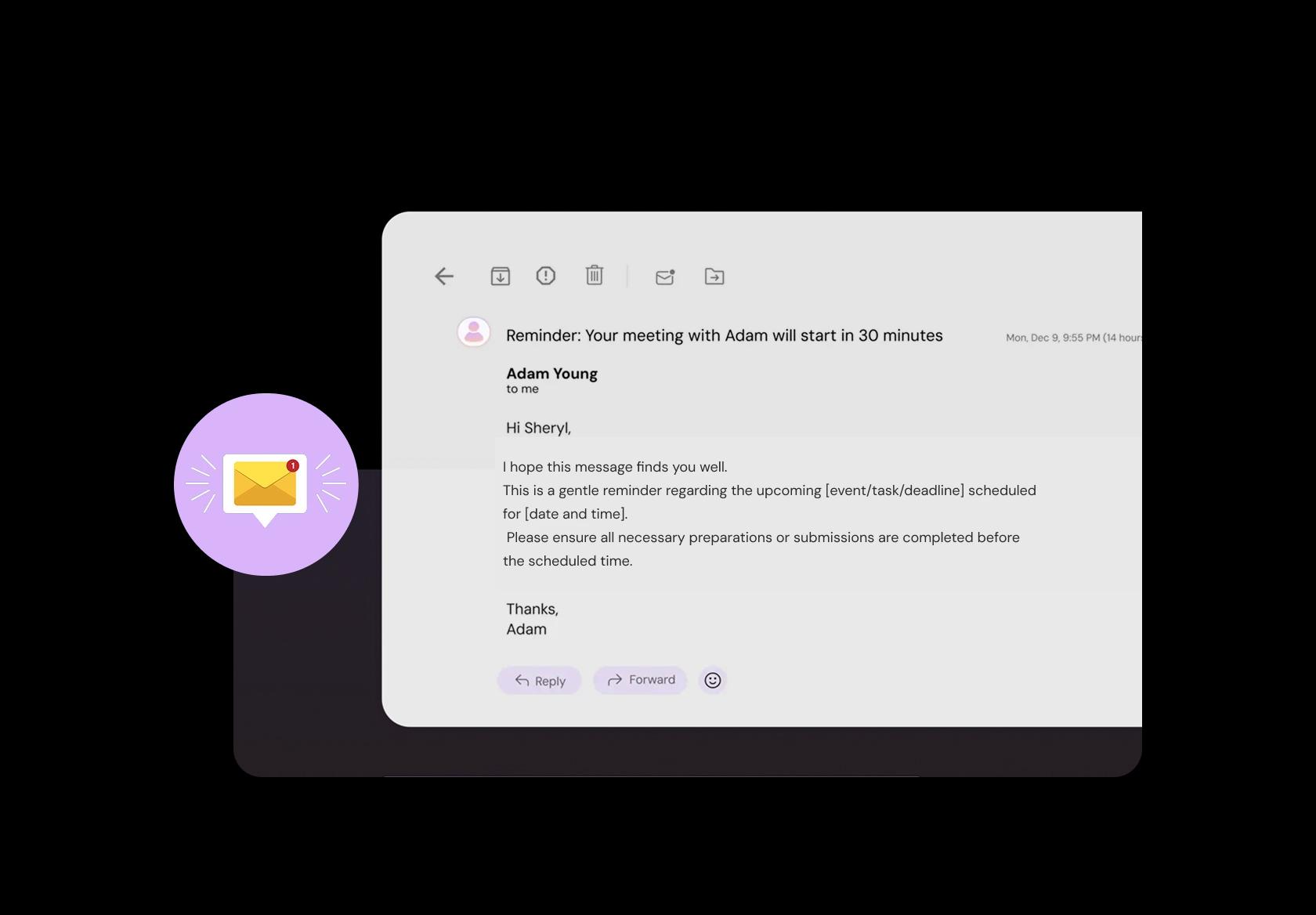
No-shows happen because students forget, panic, or show up missing documents. Send reminders 48 hours and 24 hours before with pickup point, instructor name, and a checklist (ID, learner permit, glasses if needed, forms). For first-timers, add a simple “what we’ll do in lesson one” so they arrive calmer.
Take deposits or full payment at booking
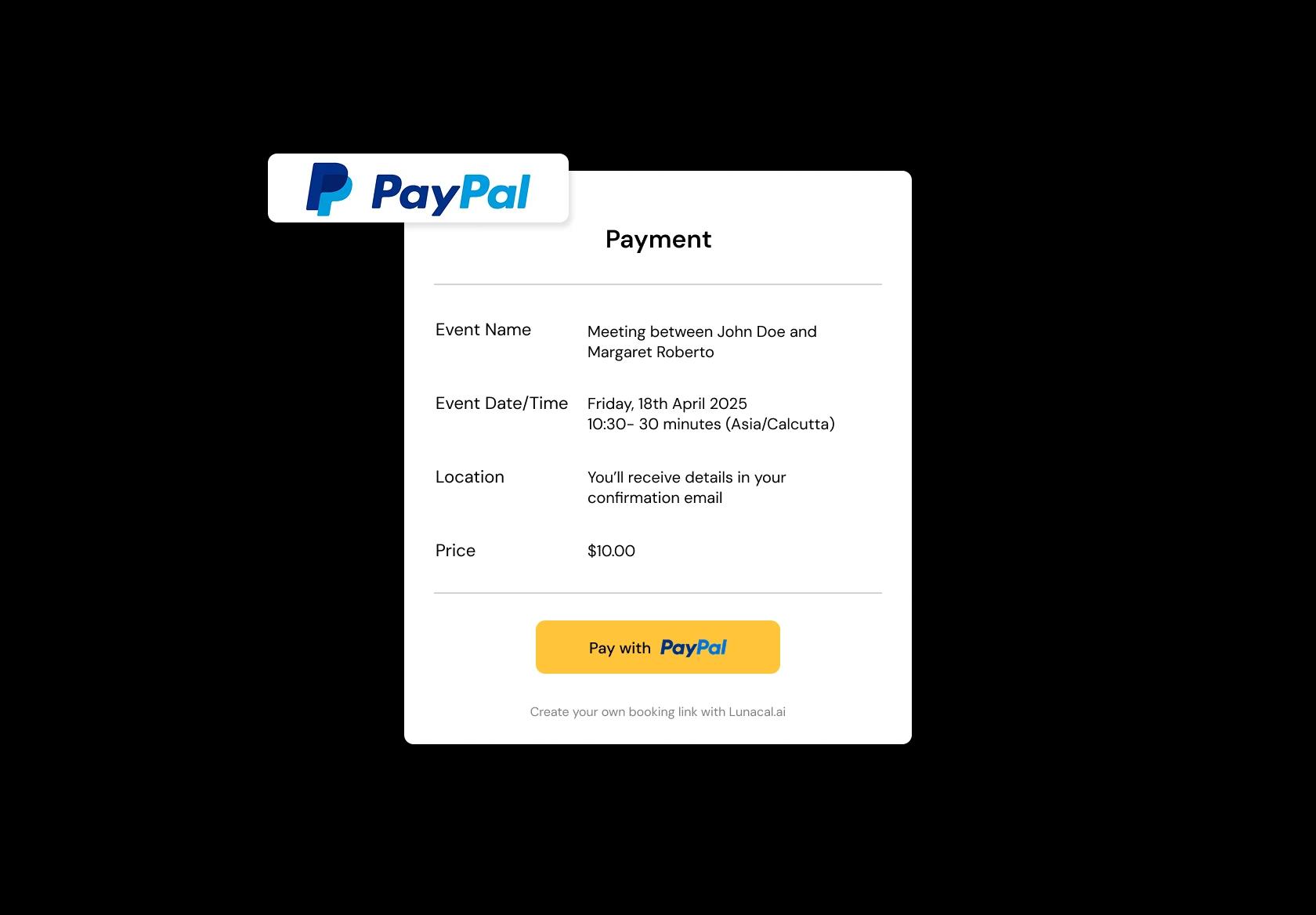
Deposits reduce last-minute cancellations, especially around weekends and test seasons. Let students pay per lesson or buy a bundle up front. With driving school booking software, payment should trigger the confirmation automatically, so you’re not chasing screenshots or doing awkward follow-ups after every booking.
Schedule across branches, pickup zones, and test routes
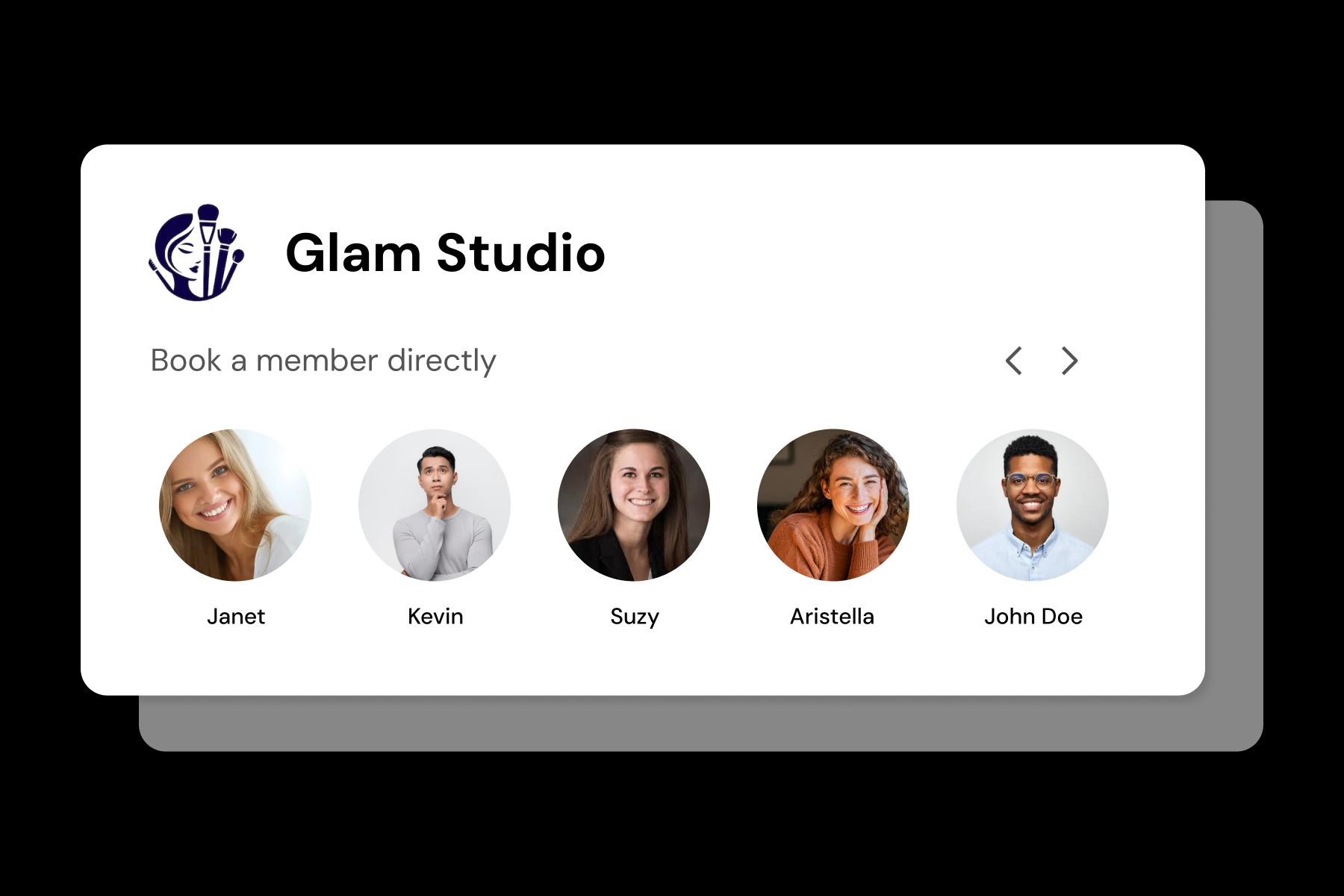
Driving schools don’t run from one room. You’ve got pickup zones, training lots, and routes near test centers. Set locations like “Branch A”, “Downtown pickup”, “Test center route”, or “Private lot training” with different hours and buffers so two instructors don’t get scheduled for the same vehicle in two places.
Separate lessons, evaluations, mock tests, and refreshers
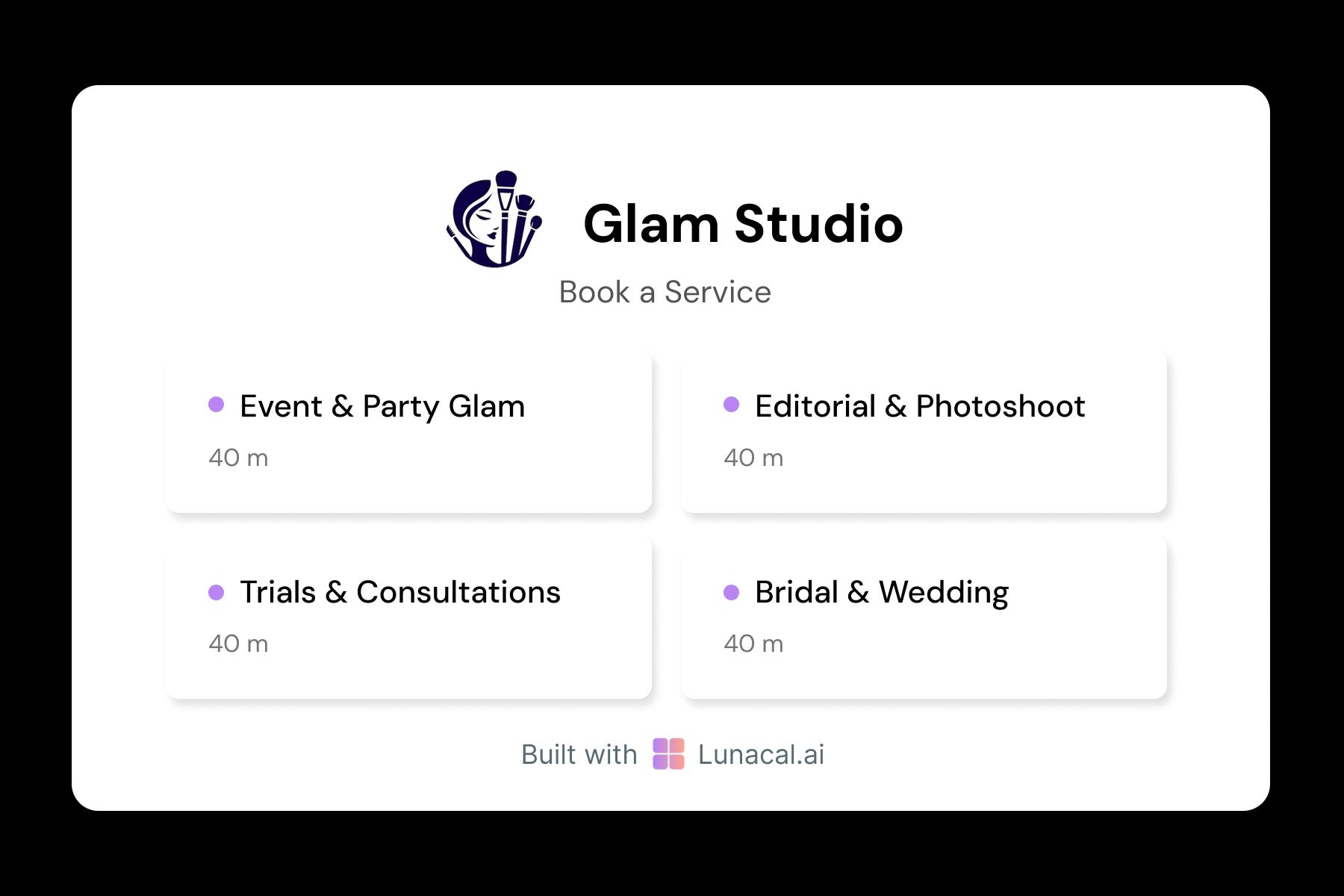
A 45-minute beginner lesson and a 2-hour pre-test mock drive are completely different jobs. Create services with clear names, durations, and rules: beginner basics, parking practice, highway session, confidence refresher, road-test mock. This keeps students from booking the wrong thing and keeps your day from turning into chaos.
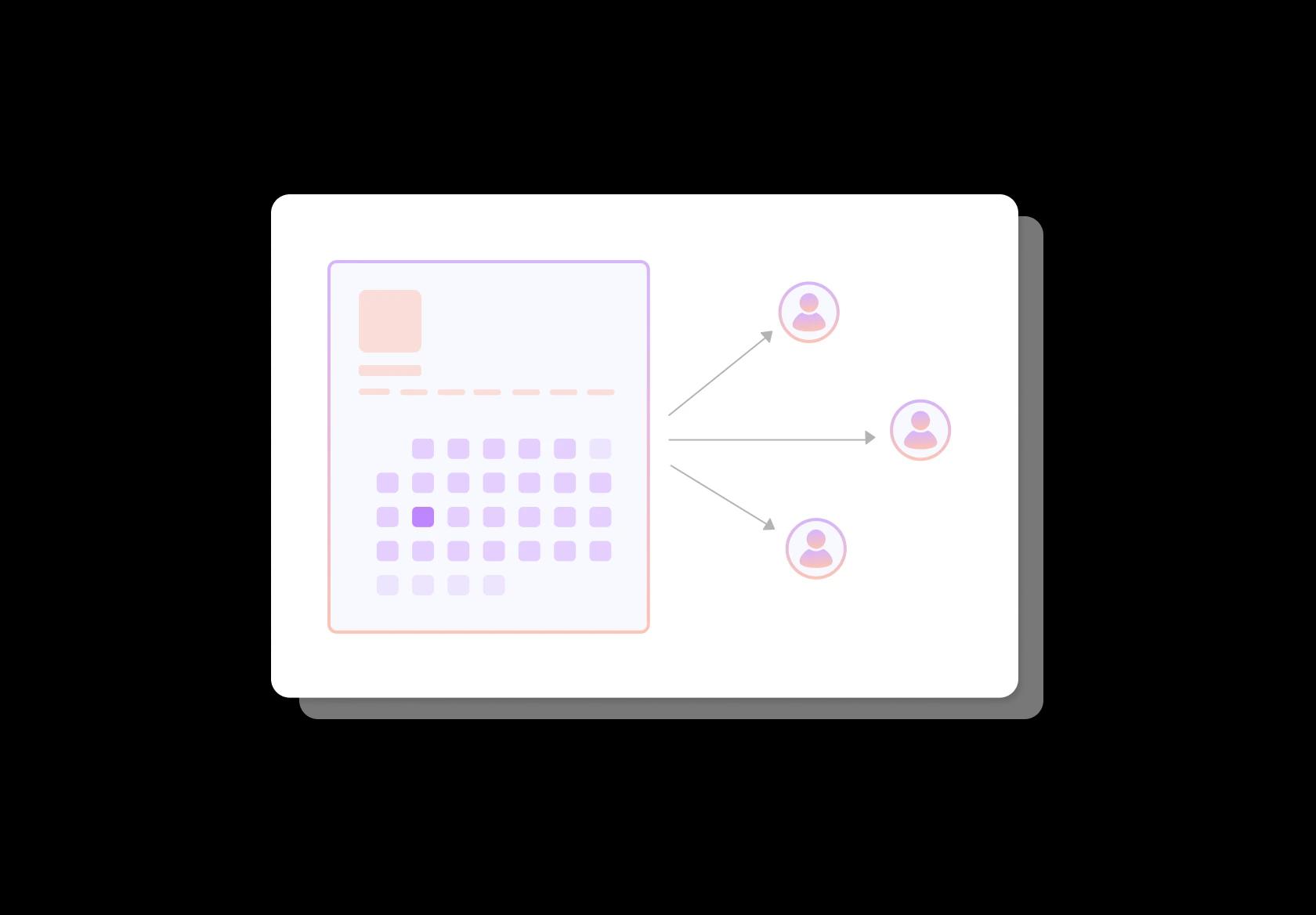
Share new bookings fairly across instructors
If you have multiple instructors, round-robin assignment prevents “one instructor is slammed while another is free”. It also speeds up first bookings, which matters because many students call 3 schools and pick whoever can start earliest. Fair distribution plus faster availability is a real advantage.
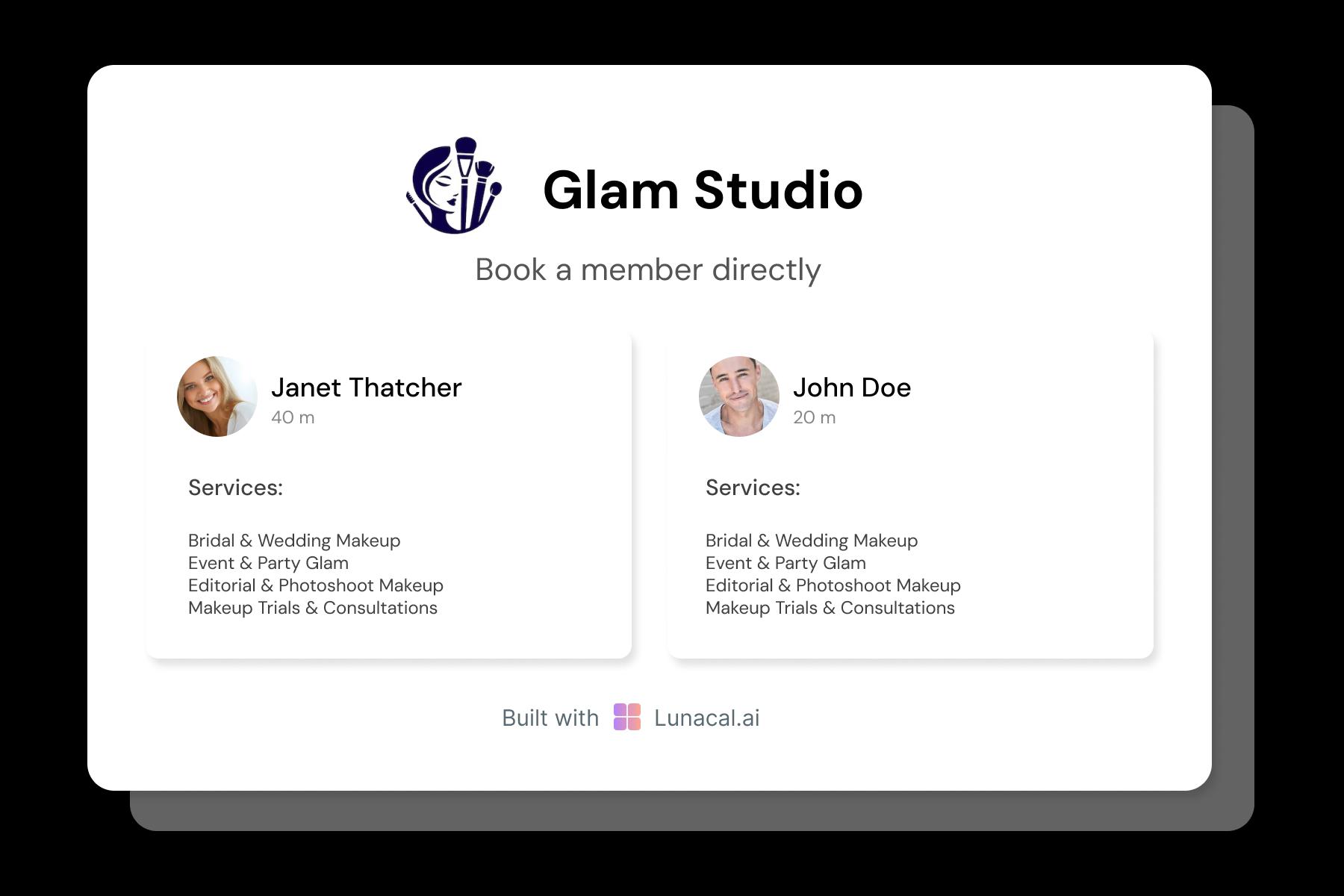
Help students choose by teaching style and comfort
Students aren’t just buying time, they’re buying confidence. Show short instructor bios: teaching style (calm, structured, direct), languages spoken, areas covered, and specialties (nervous drivers, highway, test prep). Let them pick a person, or choose “any available” for the earliest slot.
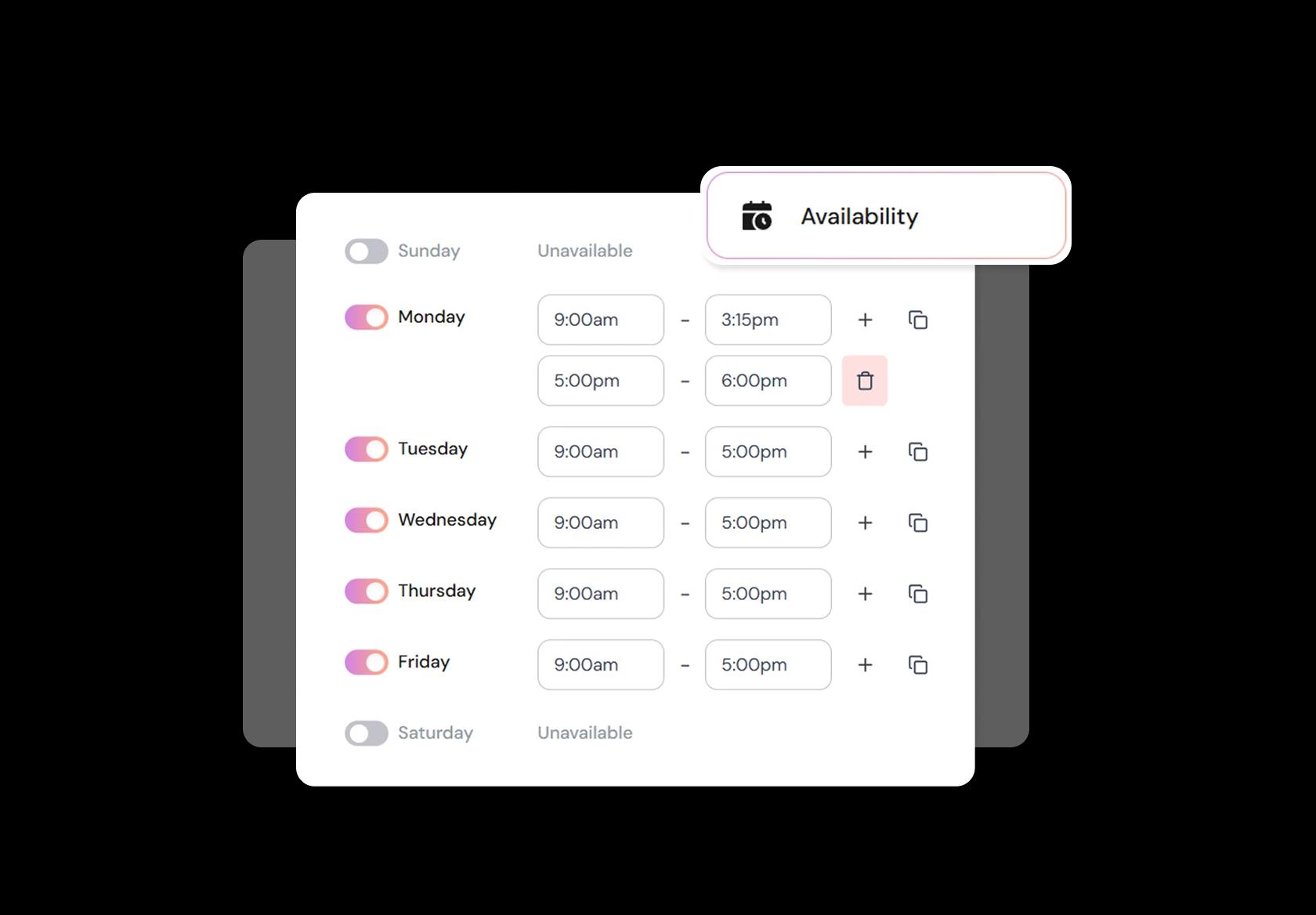
Block test-day windows, holidays, breaks, and car downtime
Test dates, public holidays, instructor leave, and even car maintenance can destroy a schedule fast. Scheduling software for driving schools should let you block time instantly without manually rescheduling the whole week. Add buffers between pickups, cap lessons per day, and set minimum notice so you’re not getting “can I start in 30 minutes?” requests.
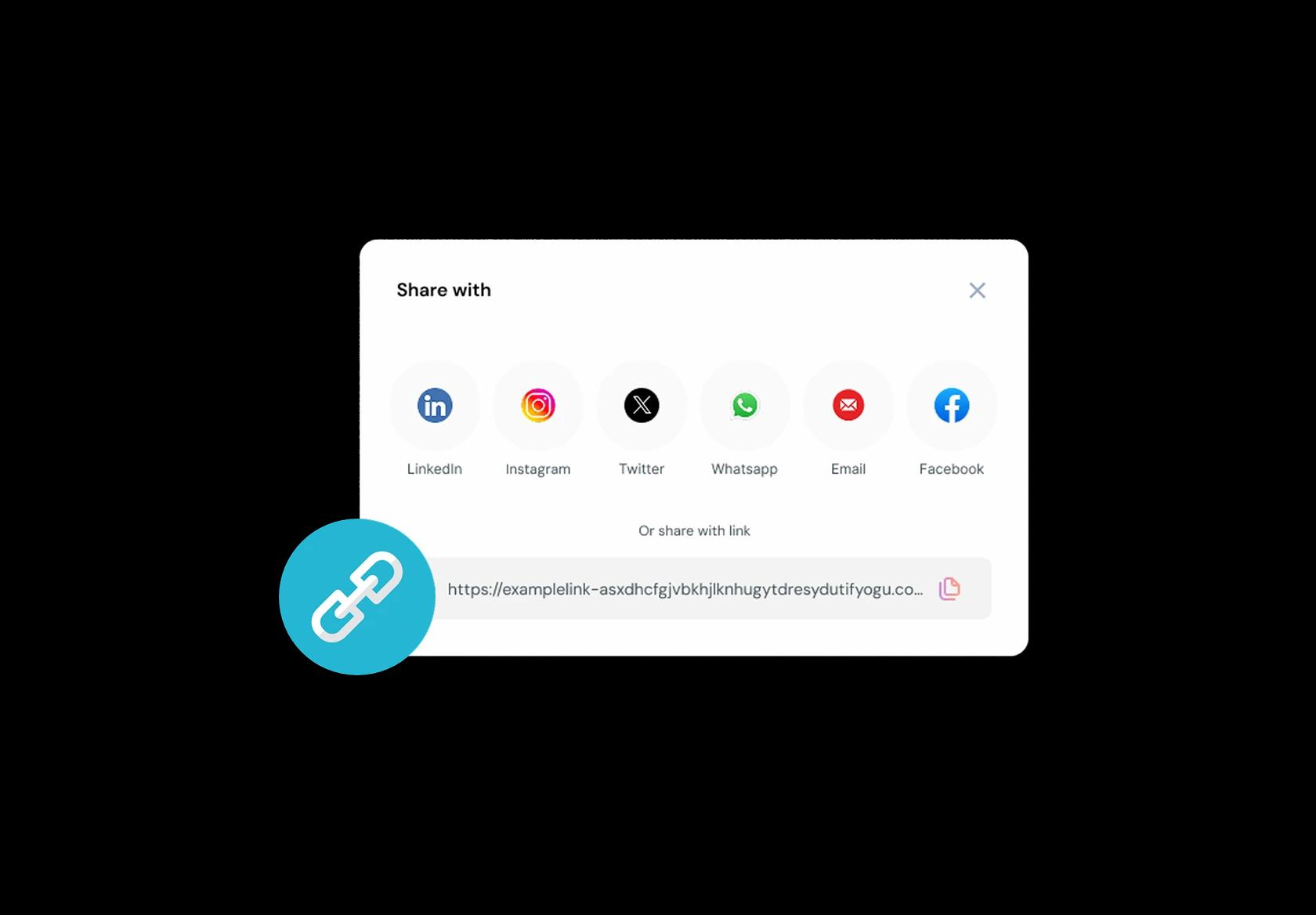
One booking link for website, ads, DMs, and flyers
Students find you everywhere: Google, referrals, Instagram ads, WhatsApp, brochures, even a sign near the test center. Use one clean booking link that always lands them on the same page with services, prices, and availability. Less friction means fewer drop-offs and fewer “how do I book?” messages.
No commission, No license fees.
Just simple, fair pricing
(save upto 20%)
Standard
- Unlimited Calendars & Services
- Connect Online Meeting Tool
- Payments via Stripe, PayPal
- Text / Email Reminders
- Customize your booking page
Teams
- All Standard Features
- Teams Scheduling
- Multi-session Packages
- Round-robin Scheduling
- Webhooks
Enterprise
- AI Voice Agent
- Account Manager
- Complete Branding
- MCP Server (Beta)
- SSO
Related scheduling apps


Driving School Appointment Booking Playbook
A driving school scheduling software page should feel like an operations manual: it tells students exactly what to book, and it protects your instructors, cars, and time from avoidable chaos.
Start with a lesson menu that matches how driving schools actually run
Your booking system should reflect real lesson types, not generic “30/60 mins.” Clear lesson names reduce wrong bookings and cancellations.
- Core lessons: First lesson, standard lesson, refresher lesson, highway lesson, parking practice, night driving (where applicable).
- Test prep: Mock test, pre-test warm-up, test-day pickup and drop-off (if you offer it).
- Course formats: Beginner course, nervous driver course, defensive driving, manual transmission training (if relevant in your market).
- Simple clarity: Put the goal in the service name, not in a long description.
Make lesson durations and buffers reflect travel, setup, and handoffs
Driving lesson time is rarely “just the lesson.” Your scheduling software should handle travel, paperwork, and swap time between students.
- Buffers: Add time for vehicle checks, instructor notes, and cleaning/hand-off between students.
- Travel reality: If you do pickups, include pickup-to-start time so your instructor isn’t late before the lesson even begins.
- Smart durations: Keep fewer duration options and tie them to outcomes (for example, “Parking Practice 60 min”).
Handle pickup and drop-off locations like a first-class scheduling problem
This is where many driving school booking systems fall apart. If location is messy, your day collapses.
- Service areas: Offer pickup zones (by neighborhood/city/ZIP/postcode) and block bookings outside your coverage.
- Meeting points: For busy areas, use fixed meet-up points instead of “anywhere,” and show them on the booking page.
- Travel limits: Add rules like “Pickup only within 10 km” or “Pickup only for 90-minute lessons.”
Assign instructors based on what matters: licensing, language, and teaching style
Students don’t just book a time. They book trust. Instructor matching reduces switches and refunds.
- Skill matching: Restrict advanced lessons (highway, test prep) to instructors who teach them best.
- Language preferences: Let students select a language if your school serves multilingual communities.
- Comfort preferences: Offer “same instructor each time” for packages, especially for anxious learners.
Schedule vehicles alongside instructors (because one car can’t be in two lessons)
Driving school scheduling software should treat cars like limited inventory, not an afterthought.
- Vehicle types: Automatic vs manual, compact vs sedan, instructor dual-control vehicles.
- Maintenance blocks: Allow recurring downtime for servicing, inspections, and unexpected repairs.
- Swap buffers: Add extra time between lessons when switching cars or moving across zones.
Collect the student details that prevent wasted lessons
A high-quality driving school booking system collects the information you’d otherwise chase on WhatsApp or phone calls.
- Experience level: Complete beginner, some practice, returning after a gap.
- License status: Learner permit details or local equivalent (keep it neutral: “as required in your region”).
- Goals: Road test date, confidence building, manual transmission, city driving, parking.
- Constraints: Anxiety, accessibility needs, preferred lesson times, language preference.
Offer packages in a way that does not create scheduling debt
Packages are great for revenue and consistency, but only if your scheduling software makes follow-up lessons easy to book.
- Package structure: “5 lessons” or “10 lessons” with a clear recommended cadence (weekly, twice weekly).
- Same instructor option: Let students stick with one instructor when possible.
- Expiry rules: Keep simple terms that work globally (for example, “valid for 6 months”).
- Rebooking flow: Make the next booking one tap, not a new form every time.
Lock in attendance with confirmations, reminders, and reschedule paths
Driving lessons are easy to forget because life is busy. Your driving school scheduling software should reduce no-shows without being annoying.
- Instant confirmation: Include date, time, pickup point, instructor name, and what to bring.
- Reminder timing: Day-before plus same-day reminders work best for most schools.
- Reschedule link: Make rescheduling easier than ghosting. A reschedule is a win.
Use deposits and payments where cancellations hurt the most
Payments should be positioned as a fairness rule, not a surprise charge.
- Deposits: Use deposits for test prep, peak hours, and longer lessons.
- Clear policy: Show cancellation windows on the booking step, not in a hidden FAQ.
- Receipts: Send invoices/receipts automatically for reimbursement or record-keeping.
Publish cancellation and late-arrival rules that protect instructors and students
These rules are part of your quality signal. They show you run a serious, reliable driving school.
- Late arrival: Explain that lesson time may be shortened to protect the next student.
- Weather policy: If you pause lessons for severe weather, state it clearly.
- Instructor safety: Keep a simple code of conduct and a “we may cancel if safety is compromised” line.
Add “what to bring” and “how to prepare” so your lessons start on time
This is small, but it’s where real driving school operations get smoother.
- Documents: Learner permit or required ID (keep it region-neutral).
- Footwear: Closed-toe shoes guidance where appropriate.
- Pickup readiness: “Be ready 5 minutes early” reduces instructor wait time across the day.
Make trust visible on the booking page (strong EEAT without sounding like marketing)
For driving schools, trust is earned through specifics: credentials, safety, and clarity.
- Instructor credentials: State instructor qualification standards and local compliance in plain language.
- Safety practices: Dual-control vehicles, maintenance schedule approach, and student safety expectations.
- Real policies: Display your cancellation, refund, and privacy policies in short, readable form.
- Local proof: If you have certifications, licenses, or affiliations relevant to your region, show them near the booking area.
Track the few metrics that actually improve a driving school schedule
Most driving schools don’t need fancy analytics. They need a few numbers that expose operational leaks.
- No-show rate: Split by lesson type (standard vs test prep).
- Utilization: Instructor utilization and vehicle utilization separately.
- Lead time: How far in advance students book, so you can adjust availability and promotions.
- Cancellation window: How many cancellations happen inside your policy window.
Copy-paste snippets for your driving school booking page
These are short, global-friendly lines that reduce confusion and support staff.
- Late arrival: “If you arrive late, your lesson may be shortened to keep the next student on time.”
- Cancellation: “Please reschedule or cancel at least 24 hours before your lesson. Late cancellations may be charged a fee or forfeit the deposit.”
- Pickup: “Pickup is available only within our service area. Please choose your zone while booking.”
- What to bring: “Bring your learner permit or required local documentation, and wear closed-toe shoes.”
Authored & Reviewed by:
Pranshu Kacholia is the founder of Lunacal.ai, a calendar scheduling and appointment booking system. He works directly with businesses of all sizes to improve booking outcomes - reducing no-shows, cutting back-and-forth, and making scheduling more reliable and efficient. His day-to-day includes reviewing real scheduling setups and edge cases: complex availability and buffers, time zones, routing, cancellation/rescheduling rules, paid meetings and deposits, reminder workflows, and integrations with calendars and meeting tools. He regularly shares appointment scheduling best practices through interviews and community conversations (see this interview and this discussion) and also writes about calendar scheduling (read the article on Medium). He has first-hand experience of using 40+ scheduling tools such as calendly, acuity scheduling, vagaro, fresha, tidycal, square, setmore etc. and understands product nuances deeply.
Lunacal.aiCalendlyAcuity SchedulingSquare AppointmentsSetmoreDoodleBooksyMindbodyFreshaSimplyBook.meHoneyBook


