Class Booking System
Registration system with recurring schedules, capacity limits, online payments, class packs, cancellations, automated reminders, & instructor scheduling across locations.

Booking features for classes, series, and capacity
Students register in seconds and get instant confirmation
In class scheduling software, “did I get a spot?” is the #1 anxiety. A proper class booking system shows real-time availability, confirms instantly, and shares location or join link. It also handles capacity, cutoff times, and cancellations so you’re not manually reconciling DMs and emails.
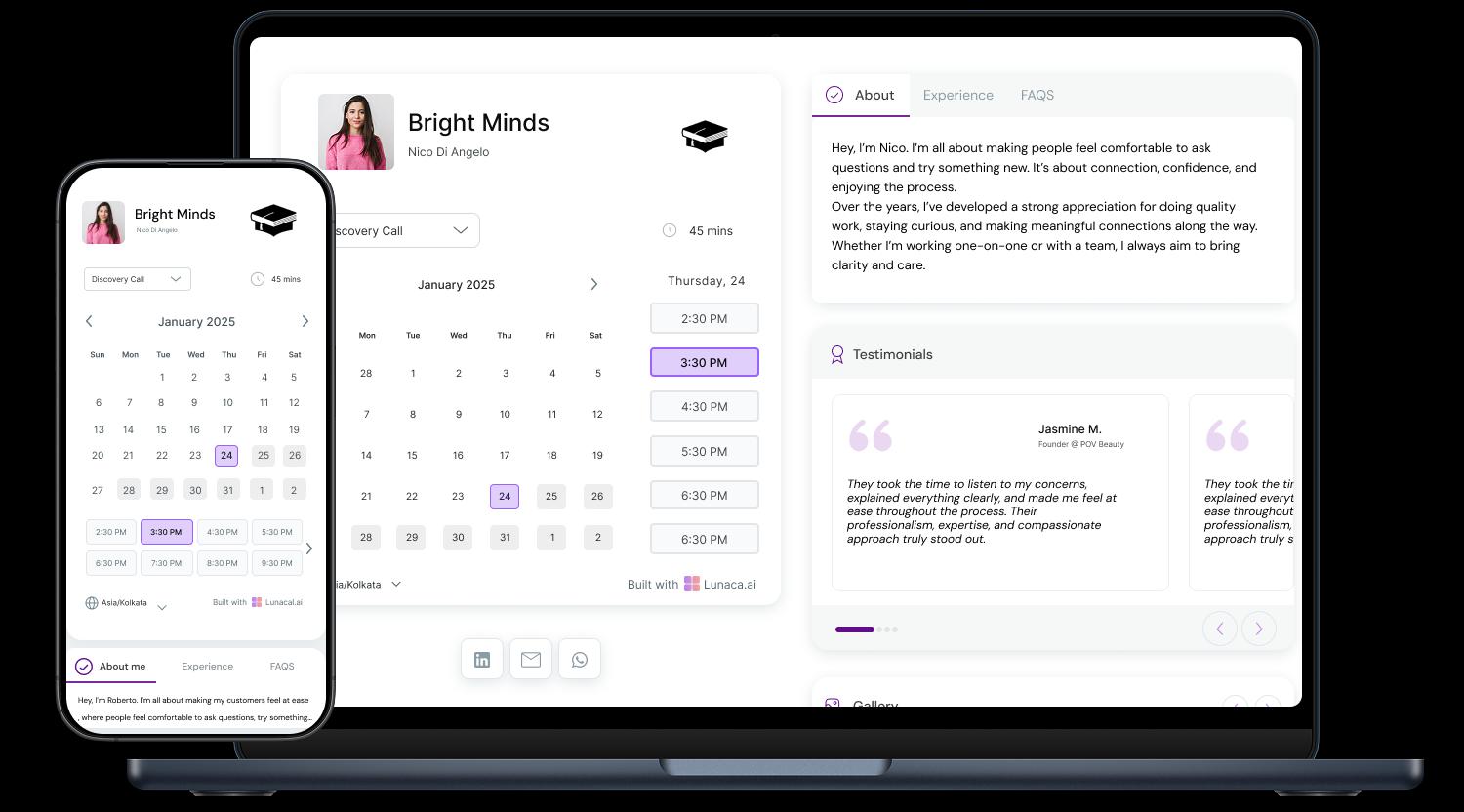
Show what the class feels like before they commit
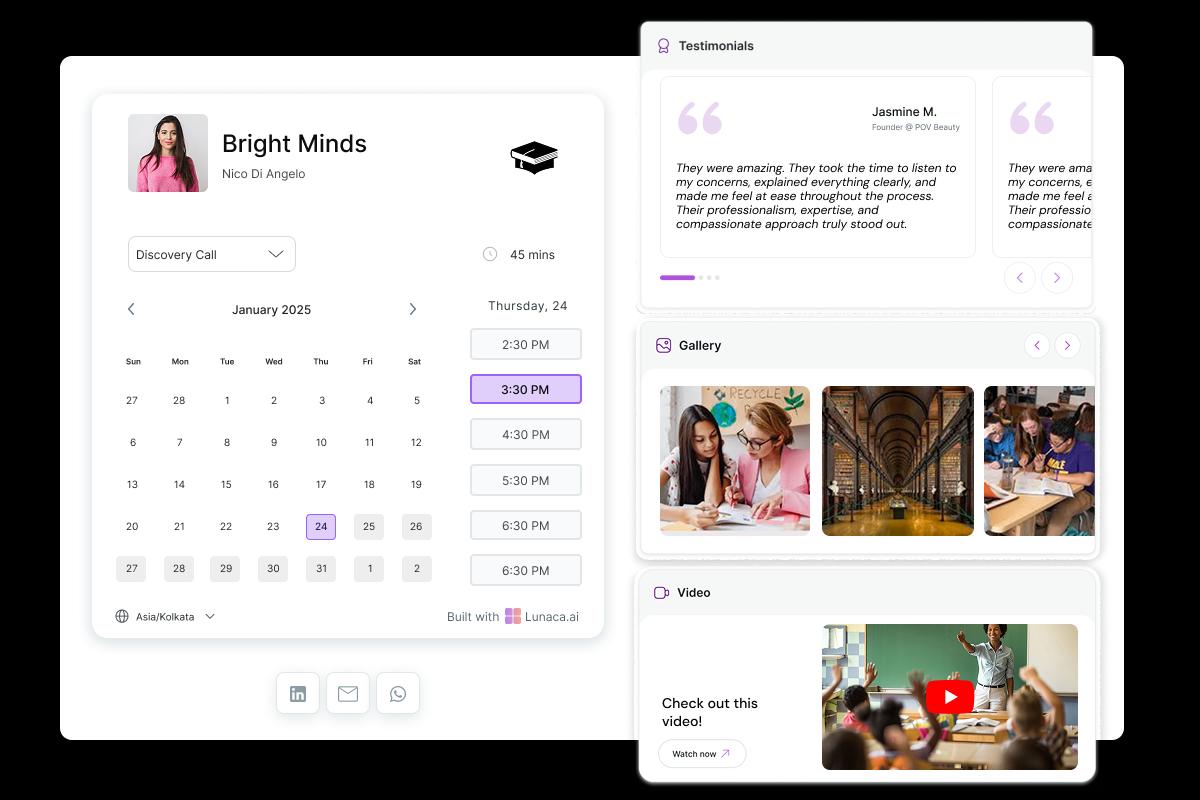
Most people don’t enroll because of your timetable. They enroll because they can picture themselves in the room. Add photos, short clips, student testimonials, and your vibe to the class registration page so it answers silent questions: difficulty, energy, community, and outcomes. That reduces “tell me more” back-and-forth and improves conversions.
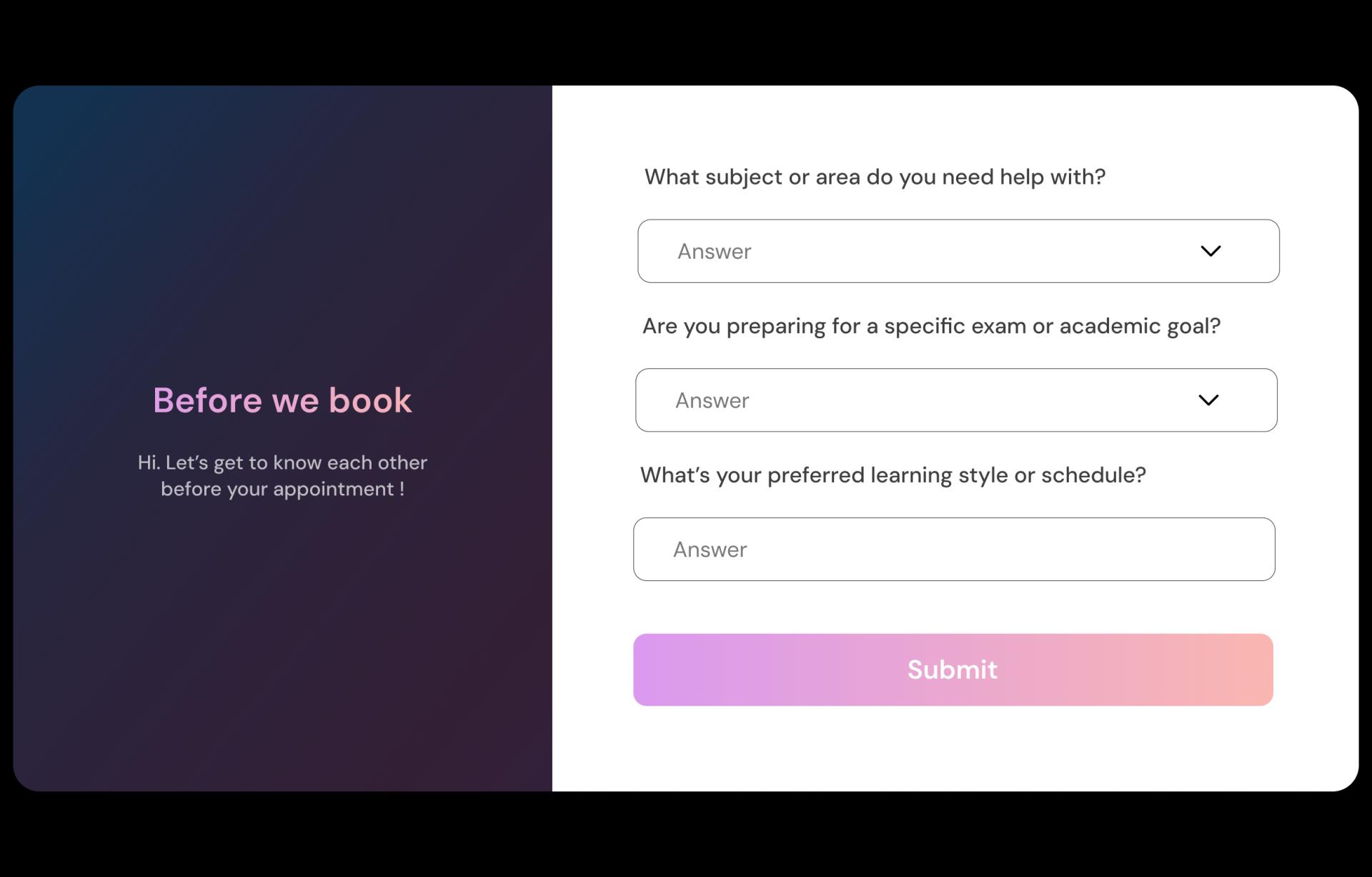
Collect level, goals, and constraints before the session
The best class appointment booking flow asks what you’d normally ask on WhatsApp anyway. Experience level, goals, injuries or accessibility needs, preferred language, equipment, and “first time?” give instructors context before the student arrives. It also helps you route people to the right batch, not the wrong class where they struggle and drop off.
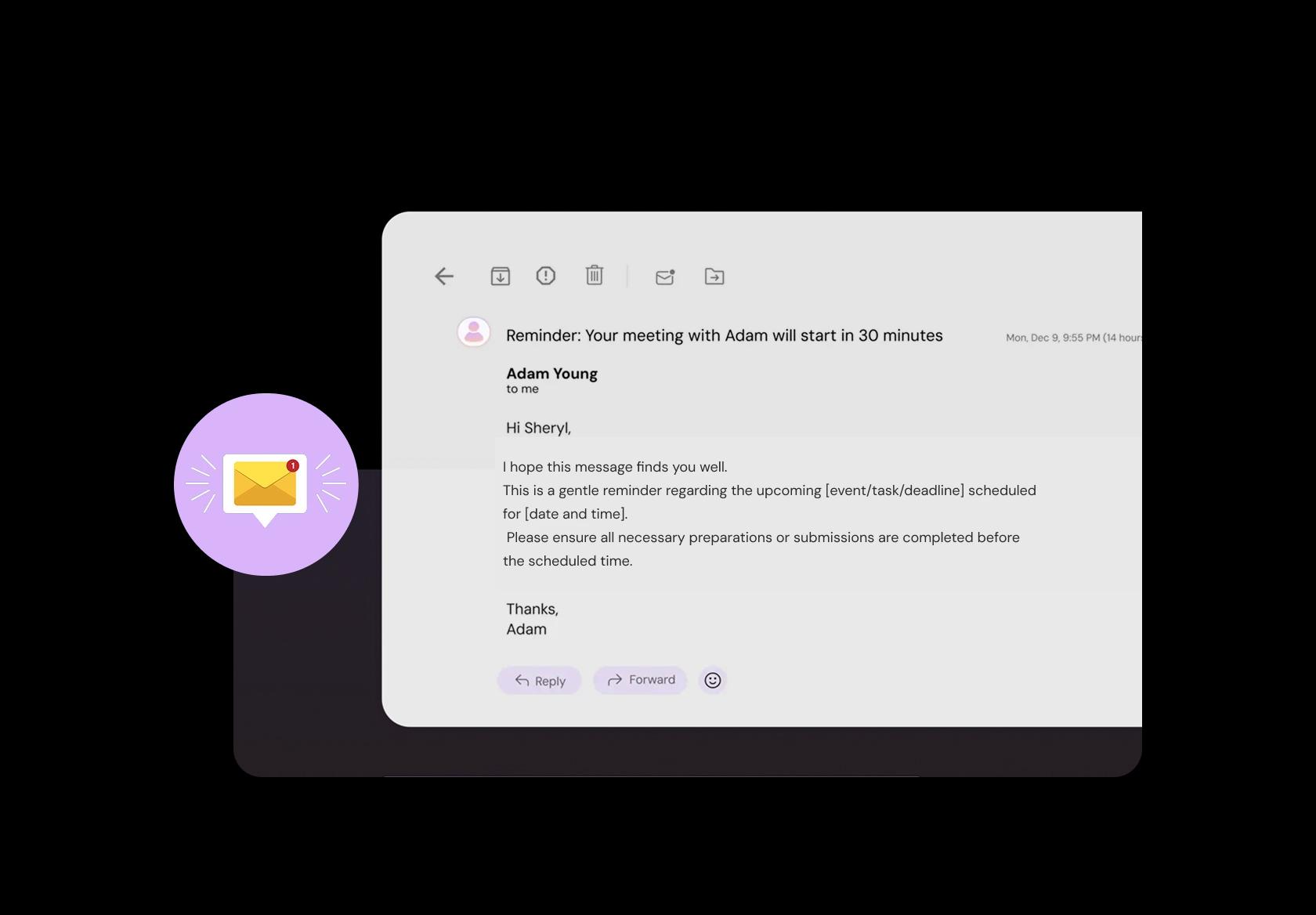
Reduce no-shows and send helpful follow-ups automatically
For classes, reminders aren’t just “you have a session.” They’re logistics. Send a reminder with address, parking, what to bring, dress code, entry instructions, and a “arrive 10 minutes early” note. After class, follow up with notes, homework, recording link, feedback form, and a re-book link so repeat attendance becomes the default habit.
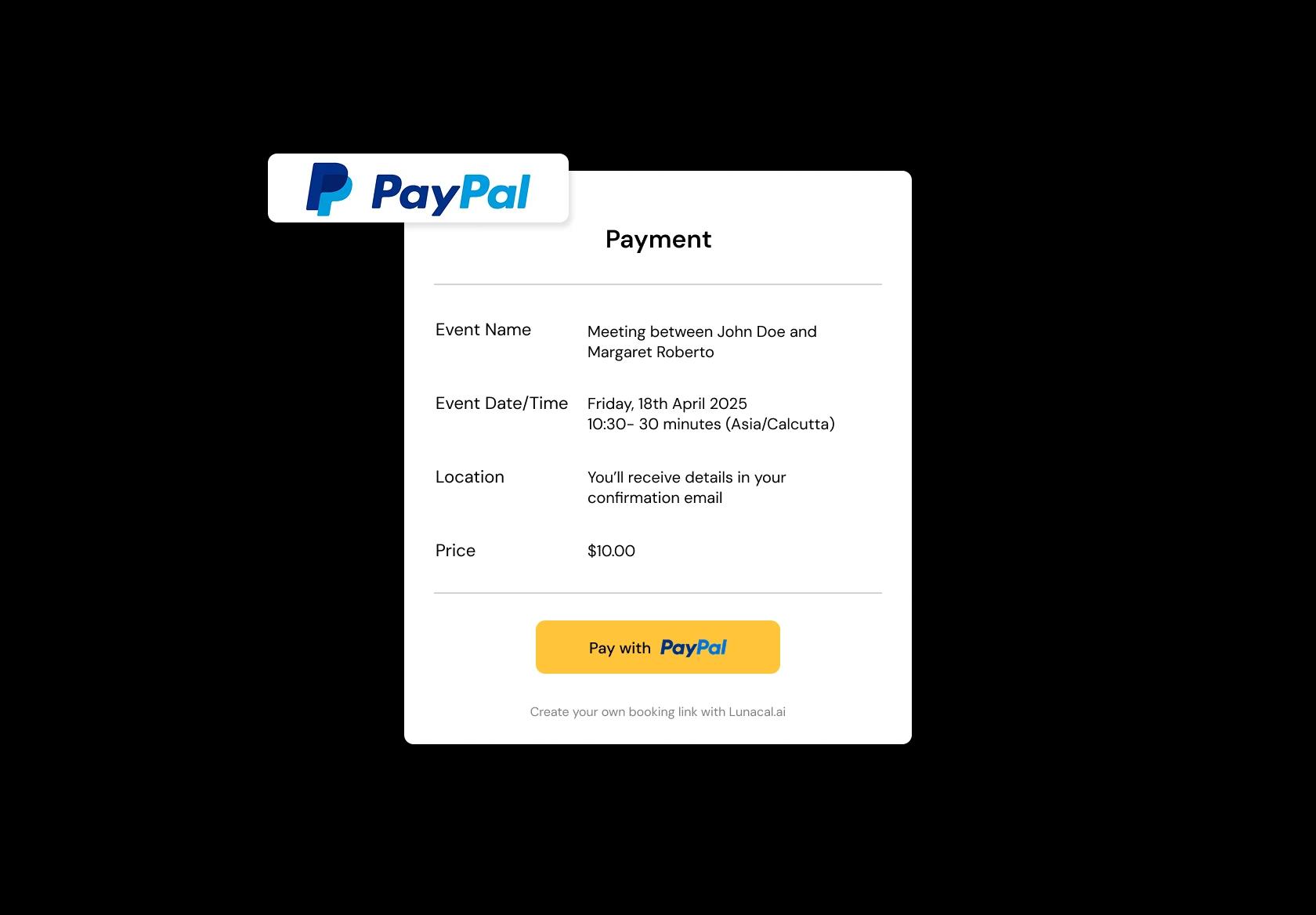
Take payment upfront to lock commitment
If you run classes, no-shows hurt twice: you lose revenue and you waste a seat. Accept full payment or a deposit during booking so the spot is genuinely reserved. Add clarity like refund windows, reschedule rules, and late-cancel policy. This makes revenue predictable and keeps your class calendar scheduling stable week to week.
Manage studio, partner venues, and online classes cleanly
Multi-location gets messy fast: different addresses, different timings, different instructors, different buffers. A clean setup lets you run “Studio A”, “Partner Gym”, “Community Hall”, and “Online” as separate locations with their own rules. Your calendar stays readable, and you avoid overlap when instructors travel or when rooms have fixed availability.
Run different class types without breaking your schedule
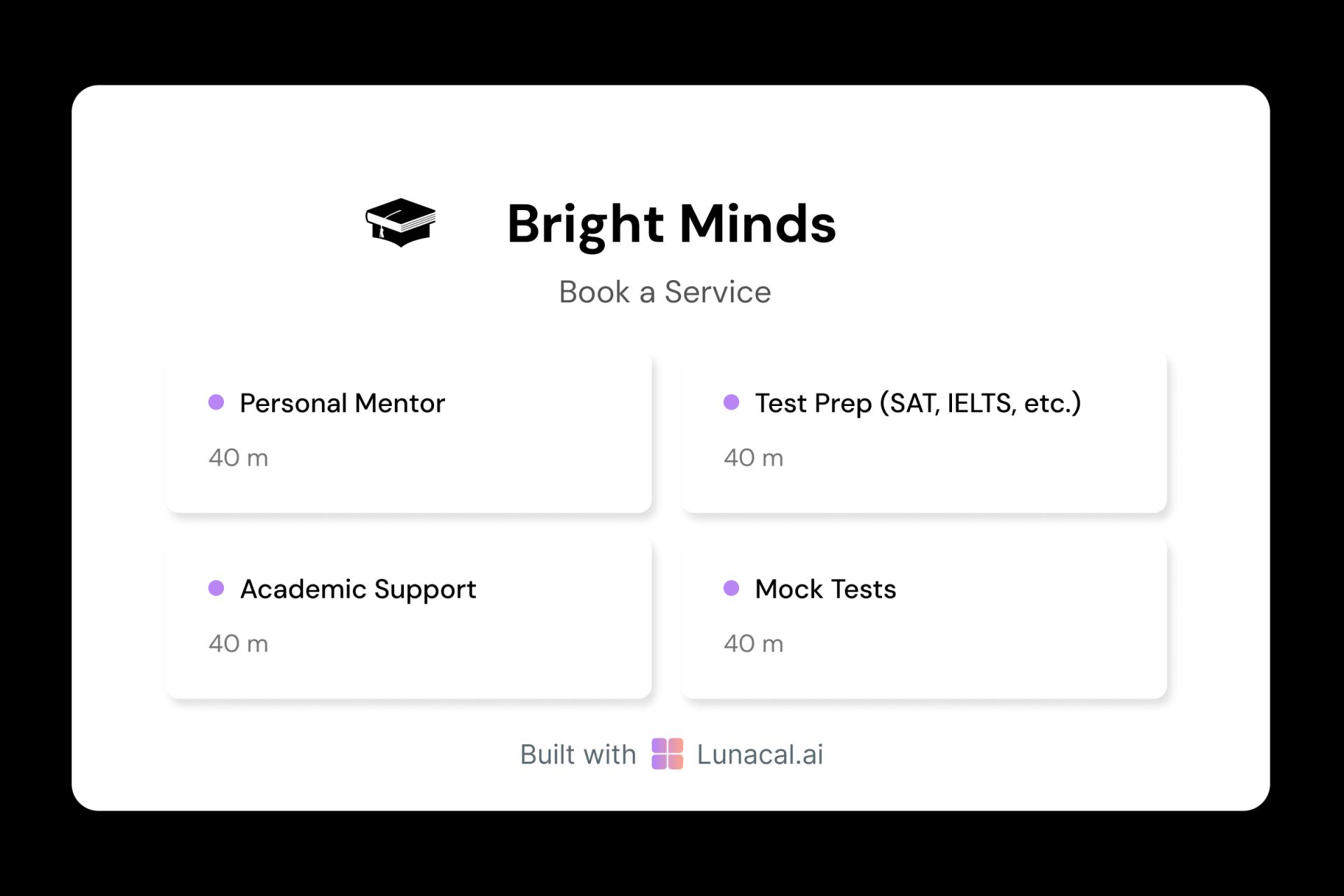
A beginner yoga class and an advanced workshop shouldn’t share the same timing rules. Different durations, setup time, cleanup time, capacity, and prep requirements need different configurations. Set each class type as its own service so a 60-minute weekly session isn’t treated like a 3-hour masterclass with a break and equipment setup.
Rotate new enrollments across instructors fairly
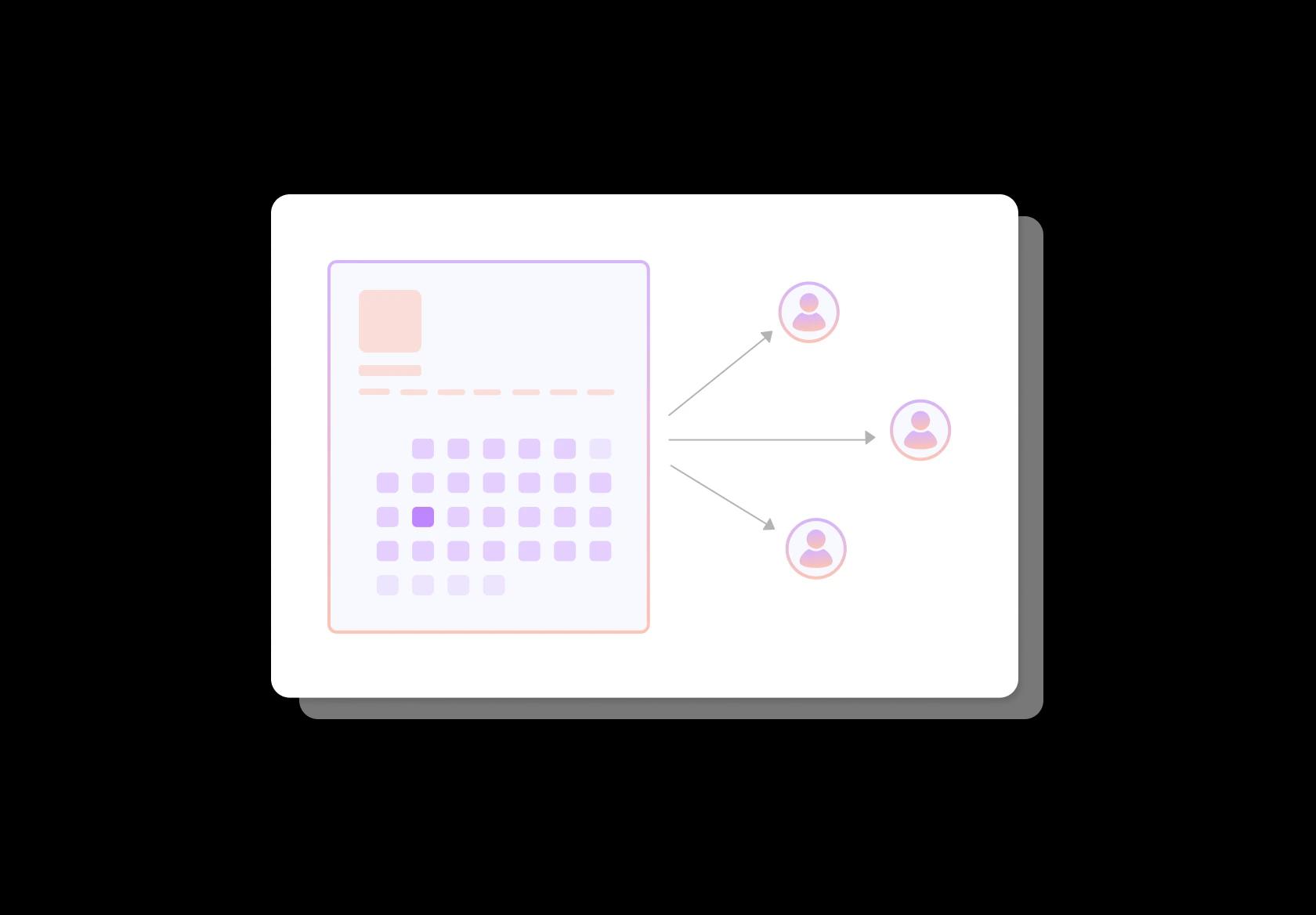
When you have multiple instructors, manual assignment becomes favoritism by accident. Round-robin distribution assigns new bookings to the next available instructor based on availability rules. It balances workloads, prevents burnout during peak weeks, and makes sure students get consistent service even when one instructor is fully booked.
Let students choose an instructor that matches their style
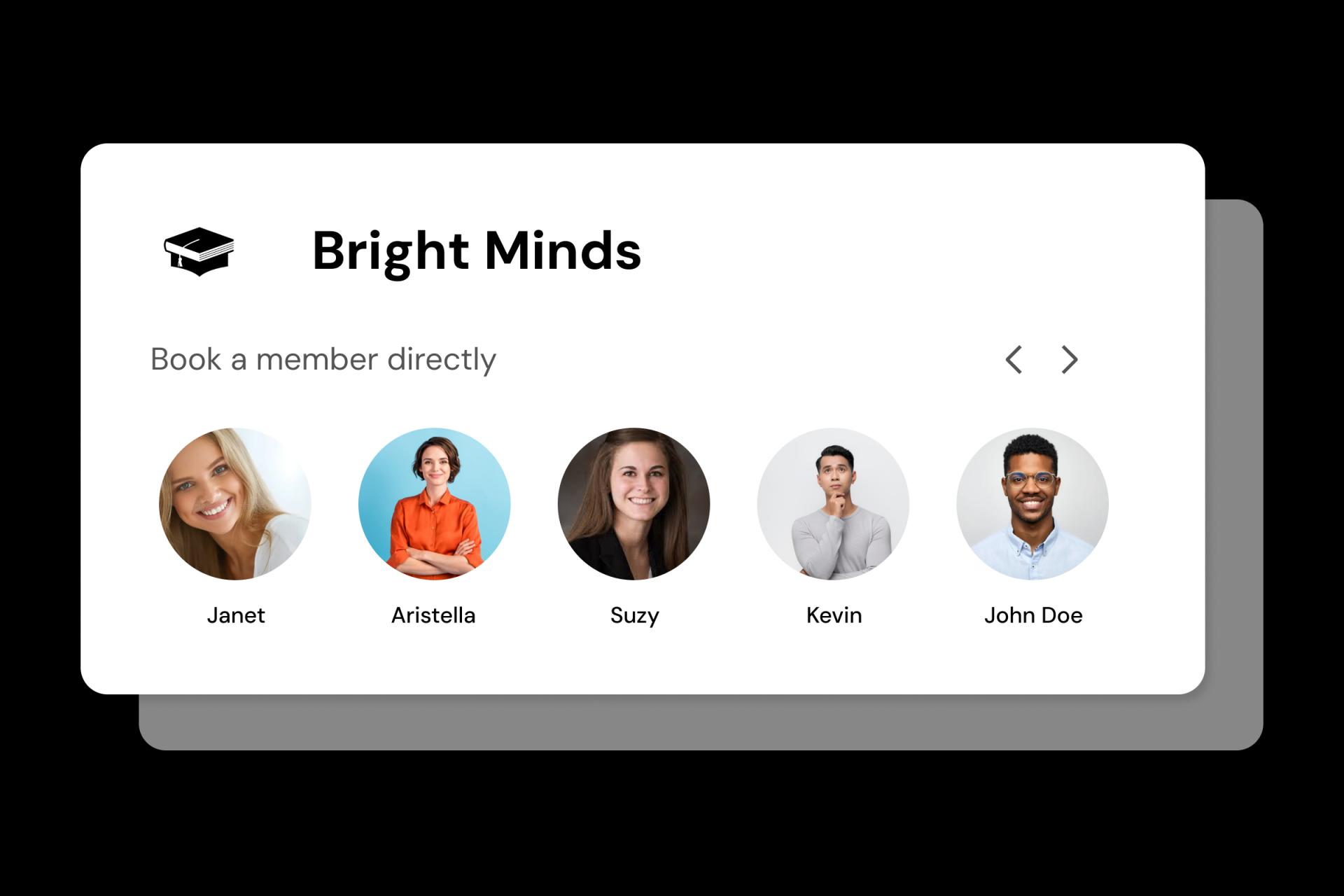
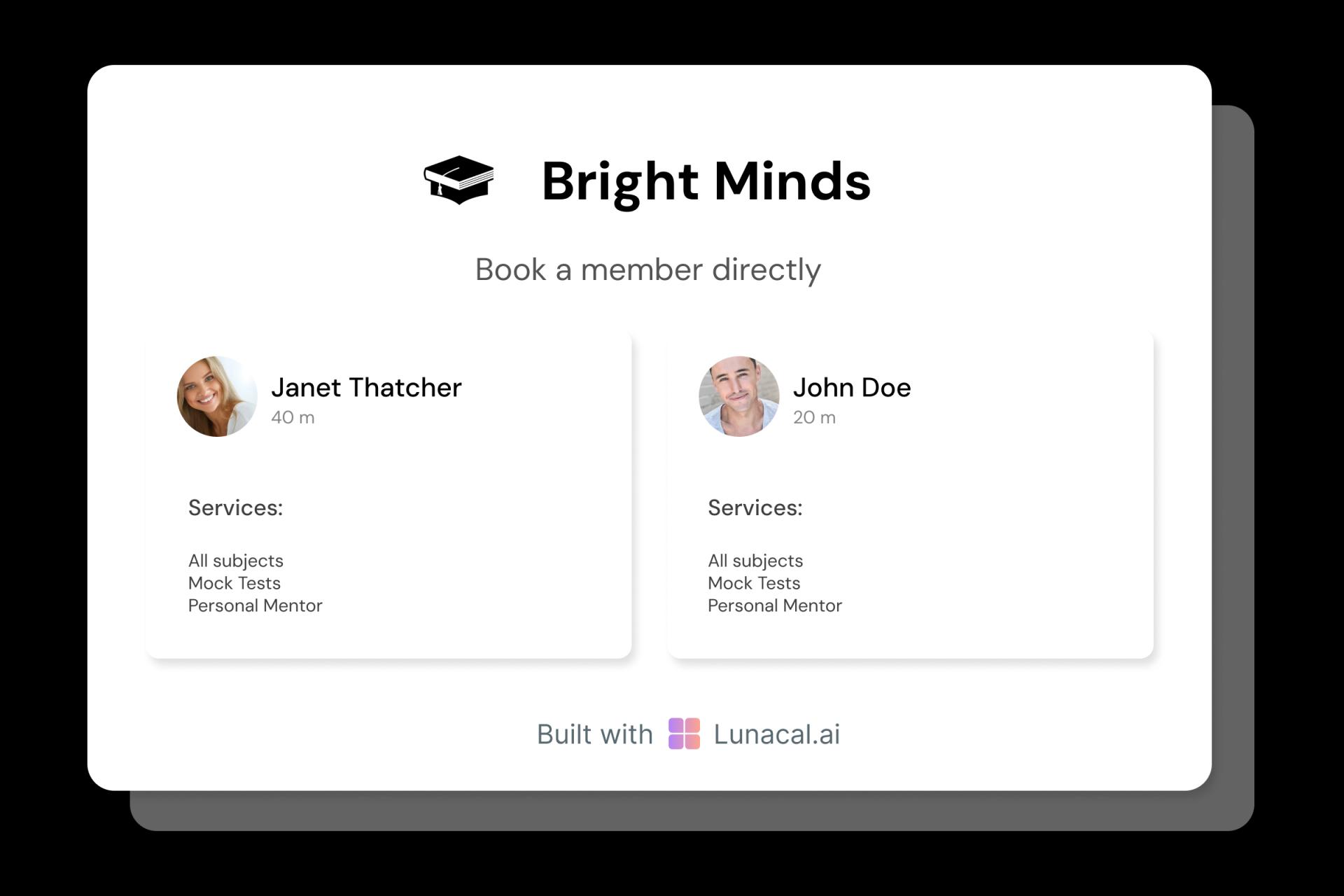
Instructor fit matters more than people admit. Profiles help students choose based on teaching style, credentials, languages, specialties, and past experience. Add a short “what to expect in my class” note and sample work where relevant. This reduces refunds and “I booked the wrong class” messages because expectations are set upfront.
Adjust batches, holidays, and peak seasons without chaos
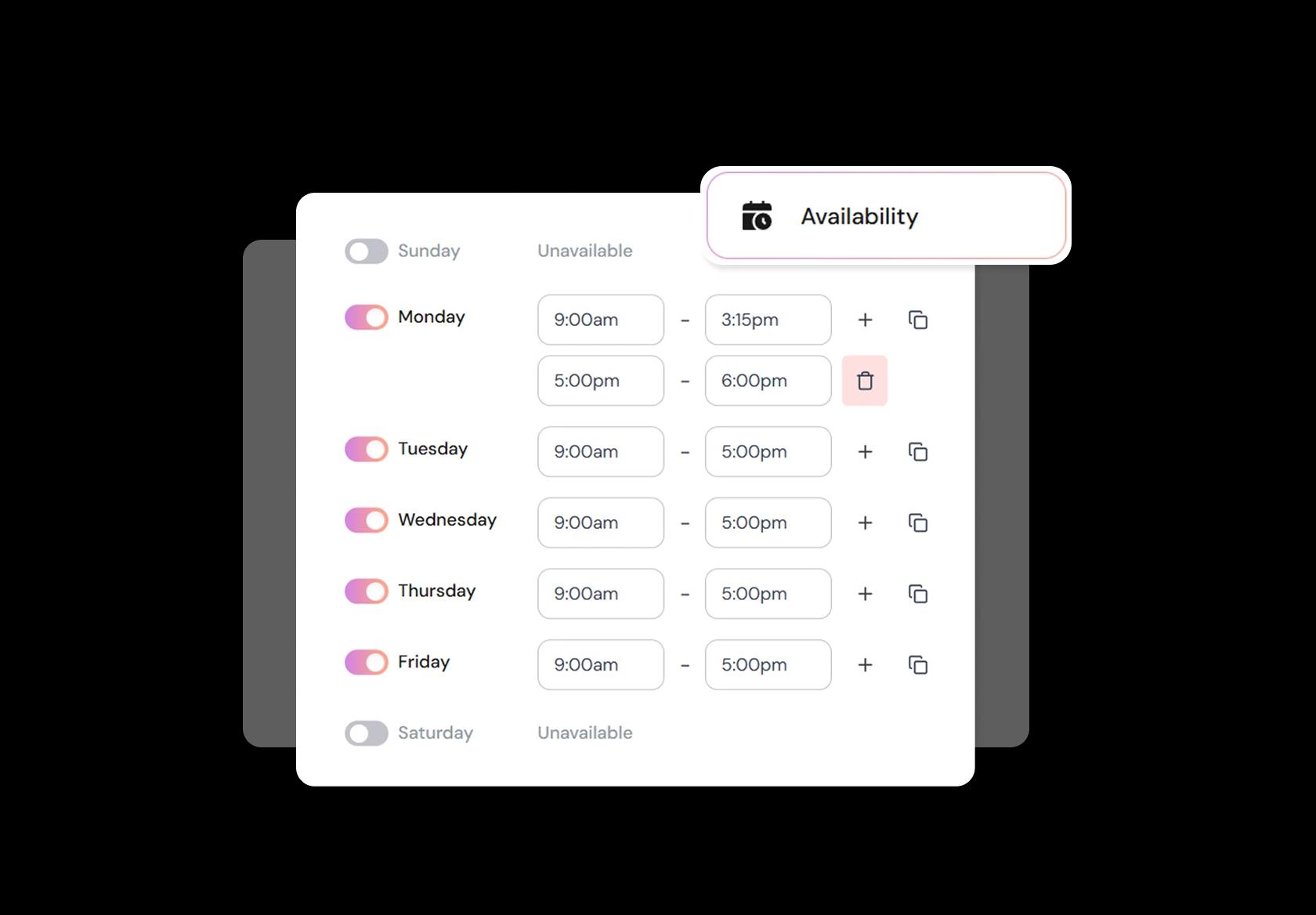
Real life breaks fixed schedules: holidays, exam season, wedding season, weather, travel, and instructor sick days. Custom availability lets you set weekly patterns, block dates, set minimum notice, and add buffers. The result: your class booking system reflects reality, not an ideal timetable you keep apologizing for.
Put registration where students already discover you
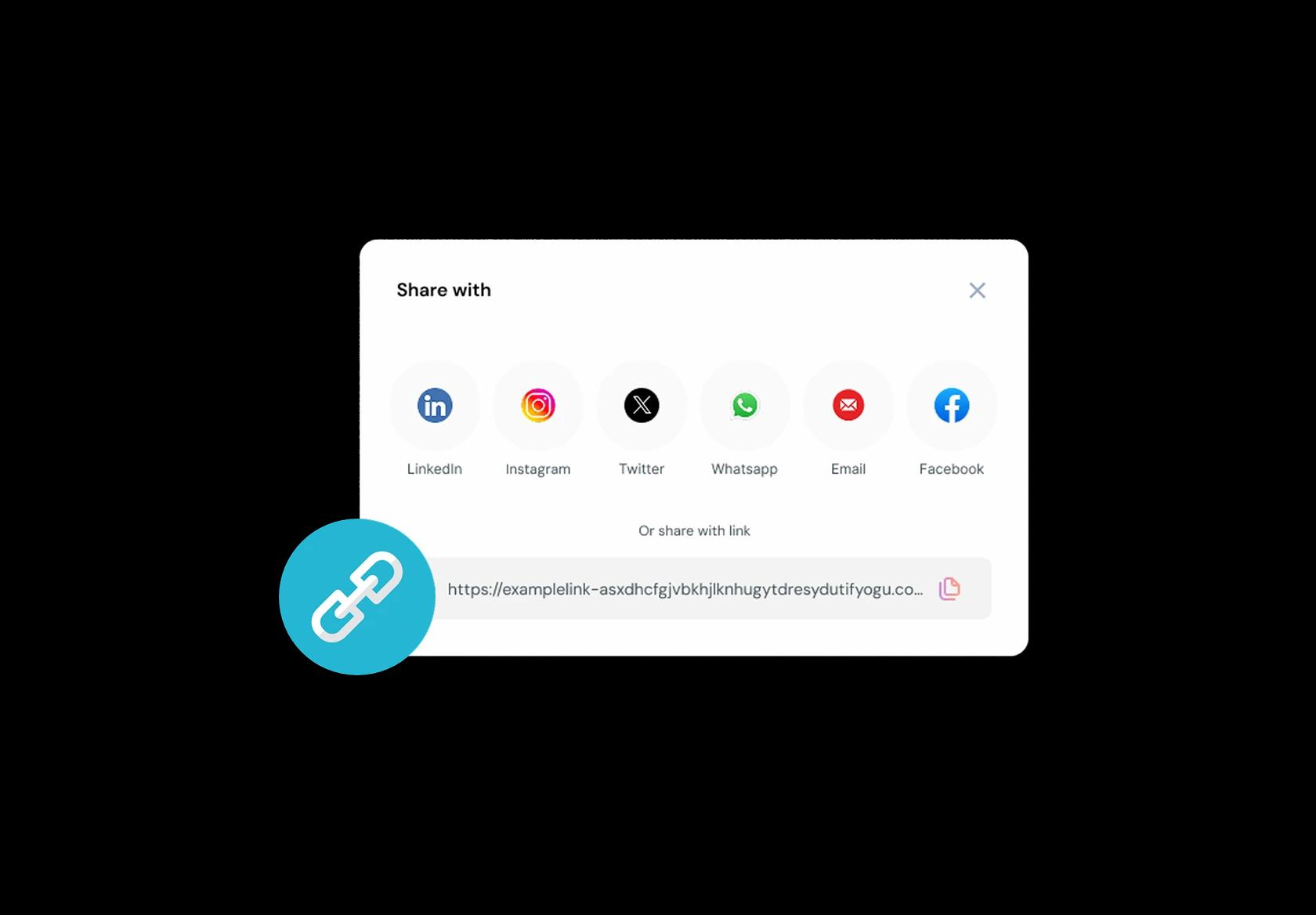
Students don’t “go to your website” first. They find you on Instagram, WhatsApp, Google Business Profile, a poster QR, or a partner’s page. Use one link that always shows the right class options, pricing, and live availability. Embed it on your site too, so booking is possible the moment someone feels motivated.
No commission, No license fees.
Just simple, fair pricing
(save upto 20%)
Standard
- Unlimited Calendars & Services
- Connect Online Meeting Tool
- Payments via Stripe, PayPal
- Text / Email Reminders
- Customize your booking page
Teams
- All Standard Features
- Teams Scheduling
- Multi-session Packages
- Round-robin Scheduling
- Webhooks
Enterprise
- AI Voice Agent
- Account Manager
- Complete Branding
- MCP Server (Beta)
- SSO


Class Booking System Playbook
This playbook helps you set up a class booking system that stays predictable for you and effortless for students. It’s written for real-world class scheduling: recurring classes, limited seats, waitlists, late cancellations, and mixed online or in-person sessions.
1) Define your “class inventory” (what people can actually book)
Your class booking system should mirror how students think, not how your calendar thinks.
- Create separate listings for Beginner, Intermediate, Advanced, and “All Levels” to reduce wrong bookings.
- For recurring classes, publish as a series with clear start date, end date, and session count.
- Add a short outcome line per class (example: “Strength basics, low impact, 45 minutes”).
2) Capacity rules that prevent overselling
Most class scheduling software fails when capacity is treated like an afterthought.
- Set seat limits per class and lock them to the room or instructor availability.
- Enable waitlist with auto-promotion windows (example: release a seat to waitlist up to 2 hours before).
- Block “double booking” across resources: studio room, equipment sets, or instructor time.
3) Booking flow that reduces back-and-forth
A high-quality class booking system collects the right info once, then runs on rails.
- Collect level, injuries/constraints, and preferred intensity to guide safe participation.
- Show time zone clearly for global audiences, especially for online classes.
- Offer “Book single class” and “Book package” as distinct choices to avoid confusion.
4) Payments, packages, and refunds (make policies visible before checkout)
Payment friction usually comes from unclear rules, not the payment provider.
- Use packages for repeat attendance (example: 5-class pass, 10-class pass, monthly membership).
- Display refund and transfer rules on the checkout step, not in a separate page.
- Support multiple currencies if you sell online classes globally, but keep pricing simple.
5) No-show prevention that doesn’t annoy students
Reminders should be helpful, not spammy, and should always include the reschedule path.
- Send confirmation immediately with date, time, location/link, and what to bring.
- Send reminders at “day before” and “2–4 hours before” for most classes.
- Make cancellations easy within policy; a clean cancel beats a no-show.
6) Instructor workflow and attendance tracking
If the instructor experience is messy, your class scheduling becomes manual again.
- Give instructors a simple roster view: attendee names, notes, and paid/unpaid status.
- Track attendance per session so packages decrement correctly and drop-offs are visible.
- Allow substitute instructors without breaking the class series.
7) The 3 metrics that tell you if your class booking system is working
- Fill rate by class and time slot (your demand map).
- Waitlist conversions (how often you recover cancellations).
- Repeat rate (students returning within 14–30 days, depending on class type).
Authored & Reviewed by:
Pranshu Kacholia is the founder of Lunacal.ai, a calendar scheduling and appointment booking system. He works directly with businesses of all sizes to improve booking outcomes - reducing no-shows, cutting back-and-forth, and making scheduling more reliable and efficient. His day-to-day includes reviewing real scheduling setups and edge cases: complex availability and buffers, time zones, routing, cancellation/rescheduling rules, paid meetings and deposits, reminder workflows, and integrations with calendars and meeting tools. He regularly shares appointment scheduling best practices through interviews and community conversations (see this interview and this discussion) and also writes about calendar scheduling (read the article on Medium). He has first-hand experience of using 40+ scheduling tools such as calendly, acuity scheduling, vagaro, fresha, tidycal, square, setmore etc. and understands product nuances deeply.
Lunacal.aiCalendlyAcuity SchedulingSquare AppointmentsSetmoreDoodleBooksyMindbodyFreshaSimplyBook.meHoneyBook


