The short answer: Lunacal is the best Setmore alternative if you want a booking page that sells, not just schedules. Acuity Scheduling is better if payments and intake forms are core to your workflow, and YouCanBookMe if you just want fast, simple one-on-one scheduling.
Setmore is a good starting point, but some businesses look for alternatives when reminder reliability, compliance requirements, or more complex booking workflows become important. SMS delivery is not guaranteed, and Setmore’s SMS regulation and fair usage policy explains the relevant limits. Healthcare businesses may also need a HIPAA-ready alternative with a BAA and appropriately restricted workflows, because Setmore’s Terms of Use states that it is not currently HIPAA compliant. This guide compares practical Setmore alternatives based on the issues that commonly affect real booking workflows.
Key Takeaways
Choose Lunacal if you want your booking link to not only schedule appointments but also effectively promote your service and boost conversions.
Acuity works well if payments and intake forms are key parts of your workflow, especially for service-based businesses.
YouCanBookMe is a good choice if you need simple one-on-one scheduling with quick setup and dependable notifications.
SimplyBook.me is useful when you need a service catalog style setup and niche add ons.
Lunacal offers full team routing, while Acuity and SimplyBook.me provide more limited routing options.
Setmore Alternatives Comparison Table
Here are the top alternatives broken down by use case.
Scenario
Top Setmore Alternative & Why
Runner-up
Top overall alternatives
Lunacal: Branded scheduling pages plus advanced booking features for client-facing use
Calendly: Simple scheduling for 1 and team meetings with strong integrations
Best for specialized services & retail
Acuity Scheduling: Built for service businesses that need payments and detailed intake forms
SimplyBook.me: Appointment-focused platform with add-ons for service workflows
Best free or budget-friendly options
YouCanBookMe: Lightweight scheduling that’s easy to set up for basic booking flows
Calendly: Good for basic booking links when you want minimal setup
Best for all-in-one booking
Book Like A Boss: Combines scheduling, payments, products, and memberships in one system for small businesses
Acuity Scheduling: Strong for paid sessions and recurring service workflows
In depth review of all Setmore alternatives
Lunacal
I noticed right away that Lunacal is unique as a Setmore alternative because it focuses on increasing bookings and appointments when people visit your booking page.
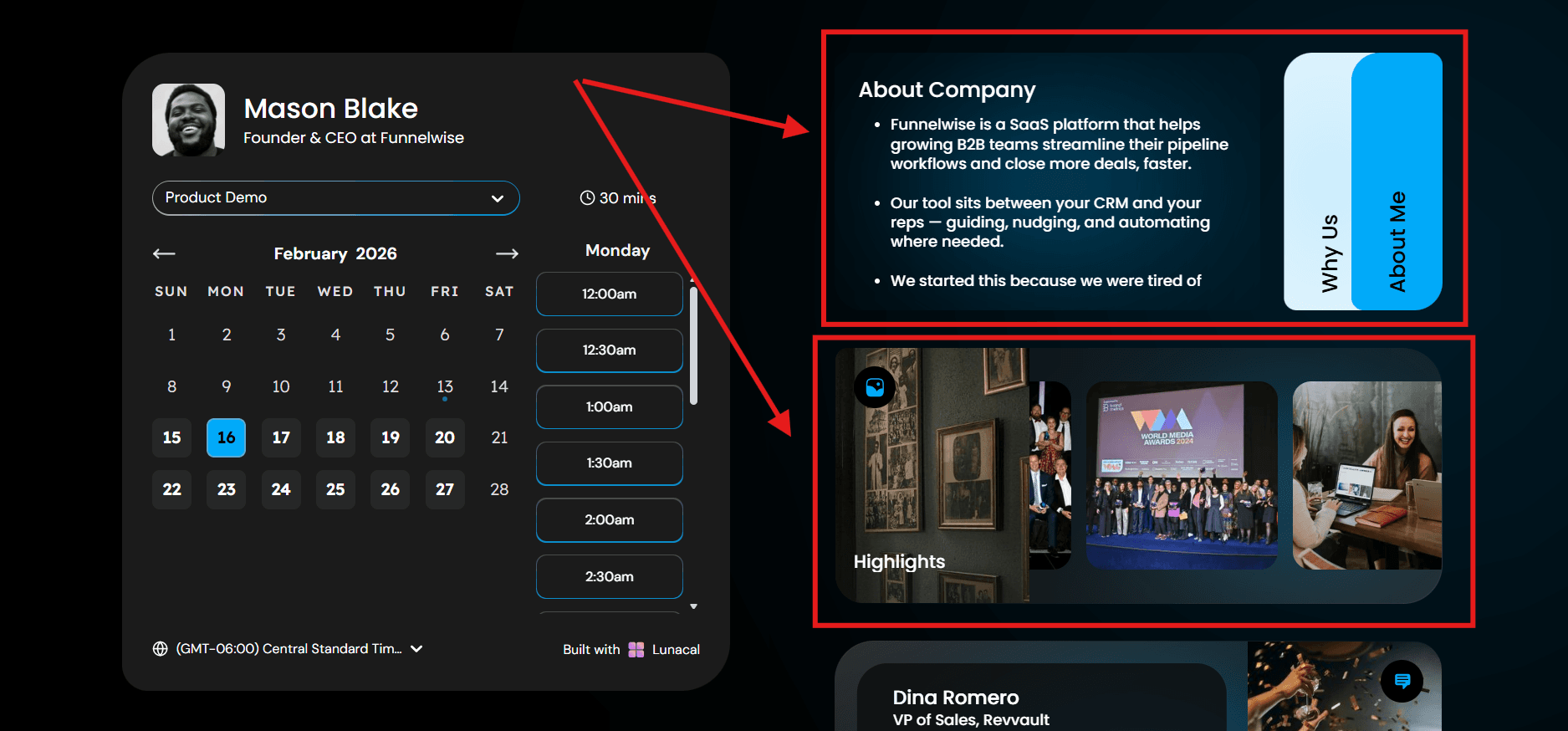
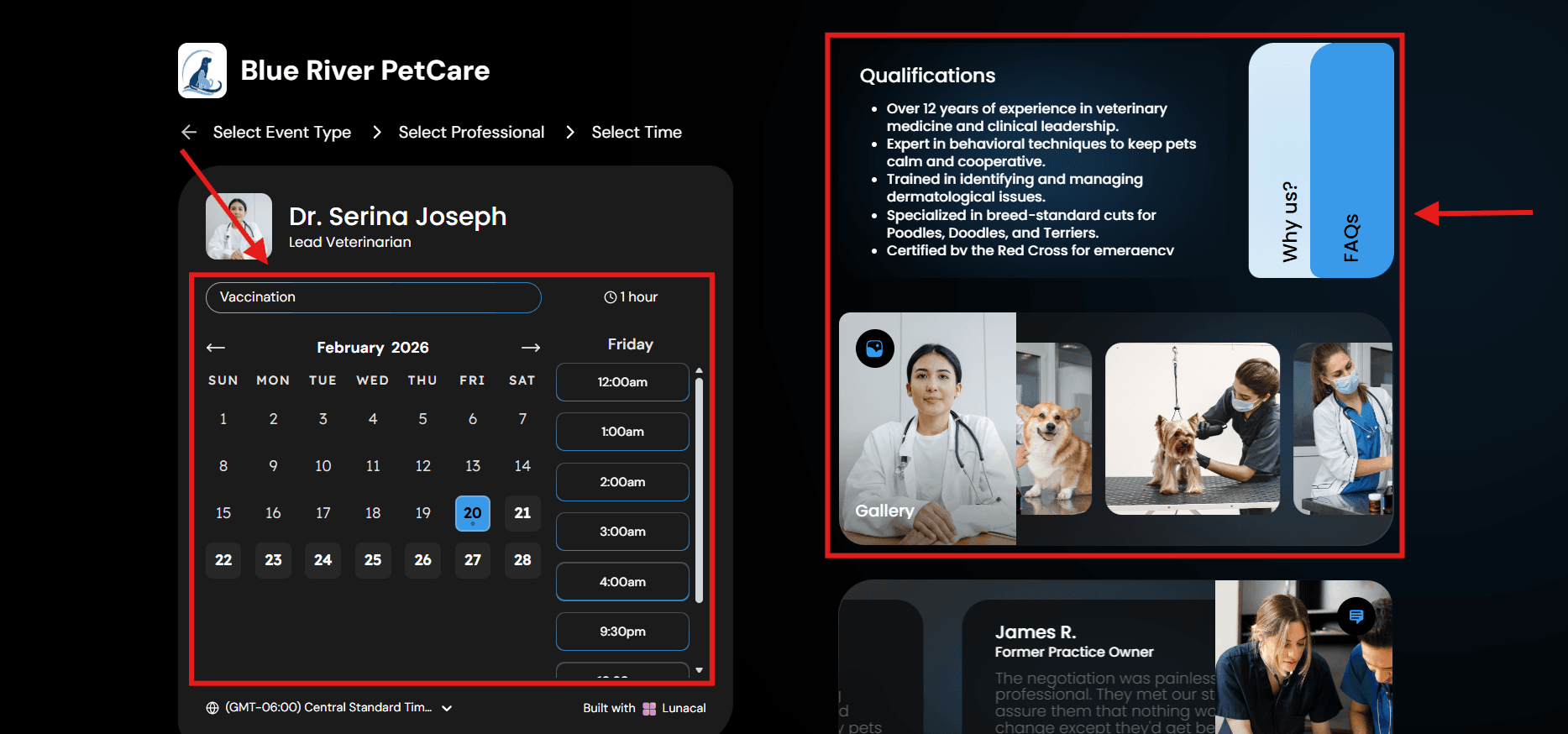
Most schedulers just give you a grid of dates but Lunacal feels more like a mini website. Lunacal shows context like testimonials and FAQs right there on the scheduling screen. I think this helps people feel ready to commit to scheduling a slot.
Lunacal is rated 4.9/5 on G2. While reading reviews, I kept seeing people say they feel more confident booking with a business using Lunacal because the page answers questions up front. If you are losing people on your booking page, this is the answer.
It has an average of 15.1% booking rate compared to about 10% for many other tools. This means for every 100 visitors that come to your booking page, 15 of them sign up when you're using Lunacal. If you have steady inbound traffic, those extra 5 signups can give much more sales.
For a Setmore alternative, the features are solid. You get the usual sync with Google and Outlook and there is support for team routing too. I like the "Round Robin" setup for sales teams. On the basics, it has automatic video links, email and SMS reminders, plus support for solo users and teams.
Features
Booking page
This feature really caught my attention. You can stick service details, photos, or even testimonials right next to the calendar. Visitors actually see what they are signing up for.
I found that providing FAQs and videos on the booking screen itself cut down the basic questions. The data suggests people convert at a higher rate here. My experience matches that because people feel more ready to pull the trigger when they have context.
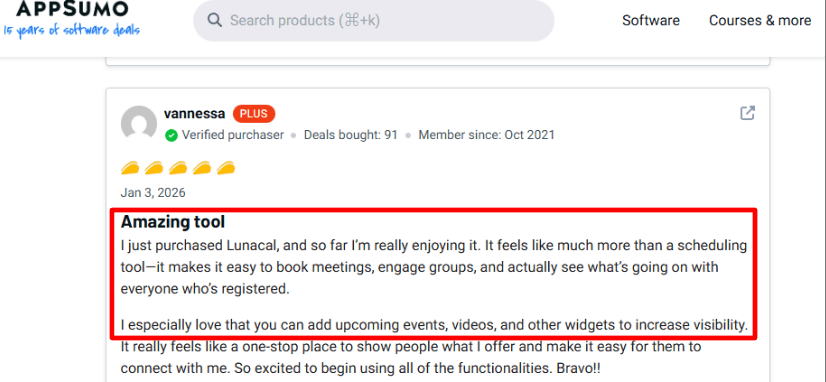
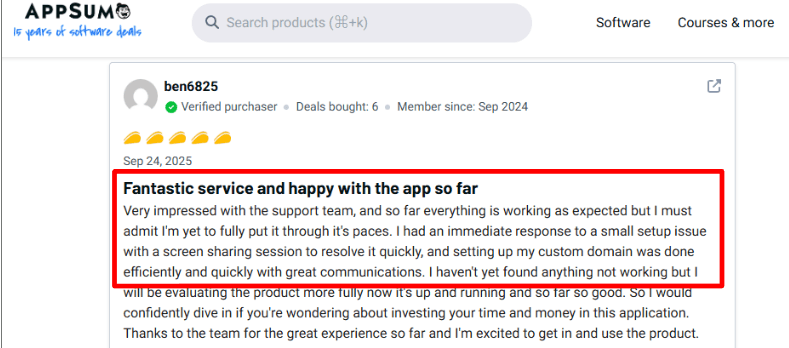
This AppSumo review basically says it feels like more than a scheduling tool because you can add upcoming events, videos, and widgets. Check it for yourself below.
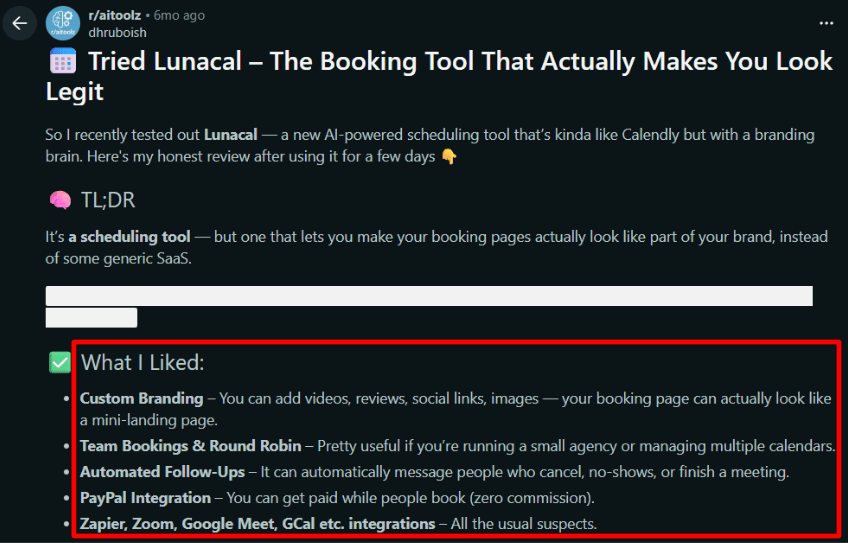
I also saw a Reddit review calling out the branding and how the page looks. That matched what I noticed while testing, and I'm attaching a quick snap so you can see it for yourself.
Another AppSumo review attached below mentions quick, human support during setup and an easy custom domain setup.
Net result for me is simple when I'm looking for a Setmore alternative. Visitors decide faster, and that usually means more bookings.
Team scheduling
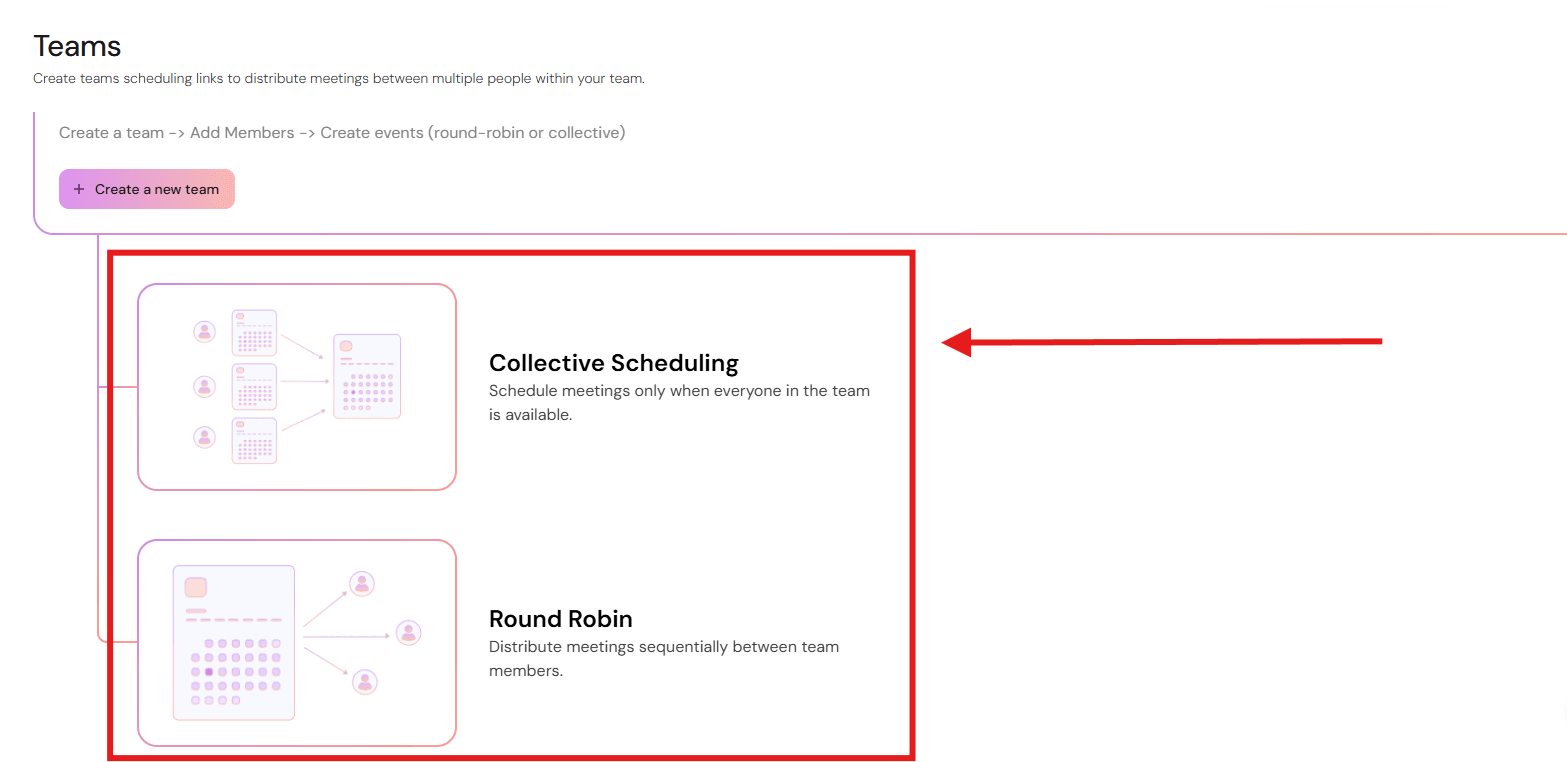
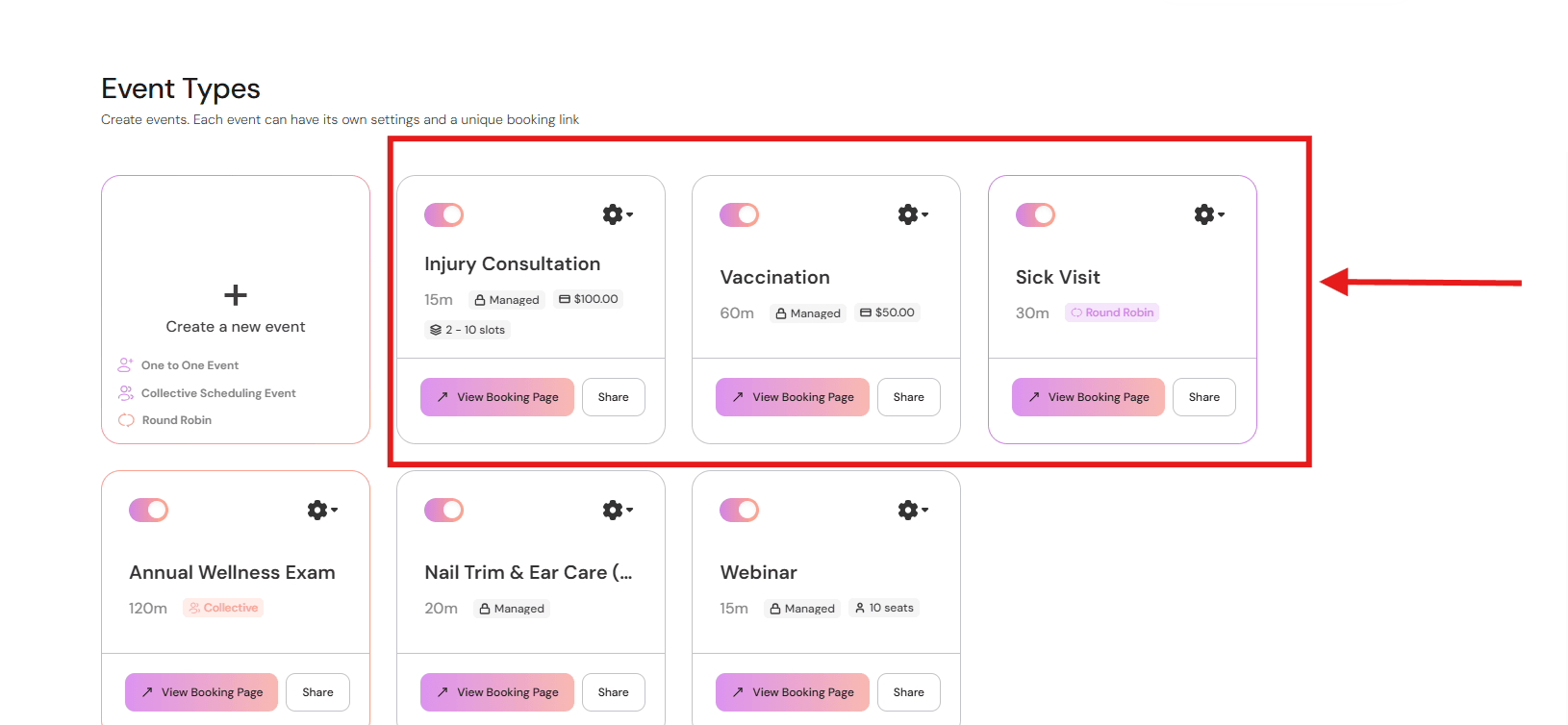
Team scheduling is where many booking tools start to feel messy, so I paid attention here. Lunacal supports common setups like round robin and shared team booking. You can see it in the screenshot below. I can set availability per person and route bookings to the right calendar.
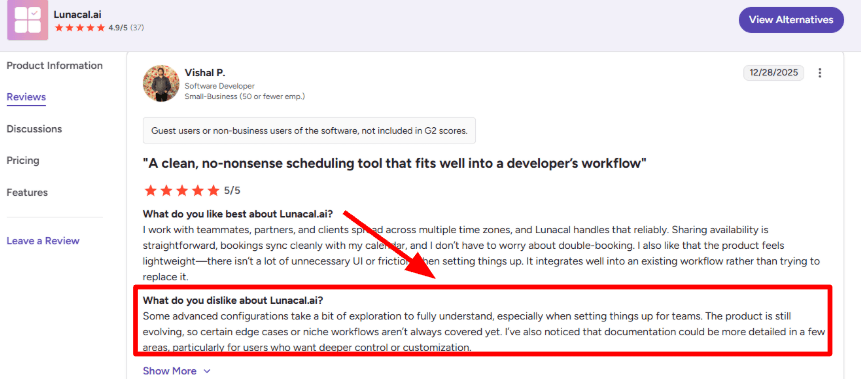
I did see feedback that the first setup takes a bit of effort, mostly for fine tuning routing. I saw a G2 reviewer mention that too, so I am sharing the screenshot.
Routing forms
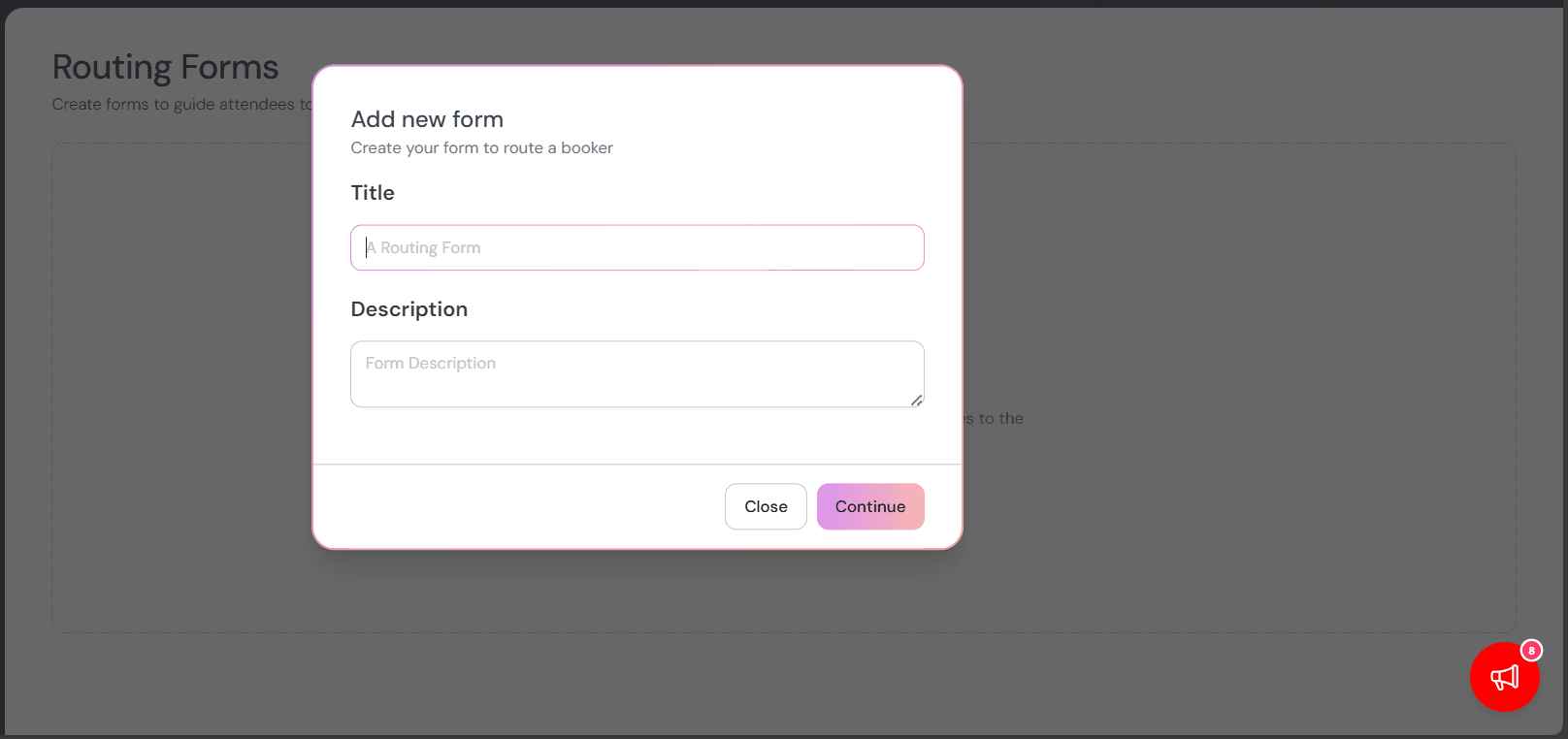
When I want fewer wrong bookings, routing forms are one of the easiest wins. I can ask a few questions before the calendar shows up, like budget, location, or service type. Based on answers, the visitor lands on the right booking option. Take a look, the screenshot shows how it works.
I can see sales teams using this to route leads to the right rep. I can also see agencies using it to route prospects to the right specialist.
Booking flow structure
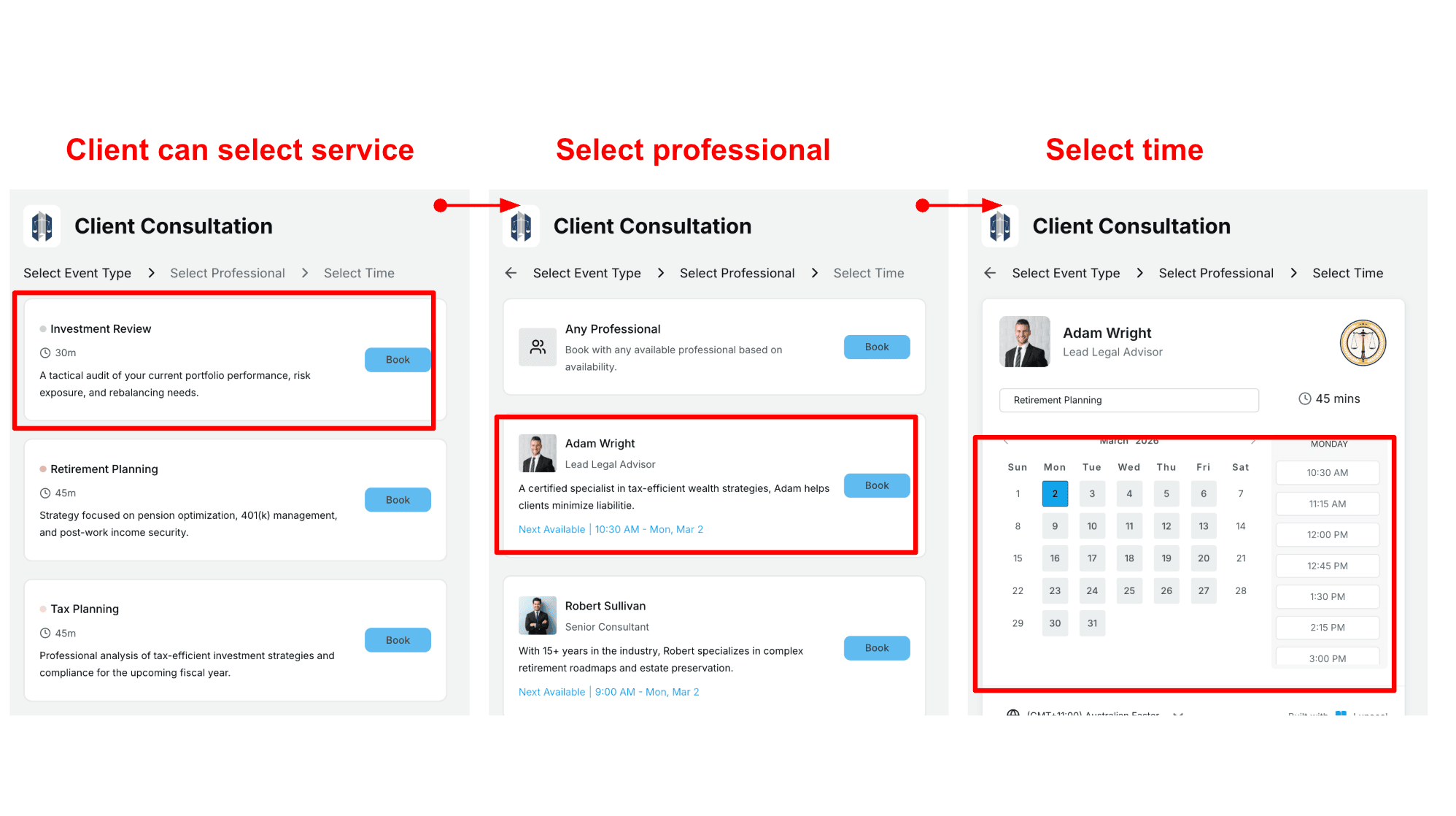
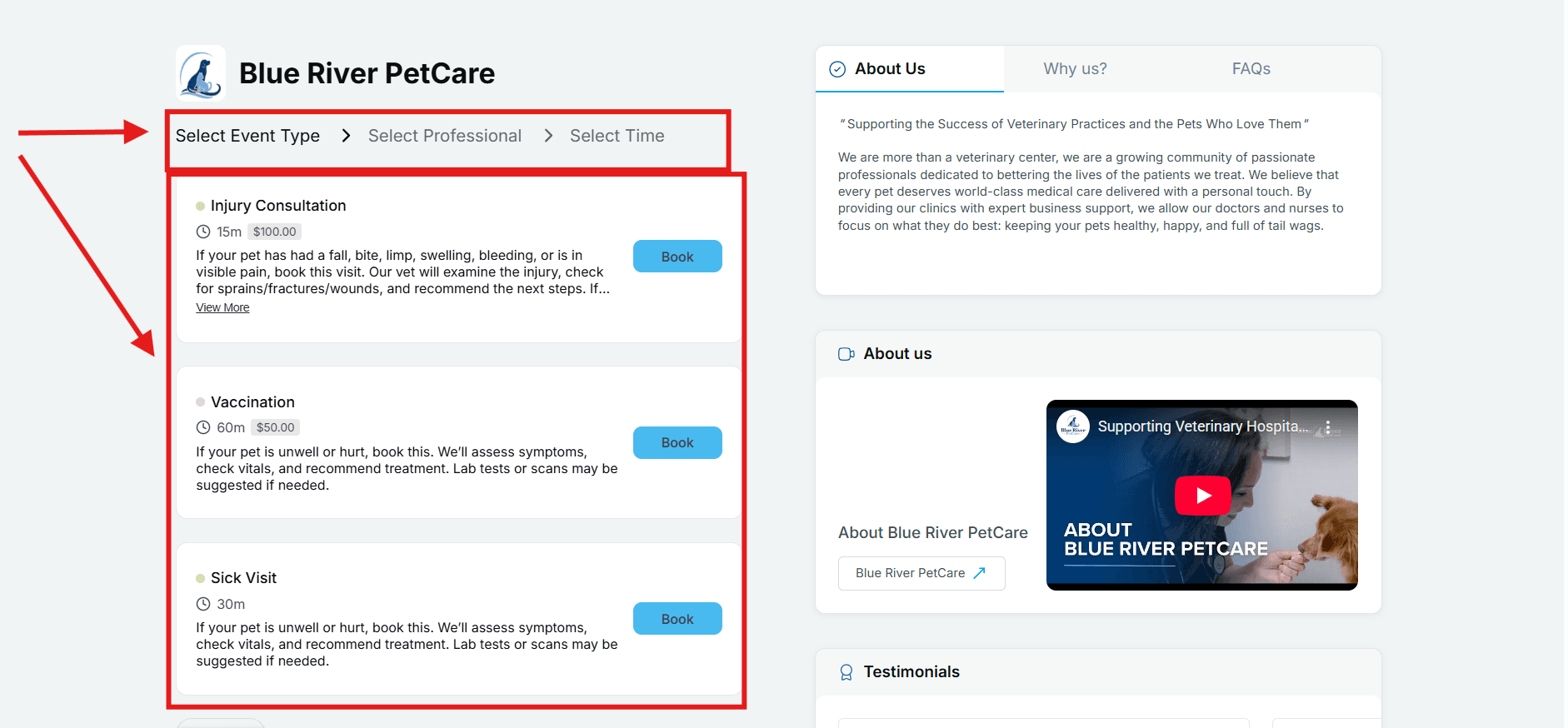
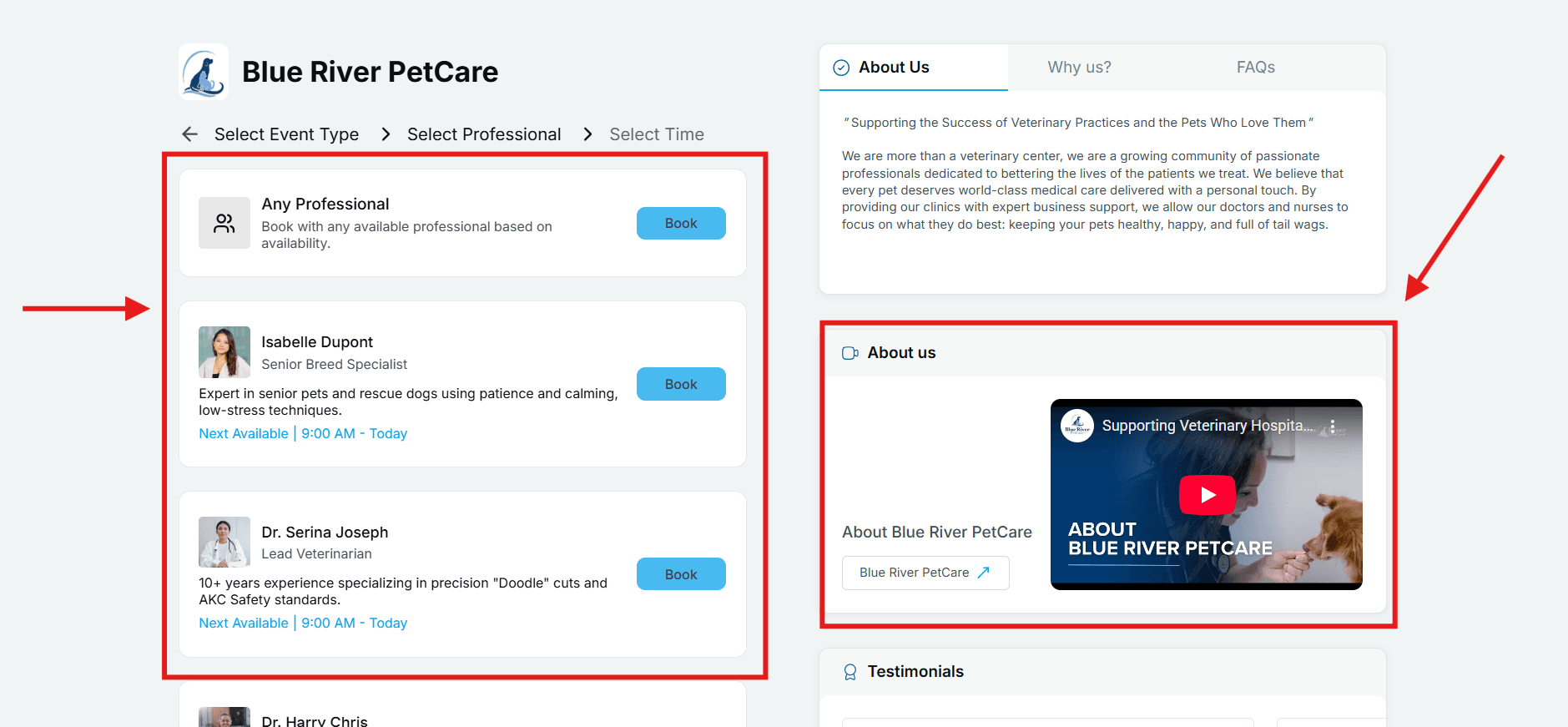
This part feels natural. People usually start with what they need, then they choose who they want, then they pick a time. The screenshot below shows how Lunacal supports that kind of flow.
The typical steps with images for every step are below. It looks like this
Visitor selects a service type from the available options
Visitor chooses a specific professional available for the service
Visitor picks an available time slot while still seeing useful context
I see this working especially well as a booking app for salons, clinics, and agencies because it mirrors how people actually decide.
Custom domain and presentation
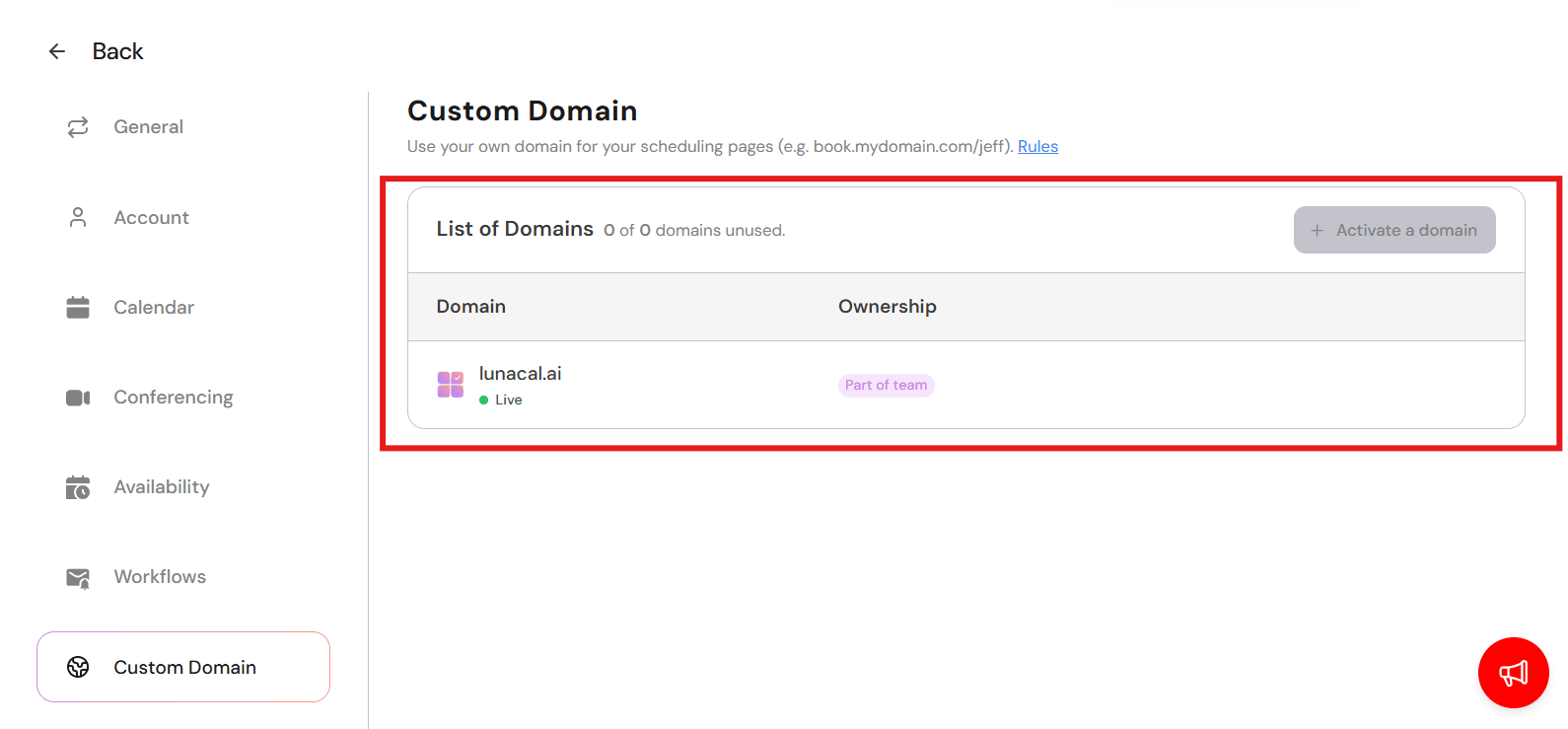
At first, custom domains felt like a small detail. Then I thought about trust. A custom domain keeps the booking experience on your own URL, and that usually feels more legit to visitors.
That AppSumo feedback about smooth custom domain setup plus responsive support matches what most people care about here. They want it to work quickly without drama.
Payment integration
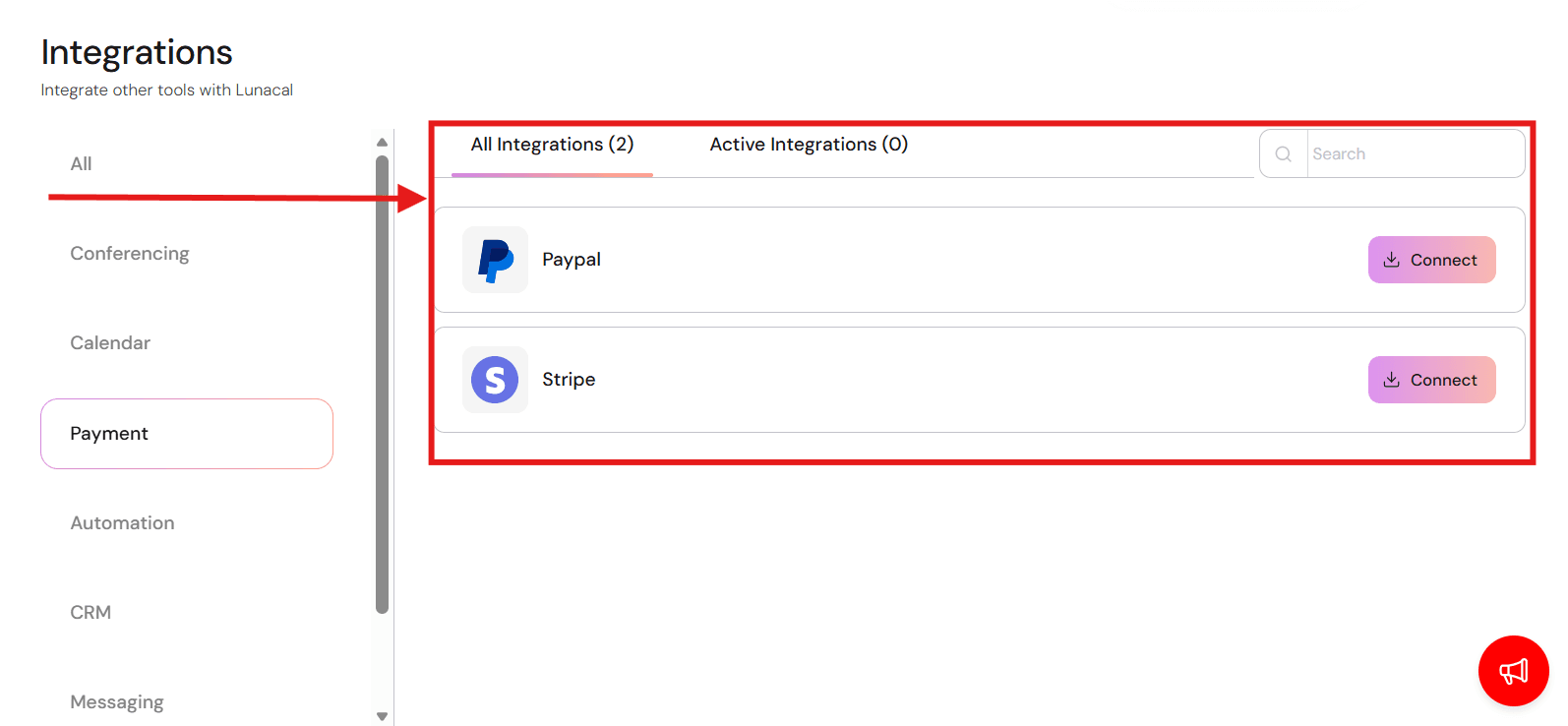
If you sell paid sessions, this matters a lot. Lunacal lets me collect payments or deposits inside the booking flow using Stripe and PayPal. In real life, this usually reduces no shows and last minute cancellations.
Before I go live, I still do a quick check on taxes and refund rules for my setup.
Integrations and workflow hooks
This is the stuff nobody talks about until it breaks so I made sure to pay attention here since there are a lot of options.
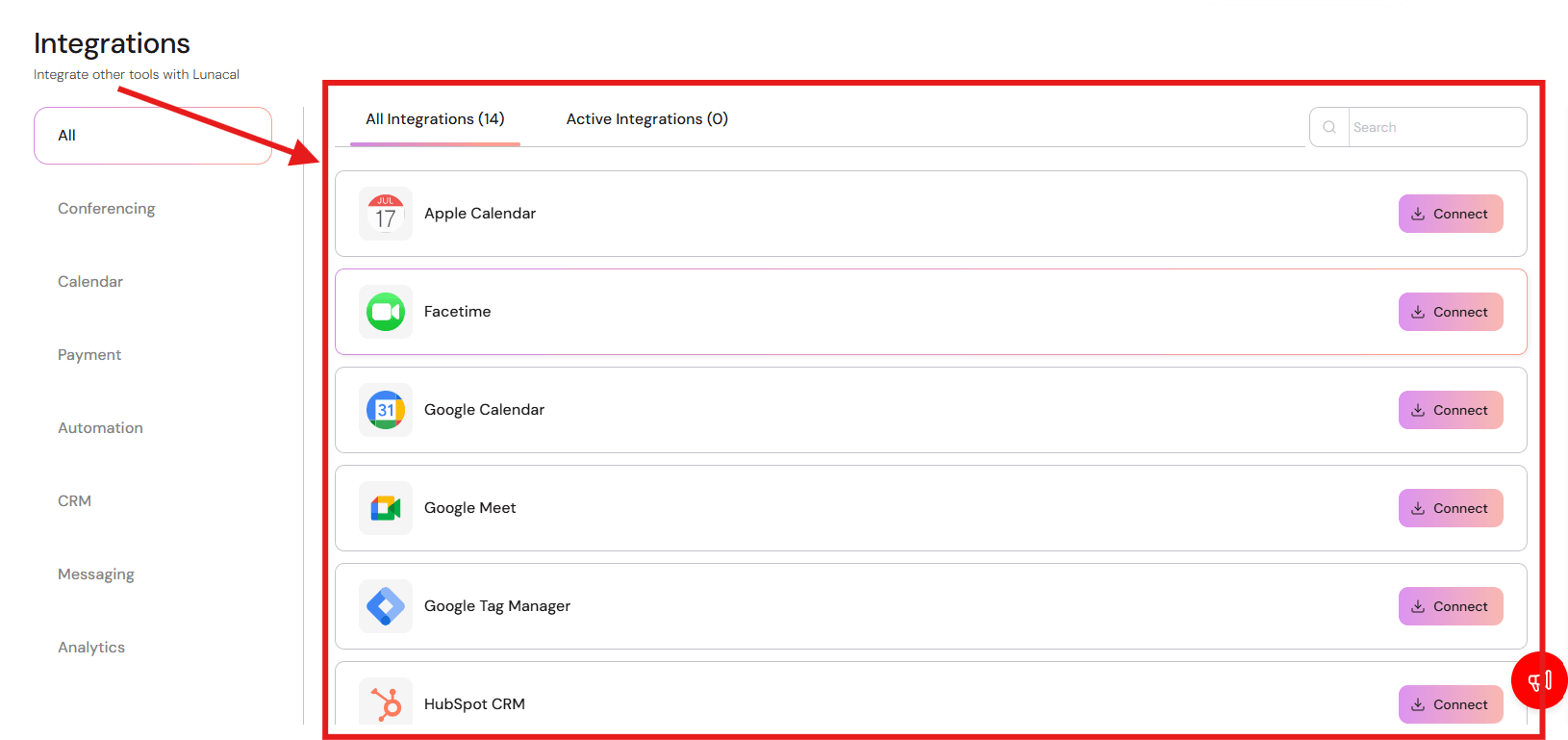
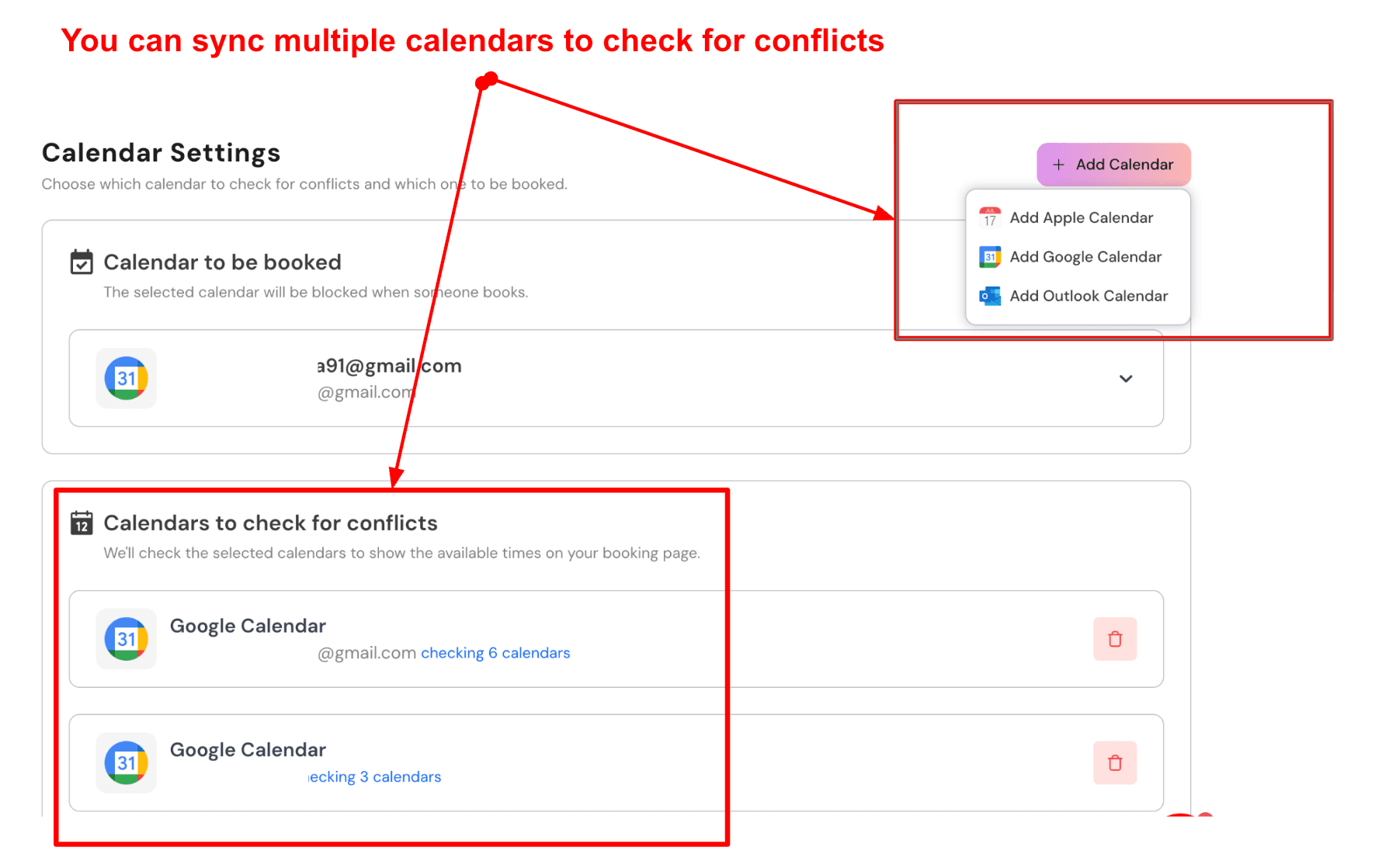
Lunacal syncs with Google Calendar, Outlook, and Apple Calendar, so that double bookings are avoided. One setup detail people mention is choosing which calendar is used for conflict checks. But once it is set up it stays predictable.
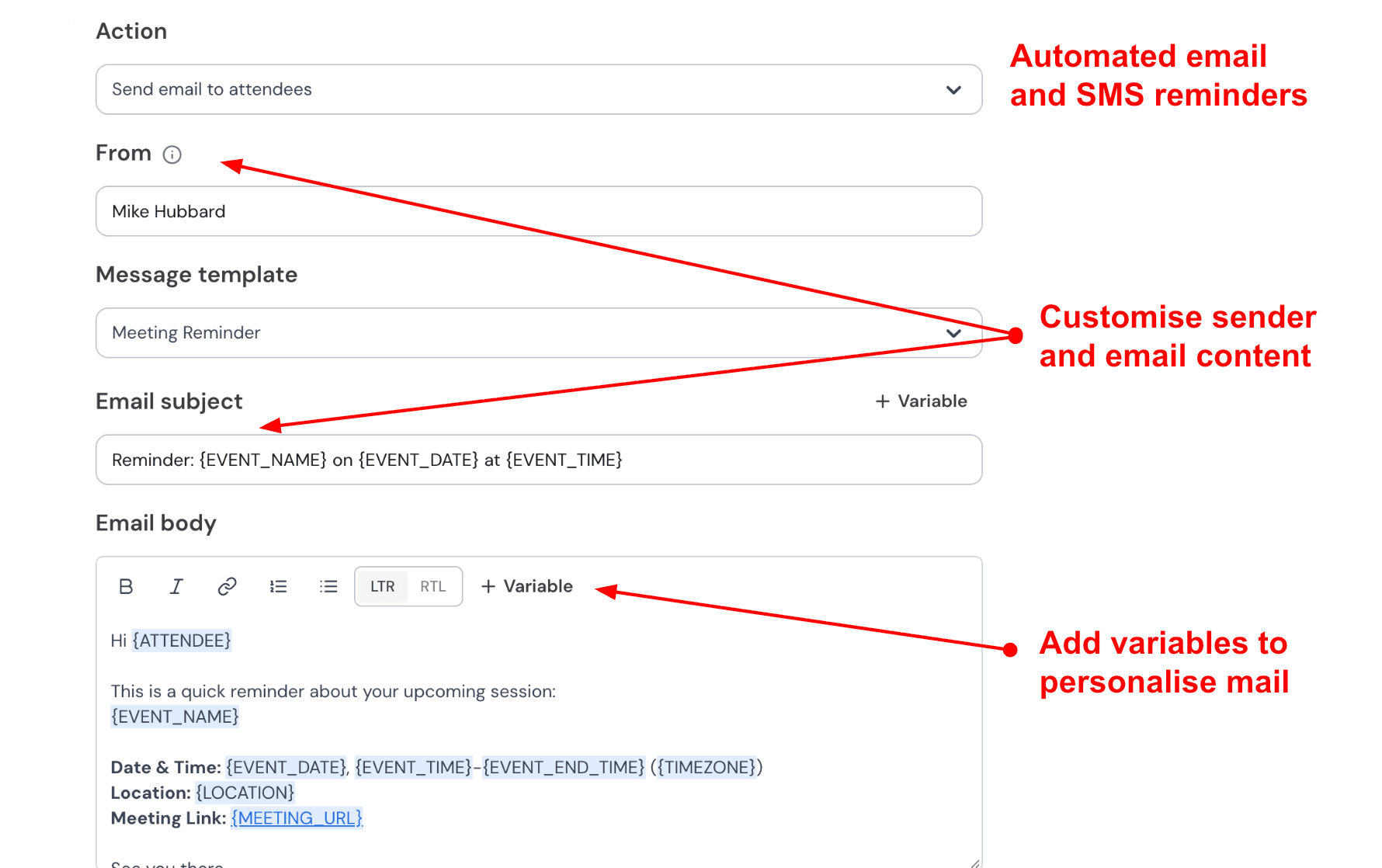
It also auto adds video links and it sends email plus SMS reminders and you can see it for yourself below.
If you use Zapier, Zoom, and Google Meet, Lunacal can connect those too. If you use HubSpot, bookings, reschedules, and cancellations can sync there as well. I like that because it reduces manual updates.
Time zone clarity
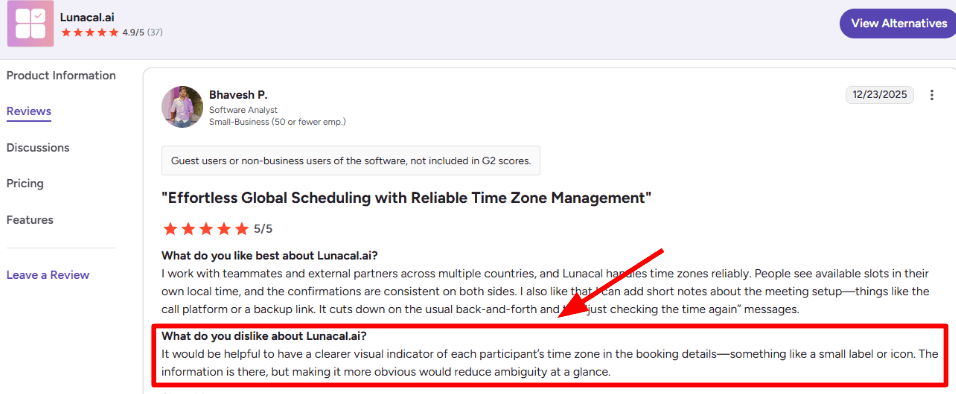
In my testing, time zones are handled, but the "at a glance cue" inside booking details could be easier to spot.
I also saw the same complaint in a G2 review, so I am dropping a screenshot below.
If you book across regions daily, this detail matters more than it sounds.
Privacy and languages
Lunacal highlights GDPR compliance and multi language support, which is relevant if your visitors are spread across regions.
I usually validate this by checking the booking page experience in at least two languages and making sure the consent and data cues feel clear.
Pros
The booking page increases bookings and feels like a mini client page
Payments inside the booking flow via Stripe and PayPal
Great fit for consultants, creators, and inbound led businesses
Multi language support helps for global audiences
GDPR focused positioning helps for EU facing flows
Cons
If you mainly want a simple scheduler, Setmore may feel easier
Setmore can matter more if you rely on the Google Business Profile booking button
Richer pages take some setup time
Time zone visibility can lead to quick double checks
Email and payment confirmations deserve a full end to end test before rollout
Pricing
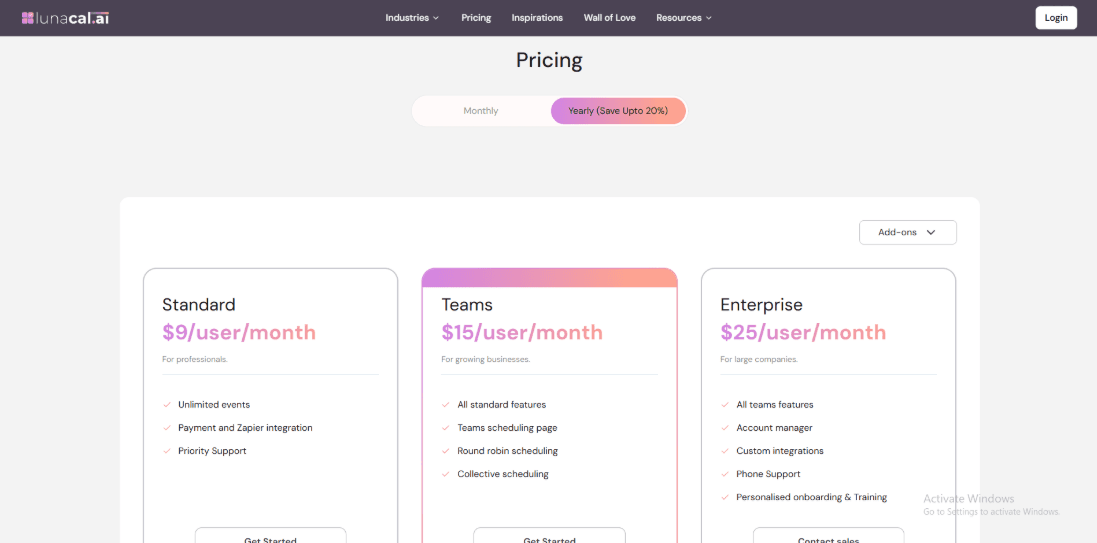
Lunacal pricing is per user and positioned for professionals and teams, with monthly and yearly options.
The public plans shown include Standard at $9 per user per month and Teams at $15 per user per month, with yearly billing shown as discounted.
I treat it like any per seat tool. I estimate team growth for the next six months, then decide.
When to Choose Lunacal over Setmore
I would pick Lunacal when the booking link needs to do more than capture a time, like showing proof, content, and next steps.
I would pick Setmore when the goal is getting scheduling live fast with minimal setup.
If you sell paid sessions or you want the booking page to work like a mini landing page, Lunacal tends to fit better.
Book Like A Boss
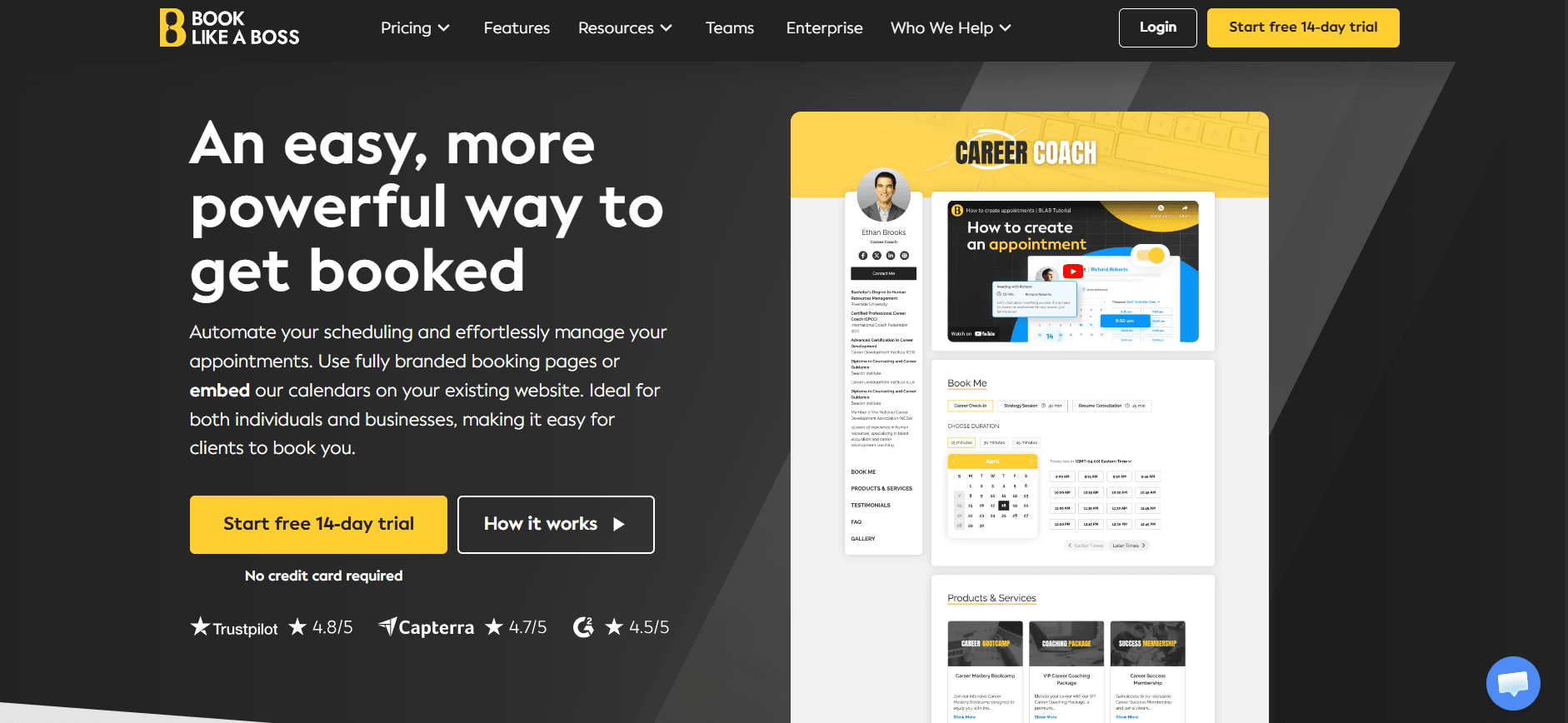
When I looked into Book Like A Boss, my first impression was that it sits somewhere between a scheduler and a lightweight business tool. It is not just built for picking a time slot. It also tries to handle payments, classes, memberships, products, and service pages in one place.
The ratings are solid overall. G2 shows 4.5 out of 5, and that gave me confidence. At the same time, most of the enthusiasm I found seems to come from smaller businesses rather than enterprise-level teams.
Booking & Scheduling
This is the clearest thing about BLAB. You can sell sessions, classes, memberships, digital products, physical products, and recurring offers from the same system. That is useful if your business is built around paid time or packaged services.
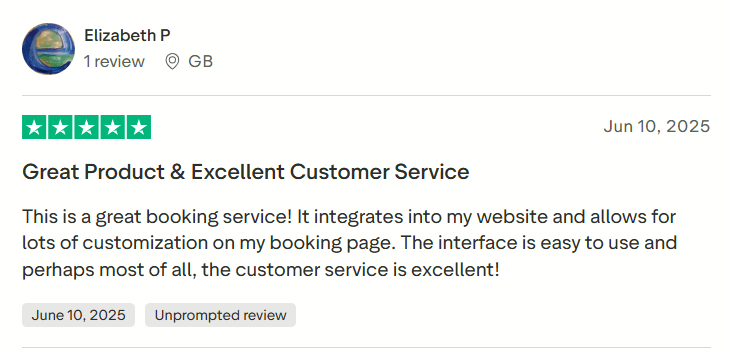
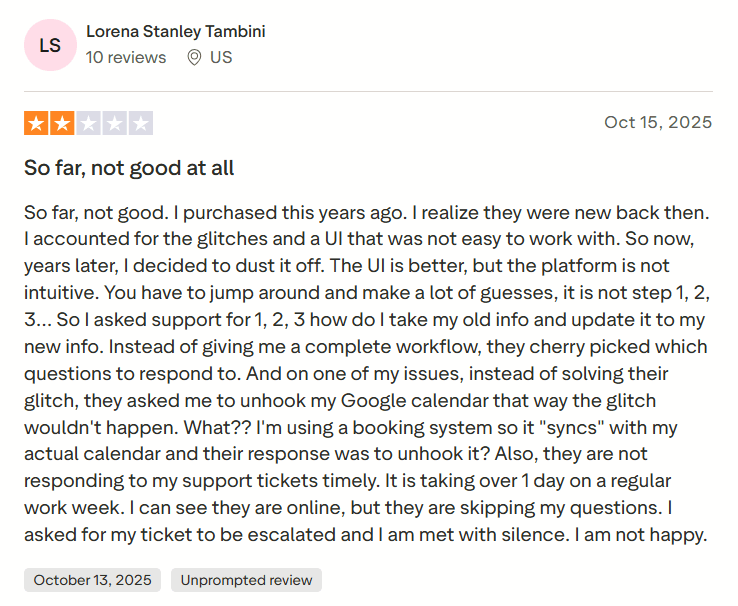
I saw this sentiment echoed in Trustpilot review reviews too, where users talked about using BLAB for a wider range of business needs instead of just appointment booking.
Payments Integration
BLAB supports Stripe, PayPal, Square, recurring payments, coupons, offline payments, and pay-what-you-want setups on the right plans. For coaches, consultants, tutors, and small service businesses, that is a real strength because the full flow can happen in one place.
This is one of the main reasons I think BLAB stands out. If you charge for your time or sell packaged services, having booking and payment sit together makes the workflow much cleaner.
Calendar Controls
BLAB supports two-way sync, multiple calendars, time-off settings, timezone detection, buffers, and availability controls. On paper, it covers most of the stuff people actually need to avoid booking chaos. It also gives you availability buffers and related settings that can be adjusted based on how tightly or loosely you want to manage your calendar.
That said, I did find user feedback around sync behavior, blocked days not always being recognized properly, and occasional breakdowns in sync or related capabilities. So I would treat the calendar side as strong overall, but still worth testing hard with your real setup before you trust it fully.
Reminders and Communication Tools
BLAB includes confirmations, reminders, cancellation and reschedule flows, SMS reminders, and custom email options. For a small business, this matters a lot because reducing no-shows and admin back-and-forth is half the battle.
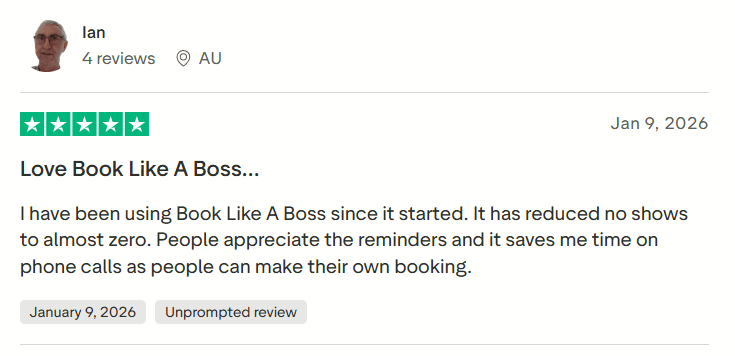
I liked this part more than I expected. Reviewers on Trustpilot also seemed to value it. One reviewer specifically mentioned that their customers appreciated the reminder functionality, which lines up with how practical this feature feels in day-to-day use.
Team Support
There is support for team pages, round robin, reports, directories, team-wide settings, and team payment options. That makes it more capable than tools that are really designed only for one person selling time. In line with this, it also has custom meeting duration settings that let you tweak things based on the scenario you are dealing with.
It does a good job of feeling like a strong solo or small-business tool that has grown to add solid team capability, rather than something built from the ground up for larger internal scheduling operations.
Integrations
BLAB integrates with Google Calendar, iCloud, Office 365, Exchange, Zoom, Google Meet, Zapier, analytics tools, webhooks, and a few marketing tools. That is enough for most normal use cases. Their own material also says they integrate with over 20 third-party apps.
Pros
Broad feature set for services, products, memberships, and paid bookings
Good payment options for small businesses
Solid reminder and follow-up tools
Useful team features like round robin
Support reputation looks strong
Cons
Can feel heavier than needed for simple scheduling
Some review signals around sync and blocked-time issues
Pricing
Current official freelancer pricing shows four main tiers: Espresso at $10 monthly or $8.33 per month billed yearly, Mocha at $12 monthly or $10 billed yearly, Cappuccino at $20 monthly or $16.66 billed yearly, and Latte at $30 monthly or $25 billed yearly. Teams pricing starts at $8.50 per user per month, with a Teams Pro add-on at $5 per seat per month.
When to Choose Book Like A Boss over Setmore
I think Book Like A Boss is best for people who want one system for booking, payments, offers, and light business operations. It is a good fit for coaches, consultants, tutors, and service businesses that sell more than a simple meeting slot.
I would be more cautious if I only needed a clean scheduler or if I cared a lot about minimal setup. Overall, I would call it a strong all-in-one option for small businesses, with a few rough edges that are worth knowing before you commit.
Calendly
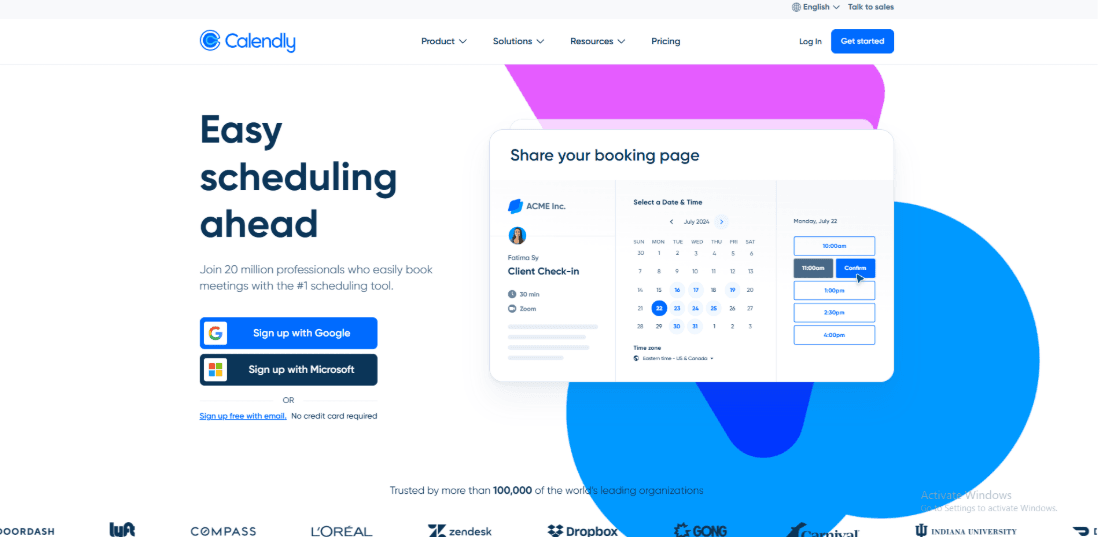
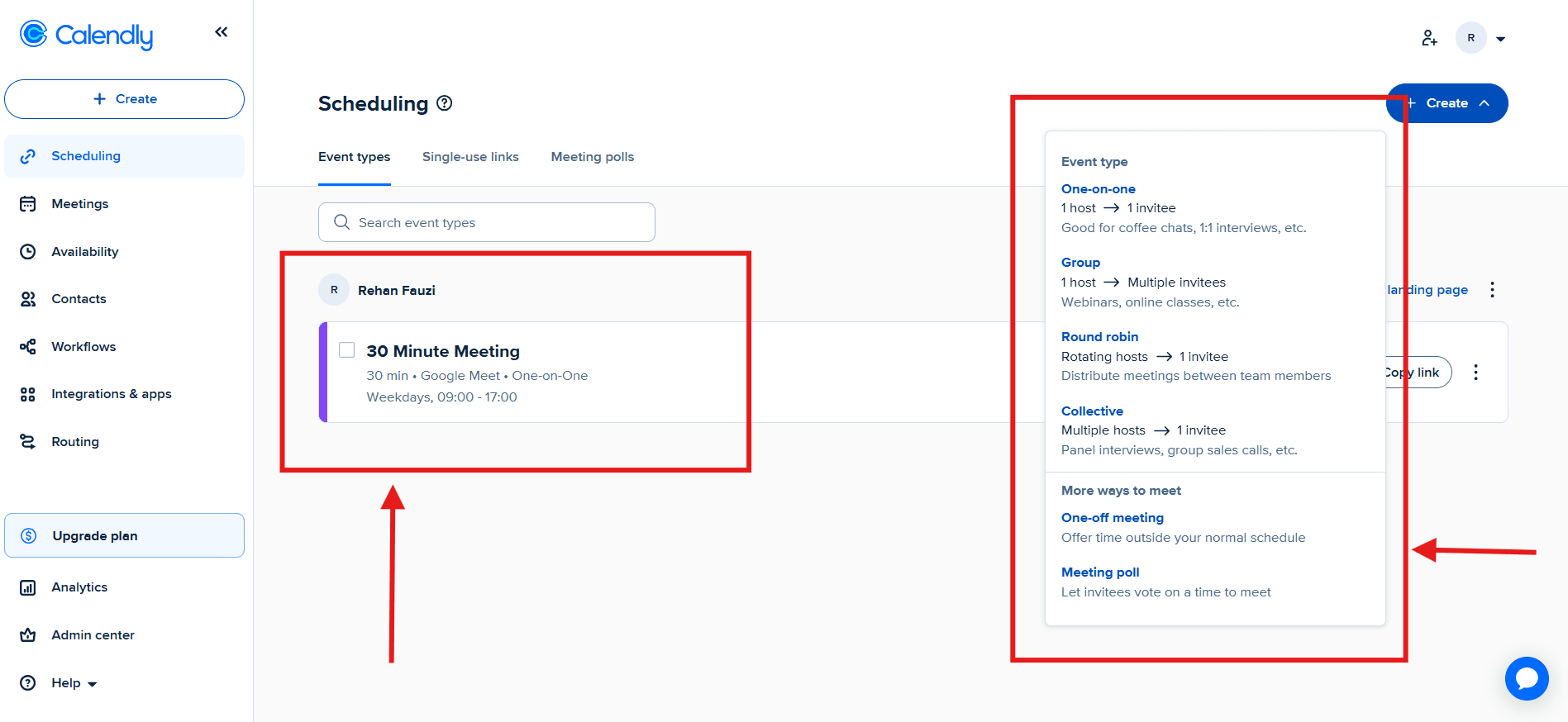
Calendly is the tool I associate with clean scheduling links when thinking of a Setmore alternative. When I tested it, it felt built for quick meeting setup and frequent sharing.
Calendly is best known for simple one to one scheduling links that remove email back and forth.
I would pick it over Setmore as a booking software when the goal is quick meetings first.
If you want a broader comparison set, this breakdown is useful.
Calendar connections
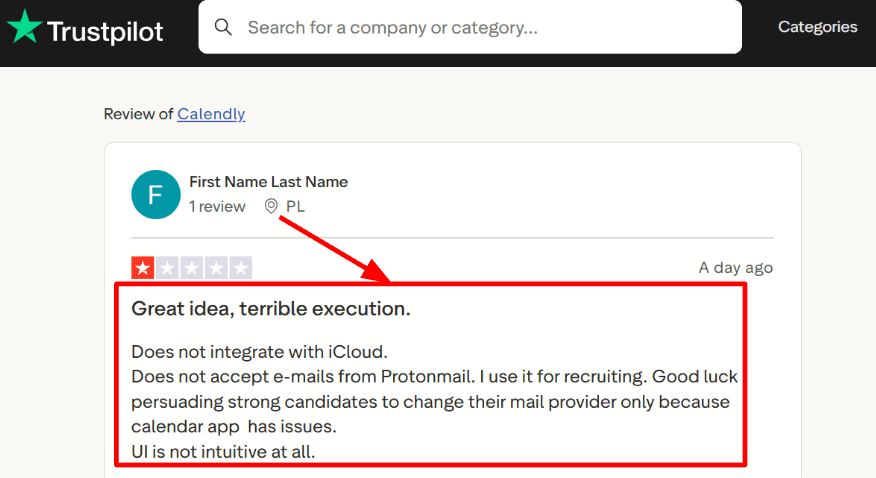
Google and Microsoft calendars were quick to connect in my test. Apple iCloud did not work, and Calendly has said iCloud sync is not supported in community threads.
I also saw Trustpilot feedback about invite issues for iCloud and ProtonMail recipients, so I am sharing the screenshot for context.
Availability limits
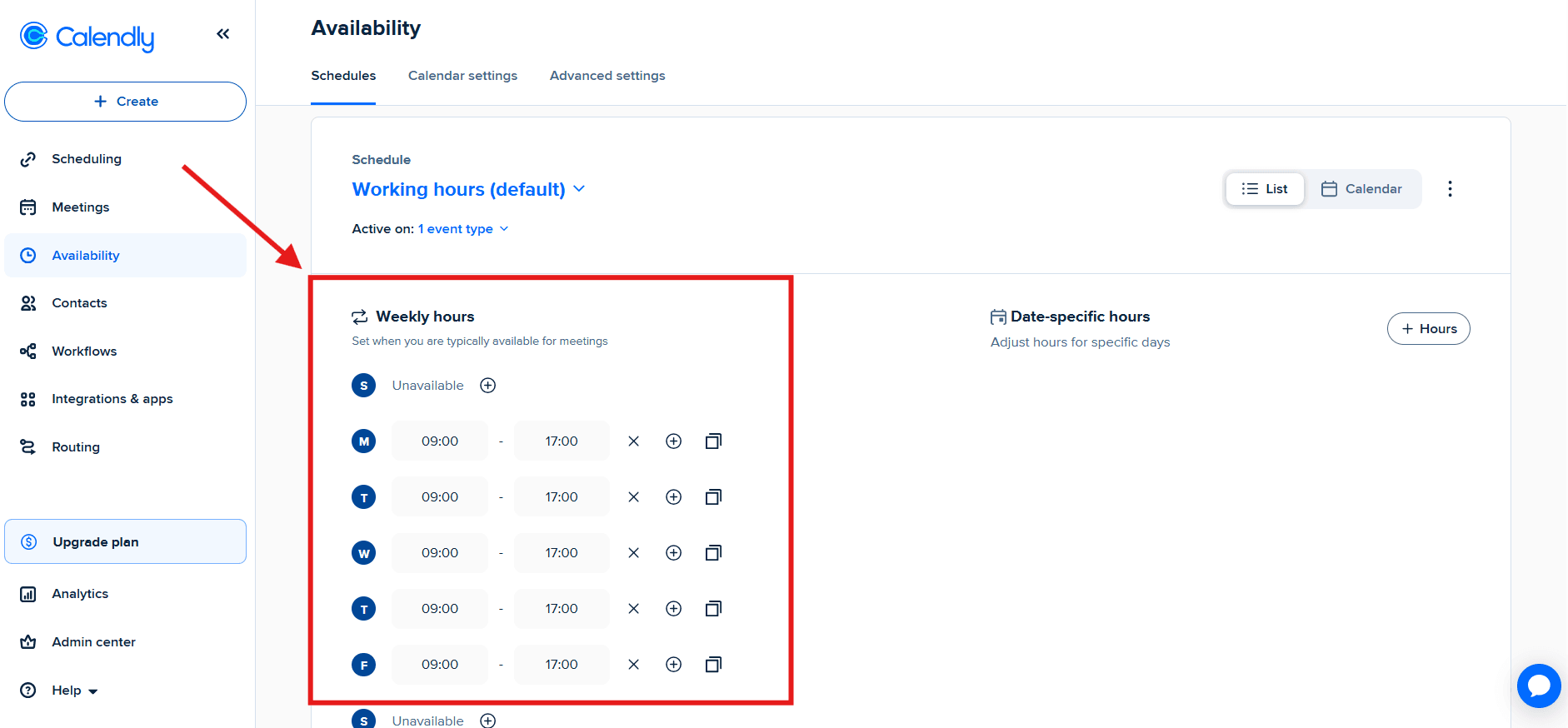
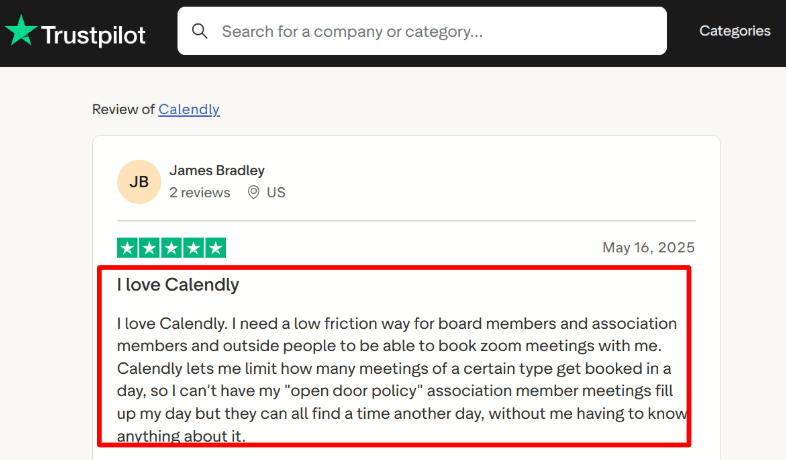
Daily caps and event limits help protect your day once bookings increase. A Trustpilot review described using limits to stop open meetings from taking over, and that matched how it worked in my test.
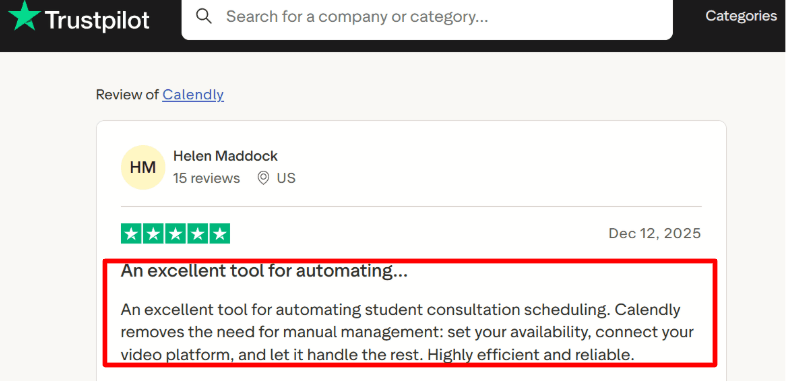
I also agreed with this Trustpilot review about it being reliable for student consultations, and I am sharing the screenshot so you can judge the context
For client calls and paid sessions, this guide is helpful
Meeting tool integrations
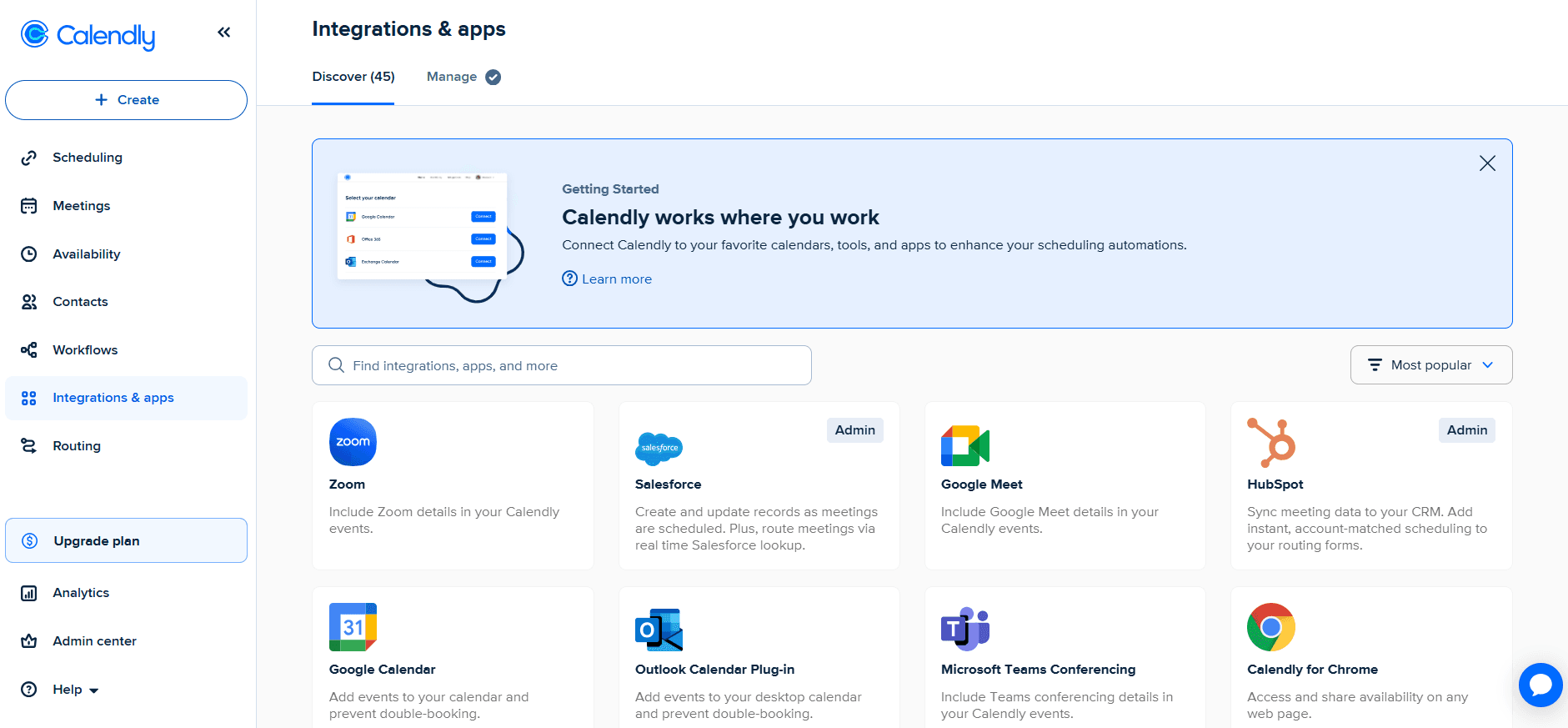
Zoom and Google Meet setup felt fast and meeting details showed up in confirmations. Teams is supported too and the feature set is listed on the pricing page.
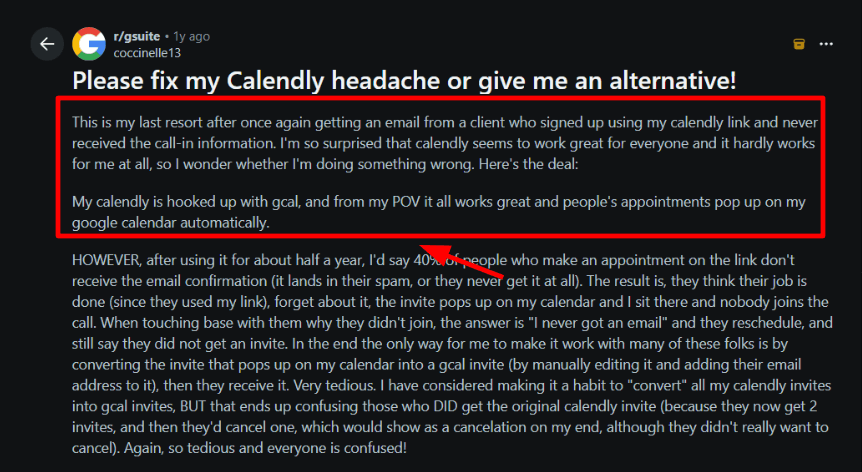
One thing I watch here is email deliverability, because confirmations landing in spam can cause no show chaos. Thats a concerning issue when looking for an alternative to Setmore because this can lead to a loss in sales.
I saw this Reddit thread where people said clients never got the call in info because confirmations landed in spam, so I am sharing the screenshot
Payments at booking
Calendly supports payment collection through Stripe and PayPal on supported plans.
Automation hooks
Webhooks, Zapier, and the Scheduling API help push booking data into your workflow. Setup can take some clicking because settings live in different places.
Reminders and workflows
Calendly can send confirmation emails and reminder sequences.
Basic reminders were easy for me to set up. When I tried to go deeper, I had to click around more than I expected. Once I found the settings, they worked fine.
If you are scheduling interviews, this guide is built for recruiting workflows
Pros
Fast to go live, I had a link working in minutes
Calendar first behavior keeps double bookings under control
Lead routing options once teams get involved
Payments supported for paid sessions in common setups
Cons
Service businesses with walk ins, classes, and in person payments often need extra tooling around Calendly
iCloud calendar setup has a limitation for new users
Email based confirmations can become a weak link for some audiences, the Reddit screenshot shows why
Team features like routing and round robin usually require higher tiers
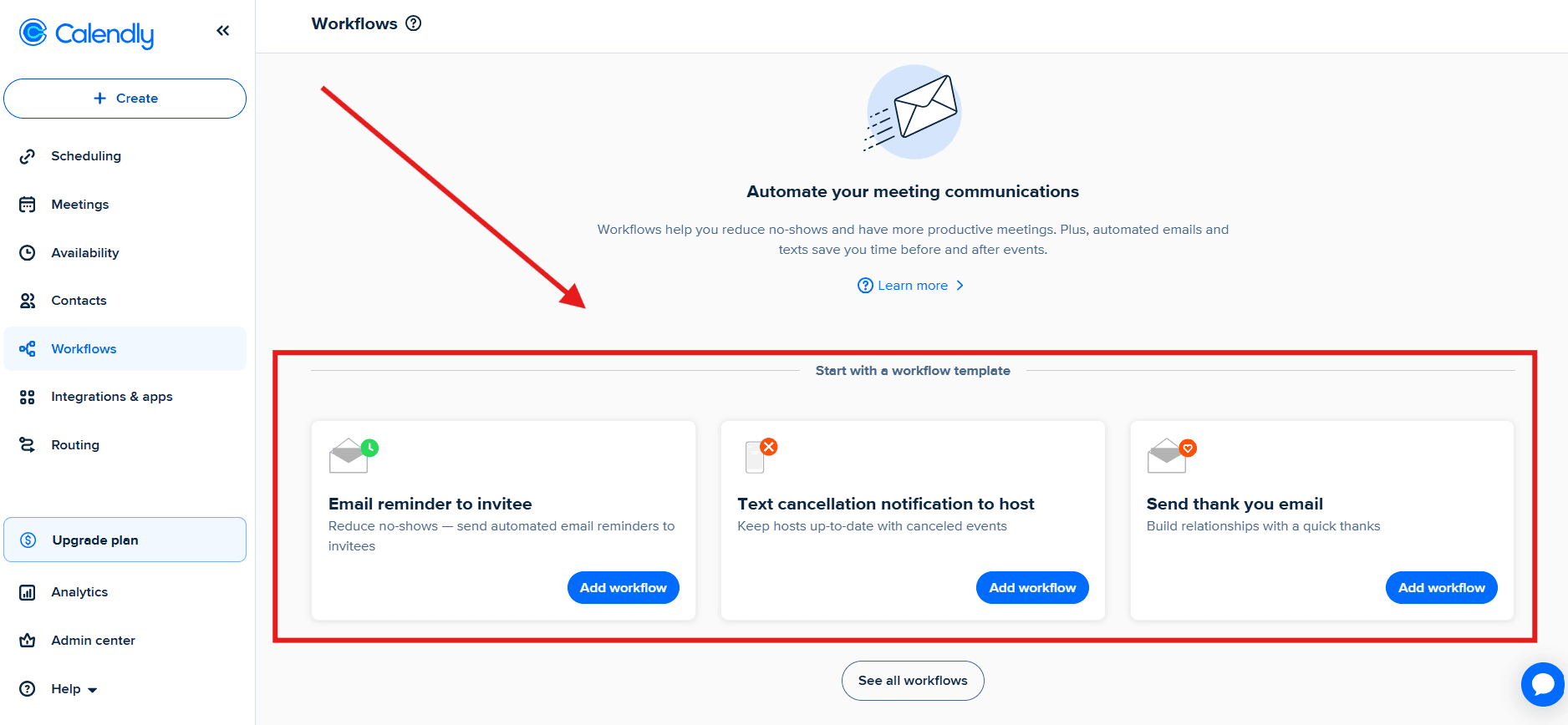
If you want a booking page that sells the service, you may need separate pages
Pricing
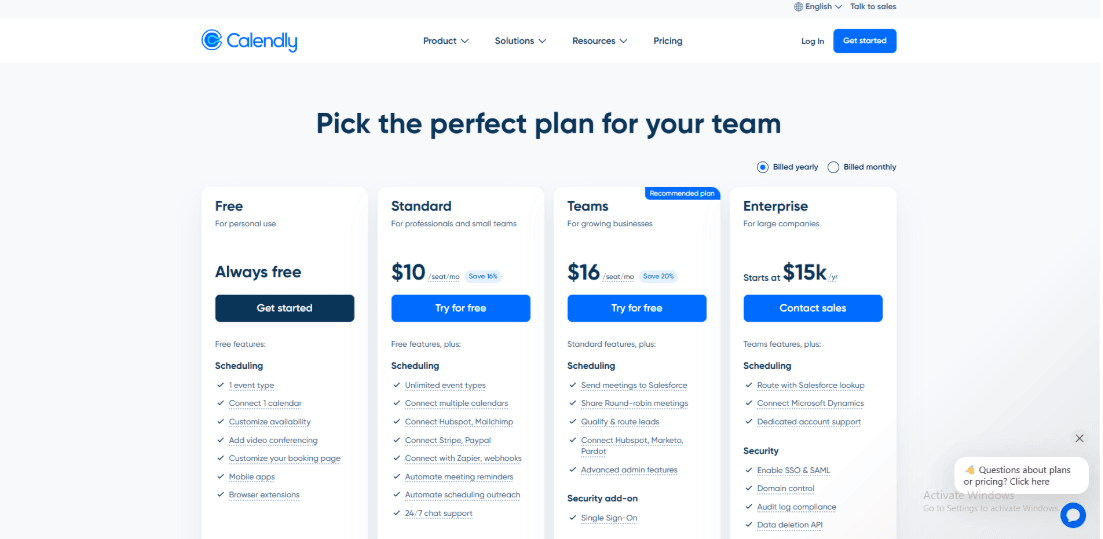
Pricing is as follows:
Free is always free but limited to one event type and one calendar connection.
Standard is listed at $10 per seat per month billed yearly, Teams at $16 per seat/per month billed yearly.
Enterprise starts at $15k per year.
There is a 14 day trial and it downgrades to Free if you do nothing.
When to Choose Calendly over Setmore
I pick Calendly when I mainly schedule meetings like sales calls, interviews, and internal syncs, and I want a clean link first flow.
Setmore tends to fit better when the work looks like service style booking and you need more of the business booking feel.
If you are balancing multiple clients, this guide has the best options
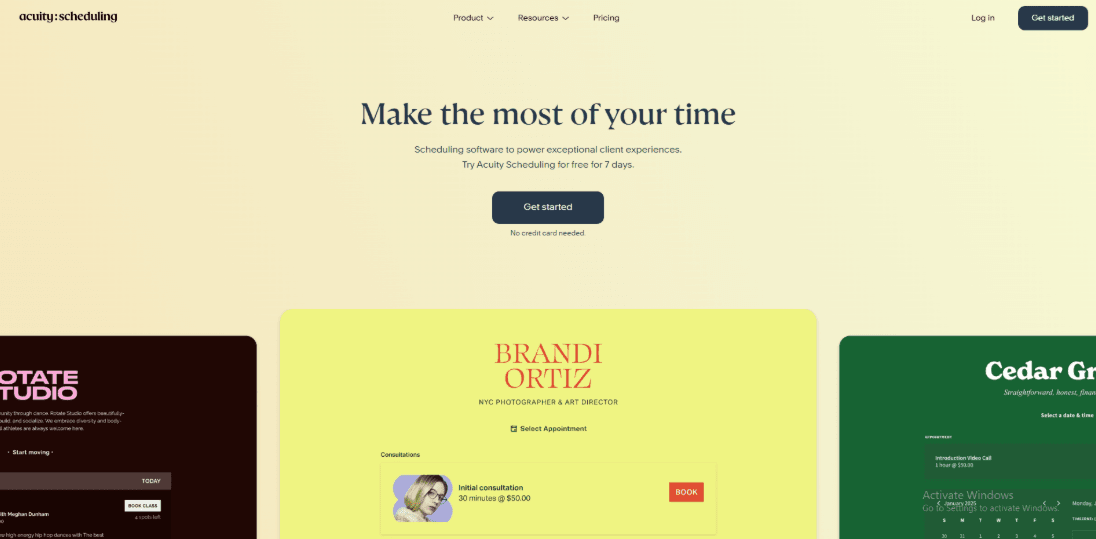
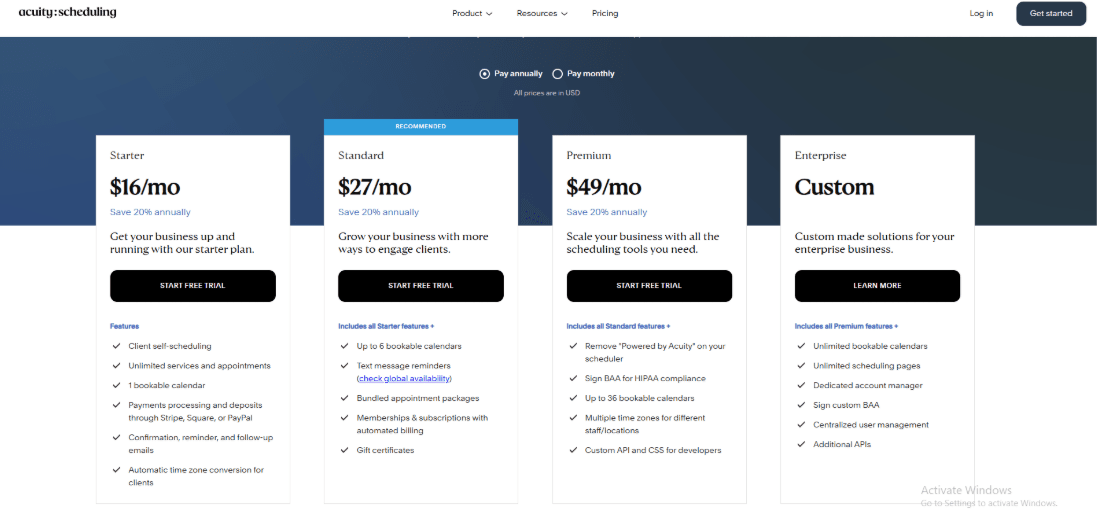
Acuity Scheduling is popularly known for paid-first online booking with deeper tools for repeat clients like packages, subscriptions, and recurring sessions.
If Setmore feels like a lighter, free-friendly setup, Acuity is the one I reach for when I need tighter control over payments and client retention.
If you’re evaluating paid-first tools when looking for a Setmore alternative, this Acuity alternative guide has more screenshots and edge cases.
If you’re benchmarking against Square’s booking product specifically, this Square Appointments alternative breakdown is a useful companion read.
Features
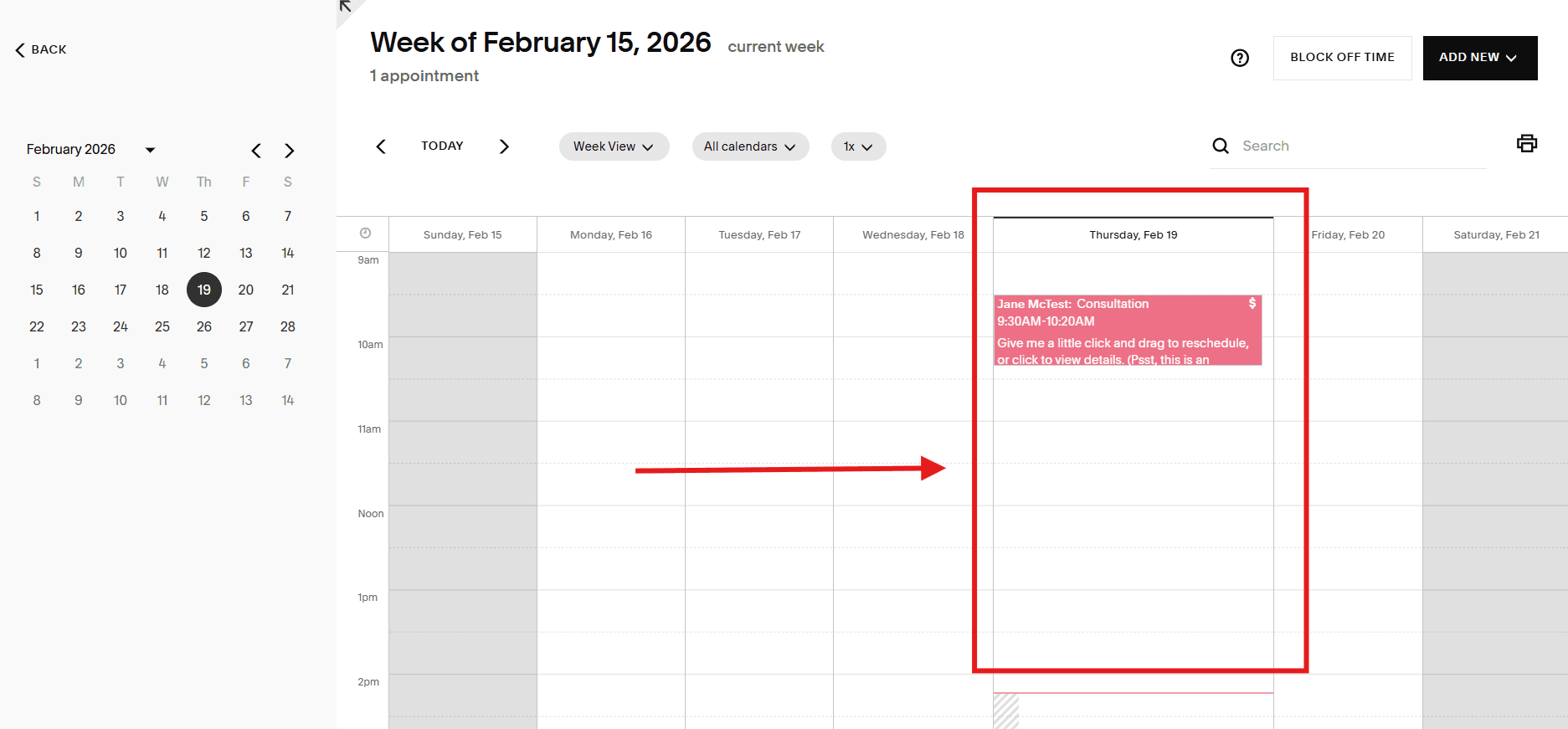
Recurring sessions Calendar dashboard displaying scheduled appointments across services and staff
I tested turning on recurring booking so clients can pick repeating slots in one flow.
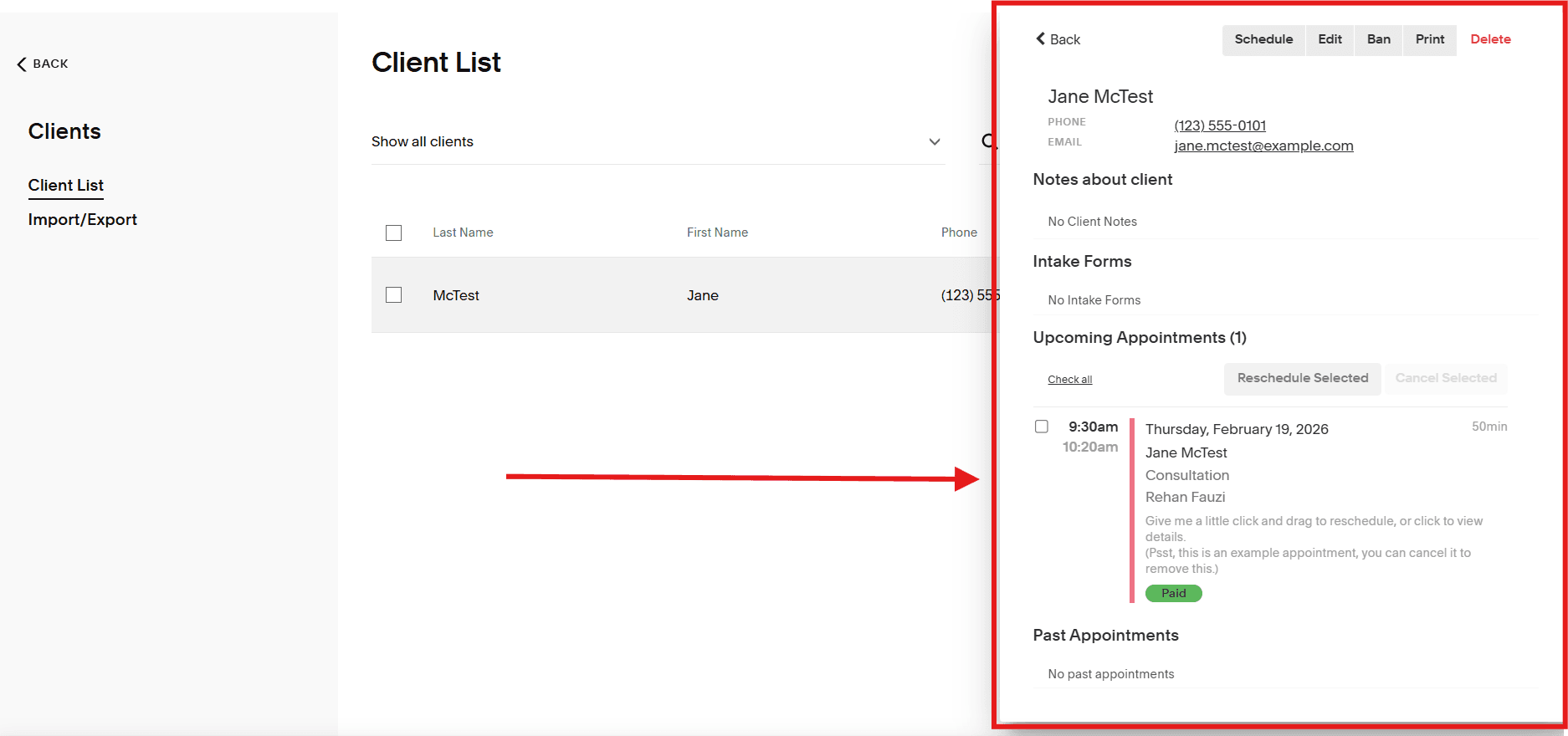
There is also bulk cancel and bulk reschedule from the client list, but I had to dig a bit to find the right screen.
This is one place where the setup experience can surprise you if you expect everything to be on the appointment itself.
Client accounts Client management view showing customer list with detailed appointment card expanded
Clients can log in to see upcoming and past appointments and manage codes, which sounds simple on paper.
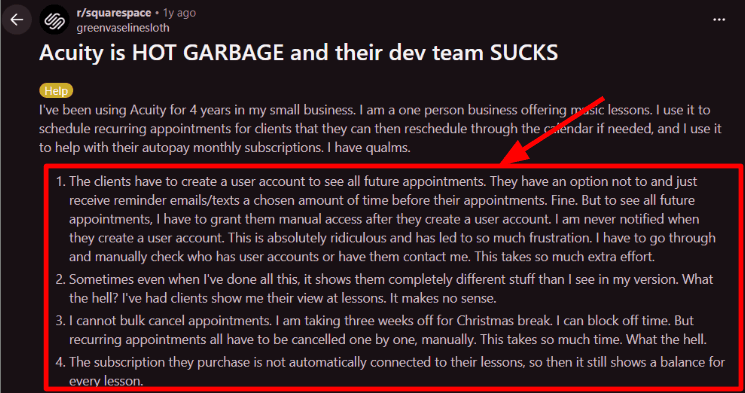
But I’ve also seen the same friction show up in a Reddit thread, especially around what clients can see and the extra admin steps. I’m sharing a screenshot of that review below.
If you use this, test the client view early so you do not learn about gaps during a live session.
The review flags uncertainty around client access, so preview the Acuity client view before enabling accounts.
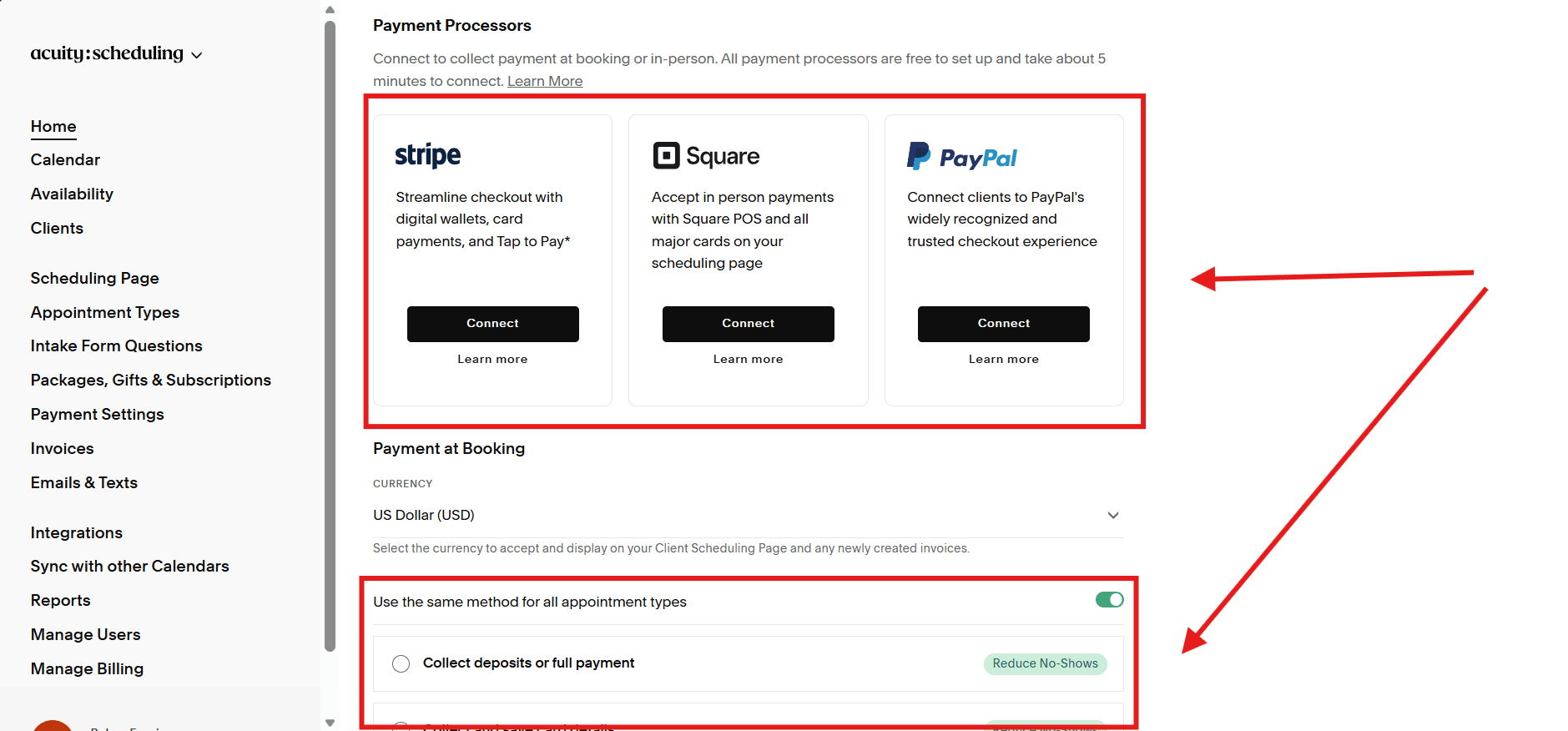
Payment processors Payment settings screen for connecting Stripe, Square, or PayPal and configuring deposits or packages
As the screenshot above shows, payments connect through Stripe, Square, or PayPal, and I was able to get deposits and prepayment working quickly.
As an alternative to Setmore, Acuity’s monetization flow feels more central to the product, not just a bolt-on.
If you sell lessons or consults, this matters because billing issues show up fast.
Calendar sync
Acuity syncs with Google, iCloud, and Outlook calendars, so outside events block time in your scheduler.
I had to create an Apple app-specific password for iCloud syncing, which took a minute to sort out.
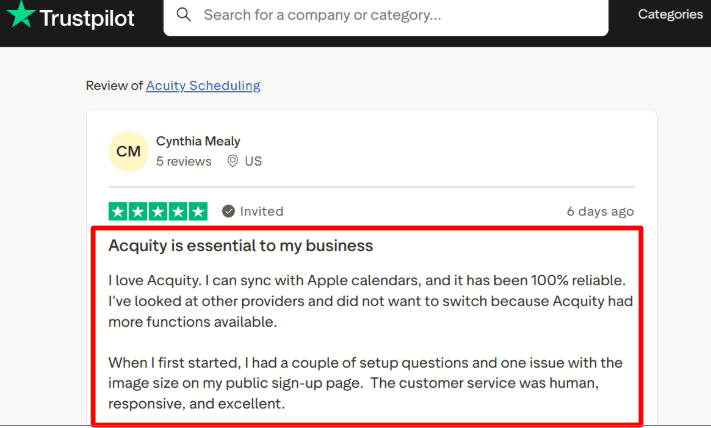
A Trustpilot review also called out Apple Calendar syncing reliability and helpful support, and I’ve added that screenshot below too.
If Apple Calendar is part of your week, this shows why iCloud sync reliability matters for day-to-day scheduling.
Availability rules
You can block personal time, set scheduling limits, and let clients cancel or reschedule on their own.
This is the part I end up tweaking the most during testing various Setmore alternatives, because small rules decide whether your week stays sane.
It’s good flexibility, but expect a couple rounds of adjustments before it feels right.
Strong retention tooling for repeat business like packages, recurring sessions, and subscriptions.
In my testing, this is where Acuity feels meaningfully deeper than Setmore for long-term client workflows.
Solid calendar sync coverage across Google, iCloud, and Outlook.
Payments are straightforward with Stripe, Square, and PayPal.
Bulk actions exist for recurring appointment management once you learn where they live.
Good mix of client self-serve plus admin controls when configured carefully.
Cons
If you mainly want a free scheduler for a small team, do not pick Acuity over Setmore.
Setmore gives up to 4 users on free, while Acuity is paid-first and only offers a trial. See “no free plan” on the official Acuity page here: no free plan.
Calendar syncing can cause duplicate events in some setups, especially if your calendars sync with each other.
If Google Search and Maps booking is your main growth channel, Setmore has an edge with Reserve with Google. Also note that Reserve with Google availability depends on country and supported providers.
Client accounts can create extra admin work if you do not verify exactly what clients can see and when.
The settings are powerful, but a few key options are not where you expect them the first time.
Pricing
Check out th elatest pricing of Acuity Scheduling in 2026.
Acuity offers a 7-day free trial, then moves to paid plans only.
Plans start at $16 per month on annual billing, and typically run higher on monthly billing.
Higher tiers add more advanced features and scale better for multi-calendar or higher-volume operations.
When to Choose Acuity Scheduling over Setmore
If you sell packages, subscriptions, or recurring sessions and want booking tied closely to payments, Acuity is usually the better fit.
Choose Acuity when calendar syncing and availability rules need more depth and you are okay with paid plans. If you want options similar to Acuity Scheduling, see Acuity Scheduling alternative.
Stick with Setmore if you need a free plan for up to 4 users or you rely heavily on Reserve with Google style discovery bookings.If you are comparing Setmore to other tools, use Setmore alternative as a quick guide.
YouCanBookMe
YouCanBookMe is popularly known for deep booking-page customization and clean calendar-based scheduling that still feels lightweight.
It's a great Setmore alternative if you want a more configurable booking flow, especially for virtual-first meetings and branded pages.
Features
Video Links
YouCanBookMe can auto-create meeting links for Zoom, Google Meet, and Microsoft Teams when a booking is made.
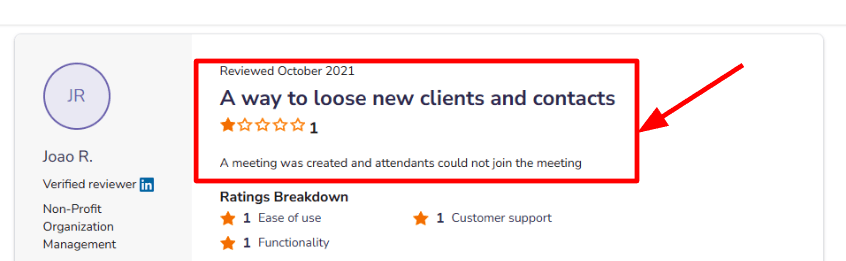
I did see a Software Advice review where the meeting got created but attendees couldn’t join, so I’d sanity-test joins from an incognito browser before rolling it out. Check the screenshot below.
The feedback suggests a meeting can be created yet still fail to join, so do a quick join test in a fresh browser.
Calendar Sync
It connects directly to Google Calendar, Microsoft (Outlook/Office 365), and Apple iCloud calendars, so availability is driven by real calendars, not a “new calendar inside the tool.”
In my setup, the multi-calendar checks were the biggest day-to-day win vs Setmore’s more “front-desk scheduling” vibe.
Form Questions
You can collect the info you need before the meeting using customizable booking forms, including conditional questions.
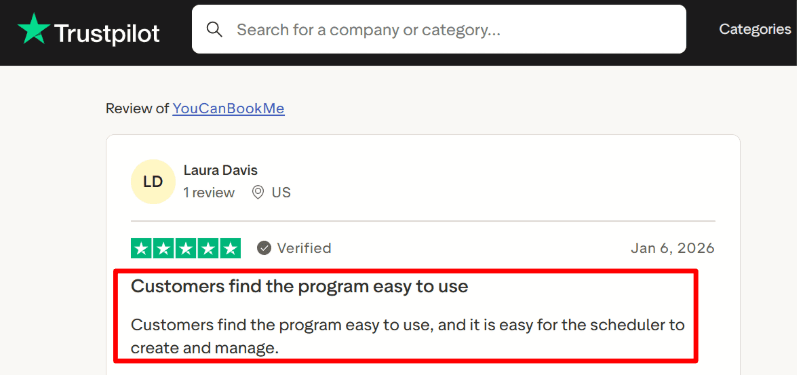
A Trustpilot review called out that it’s easy to create and manage schedules; I mostly agree, especially once you standardize a few reusable question sets (screenshot below).
Once templates are set, YouCanBookMe can reduce repeat admin work when you’re building the same schedule patterns.
Stripe Payments
YouCanBookMe supports taking payments via Stripe, including Apple Pay and Google Pay, which is great for paid consults or deposits.
One small gotcha I noticed while setting billing up: PayPal isn’t accepted for subscription payments.
Team Routing
The Team plan includes team management plus round robin, role-based access, and centralized billing.
I liked the control, but getting roles “just right” took more clicks than I expected the first time.
Strong fit for highly customized booking pages and multi-calendar setups.
If Setmore feels “standard booking page,” YouCanBookMe gives you more knobs to tune.
Auto-create Zoom/Meet/Teams links for virtual meetings.
Stripe payments can reduce no-shows for paid calls.
Team plan supports round robin and admin controls.
Solid integrations surface (HubSpot, Zapier, tracking pixels) for operators who measure funnels.
Cons
If your main reason for searching Setmore alternatives is Reserve with Google visibility, YouCanBookMe won’t replace that.
Their own forum notes Google Reserve isn’t supported, while Setmore positions Reserve with Google as an integration.
Even on Setmore, Google bookings have strict eligibility and policy constraints that catch teams off-guard.
Subscription billing is card-only; no PayPal option.
Some “growth/analytics” integrations are gated to higher plans (ex: Google Analytics on Professional/Teams).
Pricing can scale up if you need multiple calendars or a team plan across many members.
Paid starts at $9/month (Individual), then $13/month (Professional), and $18/member/month (Teams).
When to Choose YouCanBookMe over Setmore
Choose YouCanBookMe if you need deeper booking-page customization, multi-calendar availability, and virtual-meeting automation (Zoom/Meet/Teams) in a setup you can tune. If you want a freelancer friendly booking flow, start with meeting scheduler software for freelancers.
Stick with Setmore if your distribution depends on Reserve with Google and you want that Google-facing booking flow to be a core acquisition channel.
Simplybook.me
Features
SimplyBook.me is popularly known for being a more “configurable” booking system with lots of add-ons (memberships, POS, channels, custom features).
If you want deeper control than Setmore’s simpler flow, it can be a better fit, but you’ll spend more time setting it up.
Membership billing
I tested their Memberships setup and it’s built for recurring charges, not just one-time packages.
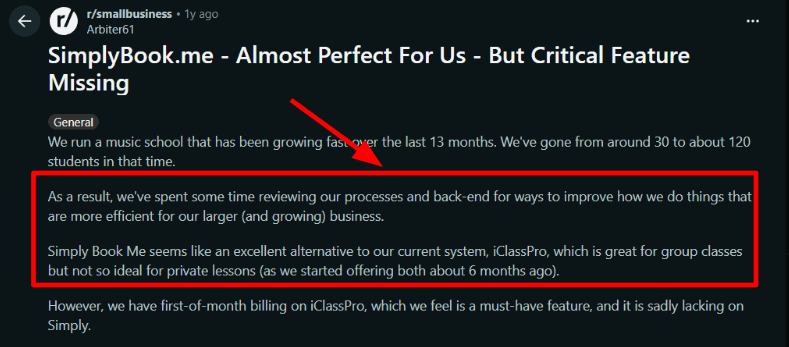
But if your business needs strict first-of-month billing, that’s where people hit friction. I saw the same complaint in a Reddit review (music school use-case), and I’m sharing that screenshot below.
Their own docs confirm recurring payments are tied to Membership billing cycles, but it’s still not “bill everyone on the 1st” by default.
The music school use-case highlights why you should confirm how SimplyBook handles start dates and recurring cycles.
Video meetings
Native video options are broader than I expected: Zoom and Microsoft 365/Teams are called out directly, and you can run online group lessons too.
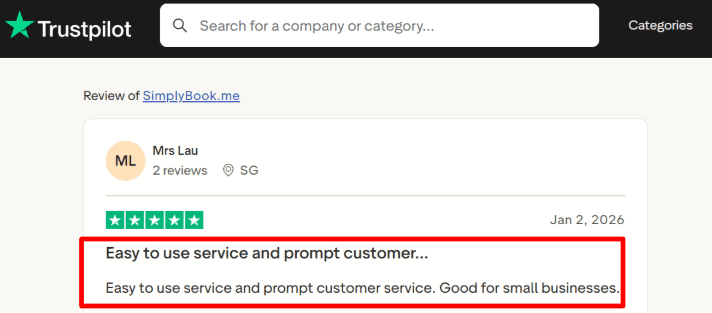
A Trustpilot review described it as “easy to use” with prompt support, and my setup experience matched that. I’ll attach that screenshot below so readers can judge the tone themselves.
It echoes the claim that onboarding feels straightforward, with support responding quickly when you get stuck.
Google booking
You can connect Google Business Profile so people book straight from Google with a “Book now” button, similar to what Setmore offers with Reserve with Google.
What I liked is it walks you through the operational steps (verify profile, category, location, hours) instead of just saying “connect Google”.
Calendar sync
It supports 2-way sync with Google or Outlook, so blocks in your calendar prevent bookings and bookings flow back into your calendar.
Compared to Setmore’s simpler calendar story, this feels more “feature-flagged” because Calendar Sync is a custom feature you explicitly enable, which took me a minute to find.
Payment gateways
Payments are straightforward to wire up with Stripe, PayPal, and Square, plus deposits and tips are positioned as first-class.
One nuance I only appreciated after testing Setmore too: in-person tap-to-pay style features depend heavily on country support from the payment provider, not the scheduling tool. Stripe’s own docs spell out availability by region.
If you’re switching from Setmore because of payments, map your exact checkout flow first. SimplyBook is strong online, but the “offline” story varies by setup.
Strong fit when you need a “system”, not just a booking link. More levers for memberships, POS, channels, and enterprise controls.
It’s the kind of tool you grow into, not just install and forget.
Lots of booking channels including Google, social, and widgets.
2-way calendar sync with Google or Outlook.
Native video meetings with Zoom and Microsoft 365/Teams.
Payments stack is broad and clear: Stripe, PayPal, Square.
Cons
If you mainly want a simple, low-maintenance setup for a small team, Setmore can be a better default because its free tier supports more users, while SimplyBook’s free tier is tighter on limits.
Compare: Setmore pricing vs SimplyBook pricing
For growing schools with “bill everyone on the 1st” needs, Membership billing cycles can feel limiting.
You can spend time deciding which custom features to enable before you feel “done”.
Booking limits per plan can make forecasting slightly annoying at first.
Some advanced features live in higher tiers (you’ll notice it when you try to scale).
Pricing
Free plan is $0, but it’s capped at 50 bookings, 1 provider, and 1 custom feature.
Basic starts around $13.9/month billed monthly ($11.9/month annually), then Standard ($29.9 monthly) and Premium ($59.9 monthly) scale limits and unlock more features.
Premium highlights “Payments PRO” like vaulted cards and payment links, plus accounting integrations.
When to Choose SimplyBook.me over Setmore
If you need memberships with recurring payments, multi-channel acquisition (Google + social + widgets), and deeper configuration, SimplyBook.me is usually the better pick. For time slots, signups, and smoother conference days, see parent teacher conference scheduling software.
If your priority is fast setup, simpler operations, and a clean free plan for a small team, Setmore often wins. If Setmore feels limiting for your workflow, check Setmore alternative.
For schools and membership-heavy businesses, decide based on billing rules and whether “monthly from purchase date” is acceptable.
To pick the 6 best Setmore alternatives, I used a repeatable review process that matches how real teams schedule, confirm, and run appointments. I have spent years reviewing booking and calendar tools for service businesses and small teams, so I focused on what breaks first in day to day use.
Sources
I reviewed official websites, pricing pages, FAQs, and help docs to understand the intended workflow and limits.
I used free trials or demo accounts when available to validate key claims and see the full setup flow.
I cross checked reviews on G2 and Trustpilot for patterns around support, reliability, and billing surprises.
I scanned Reddit and Quora to find unfiltered feedback, recurring complaints, and edge case failures.
Test setup for each tool
One service, two staff members, and realistic availability rules with buffers and breaks.
Email notifications and reminders enabled, plus a basic booking page link shared as a client would receive it.
Common scenarios we tested
First time booking, rescheduling, cancellation, and no show handling.
Payments or deposits where supported, and refunds or credits where relevant.
Time zone handling, mobile experience, and speed from link click to confirmed booking.
FAQs
Which is the best competitor of Setmore?
The best competitor of Setmore is Lunacal. It is one of the highest rated on G2 at 4.9/5 and feels built for people who want bookings to convert, with packages, beautiful booking pages, customisable intake forms, plus security and GDPR basics done right. If your use case is mostly straightforward 1 to 1 meeting links, Calendly can be a better fit.
Which Setmore alternatives should you compare?
The most popular Setmore alternatives are Lunacal, Calendly, and Acuity Scheduling. Lunacal is great when the booking page needs to do real selling, such as payments, packages, and richer context before a client picks a time. Calendly stays simple and fast for meeting scheduling. Acuity Scheduling fits service businesses that want deeper appointment workflows. YouCanBookMe is also worth a look when you want very granular availability rules.
What country specific date format, language, or GDPR nuances matter in Setmore alternatives?
The key country specific details in Setmore alternatives are these.
US, Canada: default month day year formatting reduces booking mistakes, plus clear timezone labels for remote clients.
UK, Australia: day month year needs to be consistent across emails, reminders, and the booking page.
EU, GDPR: consent, data retention, and export should be obvious and easy to manage, not hidden.
Language: check true UI translation support for German, French, and Spanish, including confirmation emails.
Week start and 24 hour time: make sure both can be set for EU audiences.
What features should you evaluate in Setmore alternatives?
The most important features to evaluate in Setmore alternatives are availability rules, timezone handling, rescheduling flow, calendar sync reliability, and payments. Also verify intake forms, team scheduling, round robin assignment, and reminder controls. Test the full booking flow on mobile.
Compare Setmore vs Calendly vs Lunacal vs Acuity
Setmore works well for quick setup and basic appointments. Calendly is strong for meeting scheduling. Lunacal fits booking pages that need trust building, payments, packages, and teams. Acuity suits service businesses needing deeper client intake and appointment management.