Top 10 Savvycal alternatives and competitors (Jan 2025)
Drawing from data analysis of thousands of user reviews and personal experience with various scheduling platforms, I've compiled this comprehensive guide.


27 min read
Drawing from data analysis of thousands of user reviews and personal experience with various scheduling platforms, I've compiled this comprehensive guide.
27 min read
Ever felt like scheduling with Savvycal just doesn’t cut it? After trying out a few alternatives, I couldn’t imagine going back.
Sure, it gets the job done, but is "good enough" really what we want?
I found myself constantly frustrated with its limitations. Why settle when there are better options out there?
Let me walk you through some alternatives you’ll wish you had known sooner.

Lunacal

Oncehub

Pipedrive Scheduler

Google Calendar

Apppointy

Koalendar

CalendarHero

Cal.com

Setmore
| Detailed Comprison | Lunacal | Oncehub | Pipedrive Scheduler | Google Calendar | Apppointy | Koalendar | CalendarHero | Cal.com | Setmore |
|---|---|---|---|---|---|---|---|---|---|
| Scheduling Page |  |  | | | | | | | |
| Customization | | | | | | | | | |
| Teams | | | | | | | | | |
| Support | | | | | | | | | |
| Ease of use | | | | | | | | | |
| 3rd party integrations | | | | | | | | | |
| User interface | | | | | | | | | |
| Calendar sync | | | | | | | | | |
| Free plan | yes | yes | no | yes | yes | yes | yes | yes | yes |
Lunacal isn't just a scheduling tool; it's a personalized brand experience. Forget those boring, generic booking pages. With Lunacal, you can create a scheduling page that's as unique as your business. Think of it as your digital storefront, where you showcase your personality and entice clients to book.
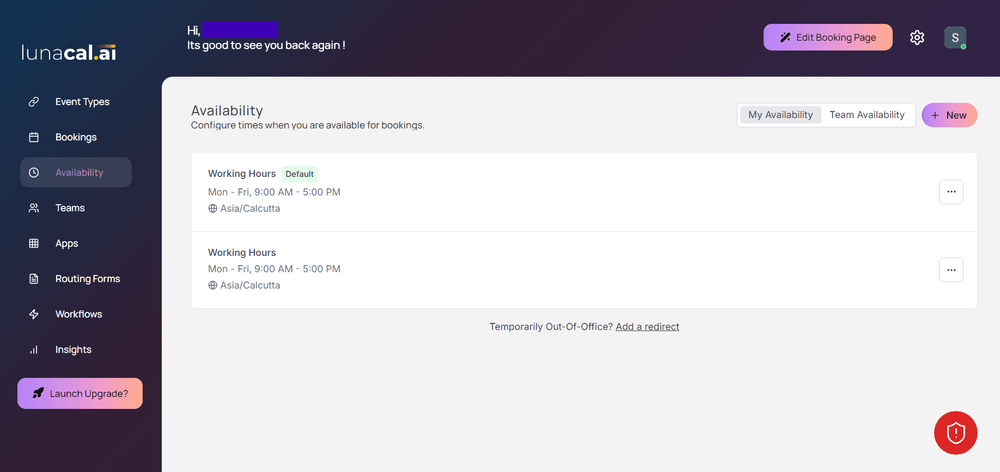
Customizable Scheduling Pages: Make your page a reflection of your brand with custom bios, images, videos, and testimonials.
Client Testimonials Integration: Build trust and credibility by displaying client reviews right on your scheduling page.
Branding Options: Customize colors, logos, and more to create a cohesive look that matches your brand.
Free Forever Plan: Get started with Lunacal for free, no credit card required.
Calendar Sync: Seamlessly integrate with Google, Outlook, and Apple calendars.
Automated Reminders: Reduce no-shows and keep clients informed with automated email and SMS reminders.
Buffer Times: Manage your time effectively by setting buffer times before and after appointments.
Team Collaboration Tools: Schedule for teams with features like round-robin and lead routing.
Instant Booking Links: Share booking links quickly and easily for immediate access.
Multiple Timezone Support: Automatically adjust times for clients worldwide.
Guided Onboarding: Get started quickly with step-by-step guidance.
Multi-Event Booking: Allow clients to book multiple services or appointments in one go.
Custom Availability: Set your availability windows to show clients only the times you want to offer.
Integrations with Popular Tools: Connect with Zoom, Microsoft Teams, payment gateways, and more.
Analytics Dashboard: Track bookings, analyze client behavior, and optimize your page for better results.
Lunacal offers a free plan with basic features that never expires. Paid plans start at $10/month per user, unlocking advanced features like custom branding and team scheduling. If you need more functionality, higher-tier options are available.
Deep personalization: Create a scheduling page that truly represents your brand.
Free forever plan: Get started without any financial commitment.
Seamless integration: Easily connect with your favorite calendar apps.
Automated reminders: Reduce no-shows and improve efficiency.
Team collaboration: Manage scheduling for teams with ease.
Limited CRM integrations: May not be ideal for large enterprises with complex CRM systems.
Lunacal is a fantastic tool for freelancers and small businesses looking to create a personalized and engaging scheduling experience. It's easy to use, highly customizable, and offers a free plan to get you started. While it might not be the best fit for large enterprises with complex CRM needs, Lunacal is a great choice for anyone who wants to make a good impression and streamline their booking process.
Overall Score: 9.2/10
If you just need a clean link to pick a time, SavvyCal stays lightweight. If you need the “who should take this meeting?” step, OnceHub is built for that.
OnceHub has been around since the mid-2000s (often listed as founded in 2006) and it rebranded from ScheduleOnce to OnceHub in 2019. It’s usually used by teams that want booking pages plus routing, distribution, and stricter controls.
Calendar sync: Connect your work calendar so bookings block time and avoid double bookings.
Reminders: Send email and SMS nudges so fewer people forget.
Booking page: Build a branded page that lives on its own link or inside your site.
Integrations: Plug into your tools so meetings don’t sit in a silo.
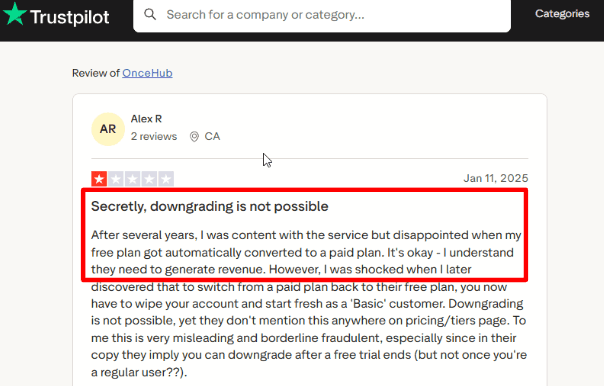
Plans: This is the part I’d sanity-check before you roll it out to a team. OnceHub has a free Basic tier, but multiple Trustpilot reviewers say moving from paid back to free can require creating a fresh account and “starting over.” I agree this can be a nasty surprise if you’ve built a lot of setup inside the account, so I’m sharing that Trustpilot screenshot below.
Routing: This is where OnceHub clearly separates from many SavvyCal alternatives. You can ask a few questions first, then route to the right person and even distribute meetings across a team. Compared to SavvyCal, OnceHub is better when the “right rep” matters more than the scheduling experience itself. SavvyCal is better when you want a smoother recipient experience like calendar overlay and faster back-and-forth to find mutual time.
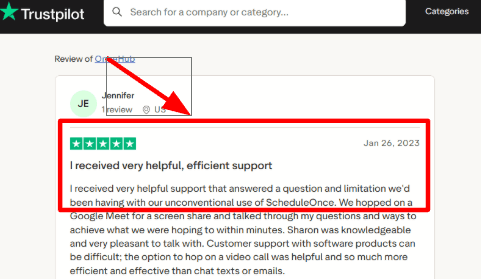
Support: I tested the setup paths where tools usually break (weird calendar edge cases, non-standard meeting flows). OnceHub support is set up for real troubleshooting, not just ticket ping-pong. A Trustpilot review specifically mentions jumping on a Google Meet screenshare to work through an “unconventional” ScheduleOnce use case, and that matches the kind of help you want when your workflow isn’t default. Screenshot below.
Compliance: If you’re in healthcare, financial services, or any org that cares about controls, OnceHub offers a paid Security add-on with SSO and HIPAA BAA options. It’s not the kind of thing you notice in a solo test, but it matters fast once you have multiple teammates and stricter policies.
Red flag: OnceHub keeps adding heavier capabilities like payments via Stripe and calendar two-way sync, which is useful, but it also increases how much “state” lives in your account. If you think you might downgrade later, decide that upfront. Also, two-way sync is powerful, but it can create confusing loops if people reschedule from their calendar app instead of the booking link, so set a team rule early.
Automated scheduling: Set your availability and let Oncehub handle the rest without much back-and-forth.
Multi-channel integrations: Works with tools like Zoom and Microsoft Teams for seamless meetings.
Custom booking pages: Create branded, personalized booking pages to match your style.
Team scheduling: Coordinate schedules across teams easily with shared calendars and bookings.
Flexible workflows: Tailor your scheduling workflows to fit specific client needs or internal processes.
Oncehub offers a free plan with basic features. Paid plans start at $10 per user per month, which increases depending on the number of users and features you need.
Routing forms make it easier than SavvyCal when you must send each lead to the right rep before a time is picked.
Round robin distribution handles team calendars better than SavvyCal when you need fair assignment and capacity control.
SSO and HIPAA BAA options are useful when security reviews block lighter tools.
The booking intake can collect real context so calls start with fewer “so what are we meeting about” moments.
Two way sync helps in teams where people reschedule from their calendar app, not from the booking link.
It feels heavier than SavvyCal if you just want a clean link and a fast scheduling flow.
Account setup can break when routing rules grow, since one wrong condition can send good leads to the wrong calendar.
Downgrading from paid to free can be painful if you expect to step down without rebuilding.
Time zone handling is solid, but shared calendars can still create ghost availability if a teammate forgets to connect the right calendar.
The product has many moving parts, so small changes can ripple into missed reminders or misrouted meetings if you do not test.
Choose OnceHub when you must qualify leads and assign meetings to the right person, and choose SavvyCal when you want the smoothest 1 to 1 scheduling.
OnceHub feels built for teams. I liked how routing forms can collect intent before a slot is shown, then round robin can spread meetings across reps. SavvyCal is simpler and faster for prospect friendly scheduling because its calendar overlay reduces back and forth. The trade off is setup. OnceHub has more settings, so you need to test changes like you would a form or checkout.
Watch two edge cases. The downgrade risk is real if you expect to move from paid back to free later. Also, complex routing can misfire and send good leads to the wrong calendar if one rule is off. If you run inbound demos for multiple reps, OnceHub is clearly better than SavvyCal.
Overall Score: 7.9/10
The moment I tried it, I liked that a booked slot doesn’t just “exist on a calendar”. It lands back inside the deal, as work you can actually follow up on.
Pipedrive is a sales CRM that started in 2010 and grew around the idea of being built by salespeople for day-to-day selling. Its Scheduler, usually called Meeting scheduler, is best for teams that already live in Pipedrive and want meetings to stay tied to contacts and activities. That’s why it shows up often in a “SavvyCal alternative” list for CRM-first buyers.
Calendar sync: Connect Google or Microsoft calendars so busy slots block bookings.
Booking link: Share a general availability link so someone can pick a time without back-and-forth.
Pick times: Send specific time slots instead of your full availability when you want control.
Buffers: Add spacing around meetings so you don’t get stacked calls all day.
CRM context: Bookings become activities in the same place where your pipeline lives, so reps don’t lose the “why” behind the meeting. This is where it can feel stronger than SavvyCal, because the meeting is natively attached to sales work, not just scheduling.
Reliability risk: Scheduler is tied to the core Pipedrive experience, so if the CRM feels unstable, scheduling feels unstable too.
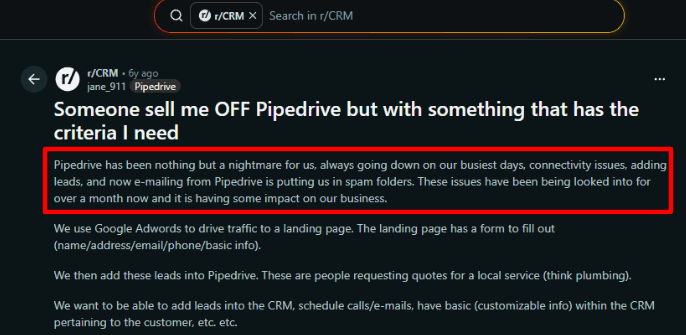
A Reddit review called Pipedrive “a nightmare” on their busiest days, mentioning outages and connectivity issues when adding leads. I agree this is the right red flag to watch for, and I’m sharing the screenshot of that thread below.
Link limits: On the Growth plan, you can have only one active general availability link, while higher plans can have more. If you need separate links for demo, onboarding, and support, this can become friction fast.
Setup feel: The interface is genuinely clean, and basic scheduler setup is quick once you know where “Manage availability” lives.
A Trustpilot reviewer praised the clean, functional user experience and said it was easy to set up with strong support. I mostly agree, especially for non-technical teams, as long as you’re already committed to a CRM-first workflow.
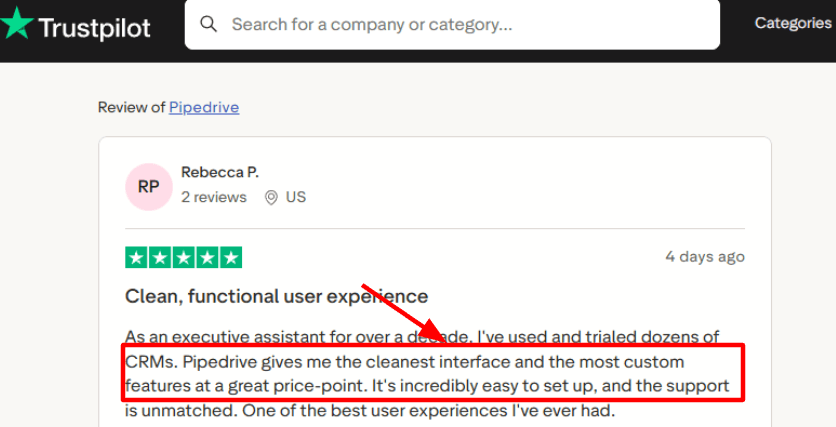
Red flag: Pipedrive Scheduler is not a scheduling-first product, so expect fewer “polish” controls than SavvyCal like deeper branding and availability optimization. If your scheduling link is your top-of-funnel experience, that trade-off matters.
CRM integration: Seamlessly connects with Pipedrive's CRM, so you can manage scheduling without switching apps.
Customizable time slots: Offers a range of options to tailor availability, giving you more control over your calendar.
Team collaboration: Easily coordinate meetings across teams, which makes it useful for businesses of any size.
Automatic reminders: Sends automated reminders to both you and your invitees, reducing the chance of no-shows.
Timezone detection: Automatically detects time zones for participants, ensuring meetings happen at the right time for everyone.
Pipedrive’s scheduling tool comes with their CRM plans, starting at $14.90 per user/month. While it’s not a standalone scheduling tool, it’s worth it if you’re using Pipedrive for sales and client management.
It keeps deal context intact because every booked meeting becomes a tracked activity on the right contact and deal.
It is better than SavvyCal when you live in a CRM since the booking does not float around as a separate scheduling layer.
The pick times option is great for sales calls when you do not want to expose your full availability.
It reduces tool sprawl and can be better than SavvyCal for teams that want scheduling inside the same paid system they already use daily.
Setup is fast once calendar sync is connected and you can start sharing links without extra workflows.
It is worse than SavvyCal for a polished scheduling experience since branding and scheduling controls feel more basic.
The single active link limit on some tiers can break real workflows when you need separate links for demo and onboarding.
If Pipedrive has downtime or connectivity issues, scheduling becomes unreliable at the worst time.
It depends heavily on clean calendar sync so a misconfigured account can cause double booking surprises.
It is not built for advanced scheduling patterns like true team routing so complex team scheduling often needs another tool.
Choose Pipedrive Scheduler if your meetings must live inside your CRM, and choose SavvyCal if the scheduling link experience is the main thing you sell.
Pipedrive Scheduler is CRM first scheduling. When someone books, it becomes an activity on the right contact and deal, so deal linked meetings stay easy to track. I also like pick times for sales calls where you only want to offer a few slots. It is clearly better than SavvyCal for a pipeline driven team that wants booking to trigger follow ups inside Pipedrive without switching tools. Brand control is limited. That matters for agencies. Two edge cases can bite. Some tiers have link limits so you cannot run separate links for demo, onboarding, and support. And if calendar sync is misconfigured, you can still get double bookings or missing blocks.
Overall Score: 6.7/10
I liked how fast this was to set up. I created a booking page in Google Calendar, sent the link, and the meeting landed on my calendar with a Meet option in one clean flow.
Google Appointment Scheduling is Google Calendar’s built-in booking page feature. It’s meant for people who already live in Gmail and Calendar and want a simple way to let others pick a time. It’s also tied to Google Workspace plans, and it replaces Google’s older “appointment slots” style workflow.
Calendar sync: Bookings go straight onto your Google Calendar, so you’re not juggling two systems.
Booking page: You get a shareable link where people can pick from the times you choose.
Reminders: Guests get email reminders, which is fine for basic “don’t forget” use.
Location: Works well for Google Meet, in-person, or “I’ll send details later” setups.
Limits: This is where it can feel too “calendar-first.” I agree with a Reddit review that Google Calendar’s simplicity can be frustrating if you expect work stats, clean separation between client calendars and personal life, or easy 5–10 minute planning. That’s not what this tool is built for, and you’ll feel the gap quickly. I’m sharing that Reddit screenshot below.
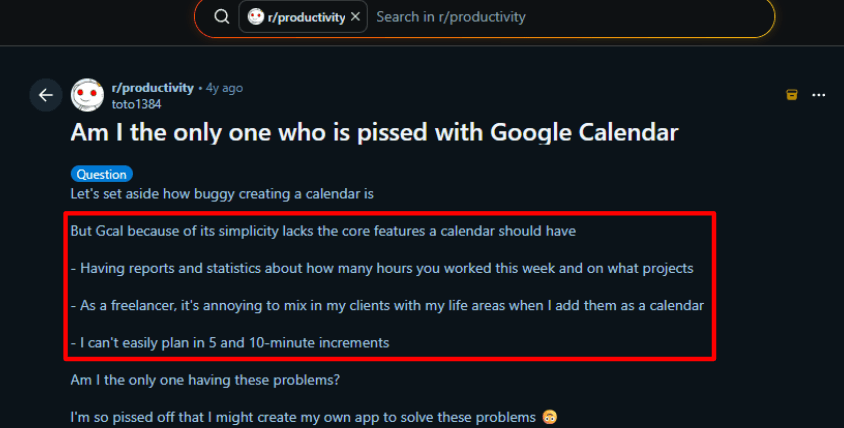
Controls: You can set buffers, minimum notice, and how far ahead people can book. It prevents the worst back-to-back chaos. But if your scheduling depends on the invitee seeing their own calendar overlay clearly, SavvyCal is better, because it’s designed around the invitee’s view and trade-offs, not just your availability.
Workflow: The Gmail and Calendar loop is the real win. I get why a Trustpilot reviewer says it “has everything you need” and helps find open hours. In my testing, it’s great when you’re already emailing someone and just want a clean way to land a slot without extra steps.
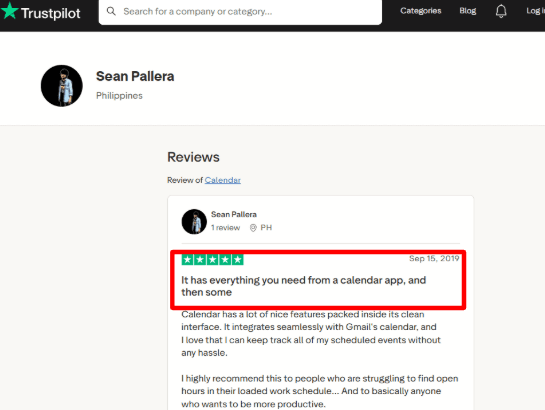
Public page: The booking page is link-based and public, which is convenient but not always what you want. If you’re sharing it widely, be mindful of what identity details show up, and use email verification features if your plan supports it.
Red flag. Co-host setups can surprise you if you assume everyone’s calendars are checked by default. Also, reminder emails are not very customizable, so if your process needs specific copy or instructions, you’ll end up sending a manual follow-up.
Seamless Integration with Google Suite
All your emails, meetings, and events sync effortlessly, which is great if you live in Gmail like I do.
Easy-to-Share Calendars
You can share your calendar with just about anyone, and it’s as simple as sending a link. No fuss.
Multiple Calendar Management
Handle different schedules or projects by creating separate calendars that you can toggle on and off. Super handy when you’re juggling a lot.
Automated Reminders
Google Calendar sends notifications before events, so you don’t forget that important meeting—or your lunch break!
Cross-Device Sync
Whether you’re on your phone, tablet, or laptop, your calendar follows you everywhere. Never miss an update.
Google Calendar is free for individual users. For businesses, it’s included in Google Workspace, starting at $6 per user per month.
Native to Google Calendar means bookings land instantly without a second tool to keep in sync.
It is faster than SavvyCal if you already live in Gmail and Calendar since setup stays in one place.
Multi-calendar conflict checks reduce double bookings when you block time on more than one calendar.
Buffers and minimum notice work well when back to back calls ruin your day.
It can be better than SavvyCal for simple team scheduling inside Workspace since admins and users already have accounts.
The booking page is public by design, so wide sharing can expose more identity detail than you expect.
It is worse than SavvyCal when you need invitee-first scheduling and flexible trade-offs for busy clients.
Reminder emails lack real customization, so workflows break if you rely on specific instructions or tone.
Co-host setups can double book if you forget to enable co-host availability checks.
New schedules are desktop-first, which is a pain when you need to build or edit on mobile.
Choose Google Appointment Scheduling when you want a fast Google Calendar booking page; choose SavvyCal when the invitee experience matters most.
Google Appointment Scheduling feels like a feature, not a separate tool. I set availability, shared the link, and bookings showed up with Meet details without any extra syncing. The trade off is control. SavvyCal is stronger for an invitee-first overlay and flexible options when your buyers have packed calendars. Google wins when your team already runs on Workspace and you just need Google Calendar native scheduling from Gmail threads.
Watch the edge cases. The public booking page is link based, so share it carefully. Co-host meetings can still double book if you miss co-host availability settings. Also, email reminders are basic and hard to tailor, so you may need a manual follow up.
Overall Score: 5.8/10
Appointy is what I pick when scheduling is tied to a real business workflow, not just picking a time for a call. In my test, it felt most natural for service businesses that juggle staff, services, and paid bookings.
Appointy is an appointment scheduling tool that traces back to 2006 and grew around the needs of salons, clinics, studios, and similar teams. It leans more toward running appointments end-to-end, including payments at booking, classes and groups, and staff operations. It also supports calendar blocks via Google Calendar sync, which mattered the moment I started testing real availability rules. If you’re building a SavvyCal alternative list, this is the “appointments-first” option.
Calendar sync: Connect Google Calendar and Appointy will block conflicts so people don’t book over busy times.
Reminders: Automatic reminders help reduce no-shows without you manually following up.
Payments: Collect payment during booking with gateways like Stripe and PayPal on paid plans.
Website embed: You can embed booking on your website so clients schedule where they already found you.
Team booking: Staff logins and staff-level hours let you run shared calendars without giving everyone full access.
Staff: This is where Appointy feels different from meeting-first tools. You can set working hours per staff member and keep services tied to the right person. In practice, this stops the common mess where the business looks “available” but the only qualified staff member is not. The edge case is onboarding. If you forget to set staff-level rules, the booking page can show slots you did not intend.
Classes: Appointy handles group sessions and capacity booking, so one time slot can accept multiple attendees. I like this for studios and training programs because it avoids the hack of creating duplicate slots. The trade-off is that capacity rules need attention. A wrong limit quietly creates overbooking.
Google: Appointy supports Reserve with Google so people can book from Search and Maps, but it is not available for every business type or every geography. I would treat this as a bonus channel, not the core of your booking setup. It also has a verification wait in the flow, so it’s not something you flip on five minutes before a launch.
Meetings: Appointy can do 1
, group, and round-robin meeting scheduling too. But for pure meeting links, I found it heavier than SavvyCal because Appointy is built around services, staff, and business rules. SavvyCal feels faster when the job is only finding a time with another busy person.Red flag On the Growth plan, “unlimited appointments” is explicitly subject to a fair usage policy, so high-volume operations should read the fine print. Multi-location is pushed to Enterprise and extra locations are priced as add-ons, which can surprise teams scaling from one branch to three.
Automated Reminders
Appointy sends automatic email and SMS reminders to reduce no-shows. It takes a load off your shoulders, honestly.
Multi-Channel Booking
Customers can book appointments via your website, Facebook, or Instagram. More options mean more chances to book.
Staff Management
If you’re managing a team, Appointy lets you assign staff to appointments and track availability.
Online Payments
You can accept payments right when the booking is made. It’s nice not having to chase people down for payments.
Customizable Scheduling Rules
You can set specific scheduling rules like buffer time, working hours, and cancellations. Keeps things organized.
Appointy offers a free plan with basic features, but paid plans start at $19.99/month for more advanced options, including payments, reminders, and calendar sync.
Appointy is better than SavvyCal when you need staff scheduling with different hours per person.
Appointy is better than SavvyCal for paid bookings because you can take payment during scheduling.
The class and capacity setup works well when multiple people need the same time slot.
The booking flow fits service businesses because it keeps services and durations tied to the appointment.
Website embed options make it easier to keep bookings inside your own site flow.
It feels heavier than SavvyCal for simple 1 to 1 meetings because setup is more service focused.
Availability rules can break your day if staff hours or buffers are set wrong, since bad slots still look bookable.
Reserve with Google can be limited by country or business type, so you cannot rely on it as a core channel.
Costs can creep up as you add more staff or locations, especially once you move past the basics.
High volume teams should watch the fair usage wording on “unlimited” plans, since it may not behave like true unlimited.
Pick Appointy when you need appointment scheduling with staff schedules or paid bookings, and pick SavvyCal when you just need fast 1 to 1 meetings.
In my test Appointy feels like a business tool because services and durations drive the setup. It is great when a client must pick a service, pay upfront, then get reminders without you chasing them. The trade-off is setup overhead. You have more rules to set and the interface can feel busy for simple calls. Watch for two gotchas. If staff hours or buffers are wrong, the page can offer slots you cannot honour. And high volume teams should read the fair use wording on unlimited appointments. Appointy is clearly better than SavvyCal for a clinic or studio that runs classes and capacity and needs payments at booking.
Overall Score: 7.5/10
If you want a SavvyCal alternative that stays useful even when you do not upgrade, Koalendar is one of the few I’d keep on the shortlist. What I liked right away is how fast it goes from “sign up” to a real, shareable booking link.
Koalendar was founded in 2020 and is run as a self-funded product. It’s positioned heavily around “book straight from your calendar,” especially for Google Calendar users, with wide distribution through Google’s Marketplace.
Calendar sync: Connect Google, Outlook, or iCloud so booked times block your calendar.
Time zones: Smart time zone detection so invitees see the right slots automatically.
Booking page: A clean booking page with basic branding so it doesn’t feel like a raw utility link.
Reminders: Built-in email reminders and confirmations to cut down the “did this book?” confusion.
Payments: Optional payments at booking through Stripe for paid sessions and deposits.
Teams: Round robin and collective scheduling are there when you need them, but they’re mainly a Pro story. If you are choosing between Koalendar and SavvyCal for team scheduling, SavvyCal can feel more “meeting-first” for collaborative scheduling flows, while Koalendar feels more “calendar-first” and simpler to roll out.
Embeds: I tested the website embeds and it’s practical for landing pages. Inline for high intent pages, popup for lighter pages. It’s not fancy, but it’s reliable when you just want “pick a time” without extra steps.
Intake: Booking questions are strong for real workflows. The standout is file upload intake via Google Drive, which is great when you need documents before a call.
Controls: You can add password-protected links, tentative bookings, and SMS reminders. Just remember SMS is credit-based, and you’ll want clean consent language if you collect phone numbers.
Red flag worth knowing: if you embed via WordPress, the Koalendar plugin has had a reported stored XSS issue in older versions, so keep it updated and treat it like any other third-party plugin in your stack.
Google Calendar Integration: Syncs seamlessly with Google Calendar, so you never miss an event. No setup headache.
Customizable Availability: Set your availability with ease. Adjust times, days, and blocks without any frustration.
Unlimited Appointments: No hidden limits. Schedule as many meetings as you need without worrying about restrictions.
Mobile-Friendly: Works perfectly on mobile, so you can manage your schedule on the go. Quick and responsive.
Booking Notifications: Get email alerts when someone books time with you. Never miss a meeting.
Koalendar offers a free plan that includes unlimited appointments and basic features. Paid plans start at $9/month, adding more customization options, automated reminders, and priority support.
The free plan stays usable with unlimited booking links, which is a real edge over SavvyCal if you only need clean scheduling.
Setup is calendar first so I could share a link fast without fiddling with lots of rules.
The website embed options work well for simple landing pages where you want bookings without extra clicks.
Intake is practical because file uploads to Google Drive let clients send docs before the call.
Stripe payments at booking are solid for paid sessions, deposits, and no show reduction.
It is worse than SavvyCal for coordinating groups because SavvyCal’s availability style is better for multi person scheduling decisions.
Team features like round robin and collective are mostly locked to Pro, so it gets expensive once you add hosts.
SMS reminders cost extra through credits, which can surprise you if you run high volume bookings.
The WordPress plugin had a reported security issue in older versions, so you should keep it updated like any other plugin.
If you rely on it for team ops, the weakest spot is when billing or support friction shows up, and a few reviews flag that risk.
Choose Koalendar when you want a free plan with unlimited booking links and a simple booking page, and choose SavvyCal when you care more about coordinating availability with other people.
Koalendar feels calendar first and fast to ship. I can publish a link, add a website embed, and move on. SavvyCal feels more meeting centered. It is better when scheduling is a back and forth and you want richer coordination.
Two watch outs. If you need team scheduling like round robin, you will likely end up on a paid plan once you add hosts. Also SMS reminders run on SMS credits, so high volume bookings can create surprise spend. Koalendar is clearly better than SavvyCal when you need payments at booking for paid sessions or deposits without stitching extra tools together.
Overall Score: 5.8/10
If you like SavvyCal for its clean “send a link, get booked” flow, CalendarHero is the one I reach for when scheduling happens inside my inbox and not on a separate page. It made the back-and-forth feel smaller.
CalendarHero started life as Zoom.ai around 2016, then rebranded, and was later acquired by Vendasta in October 2021. It’s built for people who schedule a lot from Gmail or Outlook, and for teams that want scheduling tied closer to contacts and CRM context, not just a pretty booking page. This is a very different kind of SavvyCal alternative.
Calendar sync: Connect your calendars so invites only see what’s actually free.
Scheduling links: Share a personal link so someone can self-book without emails.
Time zones: The invitee sees slots in their local time so fewer mistakes happen.
Reminders: Automatic reminders help cut no-shows for simple appointments.
Team availability: Pick shared options like round robin when more than one person can take the meeting.
Inbox: The Gmail add-on is the whole point. I could insert a scheduling link, or even share available times directly into an email reply. That’s great when a prospect asks “tomorrow afternoon?” and you want to respond with real options without switching tabs. If your company blocks add-ons, this advantage disappears fast.
Times: “Add times to email” sounds small, but it changes the feel of the conversation. Instead of pushing someone to a link, you can offer 3–6 concrete slots and still keep it polite. It’s also a good fallback when recipients won’t click booking links.
Teams: Team scheduling goes beyond “multiple users.” You can do collective availability when you need two people on the same call, or “on-behalf” scheduling when an assistant books for an exec. Watch for setup drift though. If each teammate connects different calendars or rules, availability can get messy.
Compare: CalendarHero is better than SavvyCal when you live in email and want scheduling to feel like part of the thread. SavvyCal is better when you want a simpler, cleaner booking experience and you care more about the scheduling page than the inbox workflow.
Red flag: Pay attention to privacy and data handling if you’re in a regulated org. CalendarHero talks about encryption and Canadian hosting, but data processing terms can still involve other jurisdictions depending on integrations. Also, the “people insights” feature can trigger extra internal reviews, since it’s designed to surface context about who you’re meeting.
Automated Scheduling: Automatically sets up meetings based on your availability, without the back-and-forth emails.
Smart Time Suggestions: Recommends optimal times for meetings based on your calendar and preferences.
Team Scheduling: Great for coordinating group meetings. It checks everyone’s availability in one go.
AI-Powered Meeting Prep: Sends reminders and even pulls relevant documents before your meetings.
Custom Booking Pages: Lets you design booking pages that fit your brand and personal preferences.
Calendar Hero offers a free plan with basic features. Paid plans start at $8/month, unlocking advanced options like team scheduling, CRM integrations, and more comprehensive meeting controls.
I like the inbox-first scheduling because I can book from Gmail faster than SavvyCal when I do not want to switch tabs.
Sharing time options in the email is better than SavvyCal when the recipient refuses booking links or is on a strict corporate device.
The team modes like round robin and collective help when a lead can go to any rep or when two people must join.
The meeting context feels practical for sales because I can see who I am meeting before the call starts.
The calendar sync handles messy real life well when I have multiple calendars and I need clean availability.
If your IT blocks Gmail or Outlook add-ons it becomes worse than SavvyCal because the core workflow disappears.
Availability can break when one connected calendar is missing or a teammate uses different rules and you get wrong slots.
The people insights feature can trigger privacy reviews and slow adoption in compliance-heavy teams.
Pricing can be harder to trust fast because team pricing varies across listings and you may need to confirm at checkout.
It is not my first pick for a beautiful booking page because the scheduling page feel is less polished than page-first tools.
Choose CalendarHero when scheduling lives in email and choose SavvyCal when you want the cleanest booking link and page.
CalendarHero is built around inbox scheduling with a Gmail add-on and Outlook support, so I can reply to a thread, drop a link, or share times in the email without hopping tabs. SavvyCal stays simpler and feels more page first, which I prefer when the booking page experience matters and I am not living in Gmail.
Watch two edge cases. If your company blocks add-ons, CalendarHero loses its main advantage. Also, wrong availability can happen if one connected calendar is missing or a teammate’s rules differ. Where CalendarHero is clearly better than SavvyCal is outbound sales when prospects won’t click links and you need real time options inside the reply.
Overall Score: 6.3/10
If you like SavvyCal for the “pick a time fast” feel, Cal.com is the SavvyCal alternative I reach for when scheduling needs team logic or when I want a self-hosted option.
Cal.com started as Calendso and later rebranded to Cal.com as it shipped its early 1.0-era product. It’s positioned as open scheduling infrastructure, so it’s built for individuals, teams, and builders who want to extend scheduling instead of treating it like “just a link.” On hosted plans, their Teams pricing starts at $15 per user per month.
Calendar sync: Connect calendars so the page only offers real free time.
Booking links: Create event types and share a single link that people can actually use.
Team scheduling: Support round robin and group-style scheduling for shared ownership.
Payments: Take payment at booking for paid consults or sessions.
Reminders: Send email and SMS style reminders to reduce no-shows.
Routing: I set up a “demo request” flow where the form asks a couple of questions, then assigns the booking to the right teammate. That’s what Cal.com’s routing forms are good at. This is also where it’s better than SavvyCal. SavvyCal’s calendar overlay helps both sides find a time faster, but Cal.com wins when the hard part is “who should take this meeting” before you even show slots.
Workflows: You can automate confirmations, reminders, and follow-ups based on booking and timing triggers. In my test, this mattered most when I wanted a reminder cadence that matched the meeting type, not a one-size template.
API v2: If you’re embedding scheduling into a product, API v2 supports multiple auth paths including OAuth and managed users. It’s not needed for a simple booking link, but it’s useful when you want the booking step to live inside your own UI.
Self-host: The open-source path is real, and it’s the reason regulated teams look at Cal.com. The trade-off is you own upgrades, email delivery, and “why did reminders stop sending” issues when infra changes.
Red flag: Cal.com has announced API v1 support ends on February 28, 2026, so older integrations may need active migration work. If you plan to self-host, treat “keeping up with releases” as part of the product cost, not an afterthought.
Open-source flexibility – Cal.com lets you tweak almost everything. If you like to customize things, this is for you.
Multiple integrations – It syncs with a ton of platforms like Google Calendar, Zoom, and Slack, keeping everything connected.
Booking pages – You can create clean, simple booking pages without fuss. No unnecessary steps.
Custom branding – Want it to match your brand? You can fully customize the look to align with your style.
Team scheduling – It’s perfect if you work with a team, making group meetings easy to manage.
Cal.com offers a free tier with limited features, and their paid plans start at around $12 per user/month. There’s also a custom enterprise option if you need more robust functionality.
Routing forms let me qualify a lead then route them to the right rep from one link, which is more flexible than SavvyCal for sales teams.
Round robin is reliable when volume spikes because it spreads meetings across the team without manual juggling.
Private links with usage or date expiry are great for VIP invites since the link can shut off automatically after a few bookings.
Self hosted plus open source gives you data control that SavvyCal cannot offer if your policy requires running it on your own infra.
API v2 makes it practical to embed scheduling into your product when a simple booking page is not enough.
Self hosting adds real ops work, and a small mistake in email setup can make reminders quietly stop working.
The guest flow can feel heavier than SavvyCal’s calendar overlay, so some people take longer to choose a slot.
Attribute routing is gated to higher plans, so advanced matching is not a safe assumption on lower tiers.
API churn is a real risk because API v1 is deprecated with discontinuation planned for February 2026.
Docker based self hosting can be a trap since Cal.com notes the Docker config is community run and not officially supported.
Choose SavvyCal when you want a light 1
flow, and choose Cal.com when you need team routing, round robin, or a self-hosted option.SavvyCal shines when both people just want to find a time fast, especially with its calendar overlay. Cal.com feels more like a system you can shape. I used routing forms to ask two questions, then send the booking to the right rep, which SavvyCal does not try to solve. The trade-off is setup. You will spend more time getting events, teams, and rules right before it feels smooth, and for low volume that can feel like overhead.
Two edge cases to watch. If you self-host, a small email setup mistake can make reminders fail quietly. Also, older builds can hit churn because API v1 is being retired, so integrations may need updates.
Overall Score: 7.9/10
If your “scheduling” is really “booking” clients, taking deposits, assigning staff, and filling a service calendar, Setmore fits that job cleanly.
Setmore has been around since 2011 and it’s built for appointment-based businesses that need a public Booking Page people can actually use. For a SavvyCal alternative, it’s a different mindset. Less “meeting coordination,” more “front desk workflow.” Setmore also keeps a very usable free plan for small teams, which is why it shows up so often in shortlists.
Booking page: A hosted page where clients pick a service, a time, and (if you enable it) pay before they show up.
Calendar sync: 2-way sync exists for Google and Office 365, but it has rules on what actually imports and exports.
Reminders: Built-in email and SMS reminders with configurable lead time, so you can reduce no-shows without extra tools.
Payments: Connect Square/Stripe/PayPal and take deposits or full payment on the booking flow.
Team booking: Supports basic team scheduling and “any available staff” style booking for service businesses.
Google bookings: Setmore’s Reserve with Google flow can put a Book button on your Google Business Profile, which is one of the highest-intent places to capture bookings. In testing, this is great when you rely on Search/Maps discovery. It’s less useful if most bookings come from email threads or internal scheduling. Also watch eligibility and rollout delays. Some categories/regions can be constrained, and changes can take time to reflect.
Classes: You can run classes with seats, and Setmore will stop taking reservations when you’re full. This is practical for workshops, webinars, group coaching, and studio sessions. The detail I liked: you can “video-enable” a class so attendees receive the link in their confirmation, without you sending it manually.
2-way sync: The Google 2-way sync has sharp edges that matter once your calendar gets messy. Example: Google events can’t be edited inside Setmore, and sync coverage is bounded by a date range. That’s fine if Setmore is your source of truth. It’s annoying if your team lives in Google Calendar first. This is one place where Setmore feels more “operations-first” than “calendar-first.”
Prepay: If you deal with missed appointments, Setmore’s Booking Page payments and deposits are straightforward to switch on once you connect a payment provider. This is a clear “better fit than SavvyCal” scenario, because Setmore is designed for paid services and attendance control, while SavvyCal is mainly about coordinating time for meetings.
Red flag: Setmore’s “simple” options can hide important constraints. 2-way calendar sync is not a blanket mirror of everything in your calendar, so test your exact event types before you migrate. Also, if you use Reserve with Google, treat it like a channel with rules. Eligibility, category limits, and propagation delays can change what you expect to see live on Search/Maps.
Multi-channel booking: You can book appointments through your website, social media, or even directly from your Setmore page.
Free tier: Setmore offers a generous free version that includes key features like calendar syncing and integrations.
Customizable reminders: Setmore lets you send email and SMS reminders to reduce no-shows, which I found really helpful.
Staff management: You can assign specific appointments to team members and even let clients choose who they want to book with.
Payment integrations: Setmore connects with Stripe and Square, so you can collect payments right when the booking is made.
Setmore offers a free plan with basic features like online booking, calendar sync, and automated reminders. Paid plans start at $12/month, unlocking features like payment processing, video integrations, and priority support.
The free plan is genuinely usable for testing a real booking flow with up to 4 users and 200 appointments.
Setmore supports deposits and online payments on the booking page, which fits paid appointments better than SavvyCal’s meeting-link setup.
Reserve with Google can drive bookings straight from Search and Maps, which is a different acquisition channel than SavvyCal links.
The 2-way calendar sync rules are clearly documented, so you can predict conflicts instead of guessing.
Classes with seats are built in, so group sessions stop taking bookings when full without extra tooling.
The free plan’s 200 appointment cap can bite mid-month if you run high-volume services.
Google 2-way sync does not import Google appointments, so it breaks if your team relies on Google Appointment Scheduling as the source of truth.
Office 365 2-way sync will not import recurring or multi-day events, which can create hidden gaps in busy corporate calendars.
Compared to SavvyCal’s calendar overlay and recipient-first meeting picker, Setmore’s flow feels more like standard service booking.
SMS reminders are included on Pro but they come with a fair use policy, so heavy reminder volume may not behave how you expect.
Choose Setmore if you sell time slots to clients, and choose SavvyCal if you mostly schedule meetings with other people who already live in their calendars.
In a SavvyCal alternative list, Setmore wins when the booking itself is the product. I like it for service businesses because the booking page can collect details, assign staff, send reminders, and take deposits before the appointment is locked in. That workflow is simply clearer than SavvyCal when you need to prevent no shows or collect payment upfront.
Watch two edge cases. The 2-way calendar sync rules have real limits, so mixed Google and Office 365 teams can see gaps with certain event types. Also, the free plan limit can surprise you if your volume spikes. If you rely on Google Business Profile, Reserve with Google can be a big win when it is available in your category.
Overall Score: 7.5/10
Scheduling Page: Does the scheduling page look professional and reflect your brand? Can you easily add details like your bio, profile picture, and other relevant information? Are there options to include images, videos, or documents to enhance the booking experience? Tools like SavvyCal offer great scheduling features, and if you're comparing SavvyCal vs Calendly, you’ll notice that SavvyCal is designed to prioritize user-friendly scheduling for both parties.
Customization: How customizable is the platform? Can you tailor the booking process, reminders, and other features to match your specific needs and preferences? Does it offer options to personalize the booking experience for your clients?
Teams: If you have a team, does the software support team scheduling and collaboration features? Can you easily manage bookings for multiple team members and locations?
Support: How responsive and helpful is the customer support team? Are there options for live chat, email, or phone support? Does the platform offer comprehensive documentation and resources?
Ease of Use: Is the platform intuitive and easy to navigate? Can you set up your account and start scheduling appointments quickly? Does the software have a user-friendly interface? If SavvyCal's pricing doesn’t align with your budget, you might want to explore free SavvyCal alternatives like TidyCal, which offers basic yet effective scheduling features for smaller teams.
Third-Party Integrations: Does the software integrate with other tools you use, such as your CRM, email marketing software, or video conferencing platform? This can help streamline your workflow and save time.
User Interface: Is the user interface visually appealing and easy to use? Does the platform have a clean and intuitive design?
Calendar Sync: Does the software integrate seamlessly with your preferred calendar app, such as Google Calendar or Outlook? This can help you avoid double-booking and keep your schedule organized.
Free Plan: Does the software offer a free plan with basic features? This can be a great way to try out the platform before committing to a paid subscription.
For many users, Lunacal stands out for its ease of use and customization options. It allows you to personalize scheduling pages with bios, client testimonials, and media, which can be helpful for building trust and enhancing your brand. The platform’s flexibility makes it suitable for a wide range of industries—for example, as plumbing appointment booking software—and its free plan, guided onboarding, and quick support make setup straightforward.
For larger companies with 500+ users, it's worth exploring demos of tools like Cal.com. While they offer powerful integrations, they can be more complex to use, occasionally feel clunky, and may come with higher pricing. However, their integrations make them suitable for bigger teams.
What are the best alternatives to Savvycal?
Several alternatives to Savvycal offer unique features. Popular options include Cal.com, and Lunacal, each providing different levels of customization, integrations, and user experiences, depending on your needs.
Which scheduling tool offers the best customization?
For extensive customization, Cal.com and Lunacal are standout options. Lunacal, in particular, allows users to personalize their booking pages with bios, client testimonials, and multimedia, helping build trust and enhance personal branding.
Are there free alternatives to SavvyCal?
Yes, there are free SavvyCal alternatives like TidyCal and Picktime. While these tools might not offer the same level of customization and features as SavvyCal, they provide excellent scheduling capabilities for small businesses and solo professionals without a subscription cost.
What’s the easiest alternative to Savvycal for non-technical users?
Lunacal is known for its user-friendly design and guided onboarding, making it a great choice for non-technical users. Other options like Motion also have simple interfaces but might take some getting used to.
Which tools offer deep integrations with other platforms?
Cal.com and CalendarHero provide robust integrations with tools like Slack, Zoom, and Google Calendar. These alternatives are ideal if you need to sync with multiple platforms for team or project management.
How does SavvyCal compare to Calendly?
When comparing SavvyCal vs Calendly, both tools are excellent for scheduling, but SavvyCal stands out for its user-first design, allowing invitees to overlay their calendars for easier scheduling. Calendly, on the other hand, offers a broader range of integrations and is better suited for larger teams.
What is the pricing structure for SavvyCal?
SavvyCal pricing starts with a basic plan for solo users and scales up for teams with advanced features like team scheduling and integrations. Their plans are flexible, making it easy to choose based on your business needs.
Summarize this content with AI


