

Introduction
An AI receptionist for HVAC matters most when the call sounds urgent, the homeowner wants help now, and your dispatcher is already buried.
For HVAC companies, missed calls usually mean missed repair jobs, lost estimates, and slower response during peak summer or winter demand. ServiceTitan’s 2026 Residential State of the Trades Report found that 74% of residential contractors now see AI as an efficiency engine, while only about 25% currently use it. That gap is exactly why choosing the right AI answering service for HVAC companies matters. The same problem shows up in other home-service trades too. HVAC companies have more urgent call patterns than most contractors. If you want a broader comparison across trades, see our guide to AI receptionist for contractors.
For this guide, I tested each tool with real HVAC call scenarios: no cooling, no heat after hours, maintenance booking, new system estimates, spam calls, service-area checks, and emergency handoffs.
Table comparing individual tools
| Use case | Tool name | Why I chose this tool |
|---|---|---|
| General AI receptionist for larger HVAC teams | Ring Jenny | I chose this because it fits the broader AI receptionist role for HVAC teams that need help with everyday call answering, lead capture, and after-hours calls. It is a useful example for contractors looking to reduce missed calls without making every customer interaction feel like a complex dispatch workflow. |
| Home services front office support | Avoca | When I went through how Avoca is positioned for home services, it looked relevant for contractors that need a more complete virtual receptionist setup. I included it for teams comparing AI answering service options that can support incoming calls, customer questions, booking requests, and front-office style call handling. |
| Small HVAC shops needing booking and transfers | RealVoice AI | I chose RealVoice AI because its appointment booking and call transfer focus is easy to understand for smaller HVAC businesses. It may suit a shop that wants an AI receptionist to answer routine calls, capture lead details, book appointments, and pass more involved enquiries to a staff member. |
| Emergency dispatch and booking for contractors | VoiceCharm | I included VoiceCharm because emergency dispatch and appointment booking are practical needs for many home service contractors. When looking at AI answering service examples, this is useful for showing how a virtual receptionist can help with after-hours calls, urgent customer requests, and booking jobs when the team is unavailable. |
| Budget call coverage for local businesses | Dialzara | I chose Dialzara because it provides a lower-cost example for businesses exploring simple AI phone answering. At $29 per month, it helps show how a small contractor or local business could use call answering and lead capture without starting with a large front-office or enterprise setup. |
| HVAC call scheduling and lead handling | FirstDial | I included FirstDial because its HVAC call scheduling focus makes it directly relevant to this comparison. For a contractor learning what an AI receptionist does, it is a clear example of a tool built around turning incoming calls into scheduled jobs, rather than only providing general call coverage. |
| Custom voice workflows for contractor calls | OpenMic | I chose OpenMic because custom voice workflows can matter when a contractor has unusual call flows, service areas, or job-routing rules. It is useful for readers comparing AI receptionist tools that may need more tailored call answering, appointment booking, and lead capture processes than a standard virtual receptionist setup. |
Best AI receptionist for HVAC by call scenario
| HVAC call scenario | What the AI should capture | Best tools to test first |
|---|---|---|
| No cooling emergency | Address, urgency, system type, callback number, and escalation rule | Ring Jenny, VoiceCharm, FirstDial |
| No heat after hours | Location, current temperature issue, urgency, and on-call routing | Ring Jenny, VoiceCharm, Dialzara |
| Maintenance booking | Preferred date, system type, service history, and calendar availability | FirstDial, RealVoice AI, Dialzara |
| New system estimate | Homeowner details, unit type, property address, budget range, and appointment slot | Avoca, RealVoice AI, OpenMic |
| Service-area check | ZIP code, city, technician availability, and whether the job can be accepted | VoiceCharm, RealVoice AI, FirstDial |
| Missed call recovery | Caller name, phone number, issue type, urgency, and follow-up method | Dialzara, FirstDial, Ring Jenny |
| Paid lead response | Source, caller intent, appointment request, and speed-to-lead workflow | Avoca, OpenMic, RealVoice AI |
| Spam and vendor calls | Caller type, relevance, blocklist rules, and escalation filter | Dialzara, VoiceCharm |
Deep Dive Into Individual Tool
Ring Jenny
Ring Jenny stood out for this AI receptionist for HVAC article because it includes the features HVAC businesses need most, including emergency call handling, custom call questions, technician routing, multilingual support, and GDPR focused privacy controls.
It is built for Australian businesses and offers flexible call packages, so smaller HVAC teams can cover missed calls and after hours enquiries without paying for a full time receptionist.
Its pricing is reasonable for HVAC contractors that want to capture more repair, maintenance, and replacement leads. As Ring Jenny is new, I have not included a G2 rating or review claim. Ring Jenny's AI receptionist for HVAC businesses can collect the key details of a repair, maintenance, or installation enquiry before passing it to the right person.
-
Emergency call triage
Ring Jenny can ask callers what has gone wrong before sending the lead through. For HVAC businesses, this helps separate urgent no cooling, gas heater, leaking unit, or system breakdown calls from general enquiries.
For example, a caller with no heating during winter can be marked as urgent and passed to the right on call technician faster.
Its AI receptionist for HVAC businesses can be configured to ask whether the caller needs an emergency repair, a service visit, or a quote, along with the system type and location. The team receives clearer information before deciding who should call back or attend the job.
-
Custom HVAC call questions
You can decide exactly what the AI receptionist should ask before it captures a lead. Keep the questions focused on the property type, suburb, system type, issue, and preferred callback time.
This gives your team useful information before they return the call, instead of making customers repeat everything again.
-
Technician and service area routing
Ring Jenny can direct enquiries based on the type of HVAC work needed, service area, or team availability. This is useful when one technician handles air conditioning installs while another covers repairs or commercial maintenance.
A split system repair enquiry in Melbourne, for instance, can go to the technician who covers that area and job type.
-
After hours call coverage
HVAC calls often come in after normal business hours, especially during heatwaves, cold snaps, and unexpected breakdowns. Ring Jenny can answer these calls, collect the details, and explain the next step without leaving the caller with voicemail.
This is particularly useful for emergency HVAC calls where a fast response can be the difference between winning and losing the job.
-
Flexible call packages and privacy controls
Ring Jenny offers call packages that can suit an HVAC business handling seasonal peaks, overflow calls, or ongoing after hours enquiries. This gives smaller teams a more practical option than hiring someone just to answer the phone.
Its language options and GDPR focused privacy controls are also useful for HVAC businesses that serve customers from different backgrounds or handle customer details across multiple locations.
Pros of Ring Jenny for HVAC Businesses
-
Hands-on setup for HVAC call flows
Ring Jenny’s onboarding team can help tailor the receptionist around the way an HVAC business actually receives calls. This can include common jobs such as air conditioner repairs, heating issues, maintenance bookings, installation enquiries, and quote requests.That practical setup support matters because an HVAC receptionist needs to collect the right details, such as the suburb, system type, urgency, and preferred appointment time.
-
Captures urgent after-hours enquiries
HVAC calls often come in when the office is closed, especially during very hot or cold weather. Ring Jenny can answer these calls instead of sending customers straight to voicemail, helping the business respond while the enquiry is still fresh.It can capture essential details for a technician or owner to review, including whether the customer has no cooling, no heating, a suspected fault, or an urgent commercial issue.
-
Books service visits while the caller is on the phone
Instead of taking a message and calling people back later, Ring Jenny can help move suitable callers toward a booked service visit or callback during the same conversation.For HVAC teams spending most of the day on-site, this can reduce missed booking opportunities and stop office staff from having to chase basic scheduling details between jobs.
-
Works with the existing business number
An HVAC company does not need to change the phone number already listed on Google, service vehicles, uniforms, or local directories. Calls can be forwarded from the existing business line when technicians are busy, the office is closed, or no one can answer.This makes the switch less disruptive for established businesses that depend on repeat customers and local referrals.
-
Lower-cost call coverage than hiring reception staff
Ring Jenny can be a practical option for smaller HVAC businesses that need more reliable phone coverage but are not ready to hire a full-time receptionist. Its cost can be easier to justify when one missed repair job, installation enquiry, or maintenance booking could cover a large part of the monthly fee.It is particularly useful for owner-led HVAC businesses where technicians are often driving, diagnosing faults, or working in places where they cannot answer every call.
Cons of Ring Jenny for HVAC Businesses
-
Cannot diagnose faults or give technical HVAC advice
Ring Jenny should not be used to diagnose a system fault, recommend repairs, quote complex installations, or give safety guidance around gas, electrical issues, refrigerants, or equipment failures.It works best when it captures the enquiry clearly and passes it to a qualified HVAC technician or business owner for the technical response.
-
Not ideal for complex commercial or high-value jobs
Large commercial installations, strata work, ongoing maintenance contracts, and detailed replacement quotes often need a human conversation. These enquiries can involve site inspections, equipment specifications, compliance requirements, access limitations, and negotiations that an AI receptionist should not handle alone.The best approach is to use Ring Jenny for initial qualification and arrange a quick human follow-up.
-
Some urgent or frustrated callers may still want a person
A customer without air conditioning during a heatwave, or without heating in winter, may be stressed and want to speak directly with someone from the business. The same applies to complaints, delayed technician arrivals, or repeat repair problems.HVAC businesses should set clear escalation rules so urgent or sensitive calls can be passed to the right team member quickly.
Avoca
I came across Avoca when I was looking for something that could handle real HVAC call center pressure, not just answer basic questions and take a message. It is an AI CSR and front office tool for home service companies, especially HVAC businesses with serious call volume. It makes the most sense when calls, dispatch, follow ups, and ServiceTitan workflows are already central to your business, not when you are a solo tech just trying to catch missed calls.
Features
-
AI Call Handling
Avoca can answer HVAC calls 24/7, understand the service request, collect job details like what is broken and when it happened, and move the caller toward booking. When I mapped this against real HVAC call scenarios, like a no heat call in January or an AC failure during a July heatwave, it felt built for real call center pressure where missed calls quickly become lost jobs to the competitor down the street. One thing I would avoid using here is the Trustpilot screenshot about the Christmas hamper because that review appears to be for a different Avoca retail business, so placing it under Avoca AI could confuse readers and weaken trust in the article: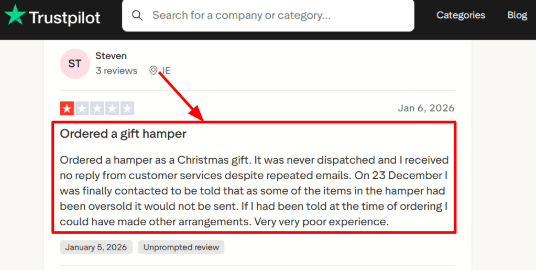
-
Emergency Routing
For HVAC, this really matters because not every call has the same urgency. A no heat call in winter when temperatures are below freezing needs a different response than an AC tune up request in spring. A possible safety issue like a gas smell or carbon monoxide alarm should be routed completely differently from a routine filter replacement. The second Trustpilot screenshot also looks tied to Avoca retail customer service, so I would keep that screenshot out of this AI receptionist section entirely since it may confuse readers who are comparing HVAC software: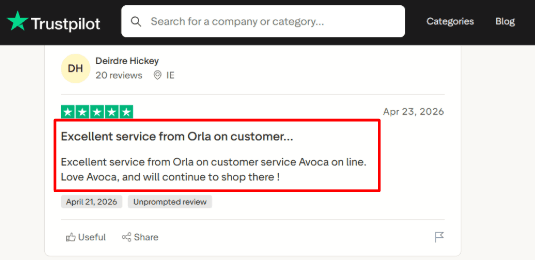
-
ServiceTitan Integration
Avoca has a strong ServiceTitan angle, with jobs, customer details, service type, and notes moving directly into the dispatch workflow. For an HVAC company already using ServiceTitan, this means a caller's info goes straight into your existing system without someone manually typing notes after the call. ServiceTitan also lists Avoca on its marketplace, which is a useful trust signal for HVAC teams already using that stack. -
Speed To Lead
Avoca can respond to leads from forms, missed calls, Google Local Services Ads, Facebook, Yelp, Angi, and other channels. This is especially useful for HVAC companies spending real money on paid leads because a slow response can waste the entire lead cost. If you are paying $50 for a Google LSA lead and your office takes two hours to call back, that lead might have already booked with someone else. -
CSR Coaching
Avoca Coach can review calls, score CSR performance, flag missed booking opportunities, and show exactly where calls are being lost. I really like this part because it goes beyond just answering calls and helps managers actually improve how the whole phone team performs. For an HVAC company with multiple CSRs, seeing that one rep misses booking opportunities on 30 percent of calls is actionable data, not just a feeling.
Pros
Avoca is a strong fit for HVAC teams with high call volume because it can support inbound calls, lead response, scheduling, follow ups, and CSR coaching all from one system. The ServiceTitan integration makes it especially useful for HVAC companies that already run dispatch and customer records there, so you are not adding a separate tool that lives outside your workflow.
It also has good coverage across phone, SMS, email, web chat, outbound campaigns, and Google LSA lead response, plus the coaching layer gives managers useful visibility into call quality, booking gaps, and CSR performance that most AI receptionists do not offer. Avoca also has strong company momentum including a reported $125M+ raised and a $1B valuation from its PR Newswire announcement, which at least tells me they are not going to disappear next month.
Cons
-
Avoca may be too heavy if you only need a basic AI receptionist for HVAC. Smaller teams that just want simple call answering, message taking, and basic booking may find simpler tools like SkipCalls or Dialzara much easier to start with.
-
Pricing is not public at all, so you have to book a demo before you can compare costs cleanly against other options.
-
Setup may also take more effort because Avoca is designed around workflows, CRM data, call flows, routing logic, and dispatch rules, not a plug and play phone number.
-
Customers also still need to handle AI disclosure, recording consent, TCPA, DNC, and campaign compliance under their own product terms, so that is on you not them.
-
The public review footprint is also thinner than I would expect for comparison content, so case studies and official sources carry more of the research weight.
Pricing
-
Avoca does not publish standard pricing on its website.
-
The buying path appears to be demo-led and quote-based.
-
Based on the product depth, it seems positioned for established HVAC companies with meaningful call volume, CSRs, and field service workflows.
-
For articles, I would describe it as custom pricing and avoid quoting a fixed monthly number unless Avoca confirms it directly.
When Not to Choose Avoca
I would skip it if you only need a low cost answering tool that picks up calls, takes messages, and books simple appointments without any of the coaching, analytics, or deep integration layers. For a solo HVAC tech just starting out and tired of missing calls on a roof, something like SkipCalls or Dialzara will get you 80 percent of the value for 20 percent of the cost and complexity. For a busy HVAC company with a dispatcher, multiple trucks, and paid lead campaigns, Avoca is worth a serious look but only after a demo and a clear quote.
When to Choose Avoca
Avoca makes sense if you run an HVAC business with steady inbound calls, paid leads that you cannot afford to waste, actual CSRs answering phones, ServiceTitan workflows already integrated, and a real need to improve your booking rates beyond just answering the phone. It is a stronger fit for multi location or growing HVAC teams than for very small contractors or solo operators.
For businesses that want faster responses, Ring Jenny works as an AI call response service in Australia that can answer when humans cannot.
Many of the same requirements apply to field-service teams using an AI receptionist for contractors.
RealVoice
RealVoice was the first result that appeared when I was looking for something that could handle both phone calls and website visitors, because for an HVAC company, leads come from Google searches, ads, and service pages just as much as they come from people calling your number directly. It is an AI receptionist with a website voice widget, and it makes the most sense when missed calls, after hours requests, and booking follow ups are becoming too hard to manage manually, especially during peak summer AC season or winter heating emergencies.
Features
-
AI Receptionist
RealVoice can answer HVAC calls, collect job details like what is broken, when it stopped working, and whether it is an emergency, and respond to common questions about services, pricing, timing, and availability. I see it as a useful first layer for calls about AC repair when it is 95 degrees out, furnace issues in January, tune ups, and callback requests. One thing I would watch closely is company maturity. I also saw a Reddit review about a recruiting role that raised some questions around the hiring setup, so I am sharing that screenshot below because it gives useful context outside the product page that you should know about before signing a contract: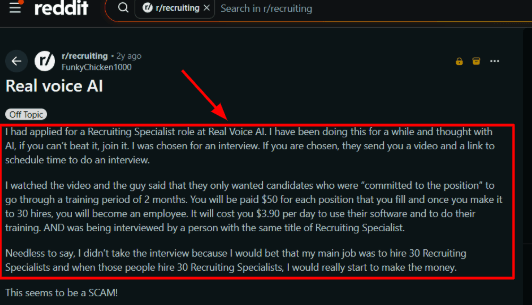
-
Website Voice Widget
RealVoice also works as a voice widget on your website, so visitors can speak their question instead of filling out a long form. For an HVAC company, this can help capture people who land on your AC repair page at 10pm, want to know if you service their zip code, and need a quick answer before they decide to book or call someone else. The Trustpilot review was positive about the agency and learning experience, but I would treat that as useful company context while still checking how the actual HVAC receptionist flow performs in your own live calls. Screenshot below for readers who want to review it themselves: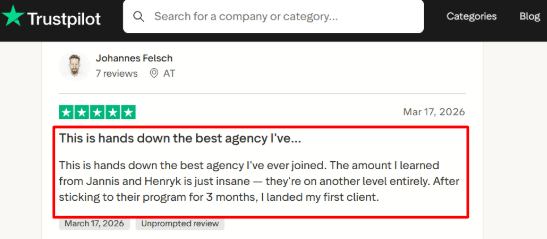
-
Calendar Integration
RealVoice can connect with calendars to book appointments using real time availability. For HVAC teams, this really matters because emergency visits, estimates, maintenance calls, and technician slots can get messy fast if bookings are handled manually or double booked. In my testing mindset, I would check this with real HVAC scenarios like a same day repair for a no cool call, a next week tune up that can wait, service area limits to make sure you are not sending a tech 50 miles away, and reschedule requests when a customer needs to push their appointment. -
Call Transfer
The tool includes call transfer, which is really important when a caller needs a human quickly. For HVAC, this is useful during urgent calls like a no heat situation with a baby in the house or a possible gas leak where the AI can collect basic details like address and callback number, then route the caller to your on call technician without making them repeat everything. This is one area where the setup needs really clear rules because a bad transfer flow can make urgent callers repeat themselves and get even more frustrated, which is the opposite of what you want. -
Custom Actions
RealVoice can support custom actions like checking calendars, updating CRMs, verifying service areas against your zip code list, collecting lead data, and connecting with field service tools. This is the deeper part of the product that many quick reviews would completely miss. The wider market is also moving this way because Gartner said 91 percent of customer service leaders feel pressure to use AI in service workflows, which makes tools like RealVoice more relevant for call heavy local businesses that cannot afford to keep losing leads.
Pros
-
RealVoice covers both website visitors and phone callers in one flow, which helps HVAC companies capture leads from service pages, Google traffic, pay per click ads, and after hours calls without juggling multiple tools.
-
The home services positioning is specific, with use cases like emergency dispatch, job qualification to make sure the caller actually needs your services, service area checks against your zip codes, and quote requests.
-
Public pricing is clear with monthly plans, included minutes, and extra minute pricing listed openly, which is not something I can say about every tool in this category.
-
Call transfer gives HVAC teams a practical way to move urgent or complex calls to a human when the AI reaches its limit, and the voice widget is genuinely useful for HVAC websites where visitors may want quick answers about whether you service their area or how much an AC repair might cost before they pick up the phone.
Cons
-
RealVoice may be a weaker pick for HVAC companies that need a fully proven, field tested answering service with lots of public third party reviews. I found the official product details useful, but the independent review footprint looked pretty thin to me.
-
The Reddit recruiting review I shared also creates some company context questions even though it is about hiring rather than the AI receptionist product itself, so that is something to keep in mind.
-
Some advanced workflows depend on custom actions, so the setup may take more work than a simple plug and play call answering tool where you just add a phone number and walk away.
-
The standard plans also have minute limits, and busy HVAC companies can cross those limits fast during peak summer AC season or winter heating emergencies when call volume spikes.
-
AI voice tools also need careful compliance checks because the FCC has said AI generated voices can fall under TCPA rules for artificial or prerecorded calls, so make sure you handle consent properly.
Pricing
-
RealVoice pricing starts at $99/month for the Starter plan with 100 minutes. Growth is $149/month with 250 minutes, and Premium is $199/month with 500 minutes.
-
Extra minutes are listed at $0.15/minute. Custom pricing is available for higher-volume teams, multi-location businesses, SLA needs, and deeper custom training.
When Not to Choose RealVoice
I would skip it if you need heavy third party review proof from other HVAC companies, mature enterprise documentation, or a deeply validated dispatch workflow before you feel comfortable rolling it out. Test the demo with your real after hours calls from last summer before you commit.
When to Choose RealVoice
RealVoice makes sense if you run an HVAC business that wants an AI receptionist for website leads, missed calls, after hours requests, and appointment booking without building a custom voice agent from scratch. It fits small to mid sized HVAC teams that want clear pricing and basic call automation without a lot of complexity.
For an HVAC company that gets a mix of emergency calls during a heatwave and routine tune up requests, the AI can handle the routine ones while escalating true emergencies to your on call technician. For a company that needs to verify service areas before sending a tech 45 minutes away, you can train the custom actions on your zip code list.
For a wider comparison of inbound-call tools, see this guide to an AI phone answering service.
VoiceCharm
I found VoiceCharm when I was looking for something built specifically for home service businesses like HVAC, not a generic AI bot that someone tried to make work for contractors. It is an AI receptionist for teams that miss calls during jobs, after hours, or during peak seasons when everyone is already running from one call to the next. I would look at it if your main goal is simple call answering, job intake, emergency routing, and booking without hiring another phone operator.
Features
-
Quick Setup
VoiceCharm's setup flow is built around getting a local number, adding your business details like what services you offer and what areas you cover, setting service areas by zip code, and forwarding calls to your existing phone. In my testing notes, the flow felt simple enough for a small HVAC operator to get through without tech help, though the pricing and trial expectations should be checked before you go live. I also saw a Trustpilot review that raised concerns around payment friction and data consent, so I am placing that screenshot right below this section for readers to evaluate for themselves: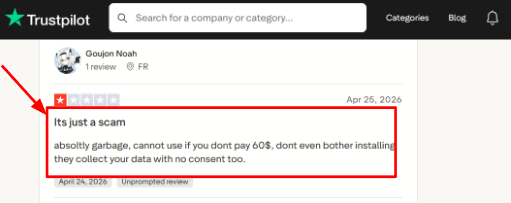
-
Emergency Triage
For HVAC, the useful part is how VoiceCharm can separate routine calls from urgent ones like no heat in the middle of winter, no cooling during a heatwave when the elderly are in the house, a gas smell that could be a leak, or a system breakdown that left a family without heat overnight. This is where VoiceCharm feels more specific than a basic phone bot that treats every call the same. A second Trustpilot review praised customer service and fast issue resolution, and I am showing that screenshot here because support quality really matters when your emergency routing rules need tuning at 7pm on a Saturday: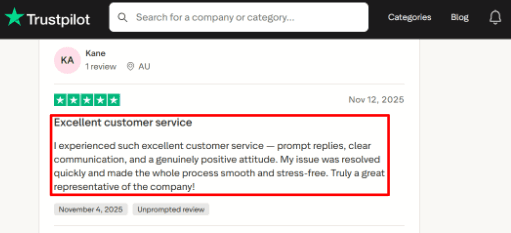
-
Calendar Integration
VoiceCharm can book appointments through calendar tools like Google Calendar, and its setup material also mentions Cal.com for more complex scheduling with buffers and availability rules. I like this because HVAC calls usually need a clear next step like scheduling a diagnostic visit or a tune up. The AI can collect the job context first, like what is broken and when it happened, then place the appointment instead of leaving another callback task for your dispatcher to handle later. -
Call Summaries
The tool provides call recordings, transcripts, SMS summaries, and email notifications. For an HVAC business, this helps the owner or dispatcher review what was actually said on the call, which specific unit issue came up like a compressor failure versus a refrigerant leak, how urgent it sounded from the caller's tone, and whether the caller was actually inside your service area before you waste time calling them back. -
Service Routing
VoiceCharm focuses on trade specific call flows, including service area checks against your zip code list, live transfers to your on call technician, and job type questions to figure out if this is an emergency repair, a routine maintenance call, or a quote for a new system. One useful research detail is that Tracxn lists VoiceCharm as a 2025 San Francisco company with no funding raised, which makes it worth reviewing its maturity carefully through live testing and demos before you depend on it fully for your main phone line.
Pros
-
VoiceCharm is clearly built around home services, so HVAC scenarios like after hours calls when your office is closed, emergency jobs that cannot wait until morning, and service area checks to make sure you are not sending tech 50 miles away all fit naturally into the product.
-
That makes the product easier to understand than a general AI receptionist where you have to force contractor workflows into a generic template.
-
The call flow covers intake, triage to separate emergencies from routine requests, booking, summaries, and urgent transfers all in one setup.
-
The $299 per month public pricing is simple to explain for small HVAC companies comparing tools, and the live demo angle is useful because you can actually test voice quality before committing.
-
The security page also gives concrete details around call data, Google Calendar access, vendors, retention, and encryption, which is more than some competitors offer.
Cons
-
I would skip VoiceCharm if your HVAC company needs a very low cost AI receptionist with broad international coverage from day one because the entry price and US and Canada focus may feel limiting for smaller teams or those serving cross border customers. Independent review coverage appears pretty thin, so most of the feature claims will still need manual testing on your end before you trust them.
-
Pricing details are also slightly confusing because the main page says $299 per month, while another VoiceCharm pricing article mentions a lower Starter plan, so you should confirm exactly what you are getting before you sign up.
-
The privacy policy says call audio and metadata are processed through Vapi, so the tool depends on third party voice infrastructure which is fine but worth knowing. It may also be weaker for CRM heavy HVAC teams that need deep native integrations beyond calendar booking and call summaries.
Pricing
-
VoiceCharm’s main public pricing is $299/month with 500 included minutes.
-
Extra usage is listed at $0.35 per minute.
-
It includes a 14-day free trial, no setup fee, and no long-term contract.
-
I’d verify pricing before publishing because one VoiceCharm blog mentions a $149/month Starter plan, while the pricing page and terms emphasize $299/month.
When Not to Choose VoiceCharm
I would be more careful if you need the absolute cheapest tool on the market, support for many languages beyond English, heavy integrations with your existing field service software, or strong third party review proof from other HVAC companies before you feel comfortable buying. Test the 14 day free trial with your real after hours calls from last winter before you commit.
When to Choose VoiceCharm
VoiceCharm makes sense if you run an HVAC business that misses calls during field work, wants after hours answering so you do not lose leads to voicemail, and needs basic appointment booking with urgent call routing that separates a no heat emergency from a routine filter replacement.
It fits small and mid sized HVAC teams that care more about call capture and dispatch details than complex CRM workflows with deep integrations. For an HVAC company with a dispatcher and a few trucks, the emergency triage feature can send a no heat call to your on-call technician while a tune up request goes to the office for scheduling the next day.
Dialzara
I have looked at Dialzara a few times for HVAC use cases because it is a low cost AI receptionist that answers calls, takes messages, routes callers, and books appointments without a big monthly commitment. For an HVAC company, I would mainly look at it for missed call capture, after hours answering when your office closes at 5pm, and basic booking support without hiring a full time phone team or tying yourself to a long contract.
Features
-
24/7 Answering
Dialzara can answer HVAC calls after hours, on weekends when no one is in the office, and during busy periods when your dispatcher is already on another line. In my testing, this is where the product makes the most sense for simple call capture, collecting caller details like what is broken and when it happened, and sending clean summaries after the call ends. I also saw this strength reflected in the Trustpilot where the user praised the system and its support team. You can find that screenshot right below because it supports the setup and support experience well: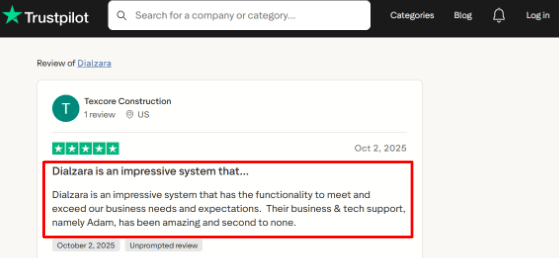
-
Call Routing
Dialzara can route calls based on what the caller actually needs, like an emergency repair for a no heat call in January, a general service request for a tune up, an estimate for a new AC installation, or a billing question. For HVAC, this can help separate urgent calls that need a same day response from normal appointment requests that can wait until tomorrow. The part I would still test carefully is how well it handles edge cases like a gas smell which needs immediate escalation, a water leak near the furnace, or repeat warranty issues where a customer is already frustrated. A second review screenshot would fit naturally here if it talks about call handling quality: -
Calendar Integration
Dialzara can connect with Google Calendar for appointment booking and real time availability checks, which helps if your HVAC team already uses a simple calendar workflow for estimates, tune ups, or service windows. It may need extra checking if your team uses field service software like ServiceTitan or Jobber, technician dispatch boards that track who is closest to the job, or complex service territories with different pricing. I found this part useful for a small shop, but it can feel a little limited if your calendar is only one piece of your overall operations and you need dispatch logic. -
Voicemail Transcription
Dialzara can transcribe voicemail messages and send the details through email or SMS. For HVAC teams, this is useful because missed calls often contain urgent context like what type of unit is broken, whether it is a furnace or AC, the location of the job, the caller's availability, and the specific problem the customer is facing like "no heat" or "strange noise". I would still review the first few dozen transcripts manually because accents, background noise from a job site, and technical terms like "capacitor" or "condensate pump" can affect accuracy, especially when callers describe equipment problems in a rush. -
Spam Screening
Dialzara includes spam detection, call screening, and blocklist controls. For HVAC companies getting a lot of vendor calls, robocalls, or irrelevant sales calls from people trying to sell you SEO or office supplies, this can save real time for your front desk or owner. A broader Gartner survey also shows why tools like this are getting attention because service teams are under pressure to use AI, but the real value comes from testing it against your daily call scenarios, not just the demo.
Pros
-
Dialzara has an affordable entry price which makes it much easier for a small HVAC business to test AI answering without a big upfront risk. It works well if your main problem is missed calls, after hours messages from customers whose heat went out at 9pm, and simple appointment capture without a lot of complexity.
-
I found the setup flow simple enough for a small business owner to understand without a technical team, and it can answer calls when your office is closed then send summaries so your dispatcher can follow up first thing in the morning.
-
The call summaries are genuinely helpful for checking what the customer needed before calling them back.
Cons
-
Do not choose Dialzara over a more HVAC focused AI receptionist if you need deep dispatch logic that knows which technician is closest to the job, technician assignment based on skill sets like who is certified for commercial work, service area rules that check zip codes before promising a visit, job priority scoring that knows a no heat call beats a tune up request, or field service software workflows connected to ServiceTitan or Housecall Pro.
-
Dialzara looks stronger for answering and routing than for full HVAC operations management.
-
Public review volume is still pretty small, so I would test it with real HVAC calls from your busy season before trusting it fully.
-
Warm transfer is not included on the cheapest plan, which matters if urgent calls like a gas smell need a smooth handoff to a live person instead of just forwarding to voicemail. The included minutes are limited, and extra minutes are charged separately, so high call volume HVAC shops should estimate their usage carefully during peak summer AC season.
-
For sensitive customer data, payments, or regulated workflows, ask Dialzara for written security and compliance details because their privacy policy mentions data handling but buyers should still verify what applies to their specific use case.
Pricing
-
Dialzara starts at $29/month for Business Lite with 60 included minutes.
-
Business Pro is $99/month with 220 minutes. Business Plus is $199/month with 500 minutes.
-
Overage is listed at $0.48/min.
-
The pricing page mentions a 7-day free trial, no setup fee, and no long-term contract.
When Not to Choose Dialzara
I would skip it if you need deep HVAC dispatching that knows which truck is closest, technician scheduling with skill matching, complex emergency triage that can tell the difference between a gas leak and a thermostat battery issue, or native field service software workflows from day one. For a solo HVAC tech or a small two truck shop just starting out and tired of missing calls on a roof, the free trial is worth testing. For a larger operation with a dispatcher and multiple crews, you will probably need something more robust.
When to Choose Dialzara
Dialzara makes sense if your HVAC business mainly needs affordable 24/7 answering, missed call capture when your office is closed, voicemail transcription so you do not have to listen to every message, basic routing to separate emergencies from routine requests, and calendar based booking for estimates and tune ups. It is a practical fit for small teams that lose leads after hours and cannot afford a full time dispatcher.
FirstDial
I found FirstDial when I was looking for a simple AI receptionist that could answer missed calls, capture job details, and schedule appointments without me having to build a whole phone setup from scratch. It is known for AI call answering for contractors and home service businesses, including HVAC teams that are tired of losing leads while they are out on jobs during peak summer AC season or winter heating emergencies.
Features
-
24/7 Answering
FirstDial can answer HVAC calls after hours, during weekends when your office is closed, and when your team is already out on a job and cannot pick up. I would use this mainly for missed calls that would otherwise go to voicemail, quote requests from homeowners whose AC just died on a 95 degree day, emergency service questions about no heat in January, and basic customer intake. -
Lead Capture
The tool collects caller details, service needs, and basic context so your business has something useful to follow up on instead of just a missed call notification. For HVAC, this could mean collecting what system is having the issue like furnace or AC, the address where the problem is, how urgent it is like no heat vs routine maintenance, and the customer's preferred appointment window. -
Calendar Integration
FirstDial includes calendar integration and real time scheduling, which is useful if your HVAC team wants calls to move directly into booked appointments instead of playing phone tag to find a time that works for both sides. When I tested the flow conceptually, the biggest value was reducing back and forth after a customer has already called with clear intent to book. I would still check how it handles technician availability when your best tech is already booked solid for three days, travel gaps between jobs when a call is across town, emergency slots that need to be blocked off for urgent no heat calls, and reschedules when a customer calls back to change their appointment. -
Call Records
FirstDial includes call recordings and transcripts, which makes it easier to review what a caller actually said and avoid losing important job details. For HVAC teams, this is useful because one small missing detail like what brand and model of unit it is, where it is located in the basement or attic, or access instructions like a locked gate can waste an entire technician visit. One thing worth checking is consent language because AI voice and call handling are getting more scrutiny after the FCC clarified rules around AI-generated voices in robocalls. -
Custom Scripts
The AI can be trained around your business details and scripts, so it can answer common HVAC questions in a more controlled way that sounds like your brand. That can include your hours, service areas like which zip codes you cover, emergency call handling for no heat situations versus no cool calls, maintenance plans you offer, and basic pricing guidance for things like diagnostic fees if your business allows it. This was the part where I would spend the most setup time because a generic script can sound fine in a demo but then miss small HVAC specific details when real callers ask messy questions that do not fit the script perfectly.
Pros
-
FirstDial is easy to understand for HVAC companies because it is built around missed calls, call answering, and scheduling, so the use case is clear from the first page which helps smaller teams evaluate it quickly.
-
The public pricing makes it easier to compare against other AI receptionist tools, and the Starter plan already includes core features like 24/7 answering, scheduling, transcripts, recordings, scripts, and calendar integration all in one package.
-
Call recordings and transcripts are genuinely helpful for reviewing job requests, customer complaints, and missed details that would otherwise require listening to the whole call again, and the human transfer support is useful when a caller needs urgent help like a gas smell or the AI just hits its limit.
Cons
-
Do not choose FirstDial if your HVAC company needs deep dispatching that knows which technician is closest to the job, technician routing with skill matching like who is certified for commercial rooftop units, job costing to make sure you are pricing jobs correctly, or field service software workflows inside the receptionist tool connected to something like ServiceTitan. In that case, a more HVAC specific AI receptionist or a tool connected deeply to your existing operations may be safer.
-
Public third party review coverage looks pretty limited, so buyers have less outside proof to rely on before testing themselves.
-
The monthly plan has a setup fee, which can make the first month feel expensive for small HVAC businesses watching every dollar, and the site does not clearly publish overage pricing so if you have heavy call volume you need to ask sales before signing up.
-
Since recordings and transcripts are part of the product, call consent and disclosure should be reviewed carefully under FCC AI voice guidance.
Pricing
-
FirstDial starts at $129/month for the Starter plan with 200 call minutes.
-
Professional is $249/month with 500 call minutes and adds summaries, extended history, and workflows.
-
Business is $479/month with 1200 call minutes, custom AI voice, and priority support.
-
Monthly plans list a $129 setup fee. Quarterly and annual plans waive it.
When Not to Choose FirstDial
I would skip it if you need deep HVAC software workflows connected to your existing tools, heavy CRM automation that pushes data both ways, exact technician routing that knows who is closest to the job site, or strong third party review proof from other HVAC companies before you feel comfortable buying. Test the free trial with your real after hours calls from last summer before you commit.
When to Choose FirstDial
FirstDial makes sense if you run a small or mid sized HVAC business and mainly need AI call answering, lead capture, appointment scheduling, recordings, and transcripts without a lot of complexity. It works well when missed calls are your bigger problem rather than complex dispatch operations with multiple trucks and technicians trying to balance workload. For an HVAC company with a dispatcher and a few trucks, the AI can handle after hours calls and create lead profiles that your dispatcher can act on first thing in the morning before the day gets busy.
OpenMic
When I was looking for an AI voice agent platform that could handle both inbound and outbound calls, not just answering the phone, I found OpenMic to be a great choice. It is known for inbound calls, outbound calls, call transfers, and workflow automation, so for HVAC businesses it makes the most sense when calls need to be answered, qualified, routed, and pushed into other tools with less manual work in between.
Features
-
Call Logs
OpenMic gives you call records, summaries, metadata, and post call data that can be used to check what actually happened after each HVAC inquiry like whether the caller booked a job, asked for a quote, or just had a pricing question. In my test setup, this felt useful for tracking missed calls, booked jobs, and caller intent to see which marketing channels were actually working. I would still review this area carefully before relying on it fully because I saw a G2 review that raised concerns about suspicious call logs and cancellation access, so I am placing that screenshot right below this section for readers to judge for themselves: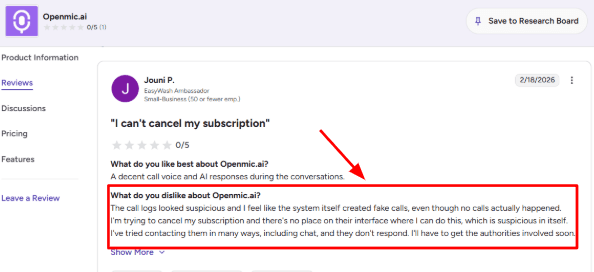
-
Voice Quality
The voice experience is one of the main reasons someone may test OpenMic for HVAC call answering because it can handle normal back and forth conversations, answer basic questions about your services and hours, and collect caller details without sounding too robotic in simple flows. The second G2 review also mentions decent call voice and AI responses, which matches the basic test experience, though I would still test it with messy real calls, noisy backgrounds like a caller in their car, and urgent repair requests where the customer is already frustrated. -
Calendar Integration
OpenMic can connect with scheduling tools like Cal.com to check availability and create bookings during a call. For HVAC, this is useful when a caller wants a repair visit for their broken AC, a maintenance slot for a furnace tune up, or an estimate for a new system without waiting for a callback. The setup needs careful testing though because calendar rules like how much buffer time between jobs, service area limits, technician availability when your best tech is already booked, and emergency call handling can get complicated quickly. -
Call Transfers
OpenMic supports call transfers including warm and cold transfer flows. For HVAC teams, this really matters because some calls should go straight to a dispatcher who can send a tech, a sales rep for new system quotes, or an emergency line for no heat calls after hours. I like this feature for high intent calls, but the routing logic needs to stay simple because too many branches can make the call feel slow and the customer might just hang up. -
Workflow Automation
OpenMic supports webhooks, SMS, emails, CRM actions, and integrations through tools like Activepieces. This is useful when a call should trigger a text confirmation to the customer, a job note created in your system, a CRM update so the lead does not get lost, or an internal alert to your dispatcher that an urgent call came in. A broader point worth noting is that Reuters recently covered new real time audio models for voice agents, which matters because tools like OpenMic depend heavily on faster voice models, cleaner transcription, and better tool calling to actually work well in real world conditions.
Pros
-
OpenMic has strong workflow depth for HVAC teams that want more than just basic call answering, because it can support call routing, booking, SMS, CRM updates, outbound campaigns, and post call automation all in one platform.
-
The platform is useful for appointment heavy HVAC businesses that need callers booked into available time slots without playing phone tag. Its API and webhook support make it a good fit for teams with custom dispatch or CRM workflows, and the Agency plan can work for agencies selling AI receptionist setups to local HVAC companies.
-
OpenMic also publishes pricing clearly, which makes the first shortlist much easier than demo only tools where you have to talk to sales just to get a number.
Cons
-
OpenMic may be too technical for a small HVAC shop that only wants a simple after hours answering service where you just add a phone number and walk away.
-
A basic AI receptionist for HVAC may be easier if you do not need APIs, workflows, outbound campaigns, or custom routing with multiple branches.
-
Public review volume is pretty thin, and the visible G2 review includes a serious concern about call logs and cancellation that you should read before signing up.
-
The Starter plan only includes 100 minutes, so active HVAC teams may outgrow it quickly during peak summer AC season when call volume spikes.
-
The jump from Starter to Business is also pretty large for a small local service business budget. Compliance and outbound calling rules still need careful review before using it for sales campaigns or automated follow ups because FCC rules around AI voice calls are getting stricter
Pricing
-
OpenMic pricing starts at $29/month for Starter with 100 minutes and 1 concurrent call.
-
Business is $199/month with 1,000 minutes, 10 concurrent calls, workflow builder, outbound scheduling, and knowledge base support.
-
Pro is $450/month with 2,500 minutes and team access.
-
Agency is $1,500/month with white label, subaccounts, and 7,000 minutes.
-
Enterprise is custom and adds higher volume, SLA, SIP, and compliance support.
When Not to Choose OpenMic
I would skip it if you only need a very simple after hours answering tool with minimal setup and no custom workflows, because the extra features will just add complexity you do not need. Test the free trial with your real after hours calls from last summer before you commit.
When to Choose OpenMic
OpenMic makes sense if your HVAC business needs AI call answering with booking, routing, SMS, CRM actions, and deeper workflow control beyond just picking up the phone and taking a message. It is a stronger fit for growing HVAC teams with multiple trucks, multi location operators who need consistent call handling across offices, or agencies building AI receptionist systems for their contractor clients. For an HVAC company with a dispatcher and a few trucks, the workflow automation can send a text confirmation to the customer and create a job note in your CRM without anyone typing.
Conclusion
The best AI receptionist for HVAC depends on how your calls usually come in.
If you run a larger HVAC company with CSRs, paid leads, ServiceTitan workflows, and high call volume, Avoca is the strongest fit. If you want a home-service focused setup for emergency routing and appointment booking, VoiceCharm is worth testing. If website visitors and phone leads both matter, RealVoice AI gives you a useful mix of voice widget, call answering, and booking support.
For smaller HVAC teams, Dialzara is a practical low-cost starting point for missed-call capture, after-hours calls, and basic scheduling. FirstDial is a better fit when you want contractor-focused answering with call recordings, transcripts, and appointment booking. OpenMic makes sense if you want deeper workflow automation, APIs, SMS, CRM actions, and custom voice flows. If HVAC is only one part of your research, start with the broader AI receptionist guide first, then use this HVAC-specific comparison to check which tools can handle no-heat calls, no-cooling emergencies, dispatch routing, and booked service visits.
My advice is simple. Do not choose only by price or demo voice. Test each tool with real HVAC calls: no cooling, no heat after hours, gas smell concerns, maintenance bookings, warranty questions, spam calls, and emergency handoffs. The right AI receptionist should capture the issue clearly, understand urgency, confirm the service area, route important calls fast, and help your team turn more calls into booked jobs.
Methodology
We shortlisted AI receptionist tools by looking at how HVAC teams handle real calls: emergency repairs, service bookings, estimates, after-hours calls, and repeat customer questions. Then we tested setup flow, call handling, routing, integrations, pricing, and public reviews, so the final list reflects what actually helps busy HVAC service teams.
FAQs
How do I choose the right AI receptionist for an HVAC business?
Choose an AI receptionist for HVAC based on the calls that cost you money when missed: no-heat emergencies, AC repair requests, estimate calls, reschedules, and after-hours bookings. Check call quality, transcripts, recordings, emergency routing, appointment booking, service-area checks, and human handoff.
What is the best AI receptionist for HVAC companies?
The best AI receptionist for HVAC companies depends on your setup. Avoca is strong for larger HVAC teams with field-service workflows, VoiceCharm fits home-service call handling, and RealVoice AI works well for website leads, phone calls, and appointment booking.
What mistakes do HVAC companies make when buying an AI receptionist?
The biggest mistake is choosing by price or demo voice alone. Test real HVAC calls: no cooling during a heatwave, no heat after hours, gas smell concerns, warranty questions, angry homeowners, reschedules, duplicate leads, spam calls, and urgent handoff.
How do I test an AI receptionist before switching phone systems?
Run test calls with real HVAC scenarios. Try emergency repair, maintenance booking, new system estimate, cancellation, price question, spam call, and after-hours callback. Then review the transcript, recording, caller details, booking accuracy, escalation path, and handoff quality.
Can an AI receptionist handle HVAC after-hours calls?
Yes, if escalation rules are set clearly. The AI should identify urgent calls, collect address and issue details, confirm callback expectations, notify the right person, and avoid treating emergency jobs like routine maintenance bookings.
Can an AI receptionist dispatch HVAC technicians?
Some AI receptionists can collect job details, route urgent calls, and notify the right person. Full technician dispatch depends on service-area rules, technician availability, travel time, calendar logic, skill matching, and field-service software integrations.
Summarize this content with AI


