Appointment Software For Dentists and Dental Clinics
Chair-based scheduling for cleanings and procedures with intake, reminders, cancellations, provider/room booking, & recall follow-ups.
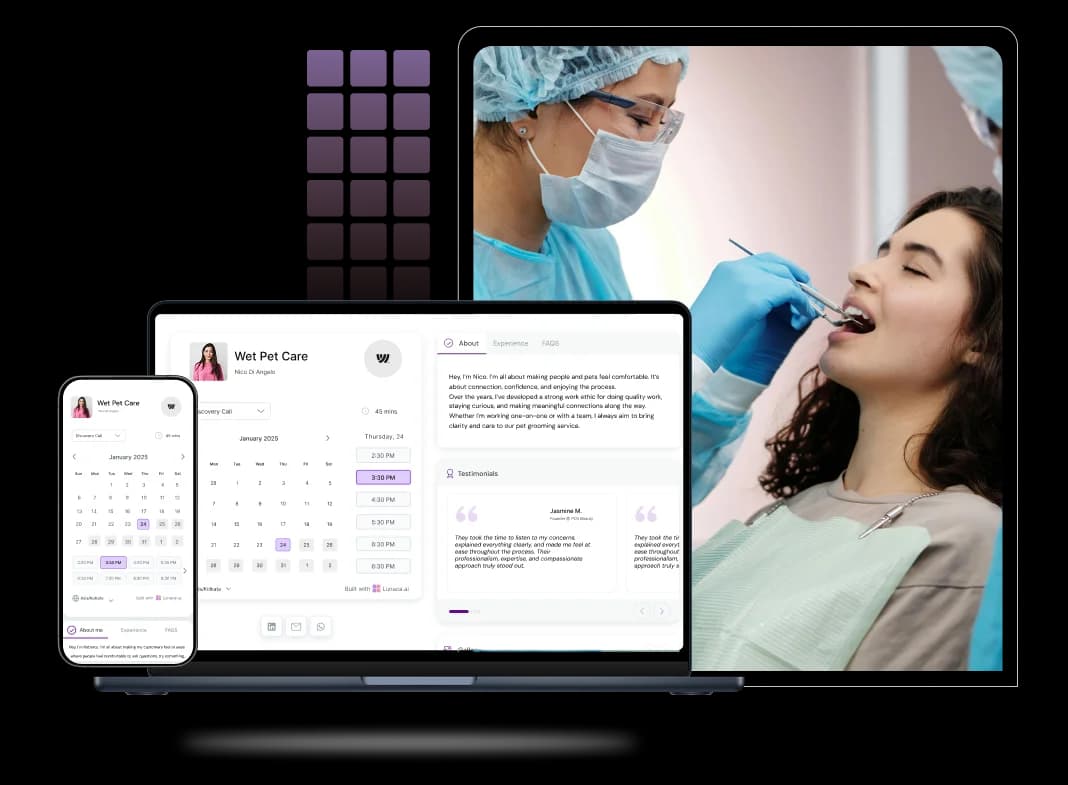
Scheduling features for cleanings, treatments, and recalls
Book appointments without phone calls or back-and-forth
When someone has tooth pain, they don’t want to “leave a message”. They pick a slot immediately from your live availability, get an instant confirmation, and know what happens next. This is especially useful for urgent visits, broken fillings, and last-minute cancellations you want to refill fast.
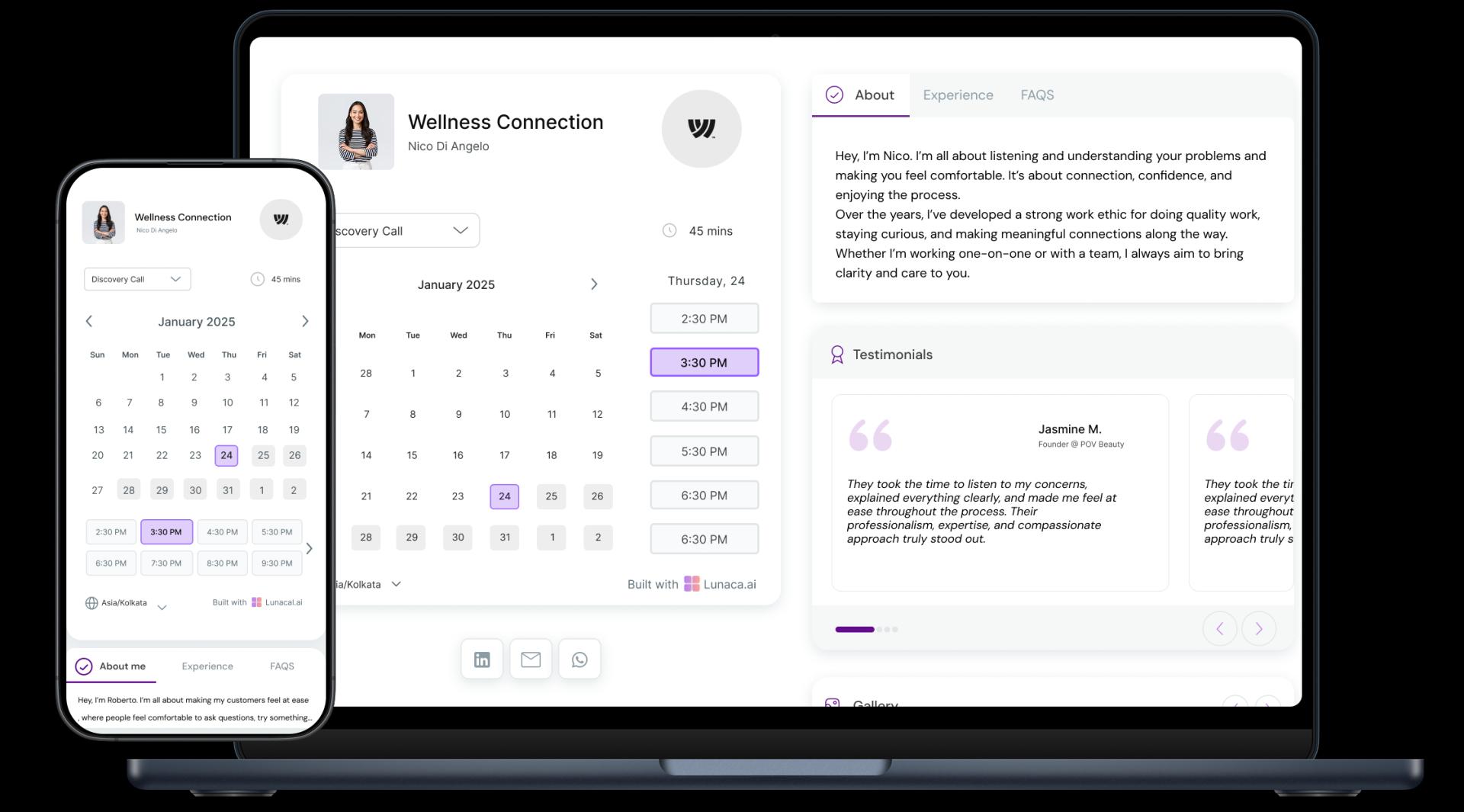
Capture history, symptoms, and consent before the visit
The form should collect what actually affects treatment: current complaint, medical conditions, medications (especially blood thinners), allergies, pregnancy status, anxiety level, and last dental visit. Patients can also upload previous X-rays or referrals. You walk into the appointment prepared instead of doing admin at the chair.

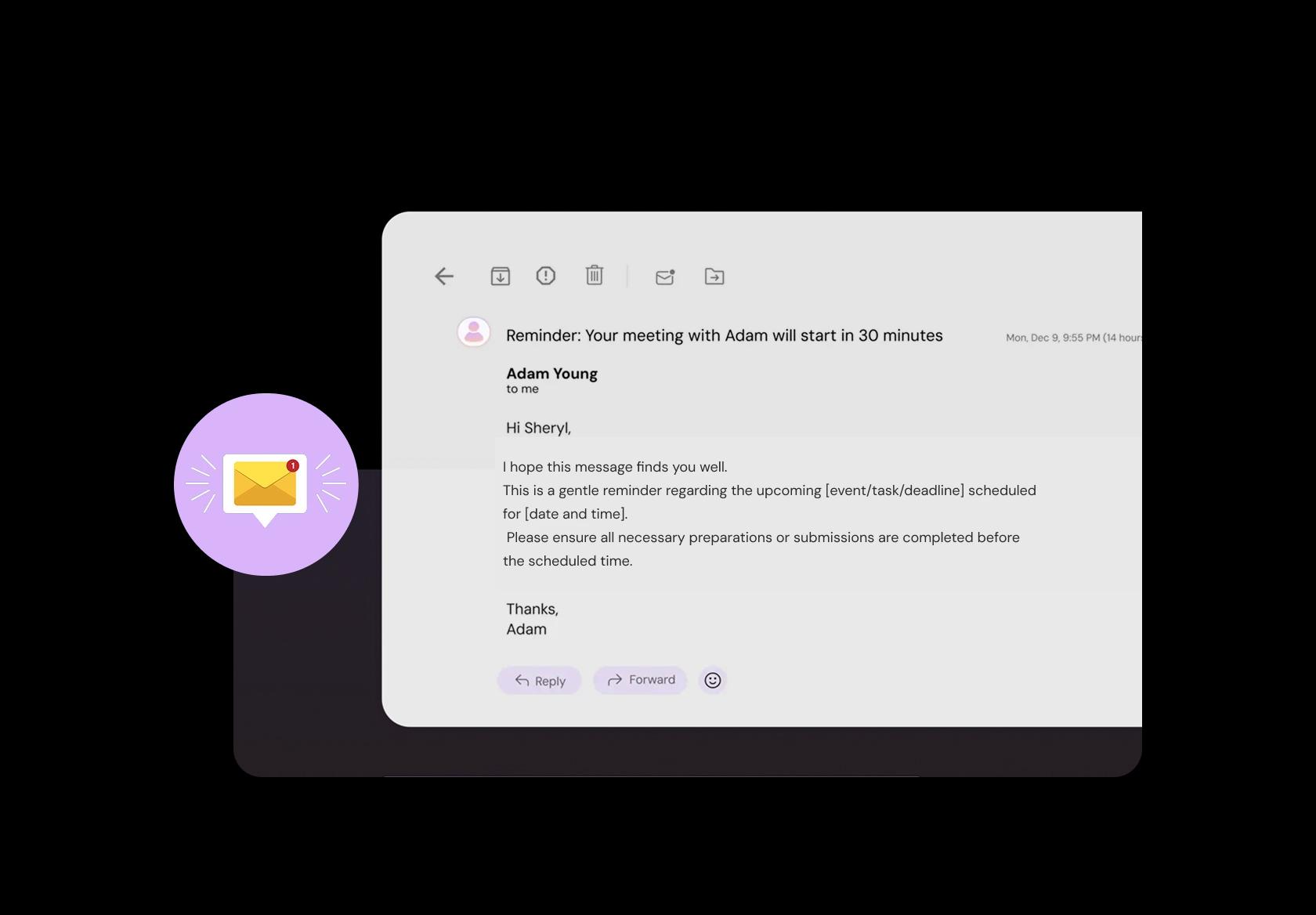
Reduce missed appointments with clear, practical reminders
Reminders are not just “don’t forget”. They should include the clinic address, parking, arrival time, and what to bring (insurance ID, referral, prior reports). For procedures, include simple prep instructions like “eat before your filling” or “plan time for numbing to wear off”. Fewer no-shows, fewer rushed starts.
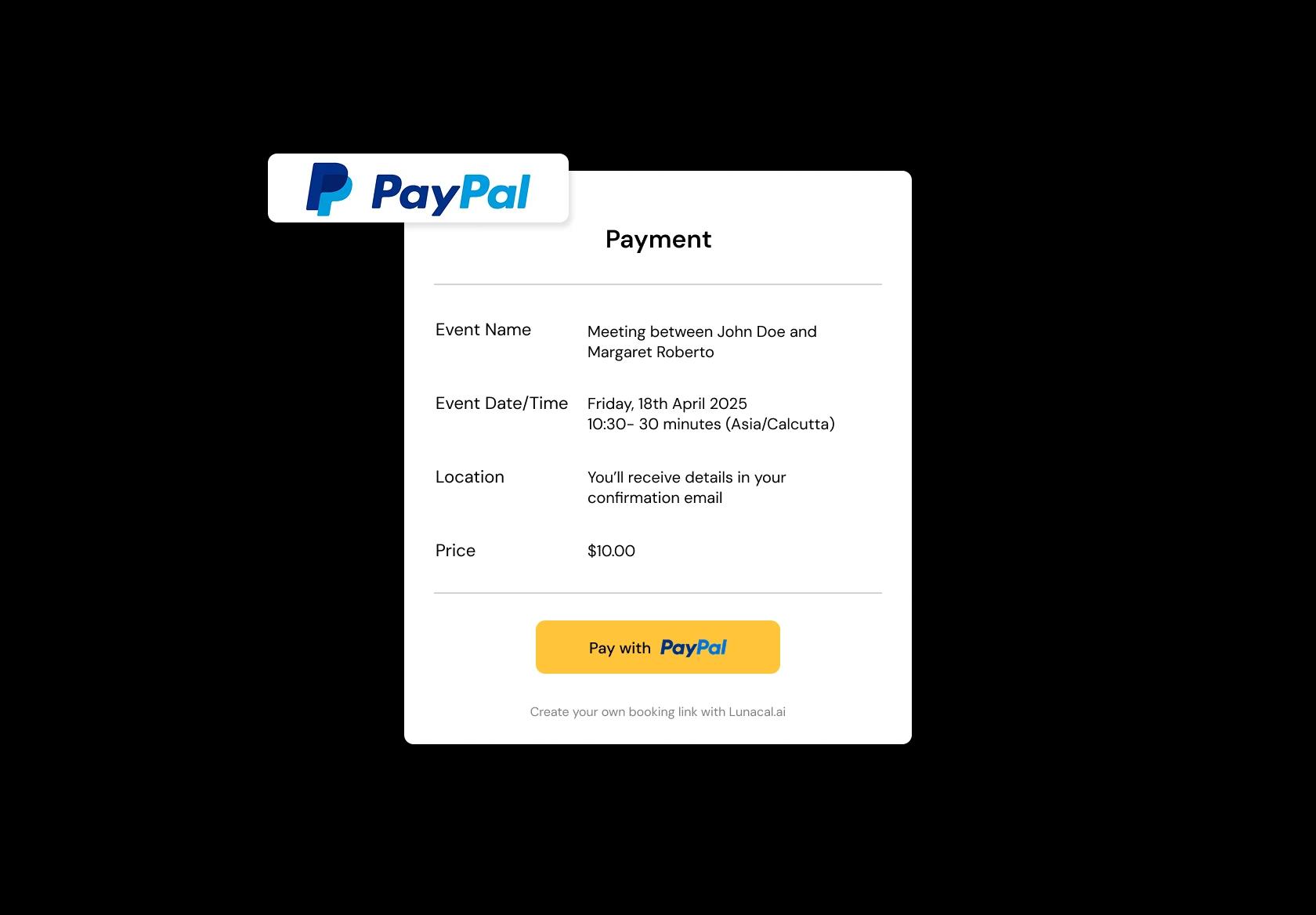
Take deposits for high-intent treatments and long slots
For whitening, aligners, implants, smile design, or long consultation blocks, a deposit filters out “maybe later” bookings. It also reduces same-day cancellations and makes it easier to hold premium slots. If you don’t want full payment, even a small booking fee can improve commitment without feeling harsh.
Keep dentists, hygienists, chairs, and locations in sync
Real clinics schedule more than people. You schedule dentists, hygienists, chairs/rooms, and sometimes equipment time. A centralized calendar prevents double-booking a chair, stacking two long procedures back-to-back, or assigning a hygienist who is actually at another branch that day.
Use realistic durations for cleanings, fillings, and surgery
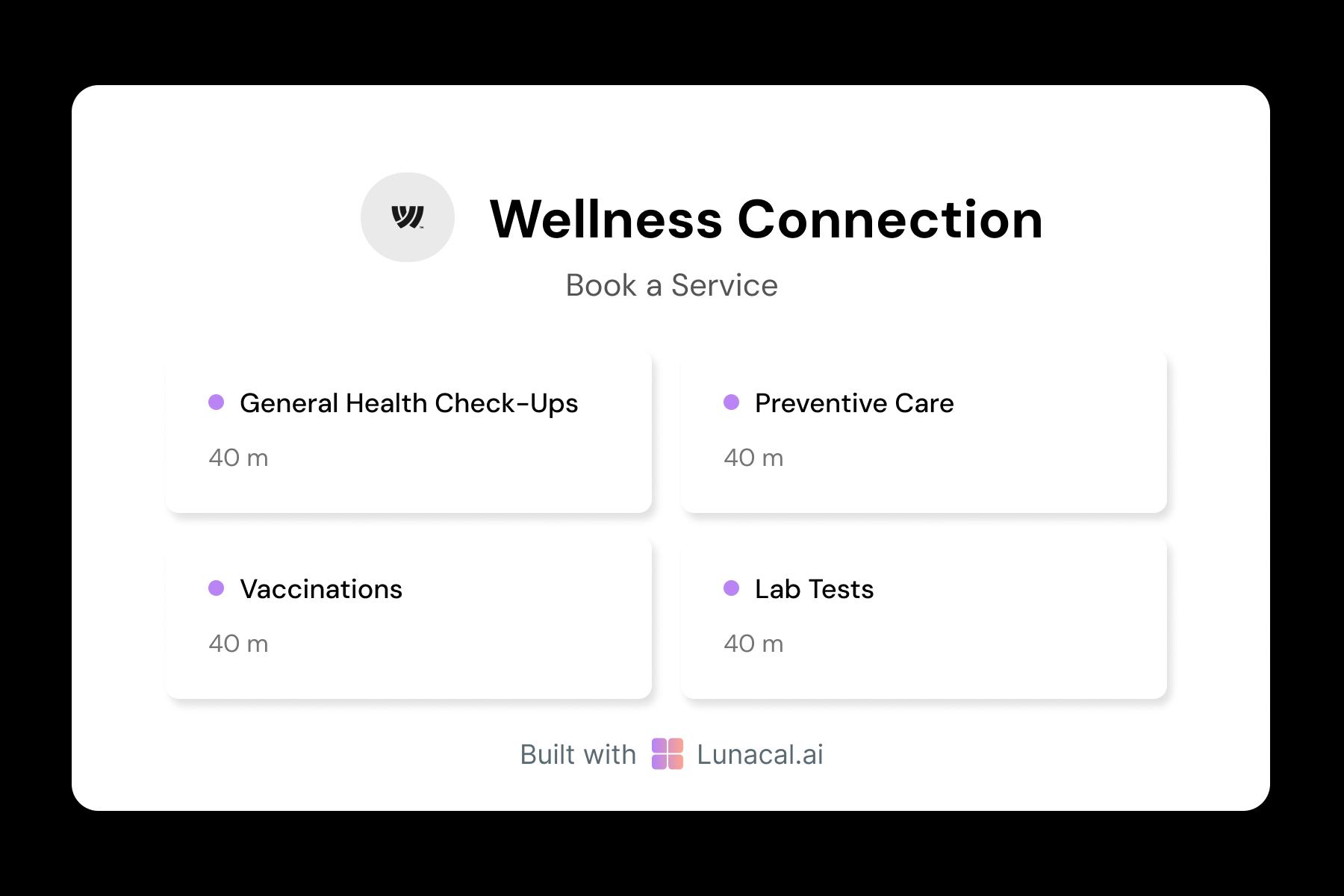
A cleaning is not the same as a root canal consult. Set durations per service, plus buffers for sterilization, X-ray time, and overruns. A good setup avoids the classic problem: a “30-minute” booking that becomes 60 and ruins the rest of the day. This is where dental clinic scheduling software earns its keep.
Distribute new patients across dentists without favoritism
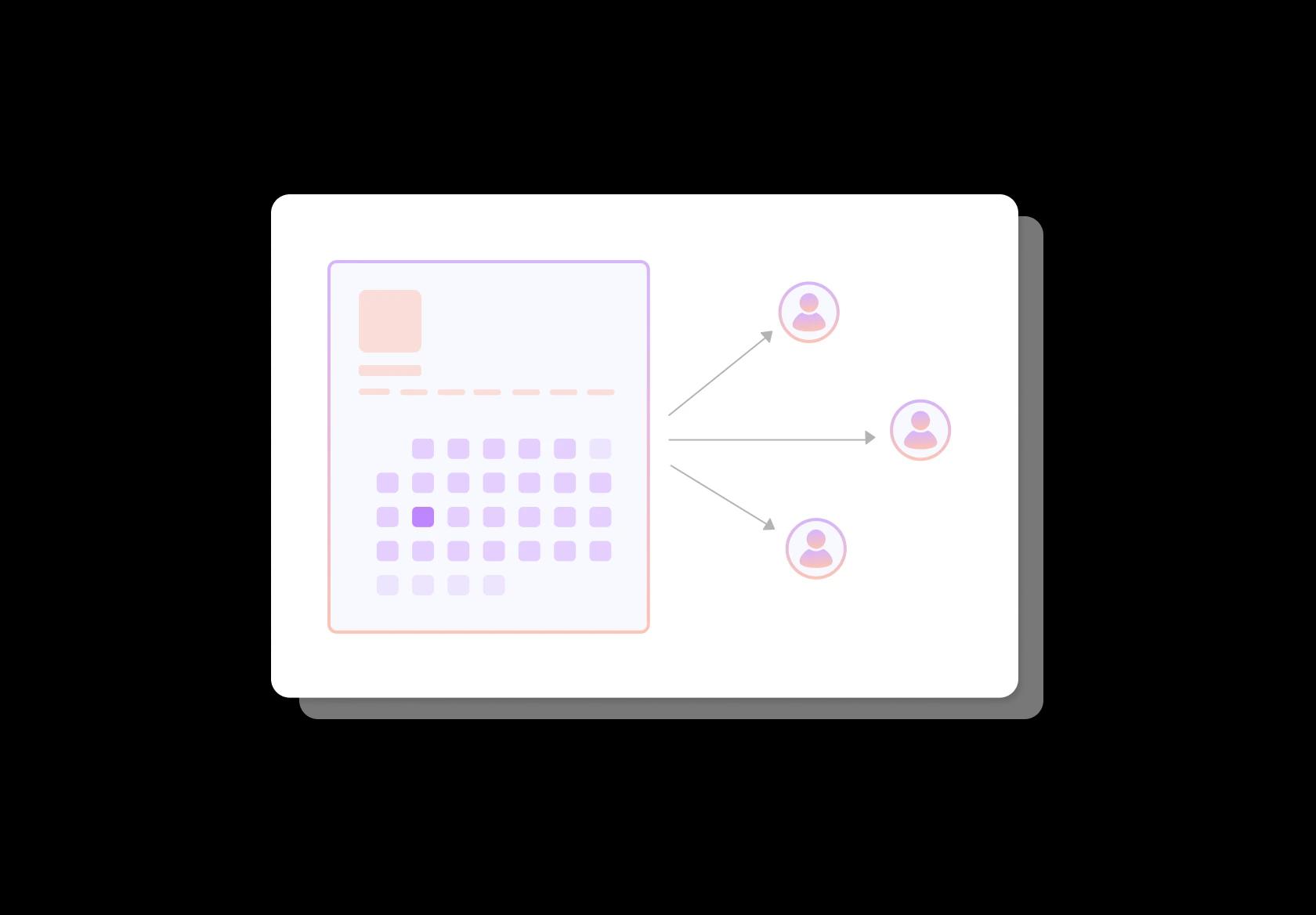
In multi-dentist practices, round-robin helps prevent one doctor becoming the default while others sit idle. It also keeps wait times lower during peak hours. For better care, you can still route based on service type, like pediatrics, endo, implants, or general dentistry.
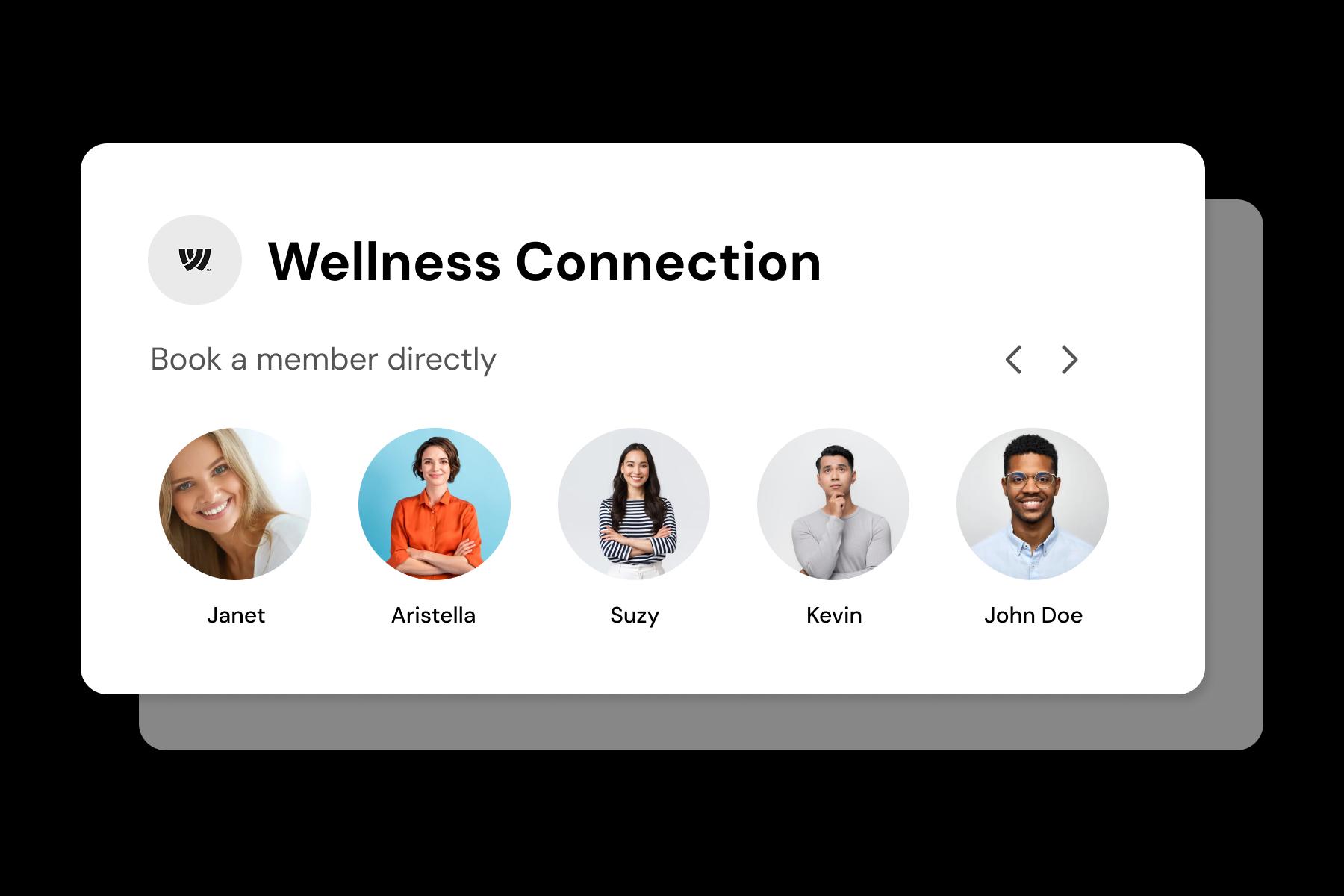
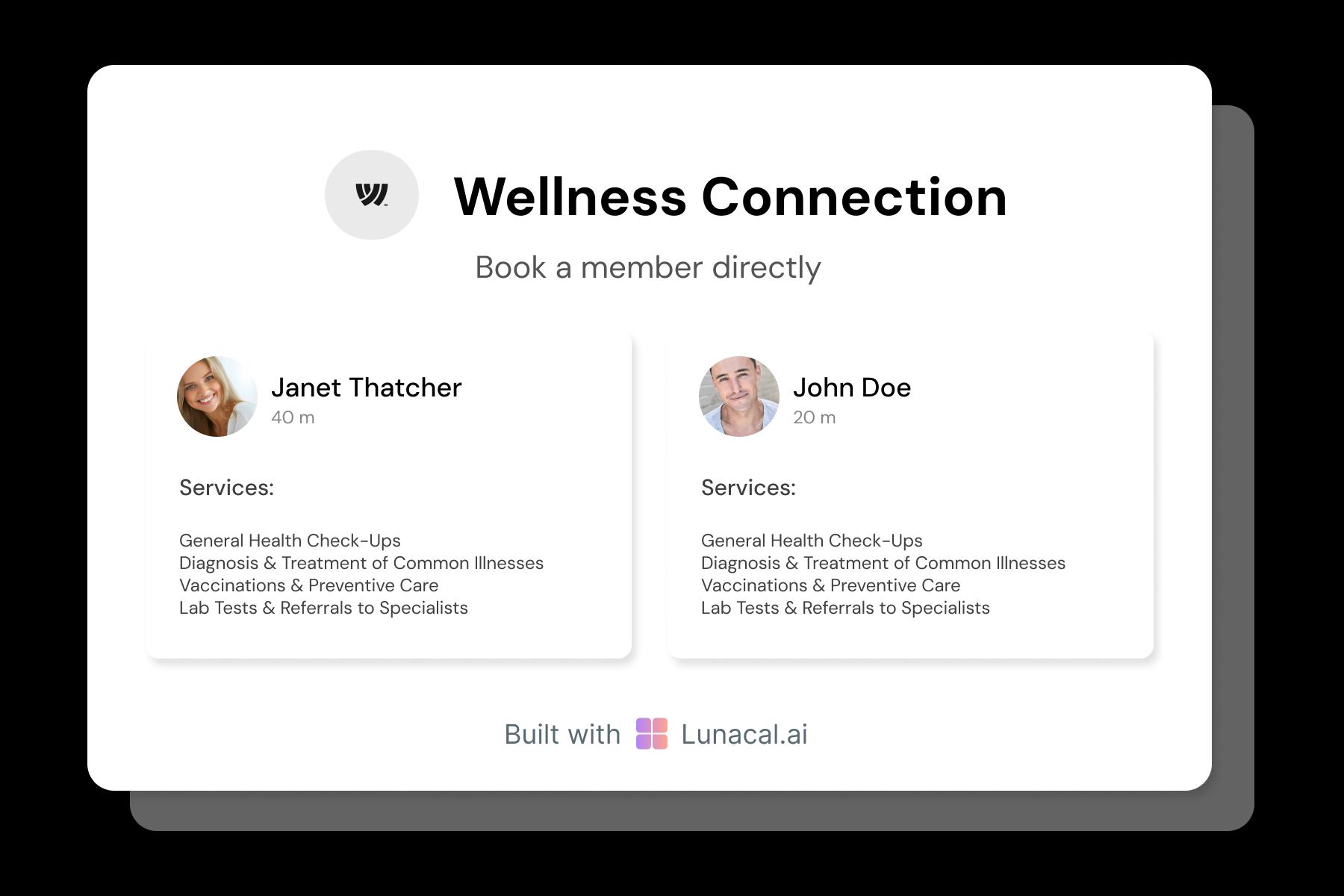
Help patients choose by specialty, language, and comfort
Update hours fast when staff changes or emergencies happen
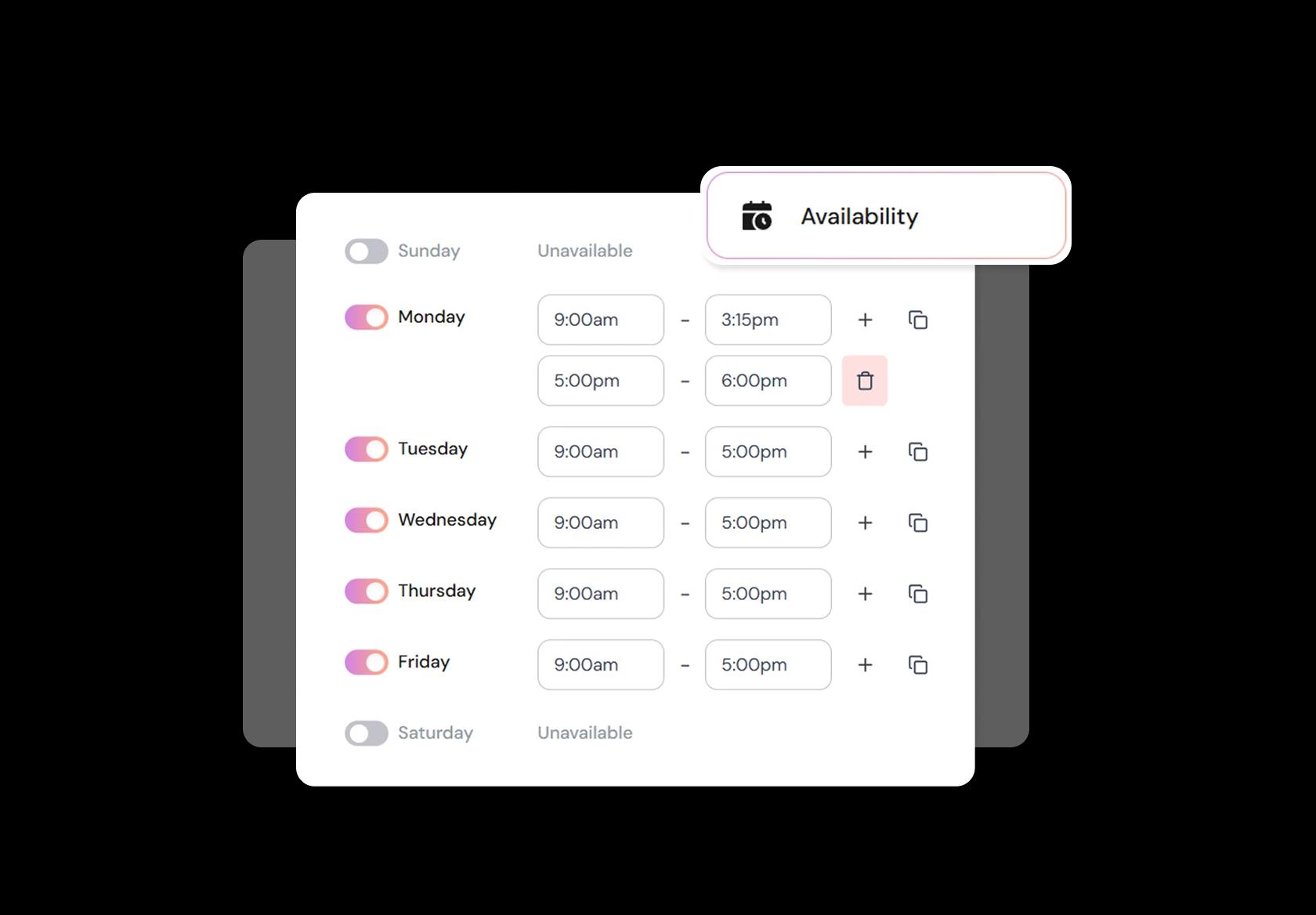
Clinics change schedules constantly: emergencies, sick leave, emergency walk-ins, extended evenings, or dentist rotation days. Your availability should update instantly so patients don’t book into a slot you can’t actually serve. It saves your front desk from apologizing and reshuffling all day.
Put booking where patients search and decide
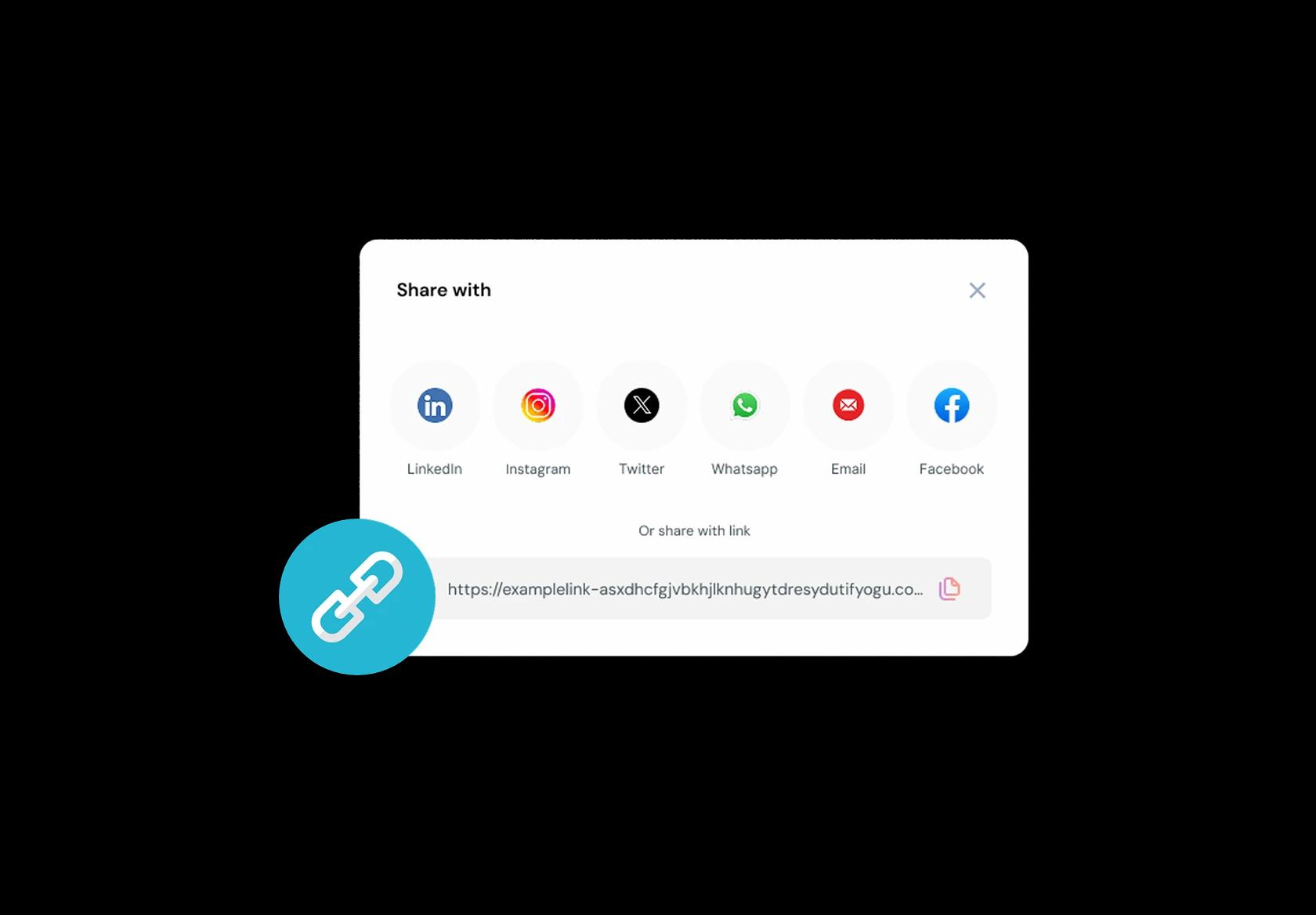
Patients don’t only book from your website. They book after seeing your Google Business Profile, Instagram, WhatsApp message, or a referral link. Your booking link should open fast on mobile and show the right services and staff options. That’s how dental clinic appointment booking becomes a one-tap action instead of a phone tag loop.
No commission, No license fees.
Just simple, fair pricing
(save upto 20%)
Standard
- Unlimited Calendars & Services
- Connect Online Meeting Tool
- Payments via Stripe, PayPal
- Text / Email Reminders
- Customize your booking page
Teams
- All Standard Features
- Teams Scheduling
- Multi-session Packages
- Round-robin Scheduling
- Webhooks
Enterprise
- AI Voice Agent
- Account Manager
- Complete Branding
- MCP Server (Beta)
- SSO


Dentist Appointment Booking Playbook
Design your services like a chair schedule, not a menu
Dentist appointment software works best when every service maps to real chair time, assistant time, and sterilization turnaround.
- Create appointment types that match how clinics actually run: consultation, hygiene/cleaning, filling, root canal, extraction, crown prep, crown delivery, aligner check, emergency pain visit.
- Add “first-visit” versions (new patient exam, new patient cleaning) because they take longer and need more paperwork.
- Keep names globally understandable: “Cleaning (Scaling)” instead of only “Prophy”, and “Tooth filling” instead of only “Restoration”.
Lock the rules that prevent a clinic-day from collapsing
Your scheduling rules should protect peak chair hours, reduce no-shows, and keep clinical work from spilling into each other.
- Use buffers by procedure type (not one buffer for everything): a short reset after hygiene, longer after surgical or aerosol-heavy procedures.
- Set realistic booking windows: same-day for emergencies, limited for long procedures, and stricter for high-demand evening/weekend slots.
- Prevent “double-long bookings” by requiring approval for procedures that commonly run over (root canals, multiple fillings, complex extractions).
Collect patient details that change clinical time and safety
The best dental booking systems reduce back-and-forth by collecting the details your front desk would ask anyway.
- Reason for visit in plain language plus an optional note box (pain level, tooth area, sensitivity, swelling).
- New vs returning patient, and whether they have recent X-rays to bring.
- Medical flags that affect treatment planning (anticoagulants, diabetes, pregnancy, allergies, recent surgeries).
- Preferred language and accessibility needs (global audience reality: this alone reduces friction a lot).
- Insurance status as “Has insurance / Self-pay / Not sure” instead of forcing a country-specific flow.
Handle insurance without making the form feel like a tax audit
Globally, insurance varies, so your intake should capture what matters without blocking booking.
- Ask for insurance details only if your clinic truly requires it before confirming.
- If verification is needed, use a “Request appointment” flow where the patient picks a time and your team confirms after eligibility checks.
- For self-pay clinics, show a simple price range note per appointment type (even “from” pricing) to reduce surprise cancellations.
Use confirmations and reminders like a clinic operator
Dental no-shows are expensive because chairs, assistants, and doctors are scheduled around them.
- Send instant confirmation that repeats the appointment type, clinic address, and what to bring (ID, prior X-rays, insurance card if relevant).
- Use a two-step reminder pattern: one the day before, one a few hours before, with a one-tap reschedule link.
- Add a “late arrival” note that protects the schedule without sounding hostile: “We may need to shorten or reschedule to stay on time.”
Build a clean path for emergencies, pain, and walk-ins
Every dental clinic needs a controlled way to absorb emergencies without destroying the day.
- Create an “Emergency (Pain/Swelling)” appointment type with short default duration and clear expectations: evaluation first, treatment may require a second slot.
- Hold 1–2 daily emergency buffers (or specific hours) so emergencies don’t cannibalize planned procedures.
- If you accept walk-ins, convert them into scheduled slots immediately to keep records and reminders consistent.
Assign the right clinician automatically
Good dentist appointment software routes bookings based on scope, not just availability.
- Let hygiene appointments route to hygienists, procedures to dentists, and complex cases to specific providers.
- Use skill-based rules: pediatric, endo, ortho checks, surgery days, sedation days.
- Allow “preferred doctor” choice for retention, but always offer “soonest available” for conversion.
Protect privacy and compliance without scaring patients
Healthcare scheduling needs extra care, so keep your patient-facing flow simple and your back-office handling strict.
- Collect only what you need at booking; move sensitive medical history to secure forms or in-clinic intake if required.
- Use consent checkboxes for reminders and follow-ups, and follow your local privacy rules (these differ across countries).
- Keep notes structured: patient-visible notes vs internal clinical notes, so nothing sensitive leaks into confirmations.
Turn one visit into a recall system that actually runs
Dental clinics grow on repeat care, and your booking system should make rebooking effortless.
- After hygiene, prompt a “next cleaning” window (for example 4–6 months) with a one-click booking link.
- After treatment plans, break visits into bookable steps (crown prep, crown delivery) instead of leaving it to phone calls.
- Send follow-up messages that reduce complications and calls: “What’s normal after today” and “When to contact us.”
Track the few metrics that actually improve operations
To improve scheduling, measure what affects chair utilization and patient experience.
- No-show and late-cancel rate by appointment type (hygiene behaves differently than emergency visits).
- Chair utilization by hour and day (you’ll usually find dead zones you can fill with the right appointment types).
- Average appointment overrun time by provider and procedure (this is where your duration settings get smarter).
Authored & Reviewed by:
Pranshu Kacholia is the founder of Lunacal.ai, a calendar scheduling and appointment booking system. He works directly with businesses of all sizes to improve booking outcomes - reducing no-shows, cutting back-and-forth, and making scheduling more reliable and efficient. His day-to-day includes reviewing real scheduling setups and edge cases: complex availability and buffers, time zones, routing, cancellation/rescheduling rules, paid meetings and deposits, reminder workflows, and integrations with calendars and meeting tools. He regularly shares appointment scheduling best practices through interviews and community conversations (see this interview and this discussion) and also writes about calendar scheduling (read the article on Medium). He has first-hand experience of using 40+ scheduling tools such as calendly, acuity scheduling, vagaro, fresha, tidycal, square, setmore etc. and understands product nuances deeply.
Lunacal.aiCalendlyAcuity SchedulingSquare AppointmentsSetmoreDoodleBooksyMindbodyFreshaSimplyBook.meHoneyBook


