Music Lesson Scheduling Software
Studio scheduling with teacher selection, recurring lessons, room allocation, make-up lesson rules, lesson packs, reminders, & parent notifications.

Booking features for trials, lessons, and makeups
Students book and get instant lesson confirmation
Parents often book between school pickup and dinner, and they want to know it’s locked in. A music lesson booking page shows only the times that match your rules (lesson length, breaks, teacher availability), then confirms instantly by email or SMS. Fewer “Is this confirmed?” messages. Fewer calendar mix-ups.
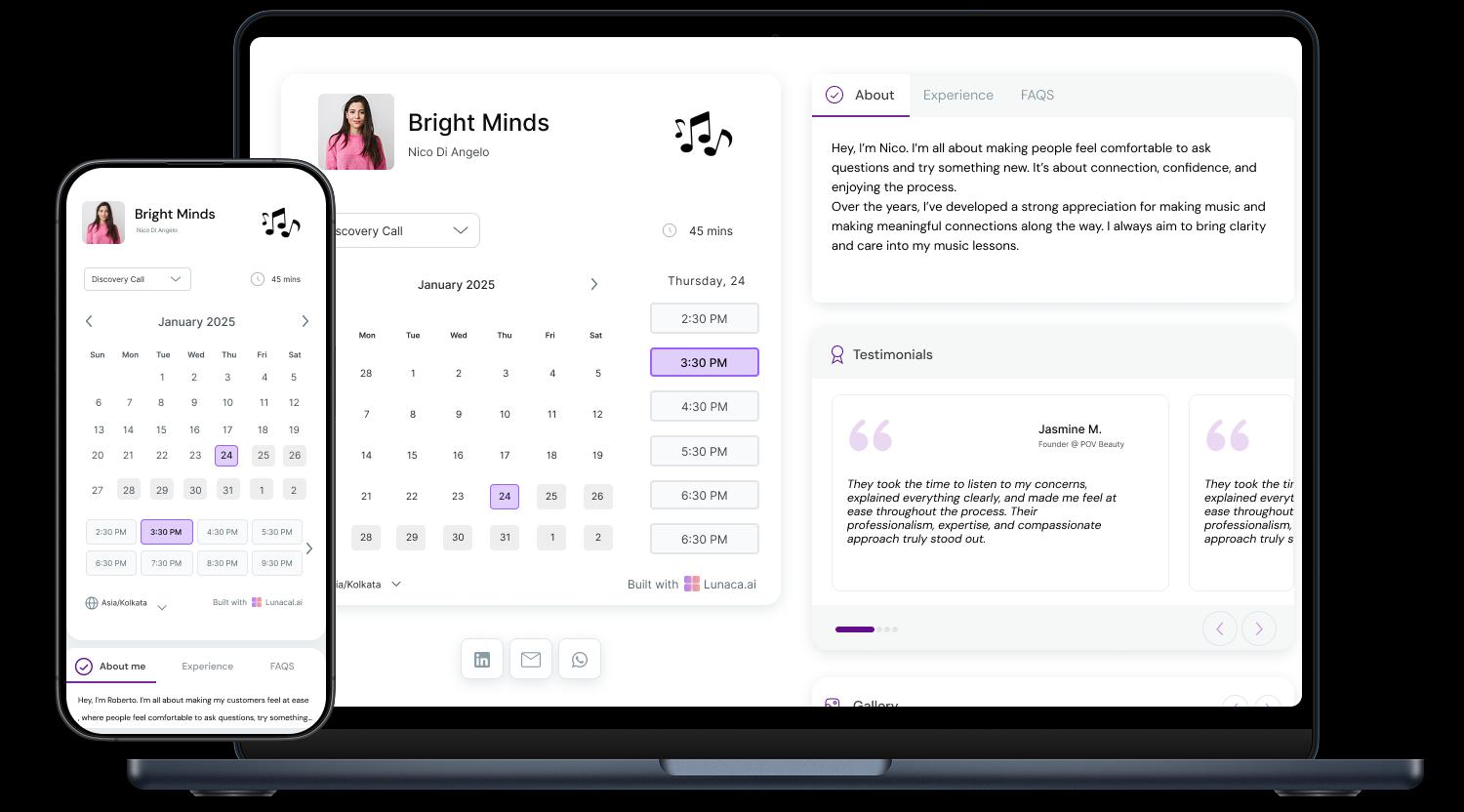
Show recitals, student wins, and your teaching vibe
Most families don’t choose a teacher from a feature list. They choose based on trust. Add recital photos, short performance clips, and genuine testimonials right where they’re about to book. It helps a parent picture their child on stage, and it helps adult learners feel they won’t be judged for starting late.

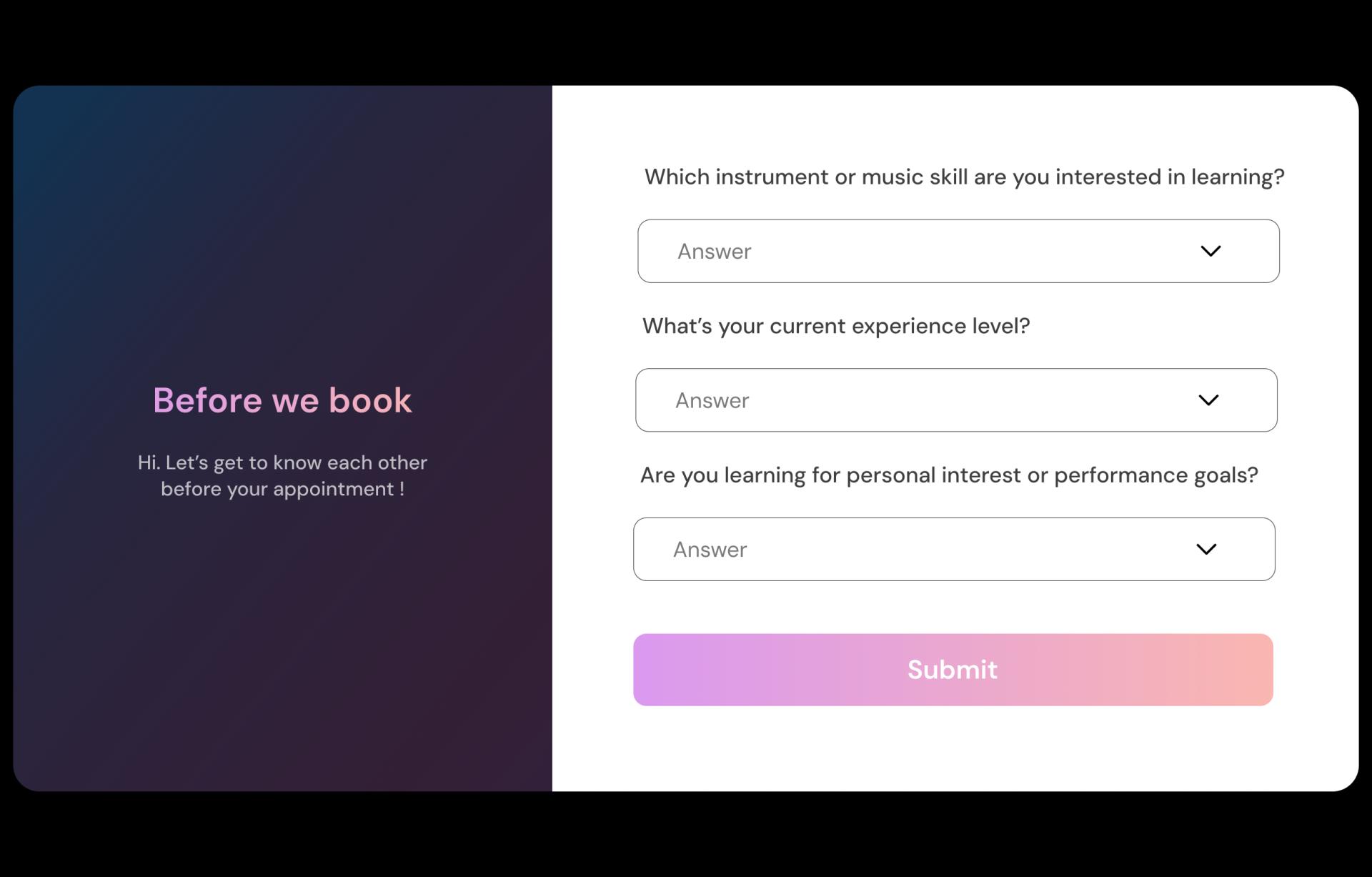
Capture goals, instrument, level, and learning preferences
The fastest way to waste a first lesson is showing up unprepared. Ask at booking: instrument, age, level, goals (exam prep, hobby, worship band, jazz), preferred genres, and whether they have a keyboard/amp at home. You can also ask practicals like “Do you read notation?” and “Any prior injuries?” so you plan smarter from minute one.
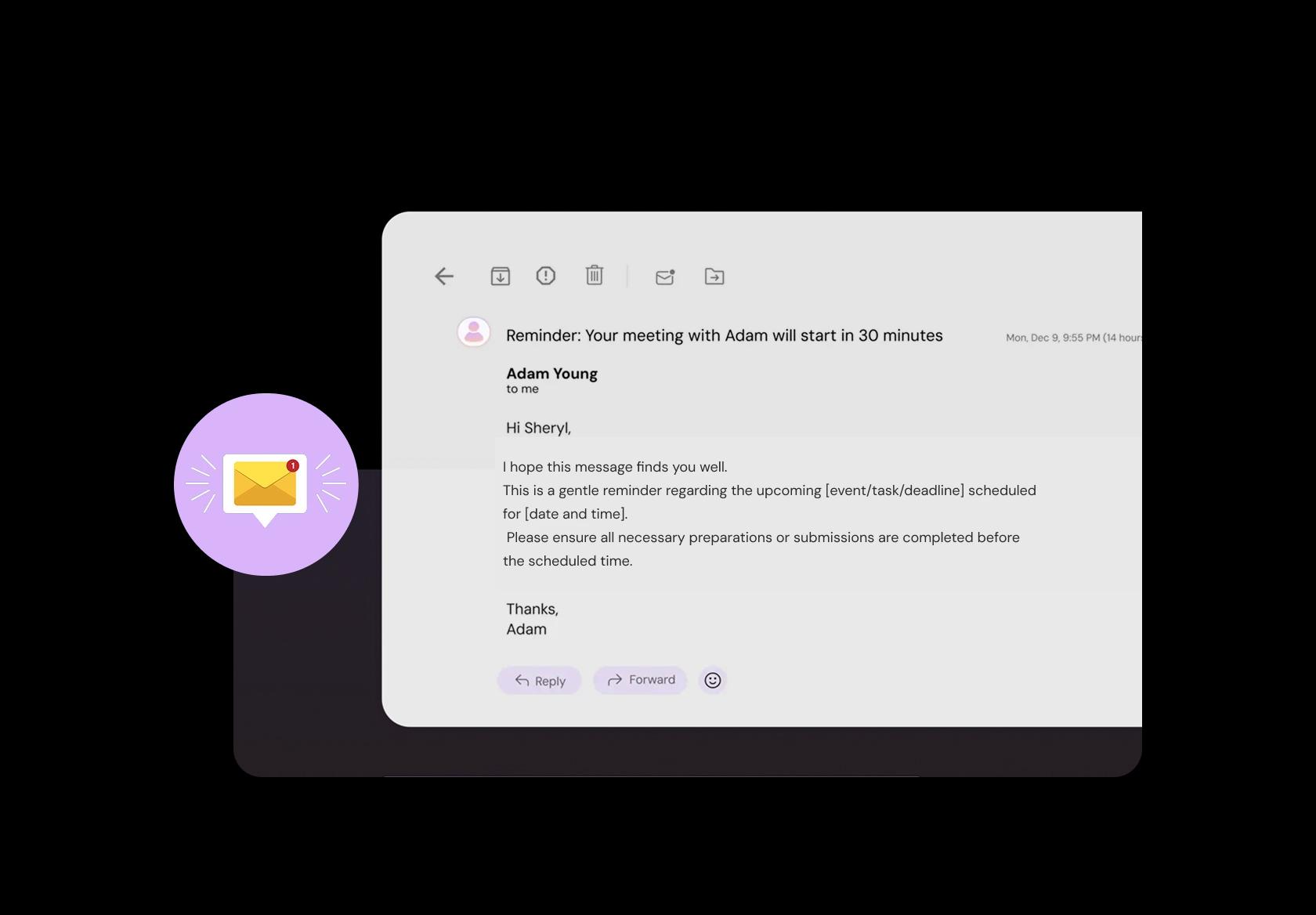
Reduce missed lessons and collect feedback after
Kids forget. Adults get stuck in meetings. Reminders sent 24 hours and 2 hours before cut down no-shows, especially when you include the address, parking notes, Zoom link, and “bring your book/metronome” checklist. After the lesson, a simple follow-up asking “Was the pace right?” gets useful feedback and improves retention over months.
Take deposits or full payment to reduce cancellations
If you’ve taught long enough, you’ve seen the “We’ll confirm later” bookings vanish. Taking a deposit or full payment makes the slot real and protects peak times like weekend lessons and pre-recital weeks. It also makes income predictable, which matters when you’re planning teacher schedules and room usage.

Run studio rooms, home visits, and online lessons cleanly
Music teaching is rarely one place. You might teach at Studio A on weekdays, a school on Fridays, and online on Sundays. Set locations like “Studio Room 1,” “Studio Room 2,” “Home Visit,” and “Online,” each with its own availability and buffers. That prevents impossible back-to-back transitions and avoids double-booking rooms or travel-heavy slots.
Different lesson types, lengths, and setup requirements
A 30-minute beginner piano lesson isn’t the same as a 90-minute audition coaching session. Create separate services for 30/45/60-minute lessons, group classes, theory workshops, and exam prep. Give each service its own rules: buffer time (setup/pack-down), minimum notice, and capacity for group sessions. Your calendar stays realistic, not optimistic.
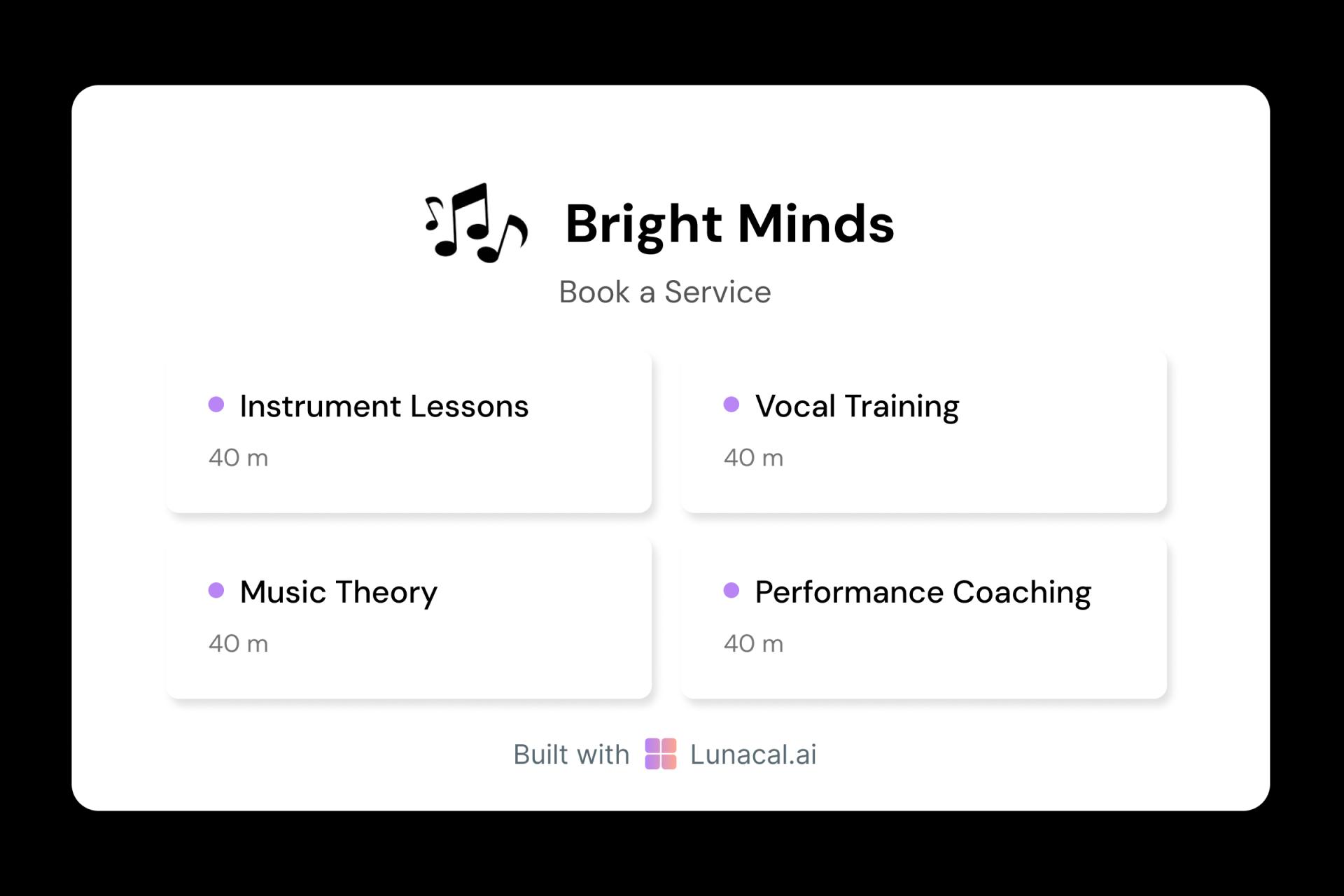
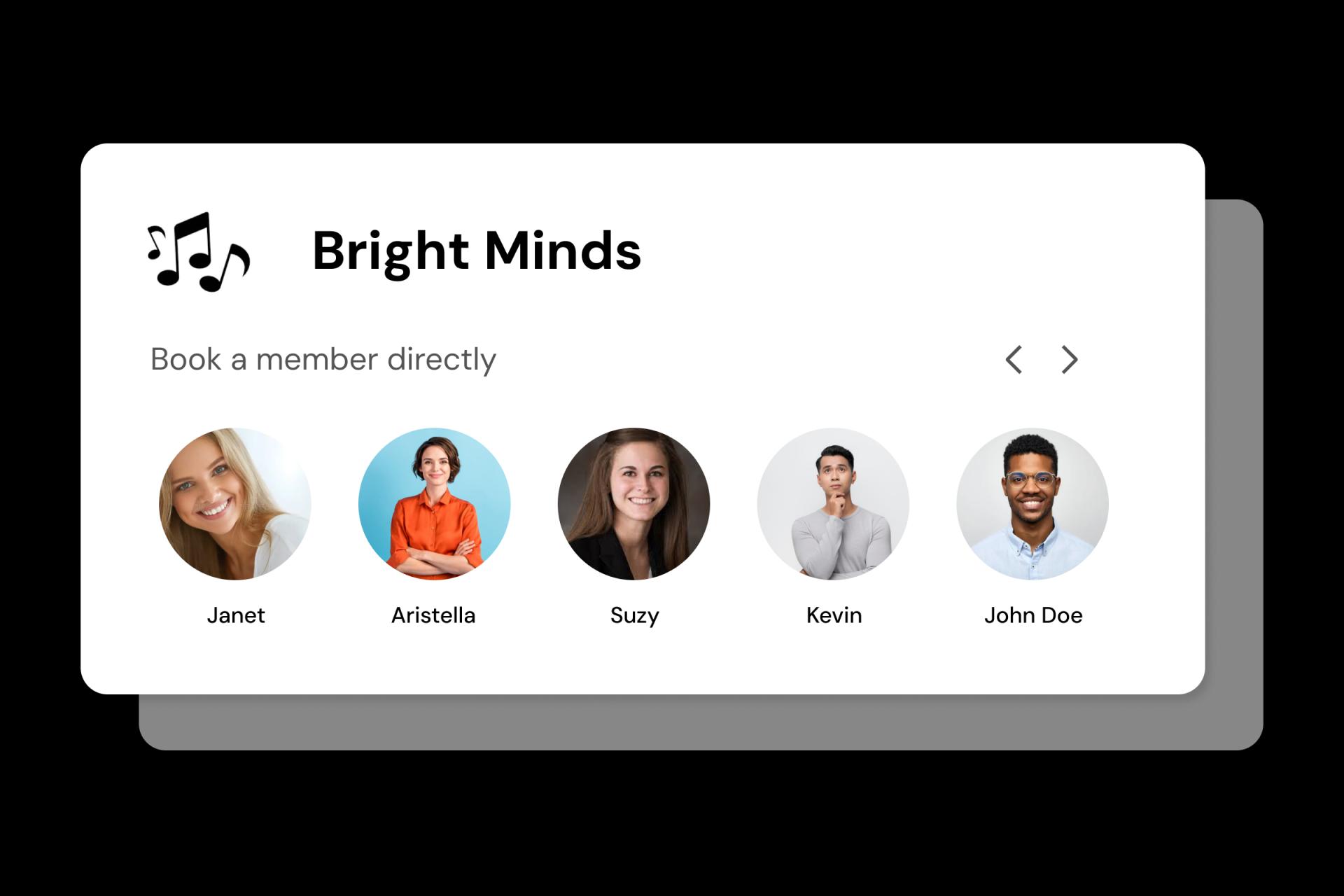
Distribute new students fairly across teachers
In a music school, one teacher ends up overloaded while another sits with open slots. Round-robin assigns new bookings to the next available instructor automatically. It keeps workloads fair, protects quality, and helps you scale during spikes like summer holidays and recital season without manually coordinating every request.
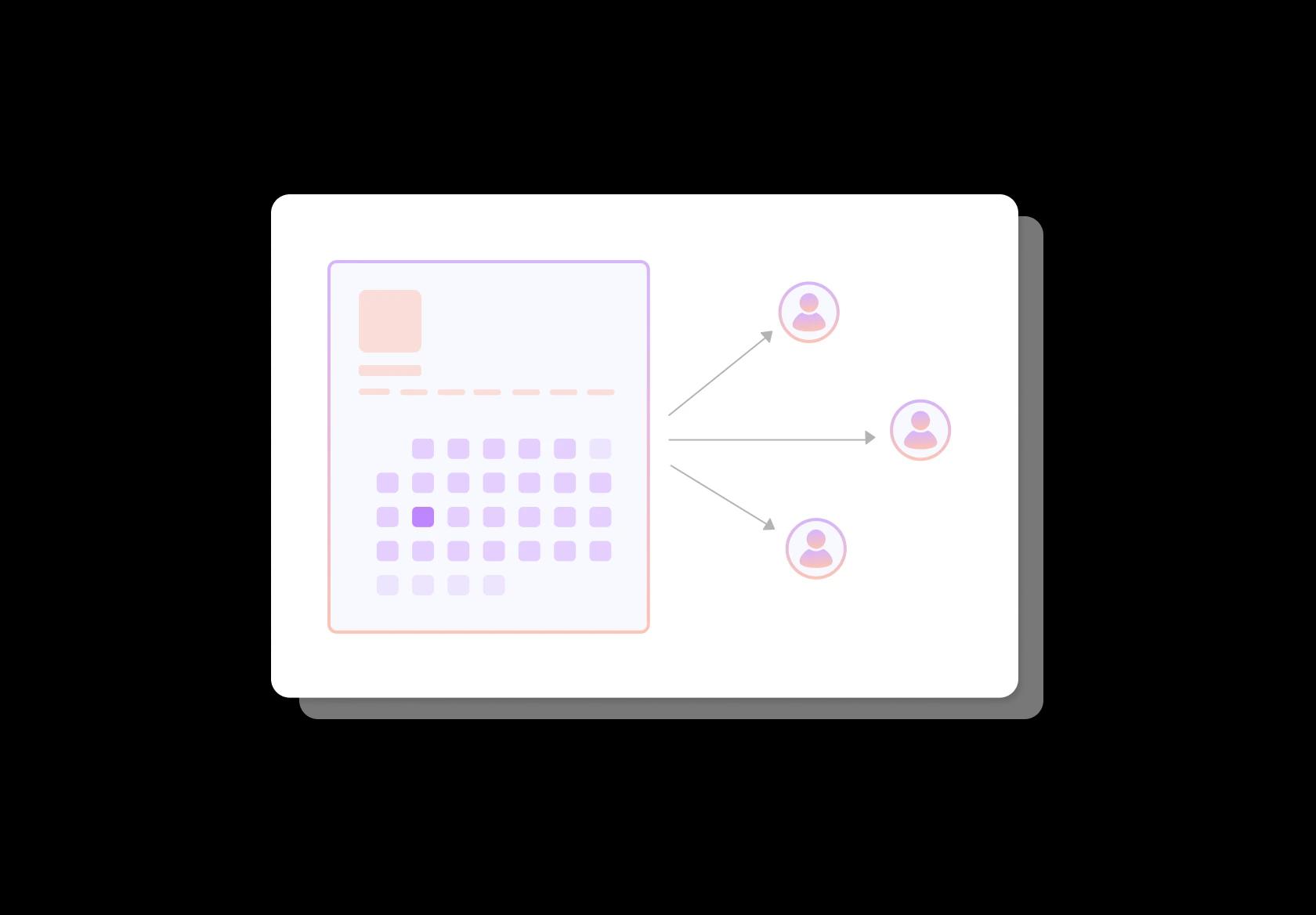
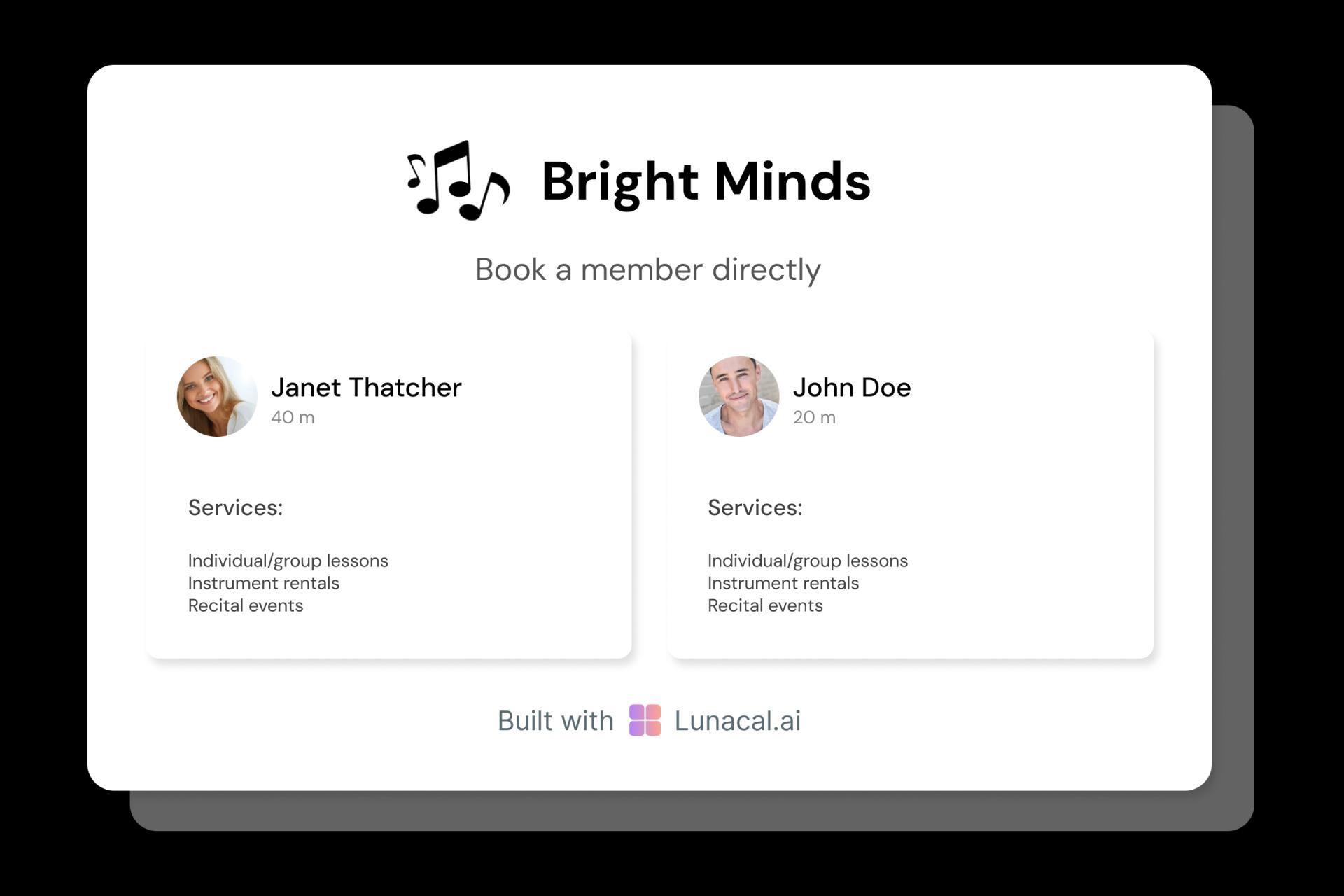
Help students pick the right teacher confidently
Students don’t just want “a teacher.” They want the right match. Show each instructor’s instruments, teaching style (structured, improv-heavy, exam-focused), experience, and student outcomes (recital participation, grade exams, scholarship auditions). Include options like “choose this teacher” or “any available,” so booking stays fast without losing trust.
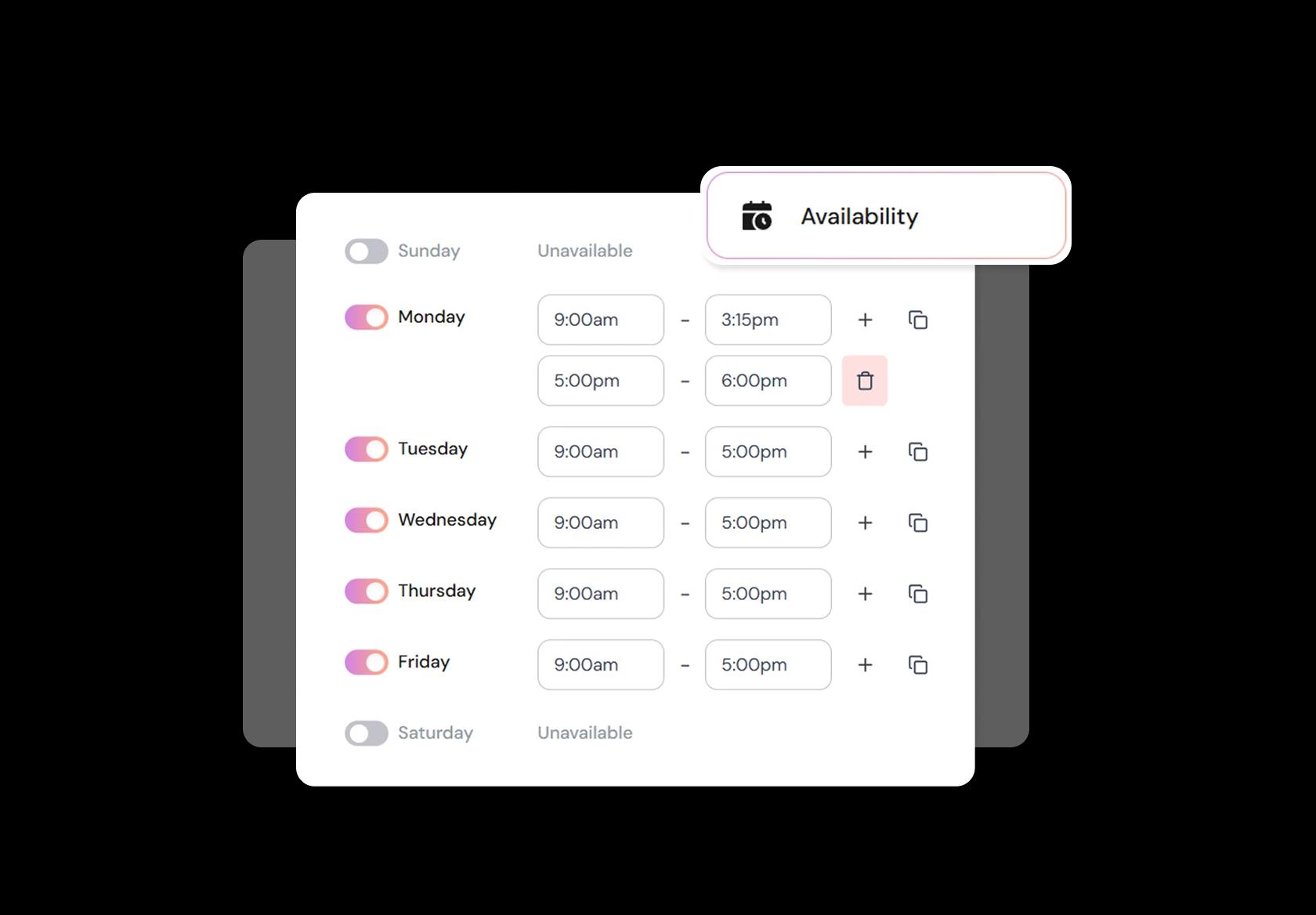
Control hours, breaks, buffers, and seasonal changes
Teaching schedules change with school terms, exam windows, and holiday travel. Adjust availability without reworking everything: add breaks between lessons, block recital rehearsals, set minimum notice for last-minute requests, and add buffers for room reset. It prevents those small scheduling mistakes that turn into chaotic days.
One booking link for website, email, Instagram, and WhatsApp
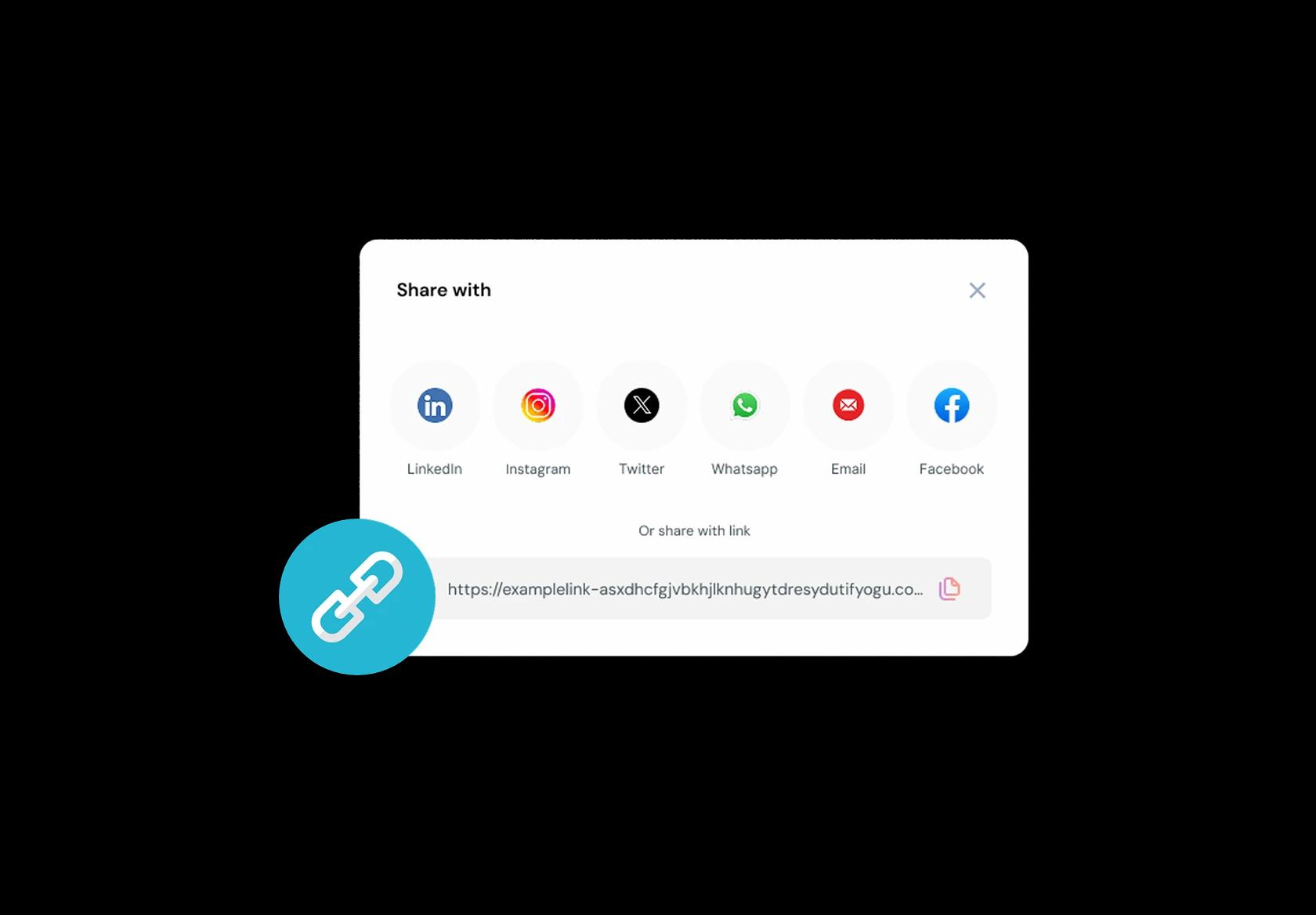
Families book where they already talk to you. Put the same lesson booking link on your website, email signature, Instagram bio, WhatsApp message, Google Business Profile, and studio listings. Everyone lands on one clear page with your lesson types, prices, locations, and available times. Less back-and-forth. More confirmed students.
No commission, No license fees.
Just simple, fair pricing
(save upto 20%)
Standard
- Unlimited Calendars & Services
- Connect Online Meeting Tool
- Payments via Stripe, PayPal
- Text / Email Reminders
- Customize your booking page
Teams
- All Standard Features
- Teams Scheduling
- Multi-session Packages
- Round-robin Scheduling
- Webhooks
Enterprise
- AI Voice Agent
- Account Manager
- Complete Branding
- MCP Server (Beta)
- SSO


Music Lesson Scheduling Playbook
1) Design your lesson menu like a teacher, not a calendar
Great music lesson scheduling software starts with the right lesson types, durations, and rules so students book the correct slot the first time.
- Create clear lesson types: piano, guitar, vocals, drums, theory, exam prep, beginner trial.
- Offer realistic durations: 30, 45, 60 minutes, plus a “trial lesson” option.
- Split formats: in-person (studio room) vs online (Zoom/Meet link).
2) Collect the details that change the lesson plan
Your booking form should capture what a teacher would ask in the first 60 seconds.
- Student level (beginner, intermediate, advanced) and age group (child, teen, adult).
- Goal (songs, grades, auditions, confidence, technique, music theory).
- Instrument, preferred language, and any accessibility needs.
- If the student is a minor, collect parent or guardian contact info.
3) Make recurring lessons the default
Music lesson booking systems work best when they reduce weekly back-and-forth and prevent “who forgot what time” problems.
- Offer weekly recurring slots as the primary option, with limited one-off bookings.
- Show times in the student’s local timezone and include the timezone in confirmations.
- Reserve teacher buffers (5–10 minutes) for notes, setup, and late arrivals.
4) Set make-up and cancellation rules that feel fair
This is where most studios lose money or burn goodwill. Make the rules visible before booking.
- Late cancellation window: “Cancel or reschedule at least 24 hours in advance.”
- Make-up policy: “One make-up per month” or “Make-ups only for teacher cancellations.”
- Late arrival policy: “Arriving late shortens the lesson to protect the next student.”
5) Get paid in a way that matches how lessons are sold
Payments should fit the business model: single lessons, monthly memberships, or lesson packs.
- Offer lesson packs (4, 8, 12) for families who want consistency.
- For ongoing students, monthly billing is usually simpler than per-lesson invoices.
- Require payment or a deposit for trial lessons to reduce no-shows.
6) Run the studio like a system, not a chat thread
Reminders and follow-ups should handle the repetitive work so teachers can teach.
- Send a confirmation immediately with teacher name, format, location/link, and policy summary.
- Send reminders 24 hours before and 2 hours before (especially for kids and busy parents).
- After lessons, send a simple follow-up: practice goal for the week and the next booking link.
Authored & Reviewed by:
Pranshu Kacholia is the founder of Lunacal.ai, a calendar scheduling and appointment booking system. He works directly with businesses of all sizes to improve booking outcomes - reducing no-shows, cutting back-and-forth, and making scheduling more reliable and efficient. His day-to-day includes reviewing real scheduling setups and edge cases: complex availability and buffers, time zones, routing, cancellation/rescheduling rules, paid meetings and deposits, reminder workflows, and integrations with calendars and meeting tools. He regularly shares appointment scheduling best practices through interviews and community conversations (see this interview and this discussion) and also writes about calendar scheduling (read the article on Medium). He has first-hand experience of using 40+ scheduling tools such as calendly, acuity scheduling, vagaro, fresha, tidycal, square, setmore etc. and understands product nuances deeply.
Lunacal.aiCalendlyAcuity SchedulingSquare AppointmentsSetmoreDoodleBooksyMindbodyFreshaSimplyBook.meHoneyBook


