


Introduction
If Appointlet is making you think about monthly limits before you think about actual bookings, I would start looking at alternatives. I reviewed the best Appointlet options for teams that have moved beyond basic one-on-one scheduling and need more room to operate. That matters because Appointlet’s free plan stops at 25 bookings per month.
I compared Lunacal, Calendly, Setmore, OnceHub, Microsoft Bookings, and Google Calendar Appointment Scheduling by setting up real booking flows and testing the parts that usually decide the switch: calendar sync, team routing, reminders, and the invitee booking experience. I also checked public evidence across G2, Trustpilot, Reddit, official docs, help centers, pricing pages, and Appointlet outage reporting on StatusGator, so the claims here are easy to verify.
If you sell in the US or Canada, payments and SMS delivery matter. If you work across Germany, France, or Spain, GDPR and localization matter too. Here’s which Appointlet alternative fits best once scheduling becomes a real part of your workflow.
Appointlet Alternatives Comparison
Best Appointlet Alternatives by Use Case
| Use case | Best tool | Why it fits |
|---|---|---|
| Branded booking pages | Lunacal | Rich scheduling pages with content, testimonials, and higher conversion focus |
| Team scheduling workflows | Calendly | Mature routing, integrations, and scalable team scheduling |
| Budget service scheduling | Setmore | Free plan + payments + staff scheduling for service businesses |
| Lead qualification flows | OnceHub | Strong routing, forms, and CRM-style booking workflows |
| Microsoft ecosystem teams | Microsoft Bookings | Native to Outlook, Teams, and Microsoft 365 stack |
| Google Workspace users | Google Calendar Appointment Scheduling | Simple, fast scheduling inside Google Calendar |
Appointlet Alternatives Feature Comparison
| Capability | Lunacal | Calendly | Setmore | OnceHub | Microsoft Bookings | Google Calendar Appointment Scheduling |
|---|---|---|---|---|---|---|
| Core strength | Page-driven booking | Team scheduling | Service operations | Lead routing | Internal scheduling | Lightweight booking |
| G2 rating | 4.9 | 4.7 | 4.5 | 4.4 | 3.8 | — |
| Starting price | $9 | $10 | $5 | $10 | $6 | $14 |
| Free plan | No | Yes | Yes | Yes | No | No |
| Payments | Yes | Yes | Yes | Yes | No | Partial |
| Calendar sync | Multi | Multi | Multi | Multi | Outlook | |
| Team scheduling | Yes | Yes | Yes | Yes | Yes | No |
| Round robin | Yes | Yes | No | Yes | Partial | No |
| Booking page customization | High | Medium | Medium | Medium | Low | Low |
| Best fit | Conversion-focused pages | Scaling teams | Local services | Sales workflows | Internal teams | Solo users |
Lunacal
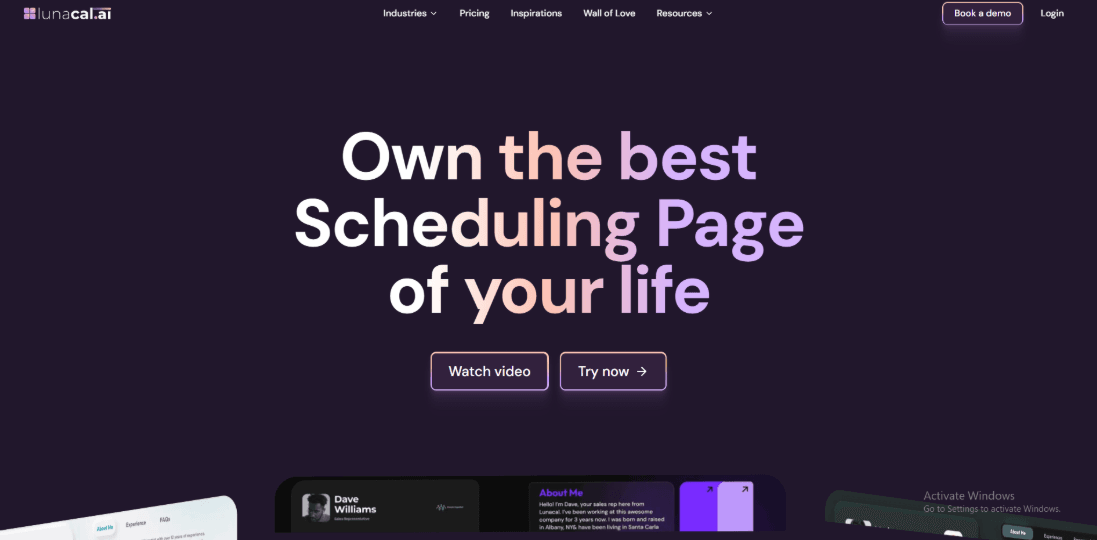
Lunacal is an Appointlet alternative that helps businesses turn more page visits into bookings with branded booking pages, reminders, payments, and workflow automation. Lunacal has a 4.9/5 rating on G2, placing it among the highest-rated options in this comparison.
Features
- Beautiful scheduling pages with rich content
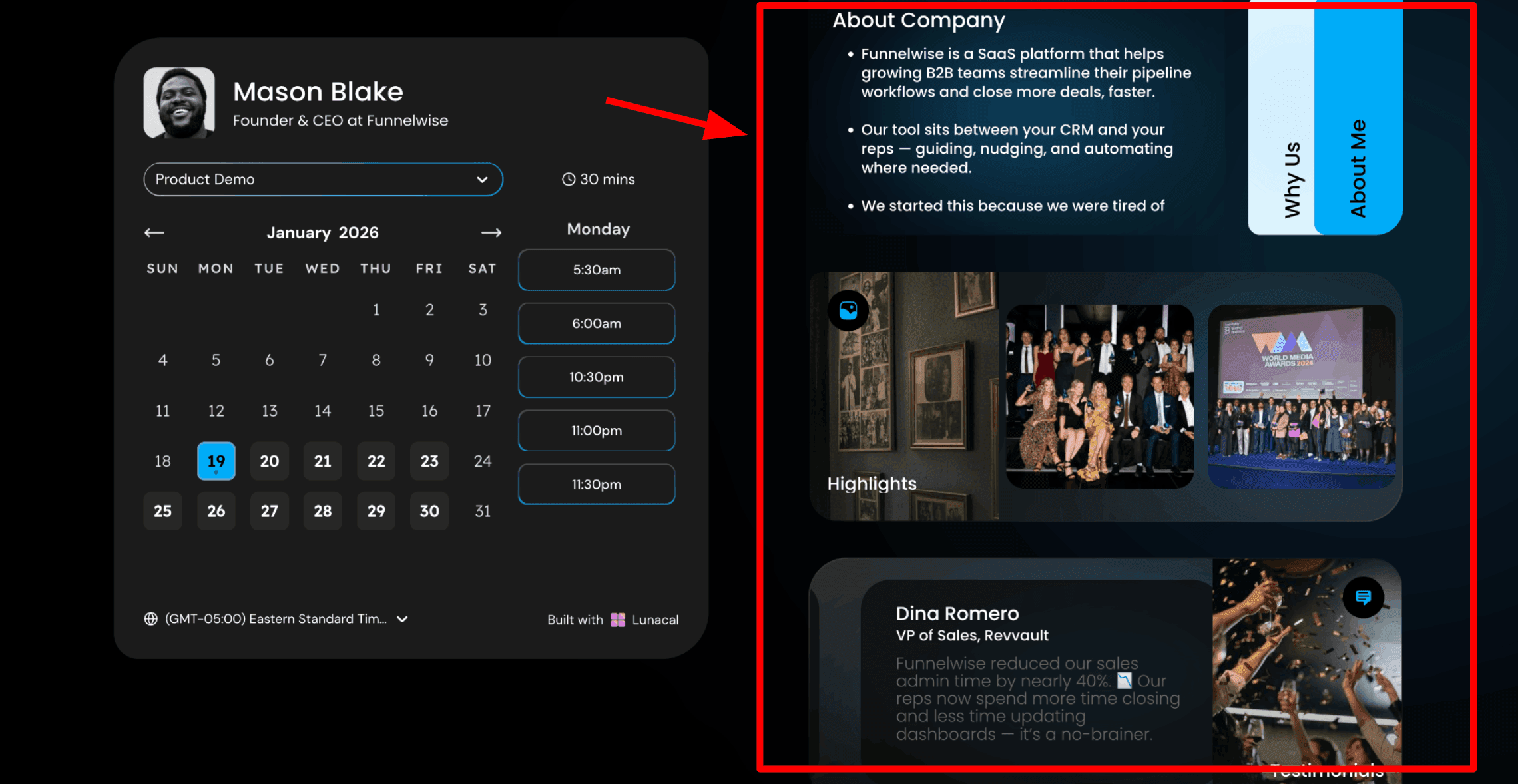
Lunacal gives you a booking page where you can add text, images, videos, testimonials, and more right beside the calendar. This helps people understand who you are and why they should book time with you while they are choosing a slot. For roles where trust matters, this makes a real difference. For example, on a sales call page, you can add a short intro, a few key points about what you do, and one strong result from a client so people feel confident before the call. Here is a screenshot below:
- Drag and drop meeting page editor
You build the page using a simple editor. You can add blocks like text, testimonials, images, videos, documents, and forms without needing any technical help. It is easy to update later when your message changes. This is useful if you care about how your booking page represents your brand. For example, on a coaching page, you can explain how the session works, add a couple of client results, and include a short document so people know what they are signing up for.
- Availability windows with date exceptions
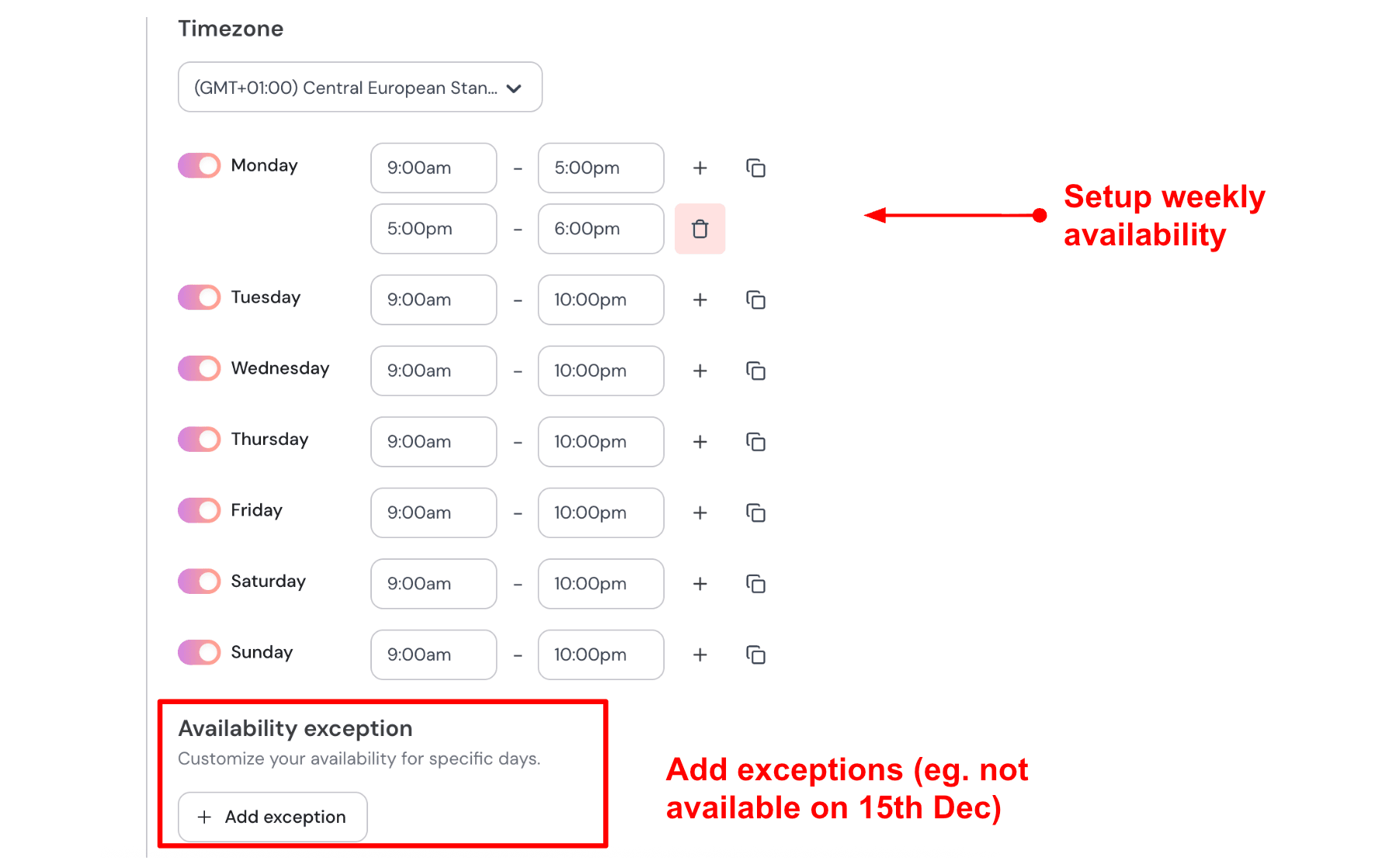
You can set your working hours and also block specific dates when you are not available. This keeps your booking link safe to share anywhere because people will only see real availability. It works well if your schedule changes often. For example, you can allow bookings from Monday to Thursday and keep Friday free, then block off days when you are traveling or attending events. Here is how I set up my availability:
- Sync multiple calendars to eliminate conflicts
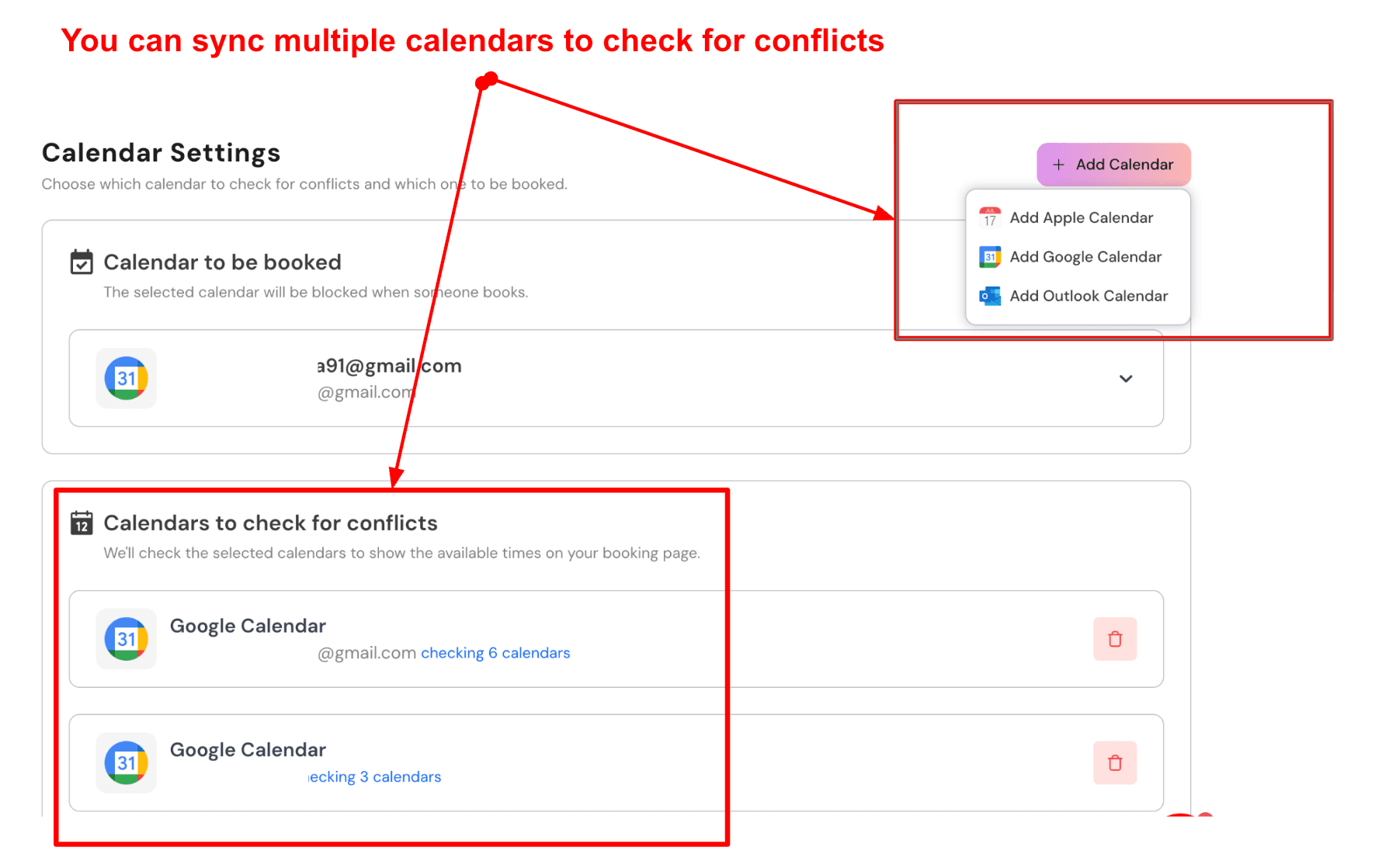
Lunacal connects with multiple calendars and checks all of them before showing available time slots. This means a time only appears if you are actually free across all your calendars. It is helpful if you use different calendars for work, personal life, or team coordination. For example, a meeting in a shared team calendar will automatically block that time on your booking page. Here is a screenshot of that:
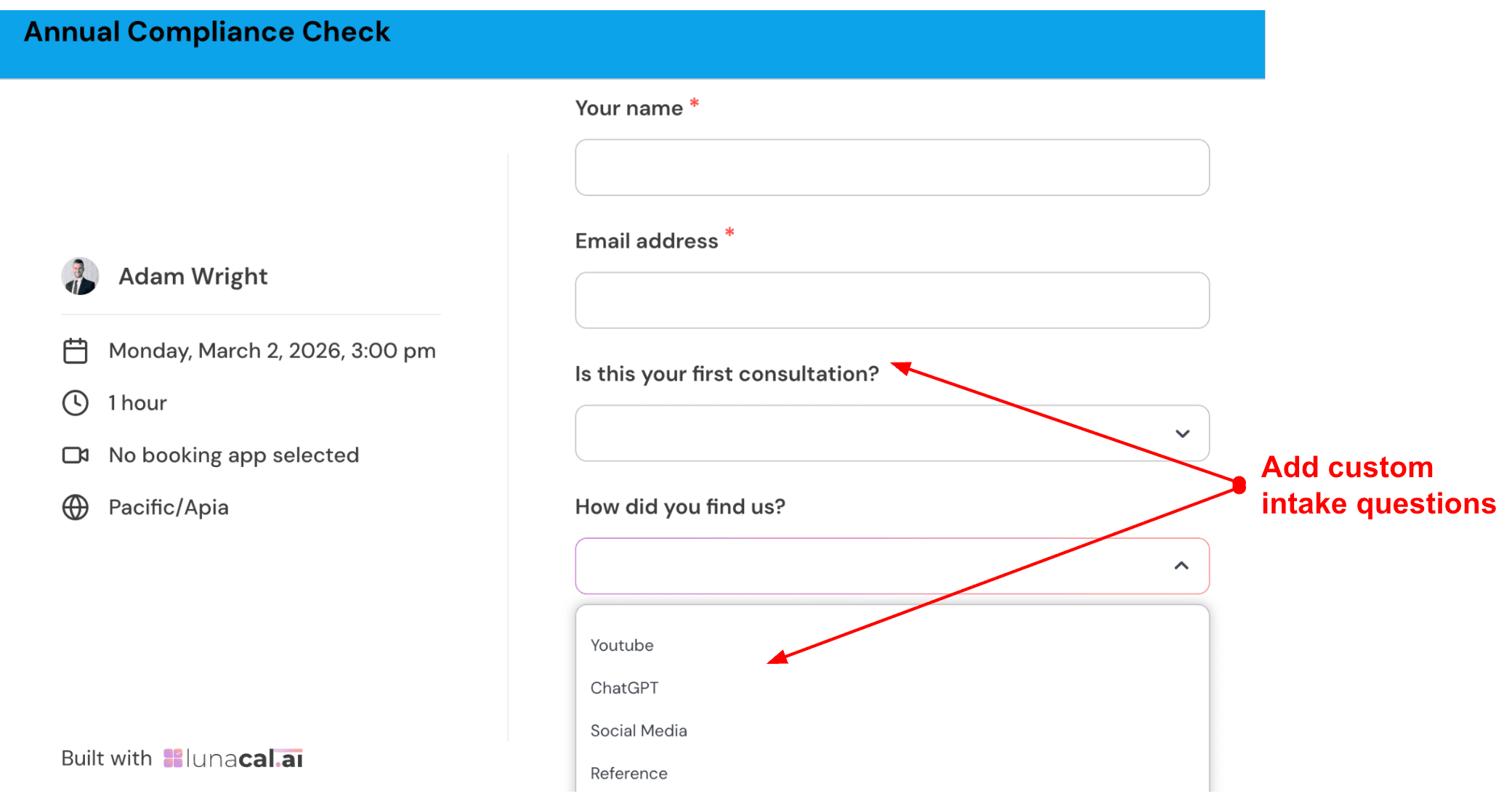
- Custom pre-meeting questions
You can ask questions before someone books a meeting. This helps you understand what they need before the call starts. It also makes your sessions more focused. Keep it simple and ask only what helps you prepare better. For example, you can ask about their main challenge, their timeline, and how they found you. Check out the intake form I created:
- Team and round-robin scheduling flow
You can set up team scheduling where people either choose a specific person or get assigned to the next available team member. This helps distribute bookings evenly without manual work. It works well for teams handling similar types of calls. For example, new leads can go to any available team member, while existing clients can pick someone they already know.
- Automated confirmations and reminders with full message control
Lunacal sends automatic confirmations and reminders by email and SMS. You can edit the full message, including the subject and content, so it feels personal. You can also include details like the meeting time and link. This helps people show up on time and reduces missed calls. For example, you can send a confirmation right after booking, a reminder the day before, and a short message one hour before the meeting.
Pros
- The booking page can carry real context (media, testimonials, docs), so fewer calls start cold.
In my testing, this is the biggest difference vs Appointlet’s simpler page setup. - Strong scheduling-page customization options.
- Team scheduling page with round robin and collective modes.
- Built-in time zone detection that behaves predictably.
- Payments supported via Stripe and PayPal with 0% commission positioning.
Cons
- If you mainly need a lightweight scheduler and want a free plan for basic volume, Appointlet is usually the safer pick.
Lunacal’s plans are pay-first, so the math can be wrong for very small or internal-only use. - Advanced edge-case configurations take time to discover.
- Multi-team and multi-event setups can feel visually busy at first.
- Automation depth leans on Zapier and connected apps, which adds another moving piece (see Lunacal Help Center Integrations).
- Per-user pricing can add up once you scale a bigger team.
Pricing
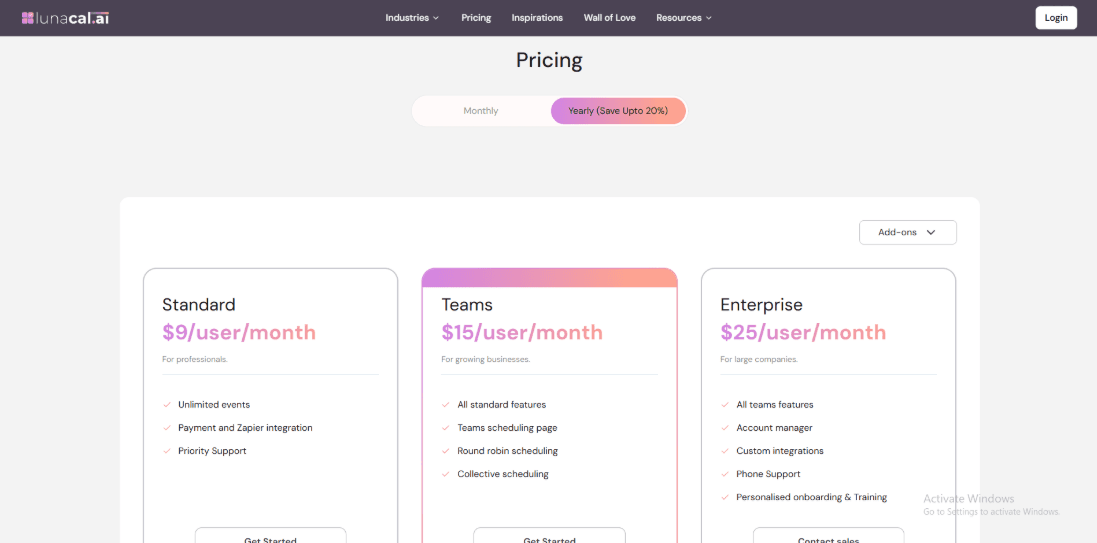
- Lunacal is priced per user with monthly and yearly billing, with yearly shown as saving up to 20% on the pricing page.
- Standard starts at $9/user/month and includes unlimited events plus payment + Zapier integration.
- Teams is $15/user/month and adds team scheduling features like round robin and collective scheduling.
- Enterprise is $25/user/month with account management and custom integrations.
- Details here: pricing details
When to Choose Lunacal over Appointlet
Choose Lunacal when your scheduling page needs to educate and qualify the lead, not just collect a time. It’s a better fit if you need team routing (round robin / collective), paid bookings, or multi-language guest experience. If you want simple scheduling + a long-term free plan and don’t care about page depth, Appointlet stays the cleaner choice.
Calendly
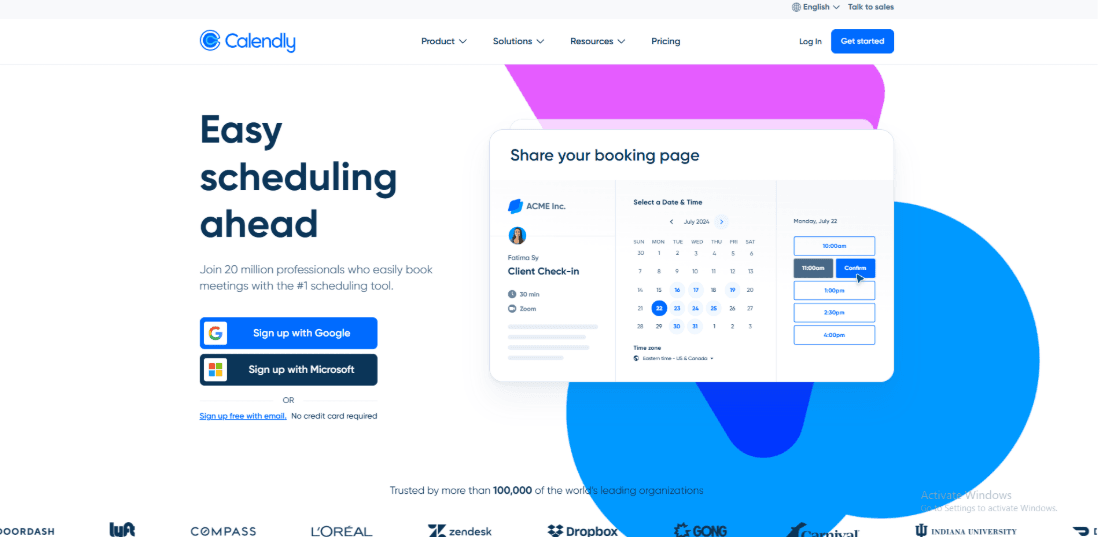
Calendly is popularly known for clean booking links, strong availability controls, and a wide range of integrations. I’d use it when you want something reliable that can grow with your needs over time.
Features
- Event types and booking workflows
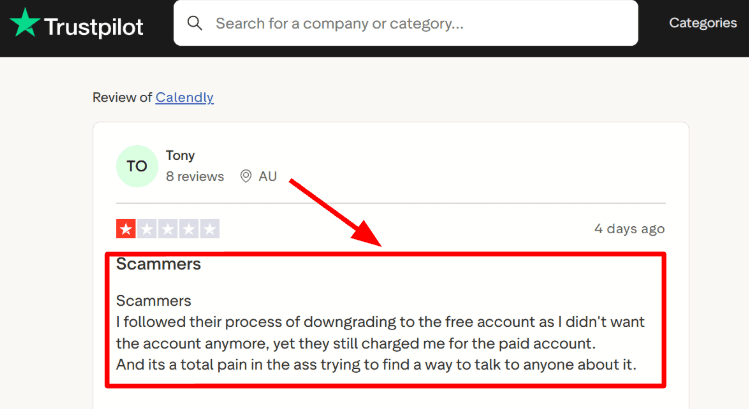
While testing, upgrading or changing plans felt simple, but finding the exact downgrade option took a bit more time than expected. I also came across a Trustpilot review where a user mentioned they were still charged after downgrading and had trouble reaching support, so I’m sharing that screenshot below for context.
- Availability rules
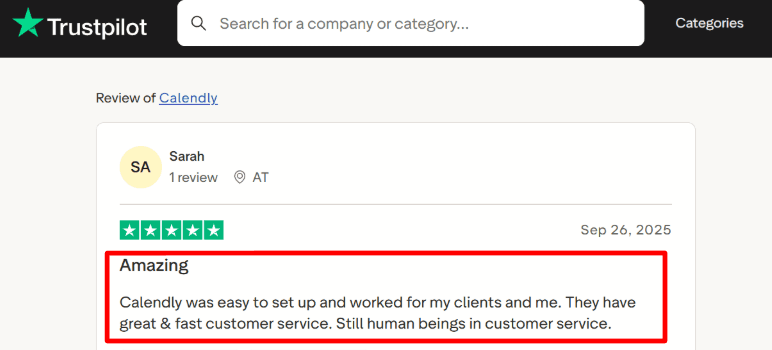
Setting your working hours, adding buffers, and limiting bookings is quick and easy to understand. You can also reuse the same setup across different event types, which saves time. A Trustpilot review I saw mentioned fast setup and helpful support, and that matched what I experienced, so I’ve added that screenshot below.
- Calendar integration
Calendly checks your connected calendars and blocks busy times automatically, so double-booking is unlikely. The free plan allows one event type and one calendar connection, which is enough for simple use. If you are exploring Appointlet alternatives, this is one area where Calendly keeps things clean and dependable.
- Team routing
You can assign meetings automatically to team members or let people pick from shared availability. This works well when multiple people handle bookings. It starts to feel more structured once you have a team or shared workflow in place.
- SSO and provisioning
For larger teams, Calendly supports secure login and user management through tools like Okta. This helps companies manage access without creating extra login issues for employees, which becomes important as teams grow.
For time slots, capacity, and confirmations, see tour booking software.
Pros
- Good fit for teams that need shared booking and structured workflows
- Wide range of integrations with calendars, video tools, and CRMs
- Supports payments through Stripe and PayPal for paid sessions
- Admin controls improve as you move to higher plans
- Booking experience is simple and easy for clients
Cons
- Free plan can feel limited if you need more event types or calendars
- Some features require moving to higher paid tiers
- Admin settings can take time to fully understand at first
- Invoice-based billing has higher minimum commitments
Pricing
- Free plan available with basic features
- Paid plans are per user, including Standard and Teams tiers
- Enterprise plans are custom and billed annually
- Payments and advanced features are included in paid plans
- Check the official Calendly Pricing page for the latest details
When to Choose Calendly over Appointlet
Choose Calendly if you need team scheduling, multiple event types, and strong integrations across your tools. It works well when you want a system that can handle growth without needing to switch later. It also makes sense if you are comparing Appointlet alternatives and want something widely used with stable performance. Stick with Appointlet if your needs are simple and you want a lightweight scheduler for basic booking.
Setmore
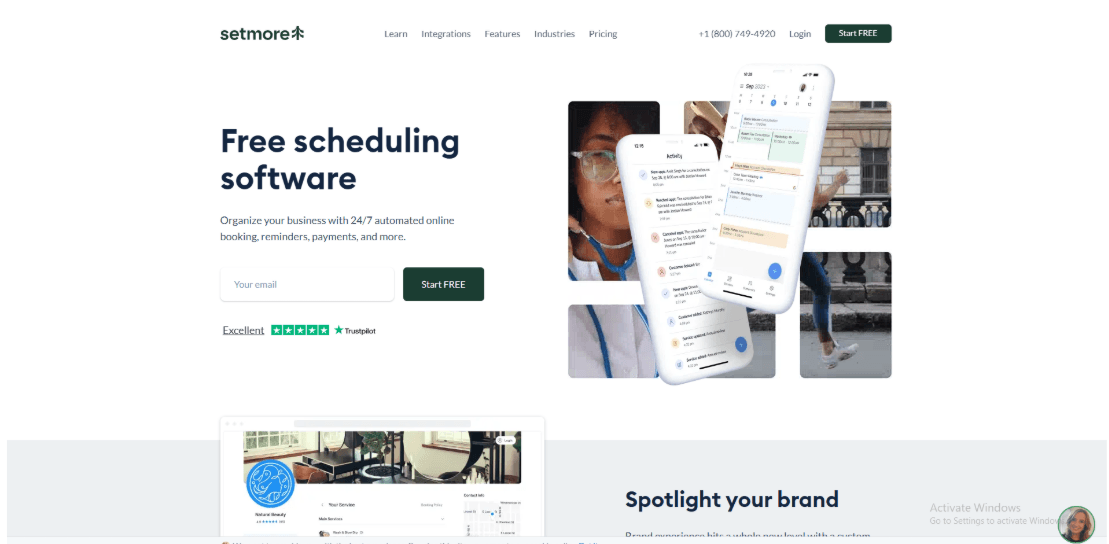
Setmore is a simple appointment booking tool that also works well for service-style scheduling like staff calendars, classes, and payments. It fits better when your setup involves day-to-day operations, especially if you are exploring Appointlet alternatives and want something flexible for both bookings and team use. If you want a fuller comparison, I break it down in my Setmore alternative guide.
Features
- Booking Page
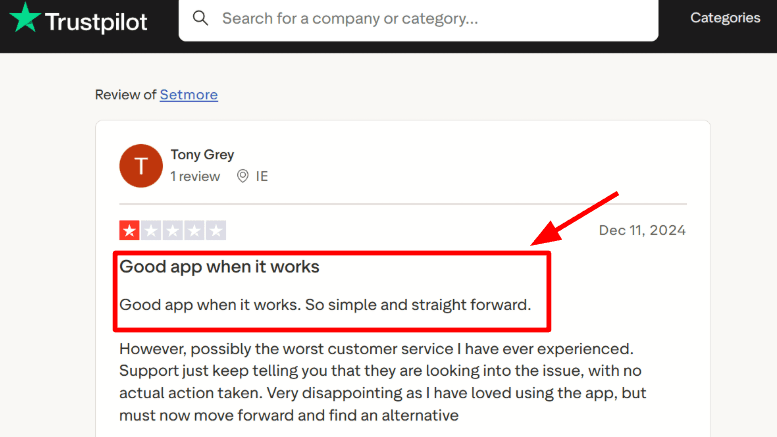
Setmore’s booking page is quick to publish and easy for clients to use without much guidance. When I tested a few booking flows, everything felt smooth at first. When I ran into a small setup issue, it took longer than expected to sort out, which lines up with this Trustpilot review mentioning slow support responses. I have added the screenshot below so you can see it in context.
- Calendar sync
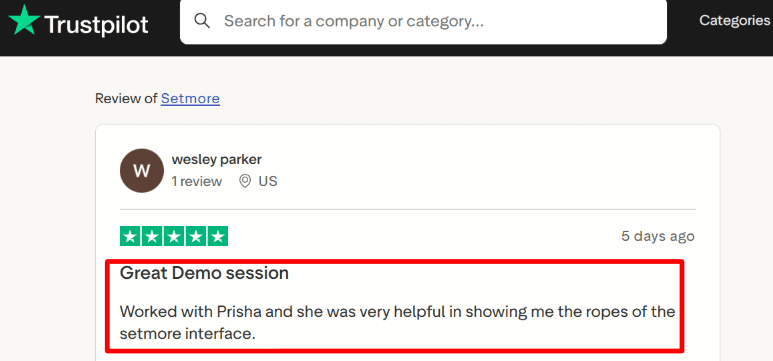
You can connect your calendar, but there is an important difference between one-way and two-way sync. I did not notice this at first and had to go back and adjust my setup. The Free plan supports one-way sync, while the Pro plan includes two-way Google Calendar sync according to Setmore’s own documentation. That difference affects how your availability behaves. I also came across a Trustpilot review that mentioned needing a demo to understand the setup, which makes sense because some settings are not obvious right away.
- Payment collection
If you want clients to pay during booking, Setmore supports common payment methods and deposit options. One useful detail is how Square integration works. You can take payment before the appointment through the booking page and also accept in-person payments using Square POS. This makes it a practical option if you are comparing Appointlet alternatives for both online and offline payments.
- Video meetings
Setmore can add meeting links like Zoom or Google Meet directly to appointments. In my testing, it worked well for standard online sessions and helped keep everything organized for both sides.
- Team controls
Setmore supports staff scheduling, permissions, and shared calendar views. This is helpful when you have multiple people offering services or managing bookings. It becomes easier to handle team availability and assign appointments without confusion.
If Setmore is on your list, my Setmore alternative breakdown makes the tradeoffs clear.
Pros
- Free plan works well for small teams, with up to 4 users and 200 appointments
- Staff scheduling is useful if you have multiple providers
- Payments can be collected during booking, including deposits
- Video meeting links are easy to add
- Booking widgets and social links help bring in bookings from different channels
Cons
- Setup can feel heavier if you only need a simple meeting booking link
- Two-way calendar sync is not included in the Free plan
- Support experience can be inconsistent based on user feedback
- The 200-appointment limit on the Free plan can become restrictive as you grow
- SMS reminders are only available on paid plans and follow a usage policy
Pricing
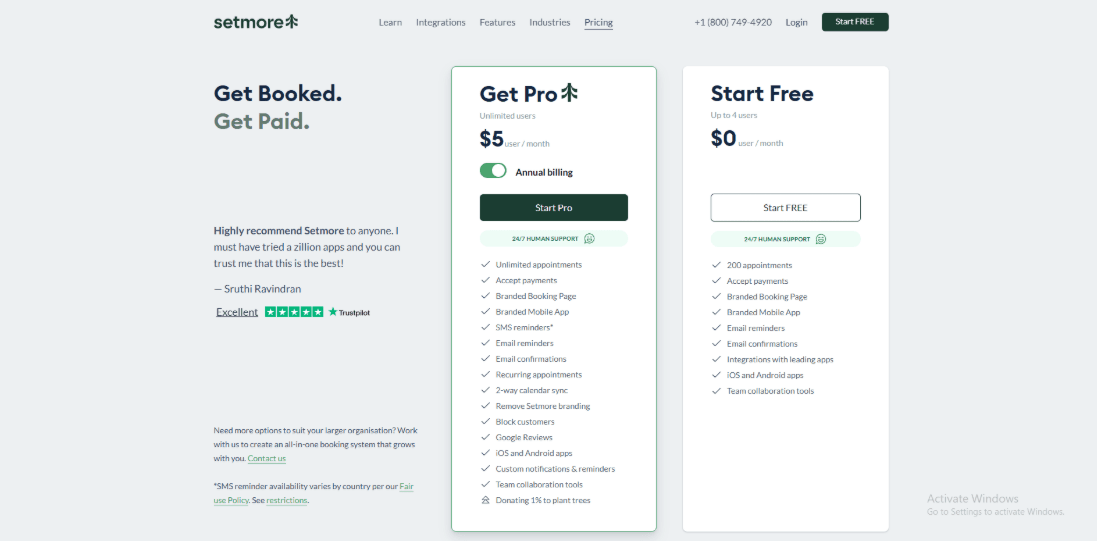
- Free: $0, up to 4 users, 200 appointments, basic booking features
- Pro: paid plan with unlimited users, includes SMS reminders and two-way calendar sync
- Check the latest details on the official Setmore pricing page.
When to Choose Setmore
Choose Setmore if you run a service business with a team, need payments during booking, and want one system to manage appointments, classes, and daily scheduling. It is also a good option if you are reviewing Appointlet alternatives for a setup that includes both staff and payments. Choose Appointlet if your main goal is simple meeting scheduling and you want a lighter tool focused on booking calls. When Appointlet comes up in conversations, I usually share this Appointlet alternative page.
OnceHub
OnceHub is mostly known for team-first scheduling that gives you more control over how bookings are handled. It works well when your process includes lead qualification, routing, and follow-ups instead of just picking a time. If you are exploring Appointlet alternatives and need something more structured for team workflows, OnceHub is worth looking at.
Features
- Plan Management
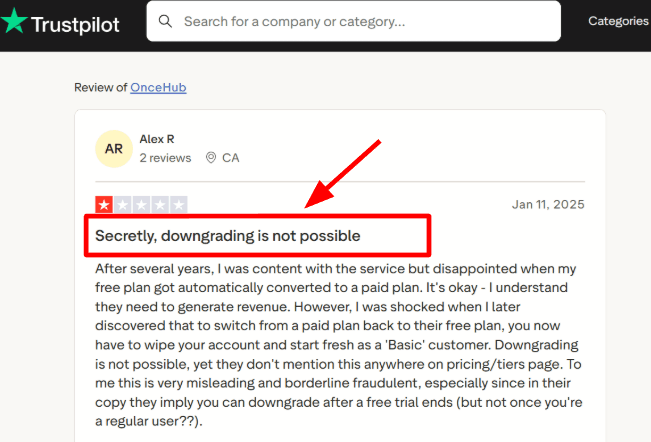
Setup was simple, but I had a moment of confusion when I tested billing changes. The OnceHub Help Center on subscription changes explains that once you upgrade, you cannot go back to the free Basic plan. I also saw the same point mentioned in a Trustpilot review, so I am sharing the screenshot below so you can see it yourself.
- Calendar Integration
I connected Google Calendar and the sync worked as expected in real booking situations. It updates availability properly and keeps things accurate. OnceHub also supports tools like Zoom, Google Meet, and Microsoft Teams through its integrations. During setup, it starts guiding you toward team-based workflows early, which gives you more control if multiple people are involved.
- Payment Integration
If you need to charge for sessions, OnceHub supports Stripe on paid plans and PayPal depending on how you set it up. One detail I noticed during testing is that Stripe payments are card-only even if your Stripe account has other methods enabled. It works fine, but it is something to keep in mind when setting expectations for clients.
- Routing Workflows
This is where OnceHub becomes more useful for teams. You can decide how leads are assigned based on rules instead of manually picking who handles each booking. The FormAssembly integration overview describes OnceHub as a full scheduling system across the customer journey, including CRM connections like Salesforce. In practice, it helps when different team members handle different types of clients.
- Human Support
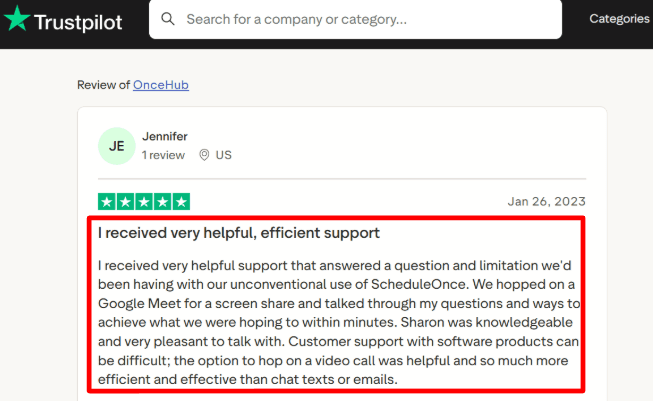
I tested a few unusual setup cases and found support helpful in getting clear answers quickly. I also saw a Trustpilot review that mentioned fast responses and even video support, so I am sharing that screenshot below. If your setup is not straightforward, this kind of support can save time.
If OnceHub is part of your evaluation, here is my OnceHub alternative breakdown.
Pros
- Strong routing and workflow depth for teams
- Works well for lead assignment and structured booking flows
- Supports major calendar and meeting tool integrations
- Payment options available through Stripe and PayPal
- Helpful support when dealing with complex setups
Cons
- Can feel heavy if you only need a simple booking link
- You cannot return to the free Basic plan after upgrading
- Setup takes time because of the number of settings
- Pricing increases as you add users or advanced features
- Documentation is split between older and newer versions
Pricing
- Free Basic plan is available with limited features
- Paid plans start around 10 dollars per user each month
- Higher tiers include routing, automation, and engagement tools
- Enterprise plans and compliance add-ons are available
- Full details are on the official OnceHub pricing page.
When to Choose OnceHub
Choose OnceHub when your booking flow includes lead assignment, qualification, and follow-ups. It works well for teams that need CRM connections, paid booking options, and multiple ways for clients to book such as forms or chat. If you are reviewing Appointlet alternatives for a team setup, this is one of the stronger options. If you want tools similar to OnceHub, check OnceHub alternative. If you prefer a simpler setup with fewer steps, Appointlet may still feel easier to use. If you like Appointlet but want other options, see Appointlet alternative.
Microsoft Bookings
Microsoft Bookings is Microsoft’s appointment scheduling tool that works inside Microsoft 365 and Outlook. If your team already uses Teams and Outlook, it feels like a natural extension instead of adding a new tool. It fits well for both internal scheduling and client bookings. If you are exploring Appointlet alternatives, this is one option that leans heavily into the Microsoft ecosystem.
Features
- Teams meetings
When I turned on online meetings, Bookings automatically created a Teams link for every appointment and included it in the invites. Everything was handled in the background, so there was less manual setup. This works especially well if your calls already happen on Teams and you want a smooth, consistent flow.
- Calendar sync
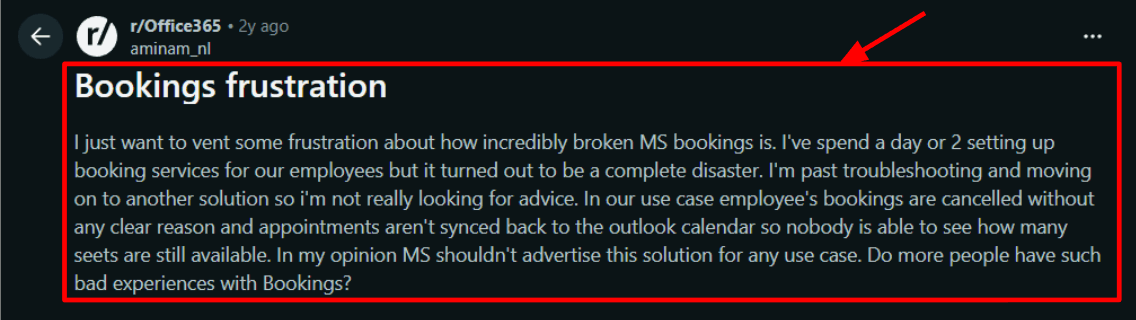
Bookings connects directly with Outlook calendars, so availability stays accurate across your team. In most cases, it works as expected. I did come across a Reddit thread mentioning issues with cancellations and syncing, so it is worth testing with a small group before rolling it out fully.
- Admin controls
You can manage roles, permissions, and settings from a central place. This is useful when you want consistency across a team instead of everyone setting things up differently. During setup, I noticed that some settings are split between Bookings and the Microsoft 365 admin panel, which can take a bit of time to get used to.
- Availability rules
You can set working hours, add buffer time, block time off, and control how far in advance people can book. These controls are practical for everyday scheduling. For most teams, it covers what you need without much effort.
- Booking pages
Bookings gives you a public page you can share with clients. It is simple and easy to use. One detail that stood out from Princeton University’s guide is that the booking page URL stays fixed after you create it, so it is worth choosing the name carefully at the start.
If Microsoft Bookings is on your shortlist, start with my Microsoft Bookings alternatives breakdown. It also helps to compare it with other Appointlet alternatives if you are exploring different ecosystems.
Pros
- Comes included with many Microsoft 365 plans, so there is no extra setup cost in many cases
- Works smoothly with Teams and Outlook
- Central admin control helps manage teams easily
- Useful for internal scheduling and shared calendars
- Strong support ecosystem, backed by Microsoft
- I also saw a Trustpilot review highlighting Microsoft’s customer support experience
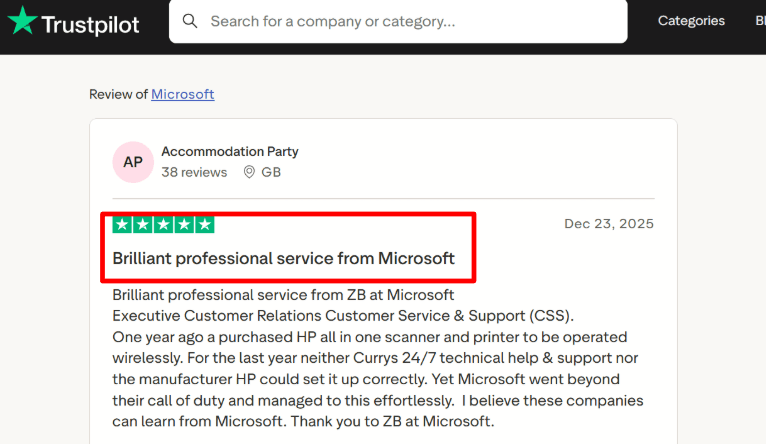
This review focuses on Microsoft’s customer relations, which can matter if issues need escalation.
Cons
- Requires Microsoft 365, which adds setup if you are not already using it
- No built-in payment collection
- Limited customization for booking pages
- Sync reliability can vary depending on setup, so testing is important
- Integrations outside Microsoft tools may take extra effort
Pricing
- Included with Microsoft 365 subscriptions
- Business Basic starts at $6 per user per month
- Business Standard is $12.50 per user per month
- Business Premium is $22 per user per month
- If you already have a plan, there is usually no extra cost for Bookings
When to Choose Microsoft Bookings
Microsoft Bookings works well if your team already uses Microsoft 365, relies on Outlook calendars, and runs meetings on Teams. It also fits when you want central control over how scheduling is managed across a team. If you need payments during booking, more flexible page design, or a standalone tool, Appointlet can feel easier to use. If Appointlet is not fitting your workflow anymore, Appointlet alternative is the easiest next step.
Google Calendar Appointment Scheduling
Google Calendar Appointment Scheduling is built directly into Google Calendar, so you don’t need a separate tool to create a booking page. It works especially well if you already spend most of your time in Gmail and Calendar, and want everything in one place without adding another app. If you are exploring Appointlet alternatives, this is one of the simplest options to start with since it uses tools you likely already know.
Features
- Calendar-native setup
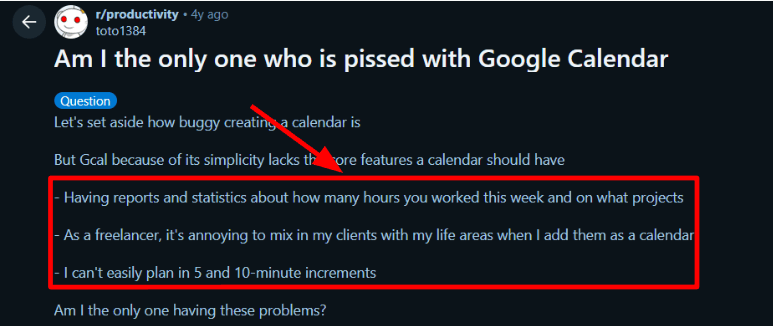
Setup is simple once you find it. You click Create and then choose Appointment schedule to generate a booking link. I initially tried doing this on mobile and got stuck, then switched to desktop, and it worked smoothly. I also came across a similar complaint in a Reddit review where the setup felt confusing at first, especially when switching devices.
- Availability controls
You can set your working hours, choose how long each session is, add buffer time between calls, and control how far in advance someone can book. You can also limit how many bookings you take per day. In my testing, it handled busy times well since it runs on the same calendar system. If you use more than one calendar, some plans can check all of them before showing available slots.
- Tasks separation
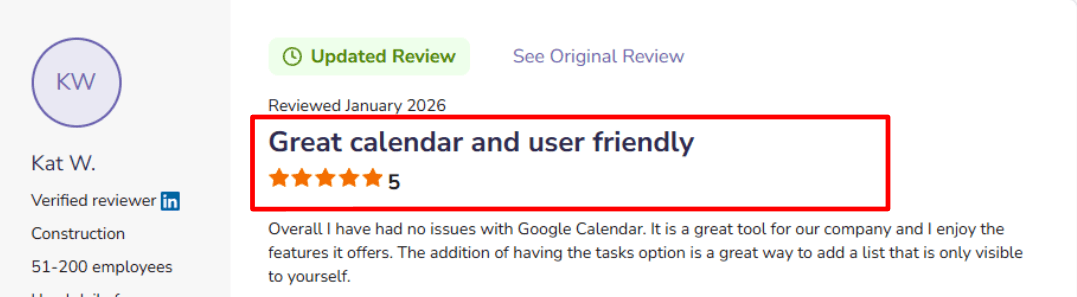
For personal notes or reminders, I used Google Tasks so they stay private and do not show up on the booking page. This helps keep your calendar clean for clients. A SoftwareAdvice review mentioned the same thing about Tasks being personal only, and that matched my experience. The Verge also covered how tasks can block time on your calendar and mark you as busy.
- Meet link flow
You can choose how you want to meet, and it works smoothly if you already use Google Meet. When someone books, the meeting link is added automatically to the calendar event. Rescheduling and cancellations feel familiar because everything stays inside Google Calendar.
- Stripe payments
On supported Google Workspace plans, you can connect Stripe and collect payment during booking. I tested this with a paid session and it worked well for simple one-on-one calls where payment confirms the booking. If you do not need payments, you can skip this and keep things simple. For anyone comparing Appointlet alternatives, this is useful if you want basic payments without adding another tool. For weekly lessons, makeups, and student reminders, see music lesson scheduling software.
Pros
- Quick to set up if you already use Google Calendar daily
- Booking pages automatically avoid busy times
- Easy controls for buffers, notice periods, and daily limits
- Stripe payments and reminders available on supported plans
- Simple to share booking links anywhere
Cons
- Limited customization if you want a more branded booking page
- Some features depend on your Google Workspace plan
- Setup and edits are easier on a desktop than on a mobile
- No built-in reporting for hours or session tracking
- Can feel cluttered if personal and client bookings are in the same calendar
Pricing
- Included with your Google account or Workspace plan
- Basic booking features available on personal or entry plans
- Advanced features like payments and multiple schedules depend on your plan
- Pricing varies based on your Google Workspace subscription
- Check Google Workspace for the latest details
When to Choose Google Calendar Appointment Scheduling
If you already use Google Workspace and want a simple way to accept bookings, this works well. It fits best for one-on-one sessions where you want everything inside your existing tools. It is also a practical option when comparing Appointlet alternatives if you prefer something lightweight and familiar. If your booking page needs more design control or advanced routing, Appointlet is usually the better option. If you are evaluating lightweight schedulers like Appointlet, check Appointlet alternative.
Methodology
To write this article on the Best 6 Alternatives to Appointlet (Manually Tested), we used a simple and repeatable 3-step review process.
-
Step 1: Shortlisting and real-world testing
meetings, team scheduling, and end-user booking flows.
Tools were shortlisted based on market presence, ongoing product development, and usage across small teams and businesses. Each shortlisted tool, including Calendly, Setmore, OnceHub, and Microsoft Bookings, was tested using common scheduling workflows such as 1 -
Step 2: Review data and user feedback
We examined verified user reviews from platforms like G2 and Capterra, looking for consistent feedback patterns instead of one-off comments. Reviews from the last two years were prioritized to reflect how these tools perform today. -
Step 3: Feature and pricing verification
We verified feature details by reviewing official product pages and pricing information. These findings were cross-checked against independent comparison articles and alternative lists (e.g. https://www.g2.com/products/appointlet/competitors/alternatives, https://clickup.com/blog/appointment-scheduling-tools/).
This process helped ensure the recommendations are practical, current, and based on hands-on evaluation rather than product marketing.
FAQs
What is the best Appointlet alternative?
The best Appointlet alternative for client-facing booking is Lunacal.
It is rated 4.9/5 on G2 and works well when your booking page needs to build trust before someone picks a time. You can add testimonials, images, videos, intake forms, payments, packages, and team scheduling.
It also supports security and GDPR controls, which matters if you work with clients in the EU.
If you mainly need a simple scheduling link for basic meetings, Calendly is also a strong option.
Which Appointlet competitors should I compare first?
The Appointlet competitors I would compare first are Lunacal, Calendly, OnceHub, and Setmore.
Lunacal is best when your booking page needs to explain your service, collect details, and help more people book.
Calendly is best for simple meeting links and familiar team scheduling.
OnceHub is useful when leads need to be routed, qualified, or sent through different booking paths.
Setmore works well for service businesses that need staff calendars, appointments, reminders, and payments.
What should I consider when choosing an Appointlet alternative by country?
Country-specific needs can change which Appointlet alternative fits best.
For the US and Canada, check SMS reminders, payment support, time zone handling, and unsubscribe options.
For the UK and Australia, look at payments, client data handling, and clear reminder consent.
For Germany, France, Spain, and the wider EU, GDPR matters more. Check if the tool offers a DPA, data export, data deletion, consent controls, and localized booking flows.
Language support, 24-hour time format, week start day, taxes, and invoice details can also matter if you serve clients in multiple countries.
What features matter most in an Appointlet alternative?
The most important features are reliable calendar sync, clear availability rules, reminders, intake forms, payments, and team scheduling.
If you run a team, test round robin and shared availability carefully.
If you charge before the session, check Stripe, PayPal, deposits, and package support.
If your booking page gets traffic from ads, email, or your website, also check how much you can customize the page.
How do I switch from Appointlet without breaking bookings?
The easiest way to switch from Appointlet is to rebuild your main event types first.
Start with your availability, buffers, meeting length, intake questions, reminders, and payment settings. Then test a few bookings yourself before sharing the new link.
After that, update your website embeds, email signature, social profiles, ads, and any old booking links.
If you are moving to Lunacal, this flow is straightforward because you can recreate the booking page, add intake questions, set payments, and build team scheduling in one place.
Summarize this content with AI


